Play Ideas · Play Ideas
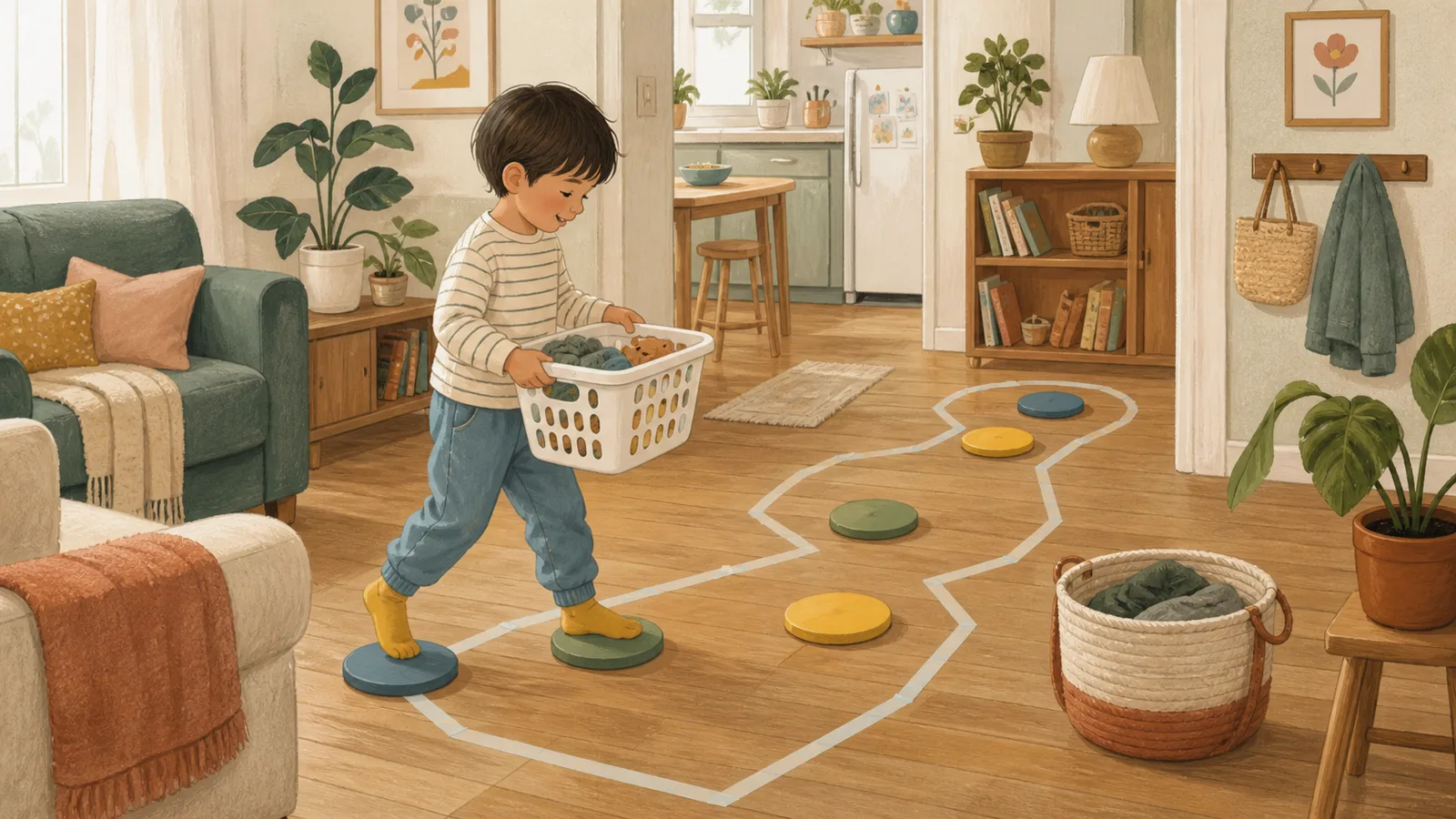
Indoor Active Play for Preschoolers in a Small Space
Create apartment-friendly preschool movement games using one clear lane, carries, balance, stop-start cues, and low-impact adaptations for floors and neighbors.
By Age
Creative projects, collaborative games, STEAM challenges, and growing independence.
Children from five to seven can sustain longer projects, collaborate on shared worlds, and revisit an idea over several days. They may enjoy more detailed construction, beginner strategy, art processes, outdoor challenges, and real tools designed for children. Our guides favor experiences that build capability while preserving the freedom, humor, and imagination that make play feel like play.
Start here
Create apartment-friendly preschool movement games using one clear lane, carries, balance, stop-start cues, and low-impact adaptations for floors and neighbors.
Try something today

Run a preschool nature hunt with observation prompts, movement, sound, accessibility adaptations, and leave-what-you-find boundaries.

Try safer household investigations with ramps, paper, ice, shadows, floating objects, and sound—each built around one variable and observable evidence.

Offer age-respectful missions, roles, resources, and worlds for children 8+—including solo, quiet, mixed-age, and low-prop options.
Growing through play

Water beads expand after contact with liquid and can cause serious harm if swallowed, inhaled, or inserted. Here is how to make a practical household decision.
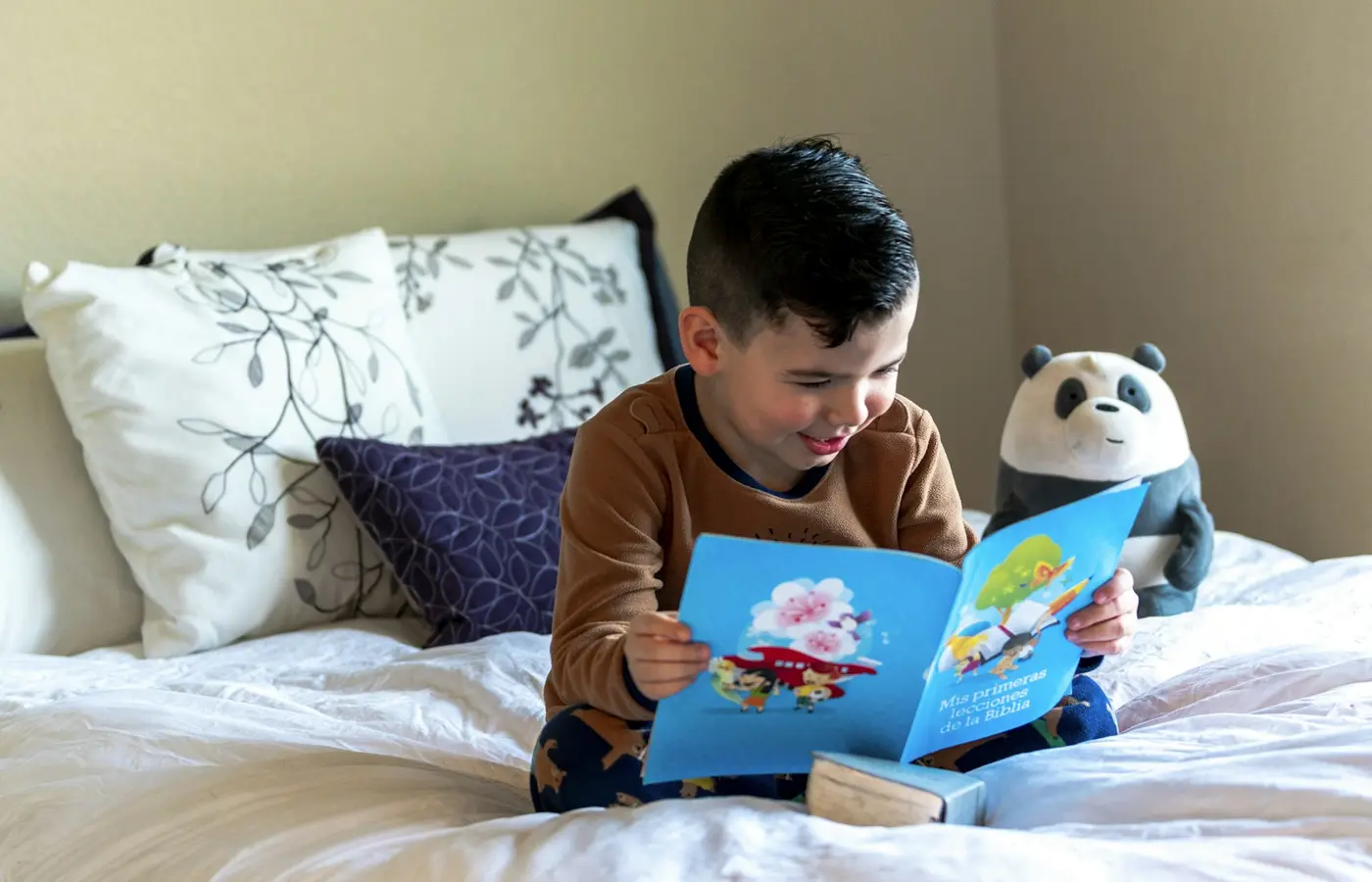
Learn how to read toy age grades, specific safety warnings, and instructions without treating the label as a prediction of interest or independence.
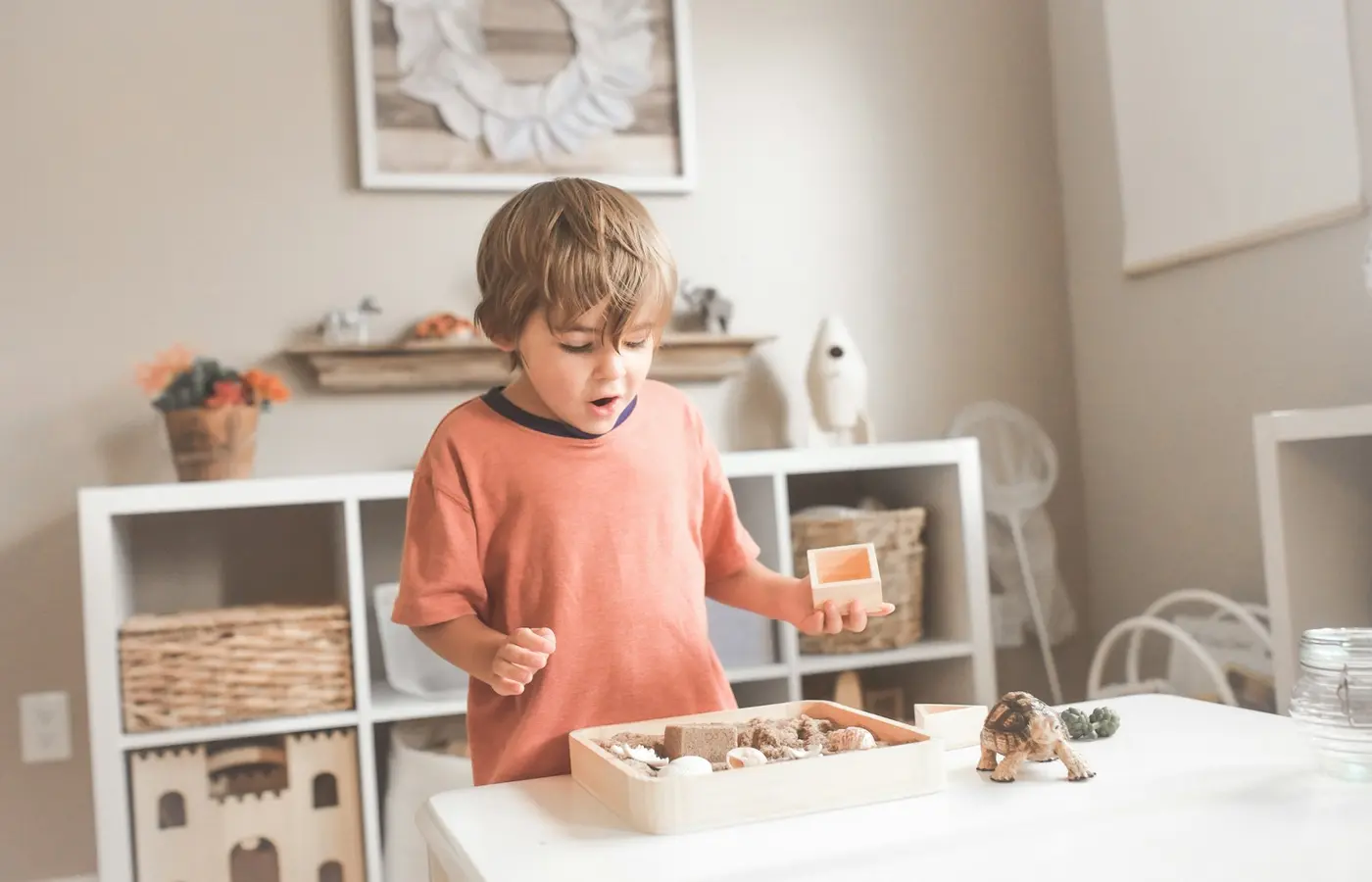
Use observation, a safety check, and simple setup changes to decide whether to extend, store, pass on, or replace an ignored toy.
Keep exploring
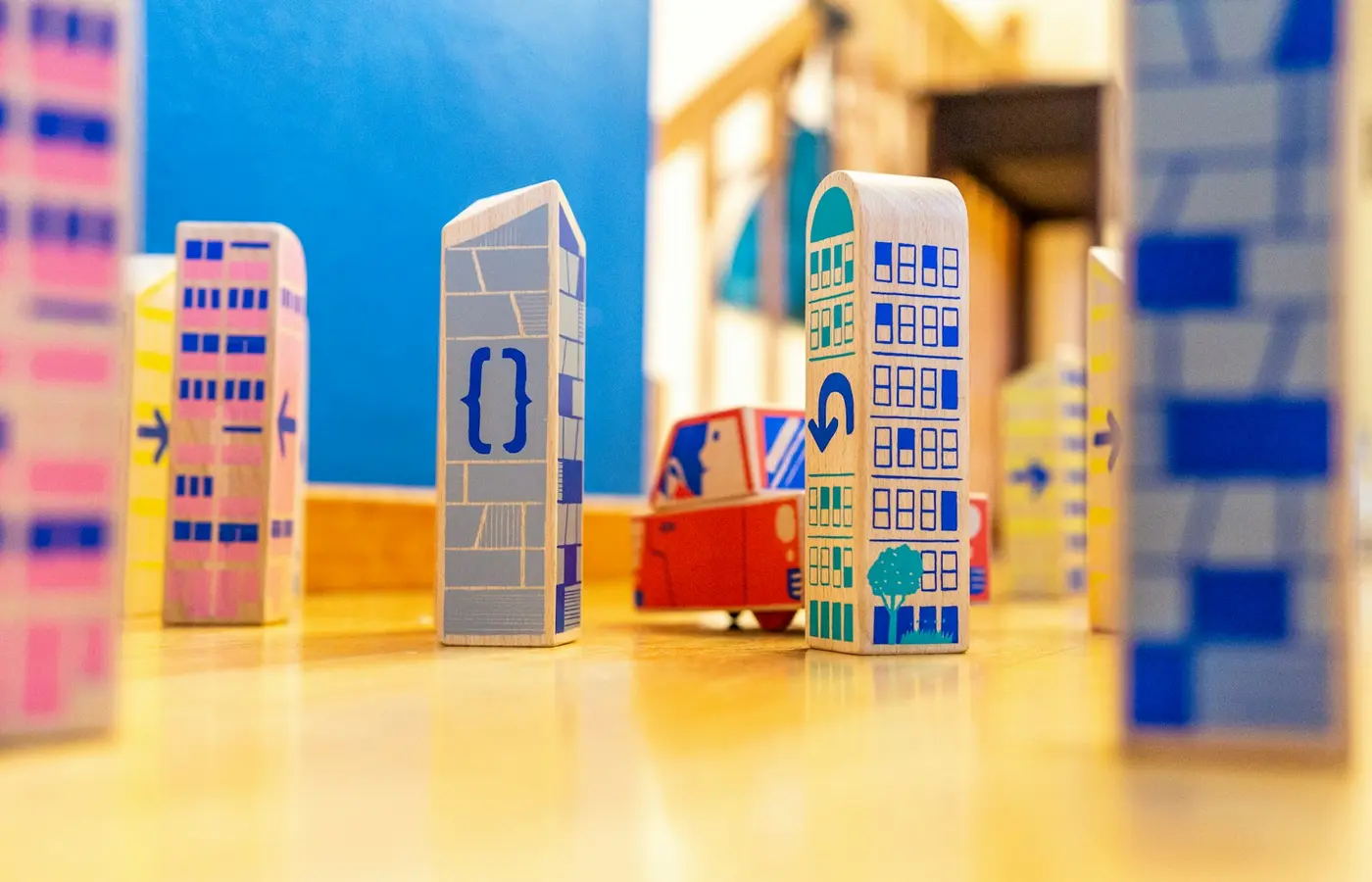
A practical way to check whether modular roads, tracks, buildings, landscapes, and figures can form a stable, usable shared play scene.
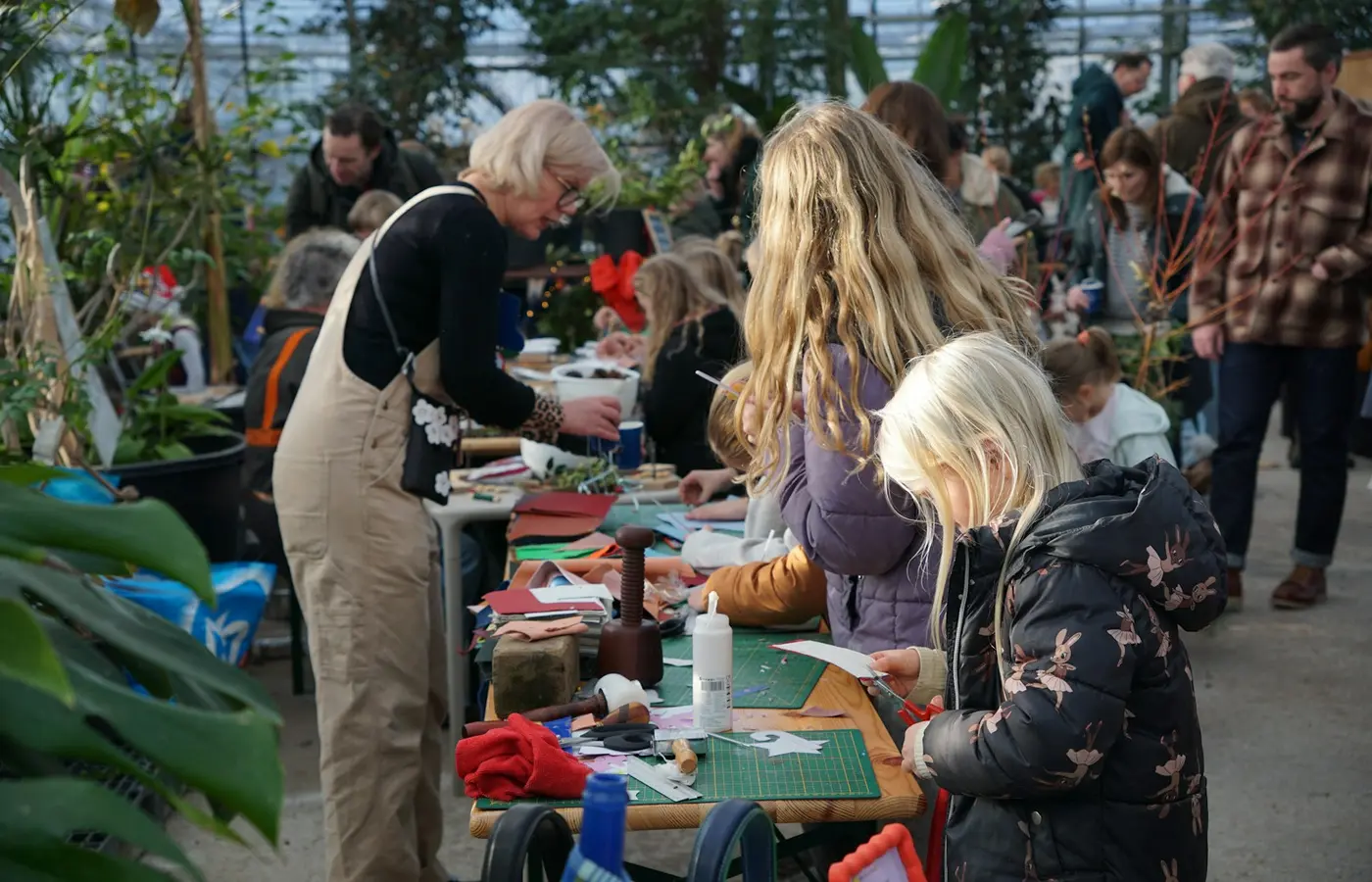
Choose tape, glue sticks, or liquid glue for kids’ crafts by matching the project, the child’s handling, and the exact product label.
A practical mixed-age plan for using, checking, cleaning up, and storing magnetic toys while reducing younger siblings’ access.

How to decide whether lights, sounds, and moving features extend construction play or add noise, maintenance, and distraction.
A practical safety check for finding button batteries in toys and household items, securing battery compartments, and handling damaged covers.
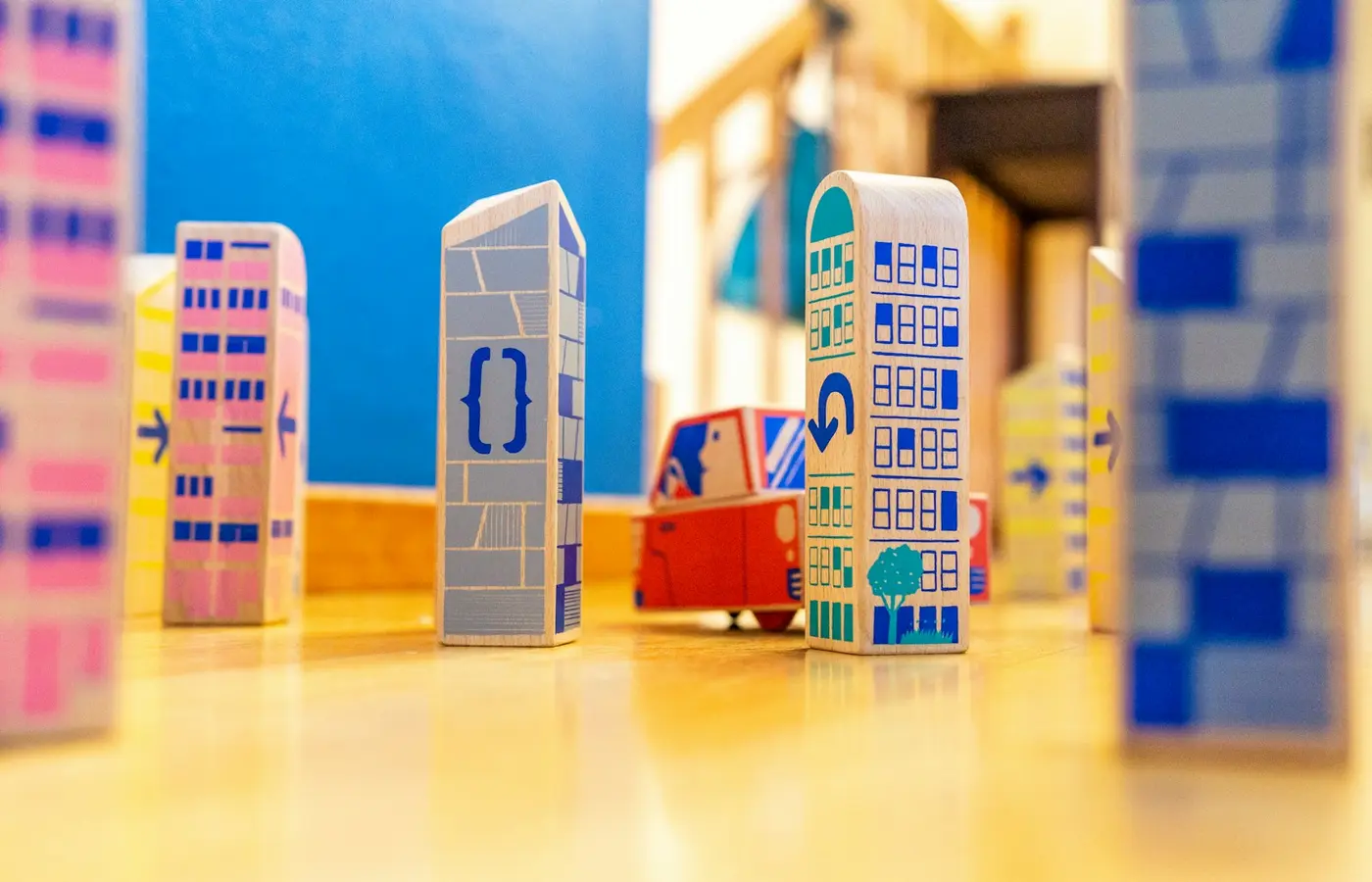
Choose flexible imaginative play props for ages 5–7 that leave room for changing roles, shared stories, and real-life limits.
The complete collection
67 research-informed guides and play ideas
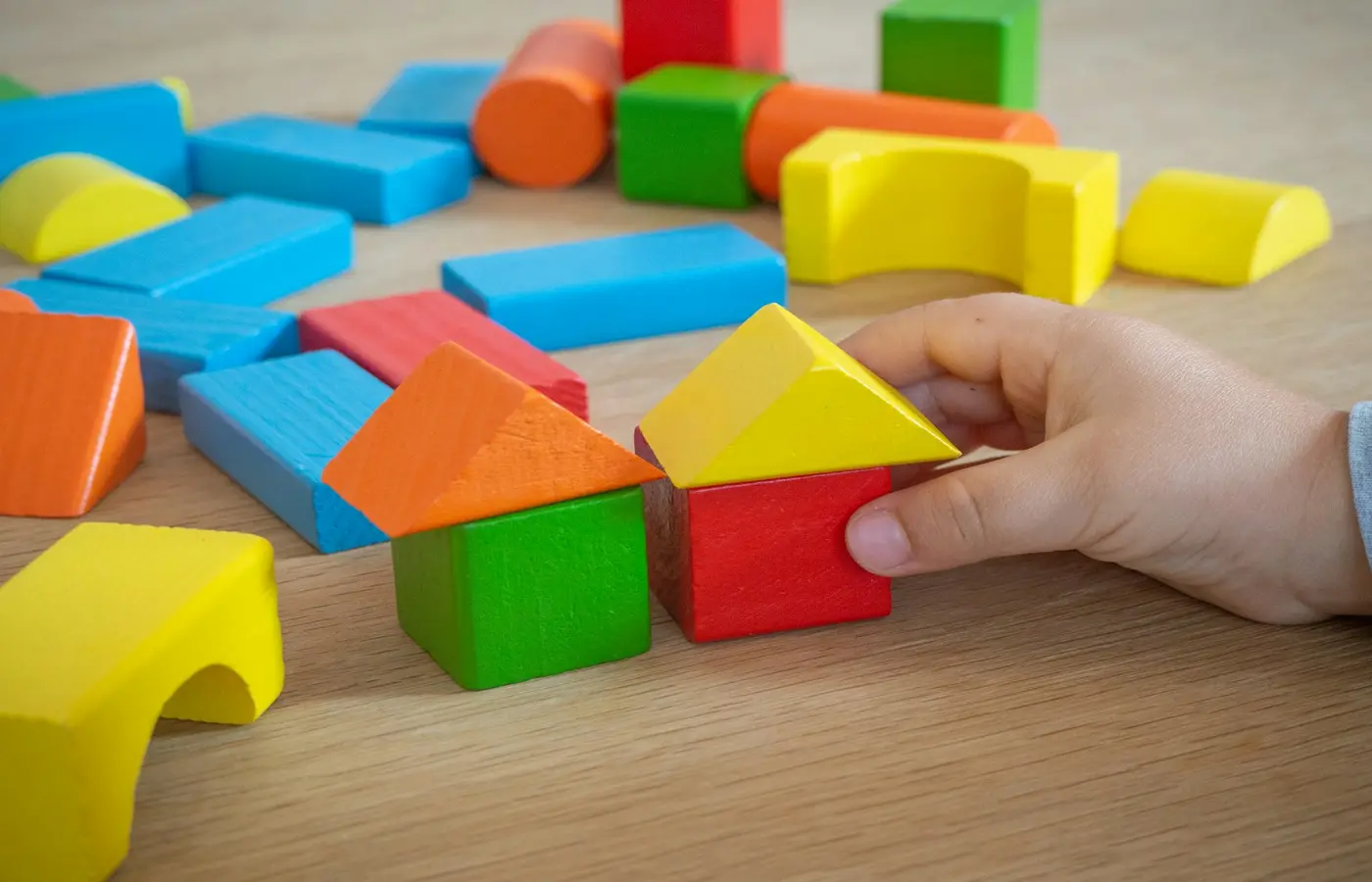
Learn how to tell whether a familiar toy still invites new play, needs a different setup, or is ready to be passed on safely.
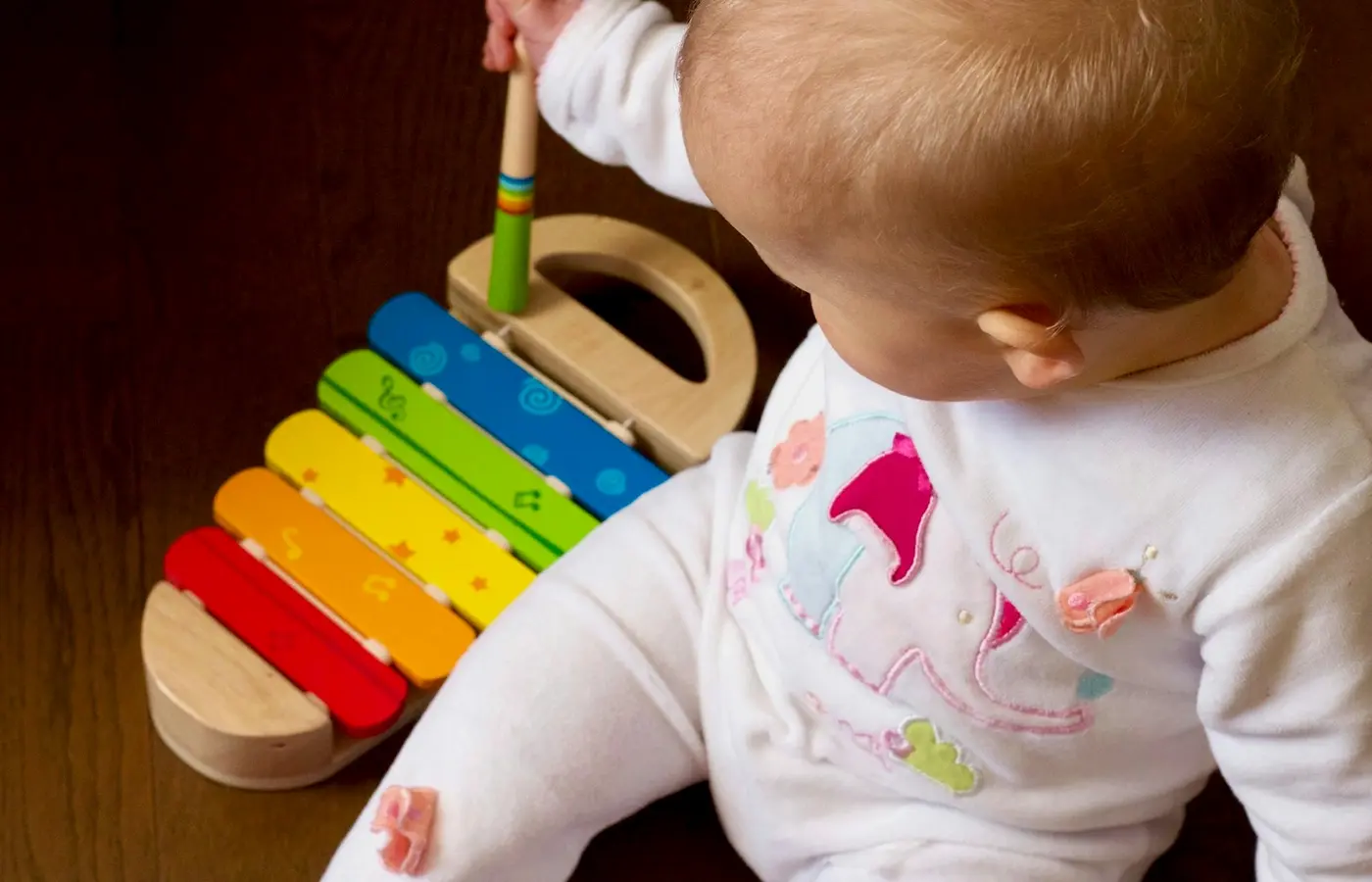
A practical comparison of app-connected and offline toys, including setup, Wi-Fi, privacy, subscriptions, charging, and everyday use.
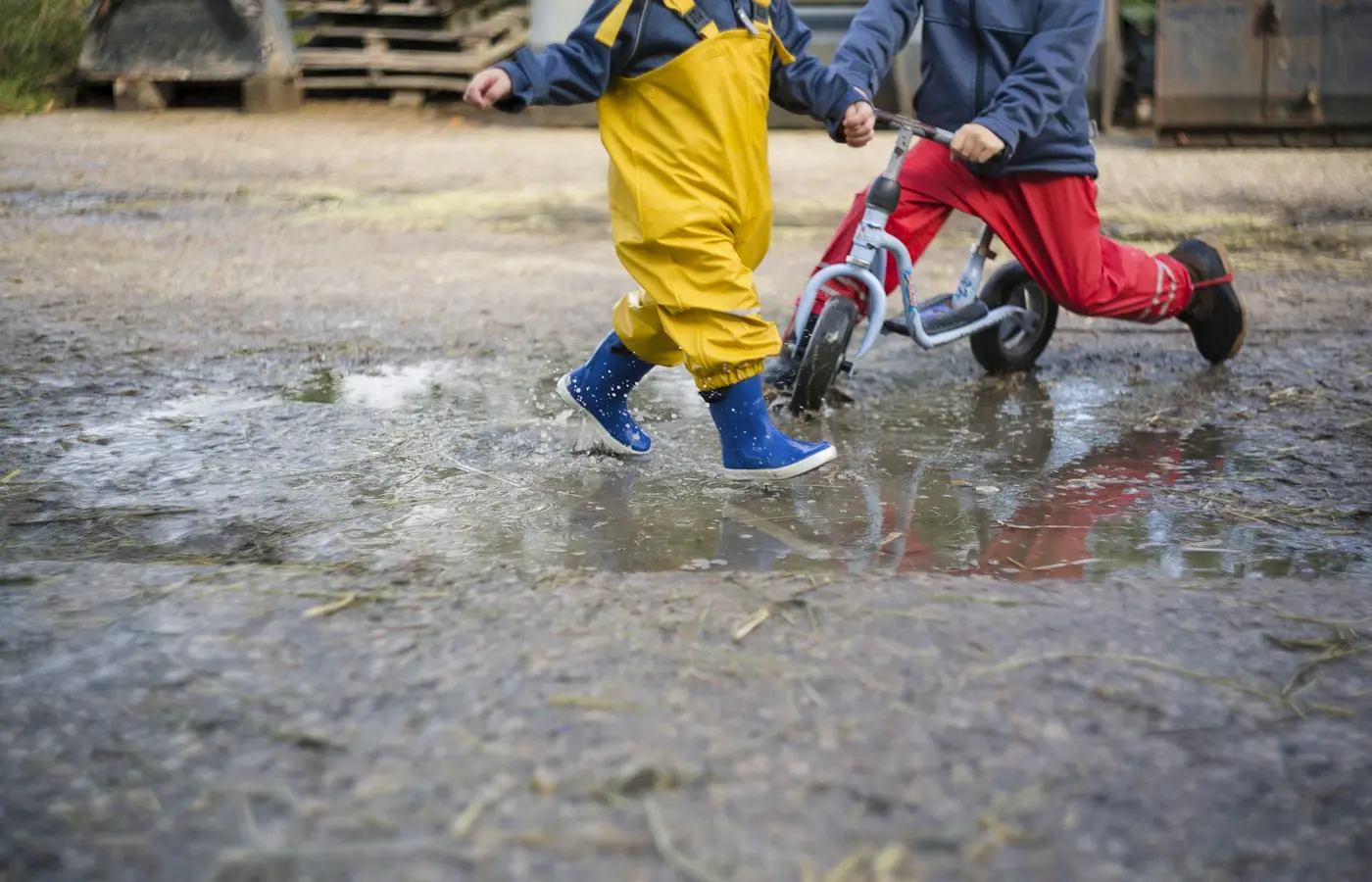
A practical guide to adapting outdoor play for rain, wind, heat, cold, muddy ground, changing supervision needs, and easier cleanup.
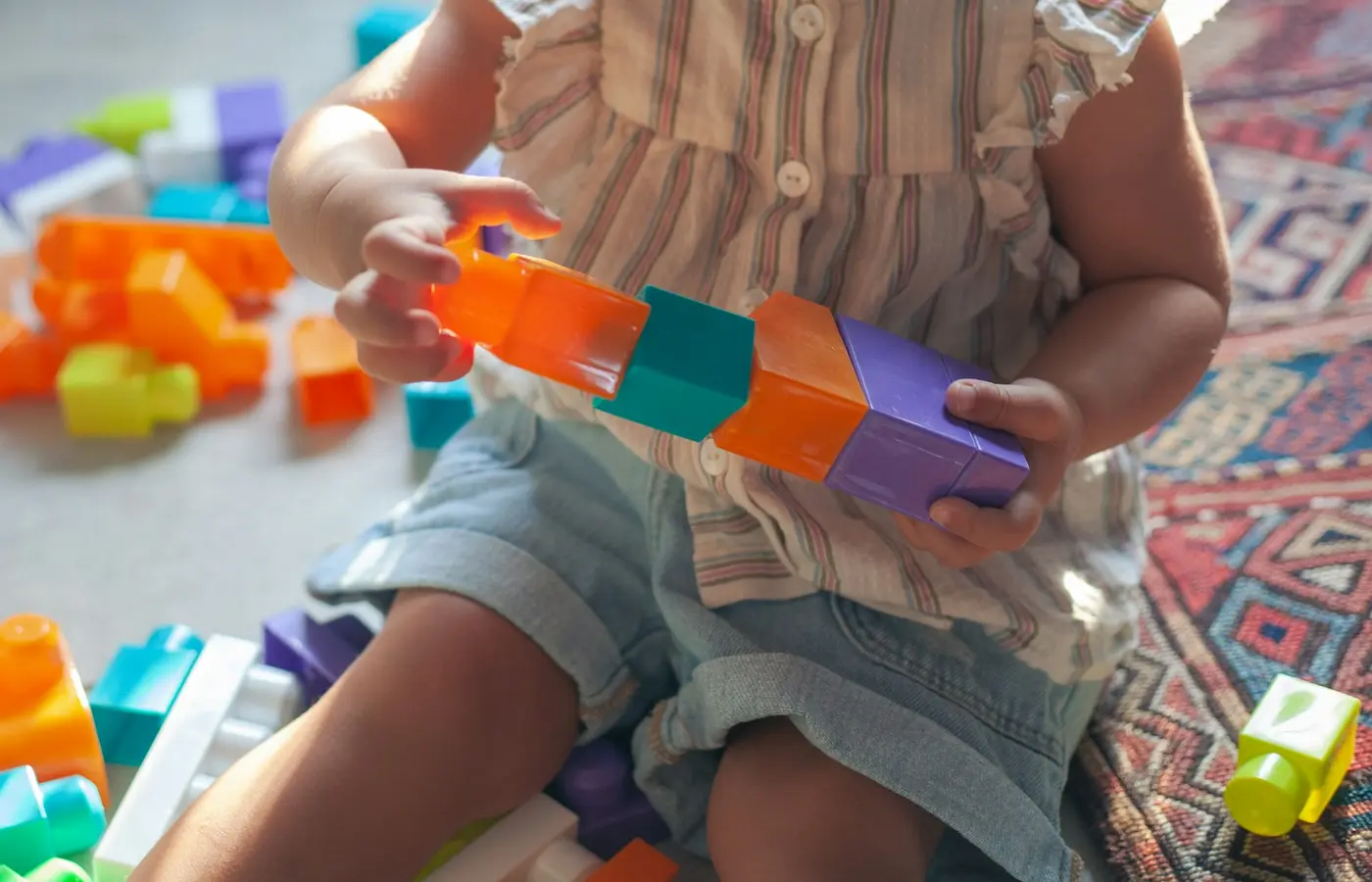
Choose building sets for two children by checking piece access, build format, age warnings, workspace, storage, and likely sources of friction.
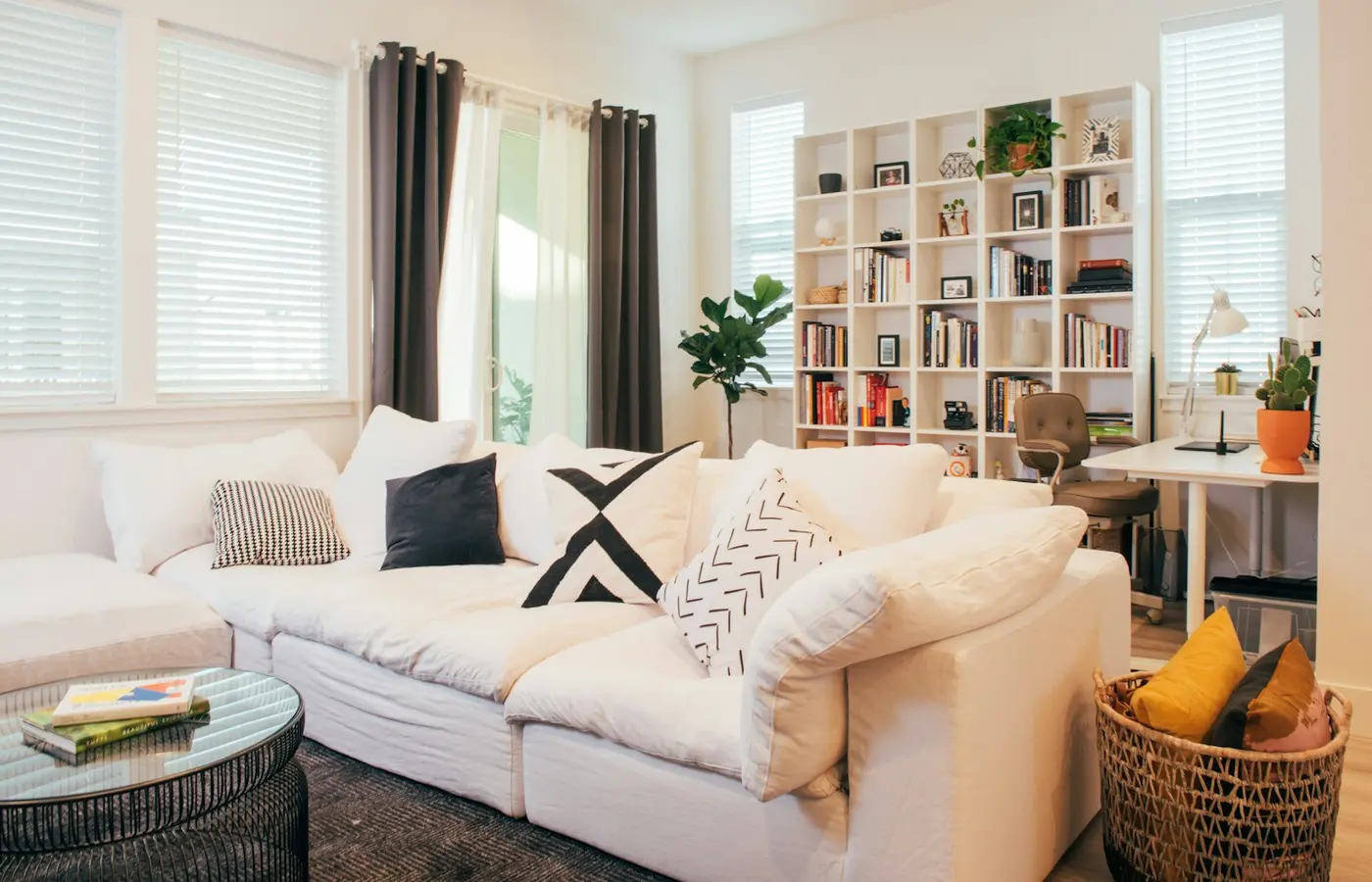
Create accessible toy storage with a small visible selection, safer furniture setup, simple return spots, and realistic cleanup support.
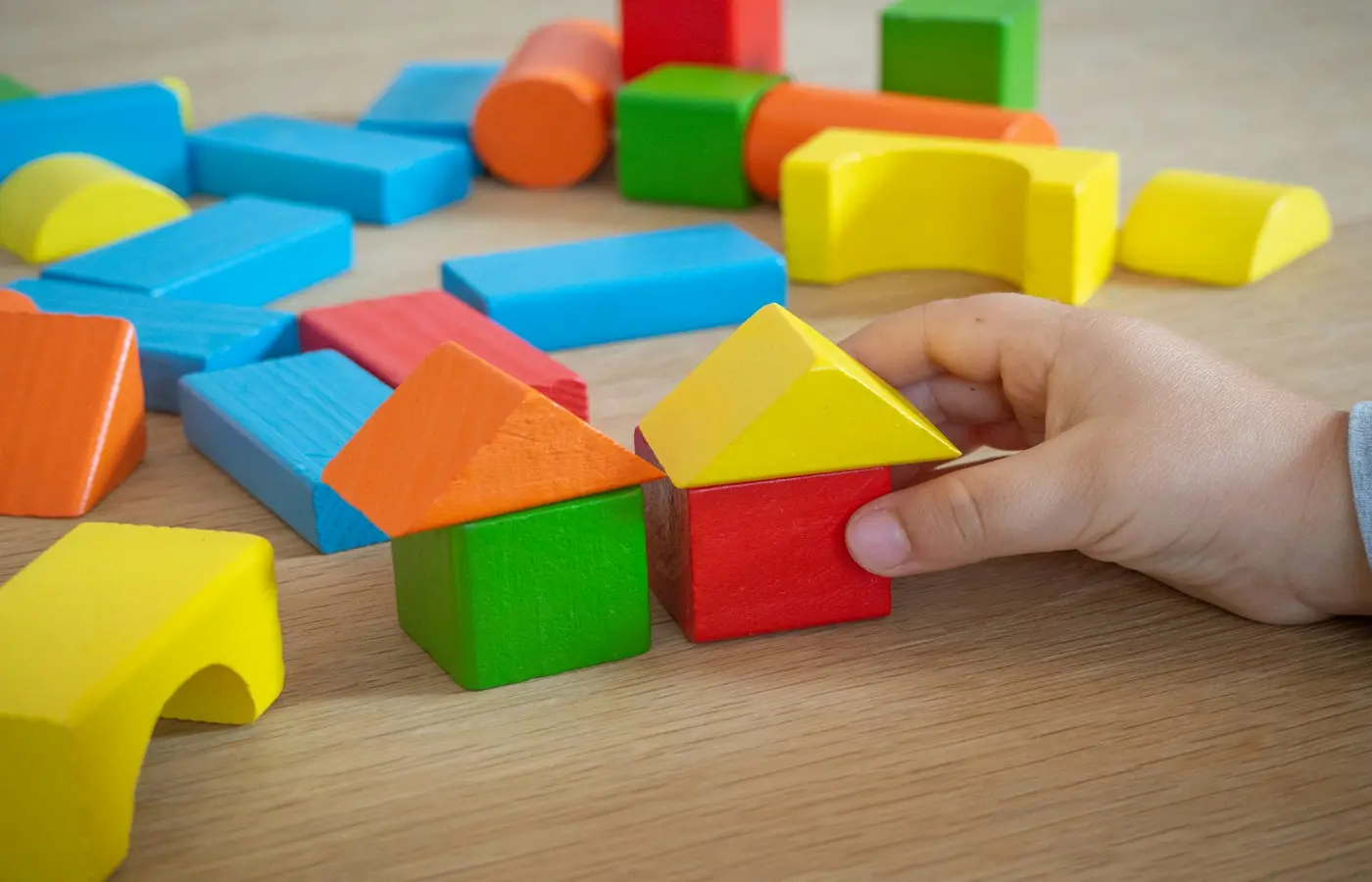
Choose big building sets for kids by age fit, piece usability, rebuildability, storage, compatibility, frustration, and supervision—not piece count.

A cautious, low-moisture routine for cleaning magnetic play pieces, drying them fully, and removing damaged pieces from play.
Use safety labels and everyday play observations to decide when small interlocking bricks fit your child, household, and cleanup routine.

A safety-first guide to choosing, using, checking, and storing magnetic toys when babies, toddlers, or children who mouth objects share the home.
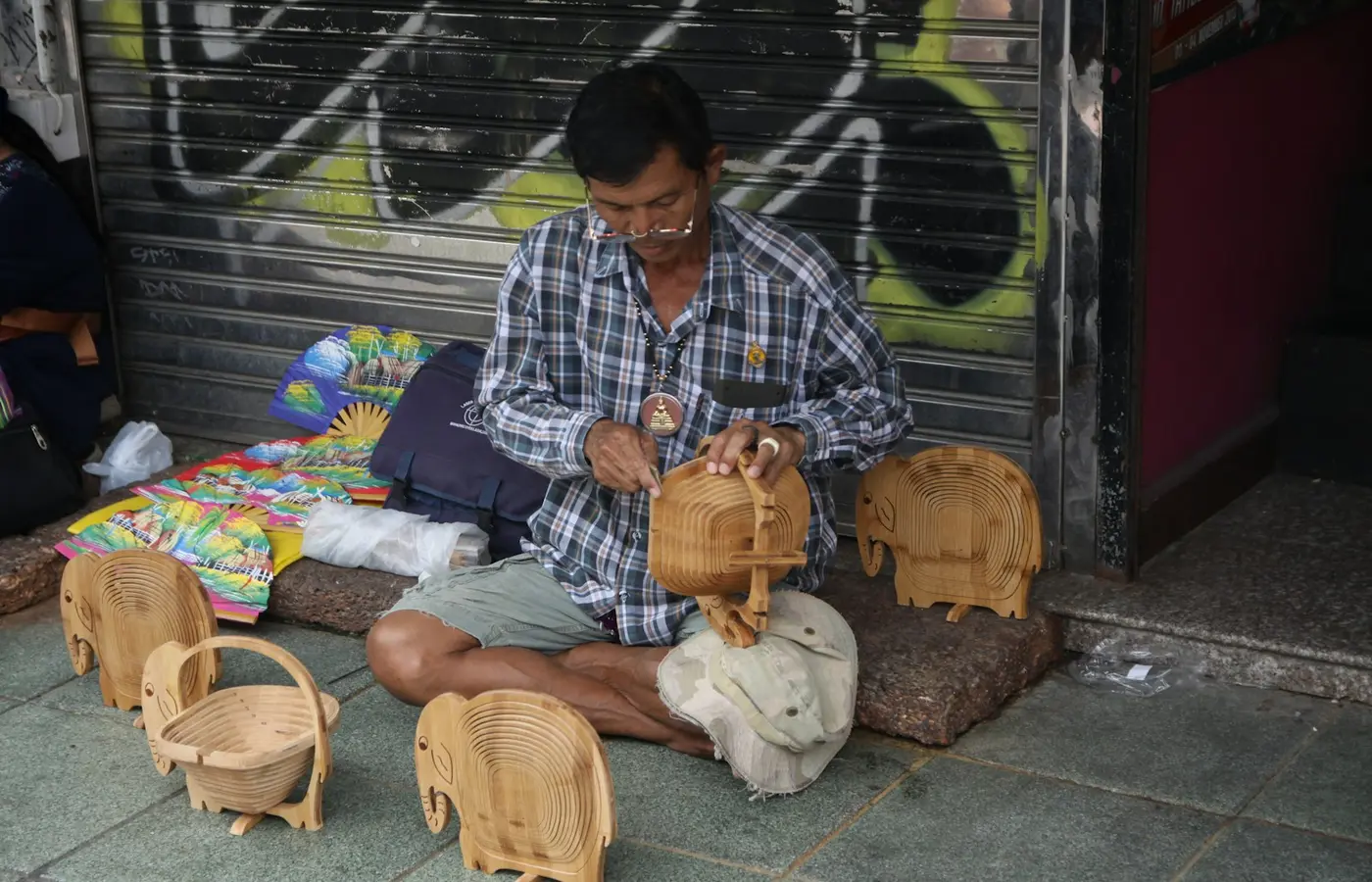
Use this practical inspection process to check a secondhand toy’s identity, age label, parts, damage, batteries, magnets, recalls, and cleaning limits.
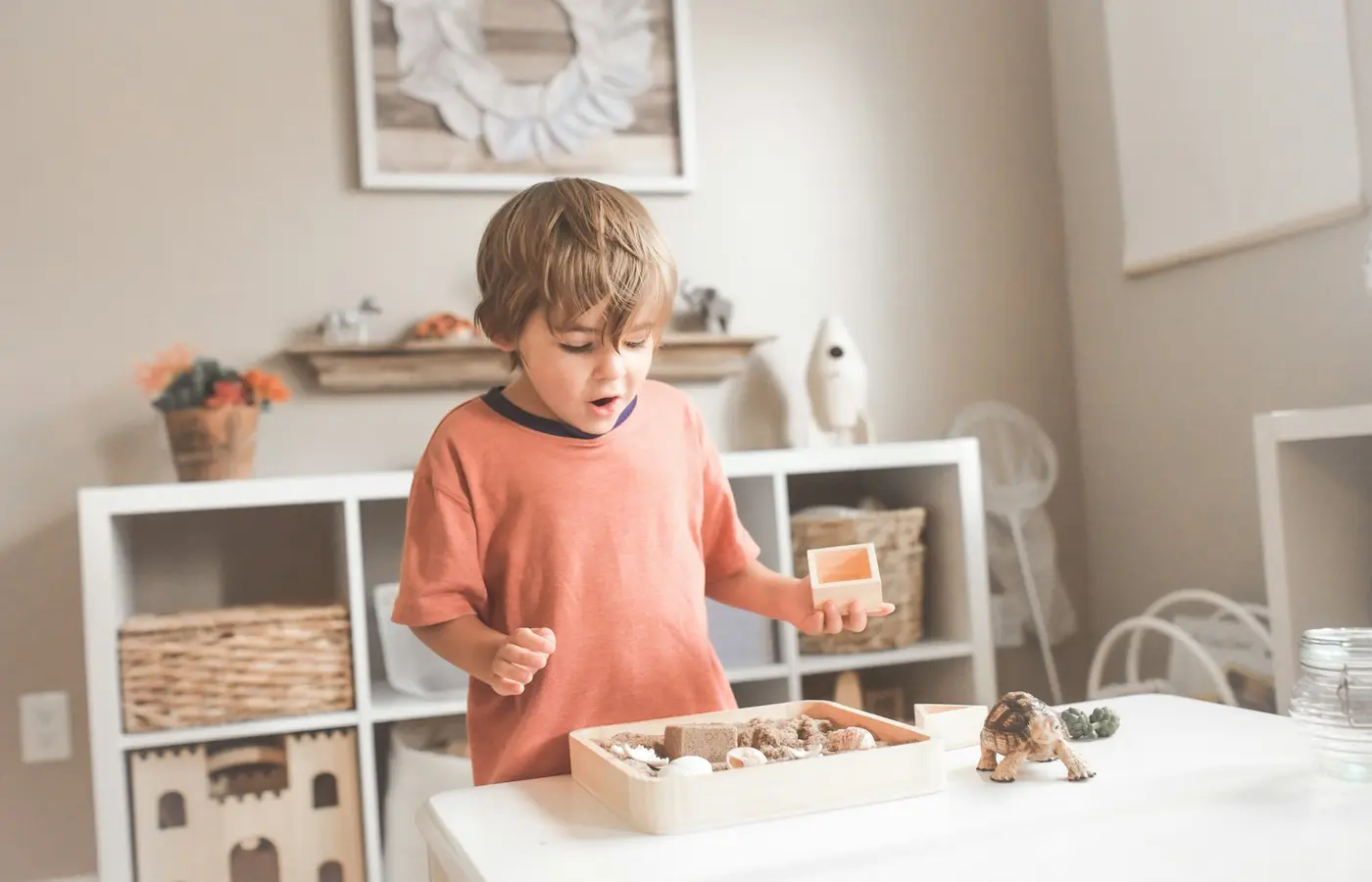
Choose toy storage that limits overwhelming piles, keeps useful materials visible, and makes access and cleanup manageable for your family.
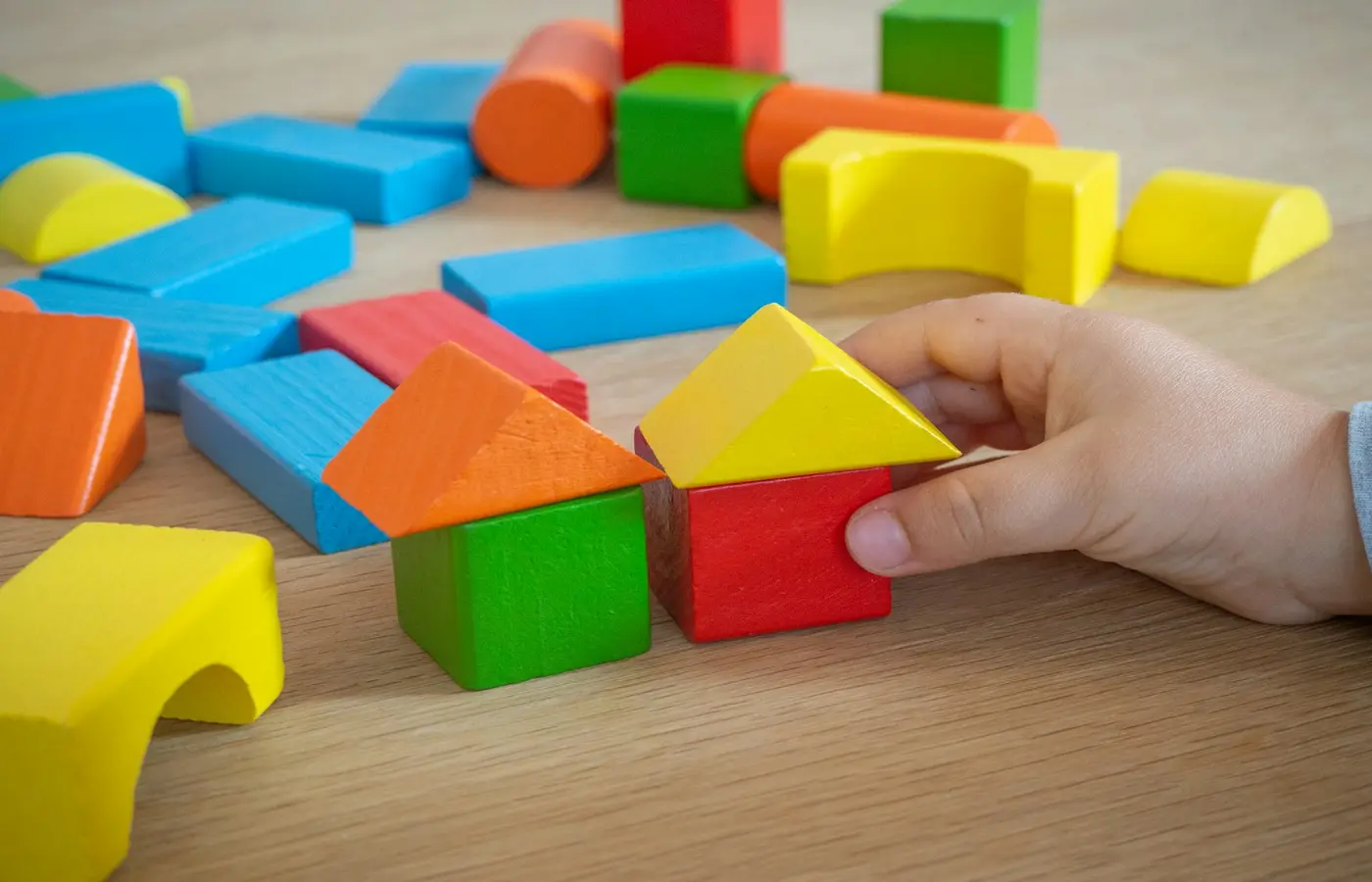
Choose containers, blocks, fabric, figures, and loose parts for hiding play while considering age grades, small parts, space, supervision, and cleanup.
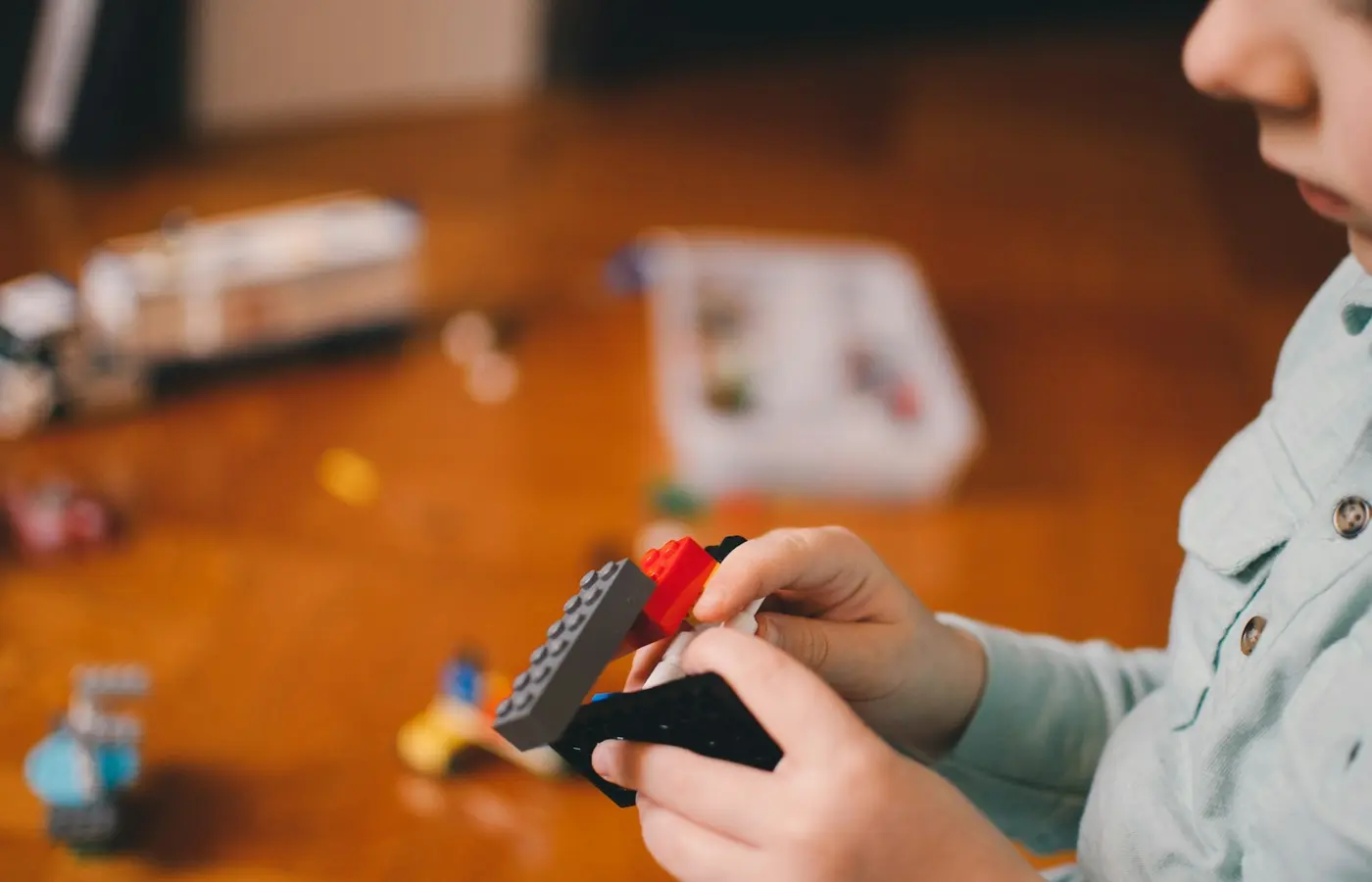
A practical guide to checking offline play, privacy, subscriptions, device support, charging, and repeat value before choosing a connected toy.
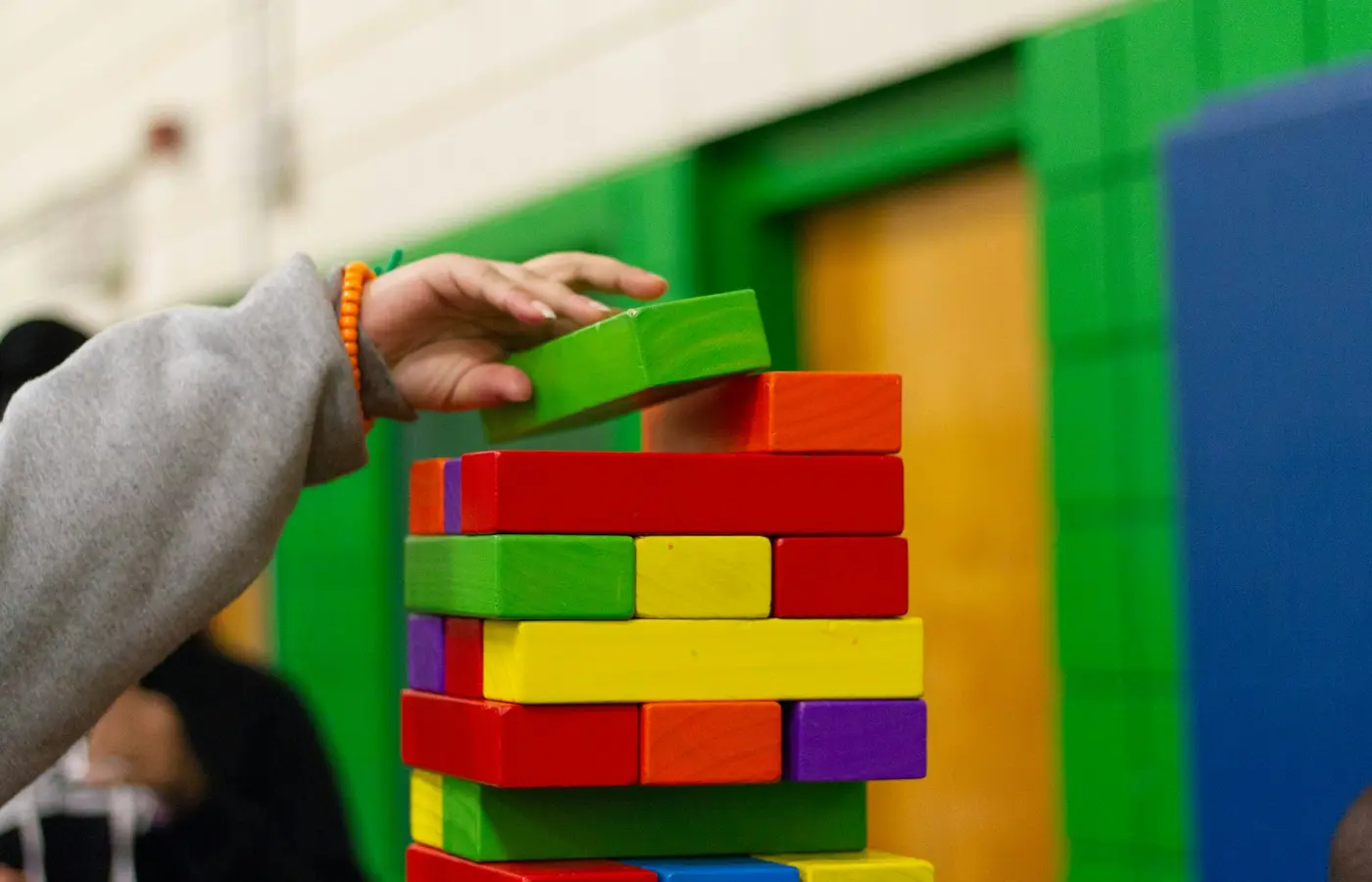
Choose a construction toy by comparing connection style, required force, piece scale, age grade, storage, cleanup, and compatibility.

Choose age-appropriate throwing toys by comparing softness, weight, space, bystanders, retrieval, supervision, noise, and storage.

Choose quieter toys by considering floor impact, repeated sounds, controls, storage, supervision, and how play fits your home.
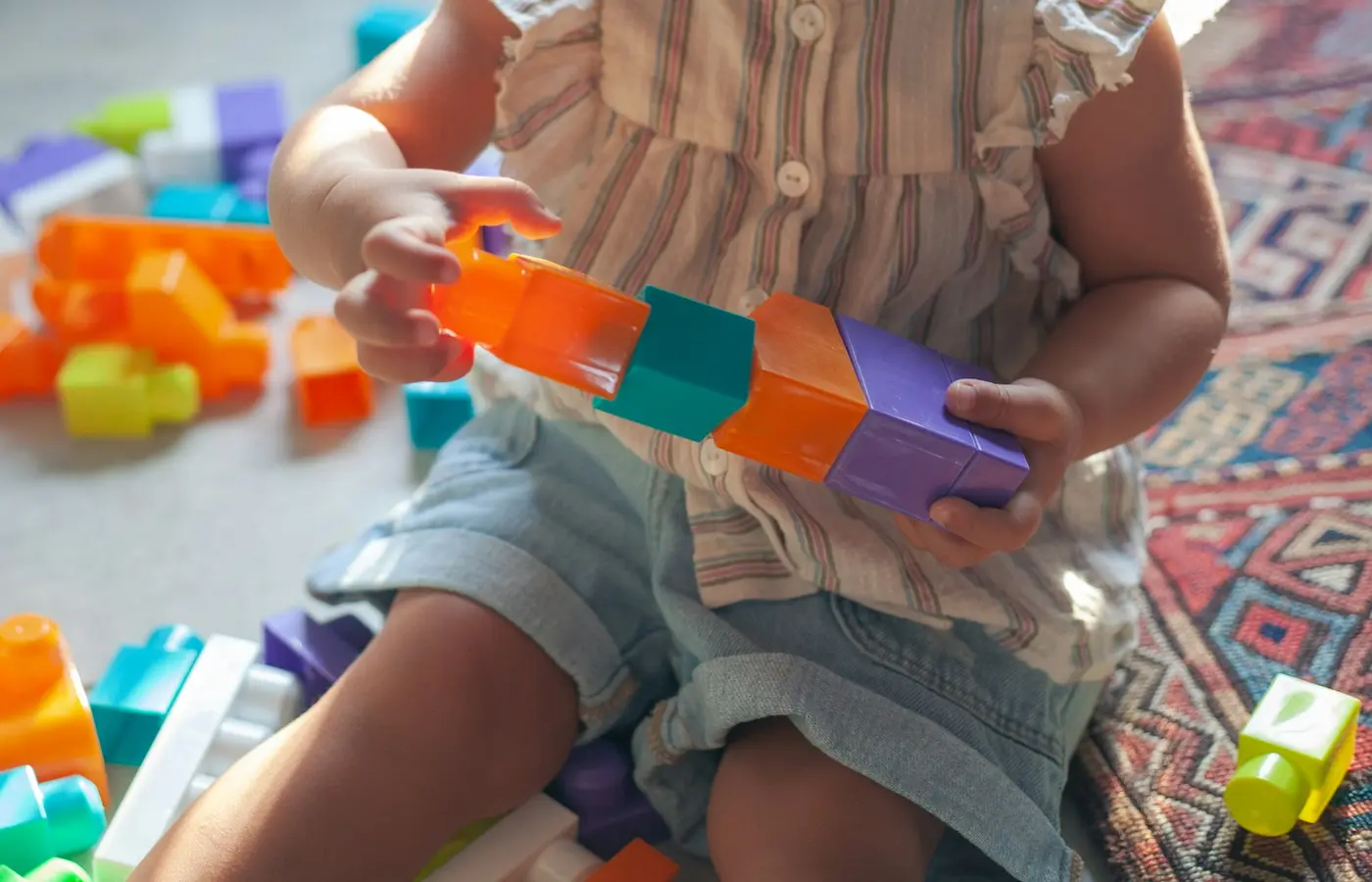
Choose manageable, age-appropriate toys for lining up, sorting, and arranging, with practical guidance on safety, storage, and extending play.

A practical safety checklist for choosing, inspecting, supervising, and storing magnetic building toys in homes with young children.

Publication is on hold until authoritative sources verify button battery hazards, compartment requirements, recalls, and handling guidance.
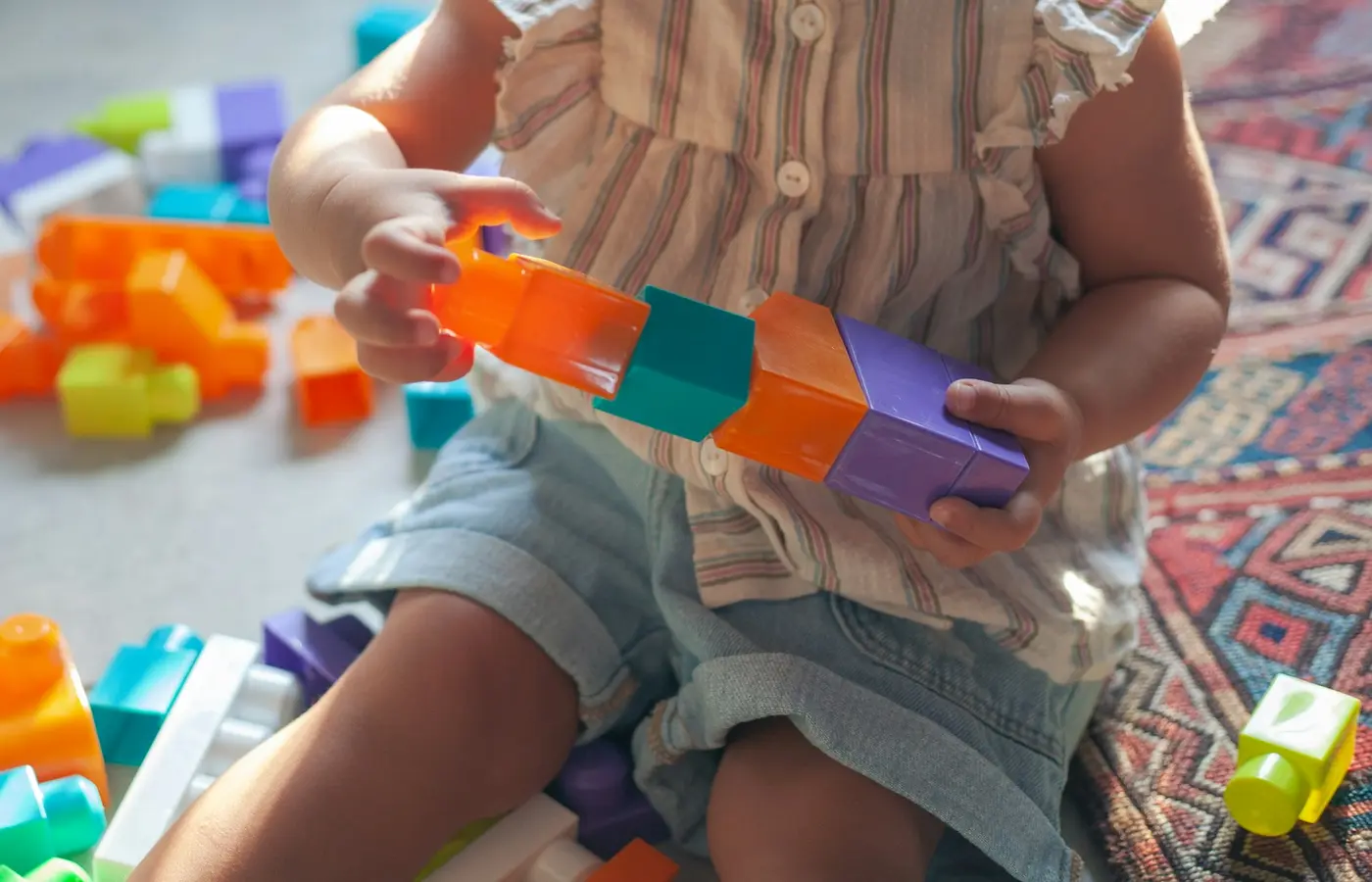
Choose take-apart toys that satisfy a child’s urge to open, unscrew, inspect, and rebuild while keeping hazardous components inaccessible.
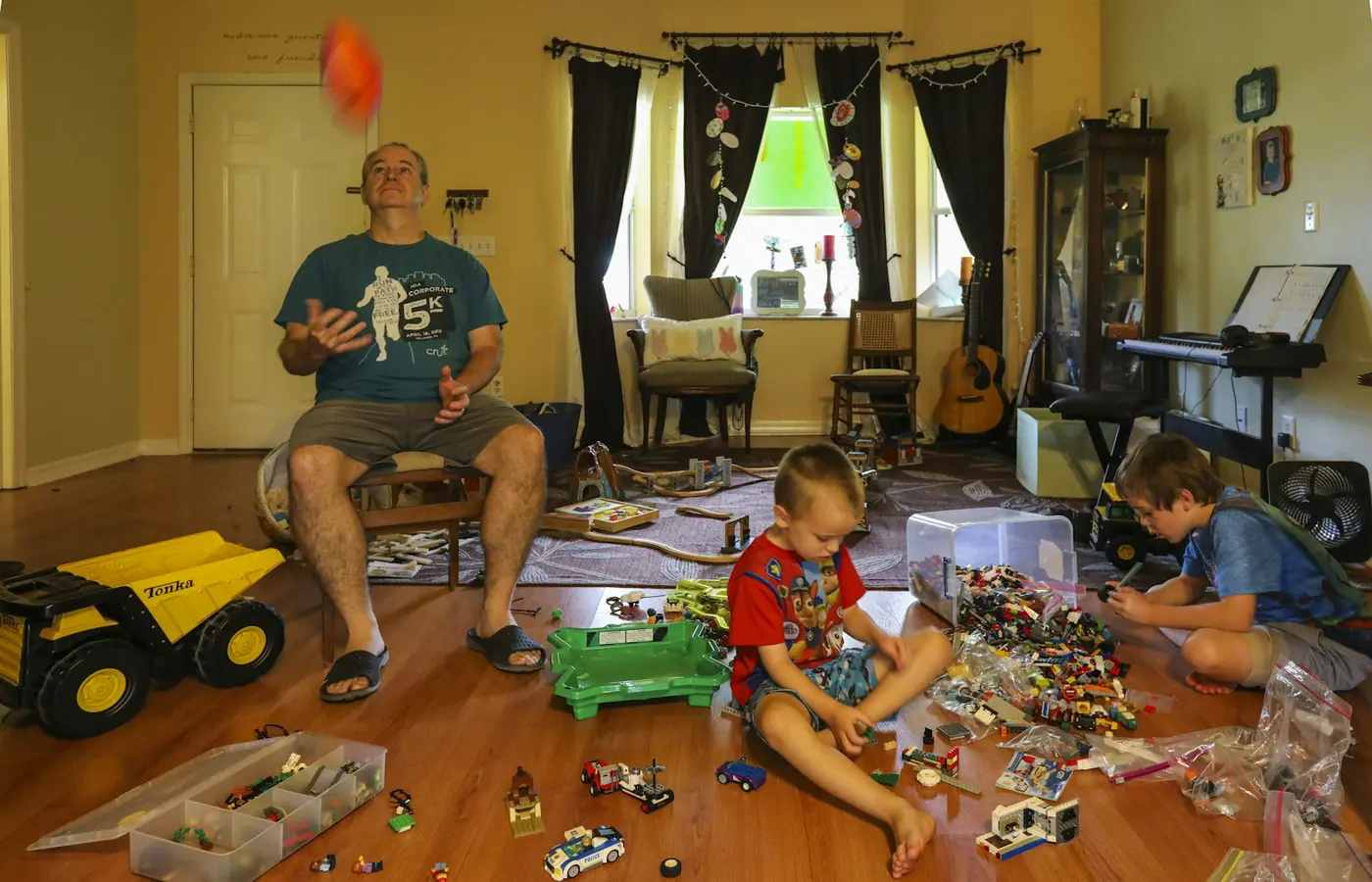
Publication is on hold until official sources verify age grading, small-parts, magnet, battery, projectile, and recall guidance.

Choose a small, practical art setup around your child’s actions, supervision needs, mess tolerance, drying space, cleanup, and storage.
Plan accessible toy storage around your child’s reach, each toy’s shape, shared-room safety, visual clutter, and a realistic cleanup routine.

Build an after-school transition around food, movement, quiet, connection, or making—without diagnosing ordinary behavior or forcing immediate conversation.
Select gifts for ages five to seven by interest, challenge, independent start, partner needs, reset time, storage, and safety rather than grade or gender stereotypes.
Choose low-clutter preschool gifts that actually fit: consumables, experiences, upgrades, contribution, and time, with checks for expiry, access, fees, and adult capacity.

Choose a new-big-sibling gift that respects the older child's interests, creates realistic connection, and does not demand caregiving play or cheerful feelings.
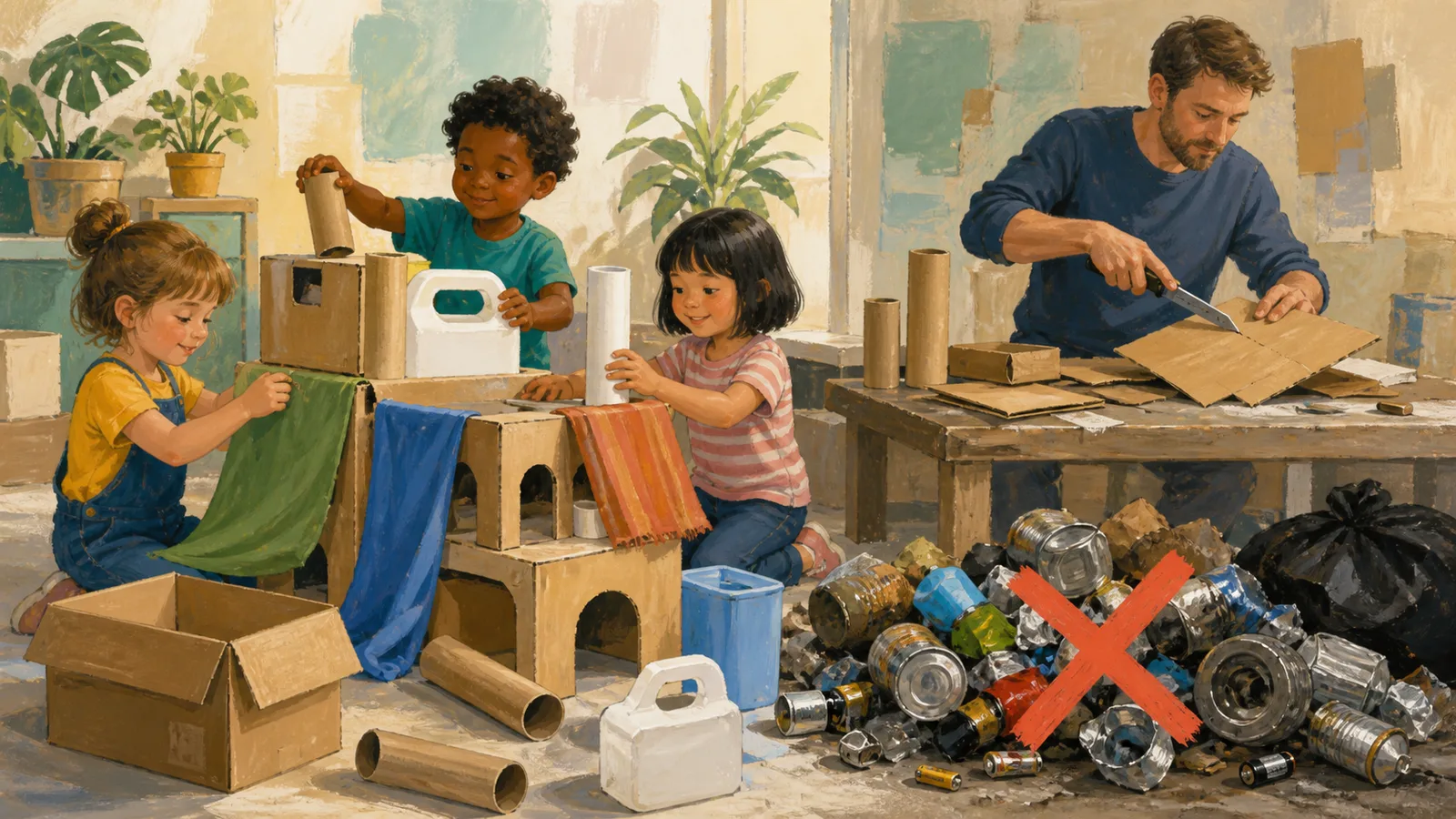
Build a safer recycled-material maker bin by screening packaging for residue, staples, sharp edges, coatings, cords, small parts, batteries, and magnets.
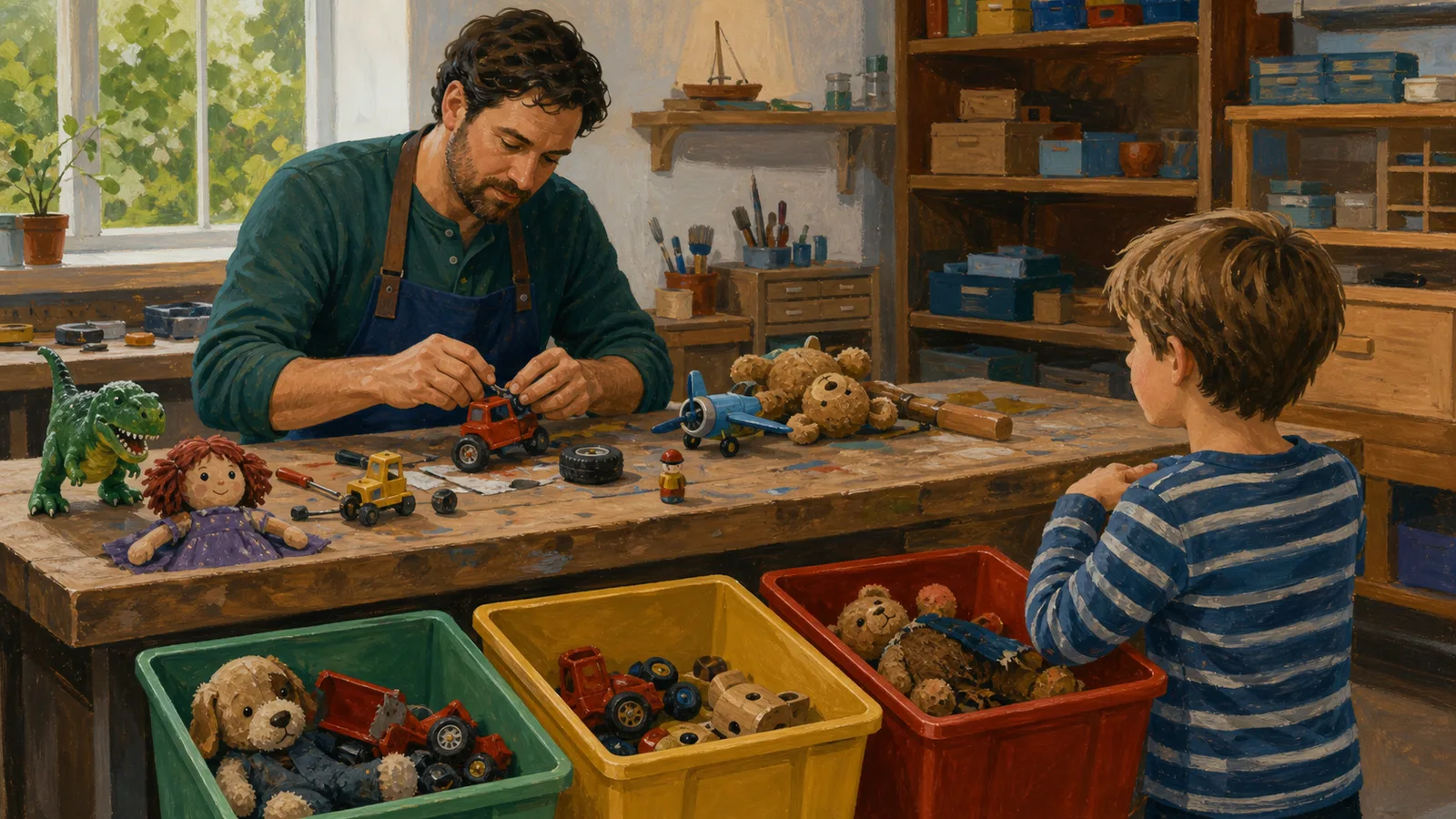
Decide whether a broken toy can return to play by triaging cosmetic, structural, battery, magnet, electrical, coating, hygiene, and recall failures.
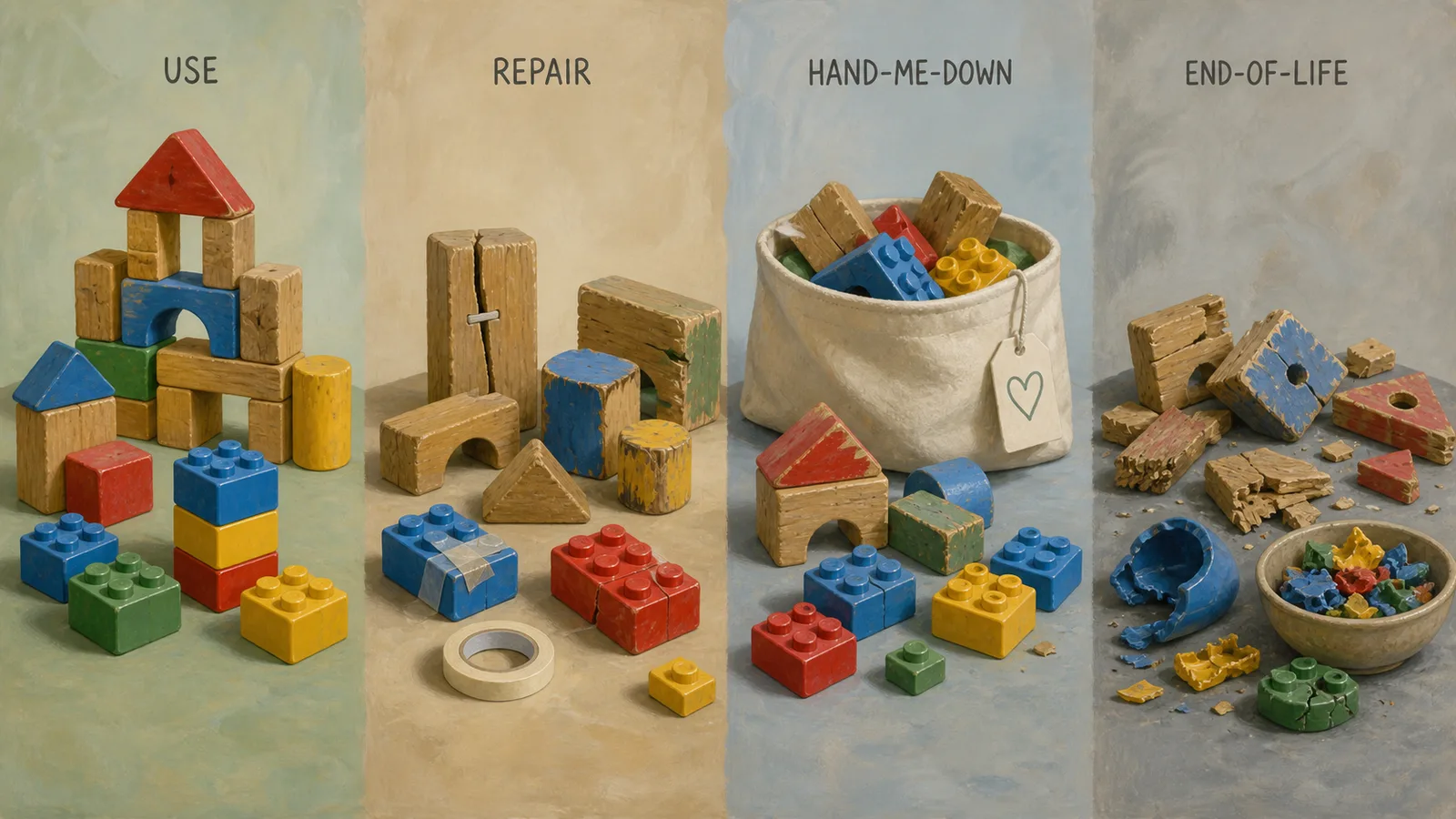
Compare wooden and plastic toys by design, weight, cleanability, coatings, durability, repair, transport, reuse, and end of life rather than material stereotypes.

Understand risky play without romanticizing danger: distinguish visible challenge from hidden hazard, tune consequences, and know when adults should intervene.

Choose outdoor toys for a balcony, patio, courtyard, or shared space by checking the full play zone, rails, drainage, noise, storage, and supervision.
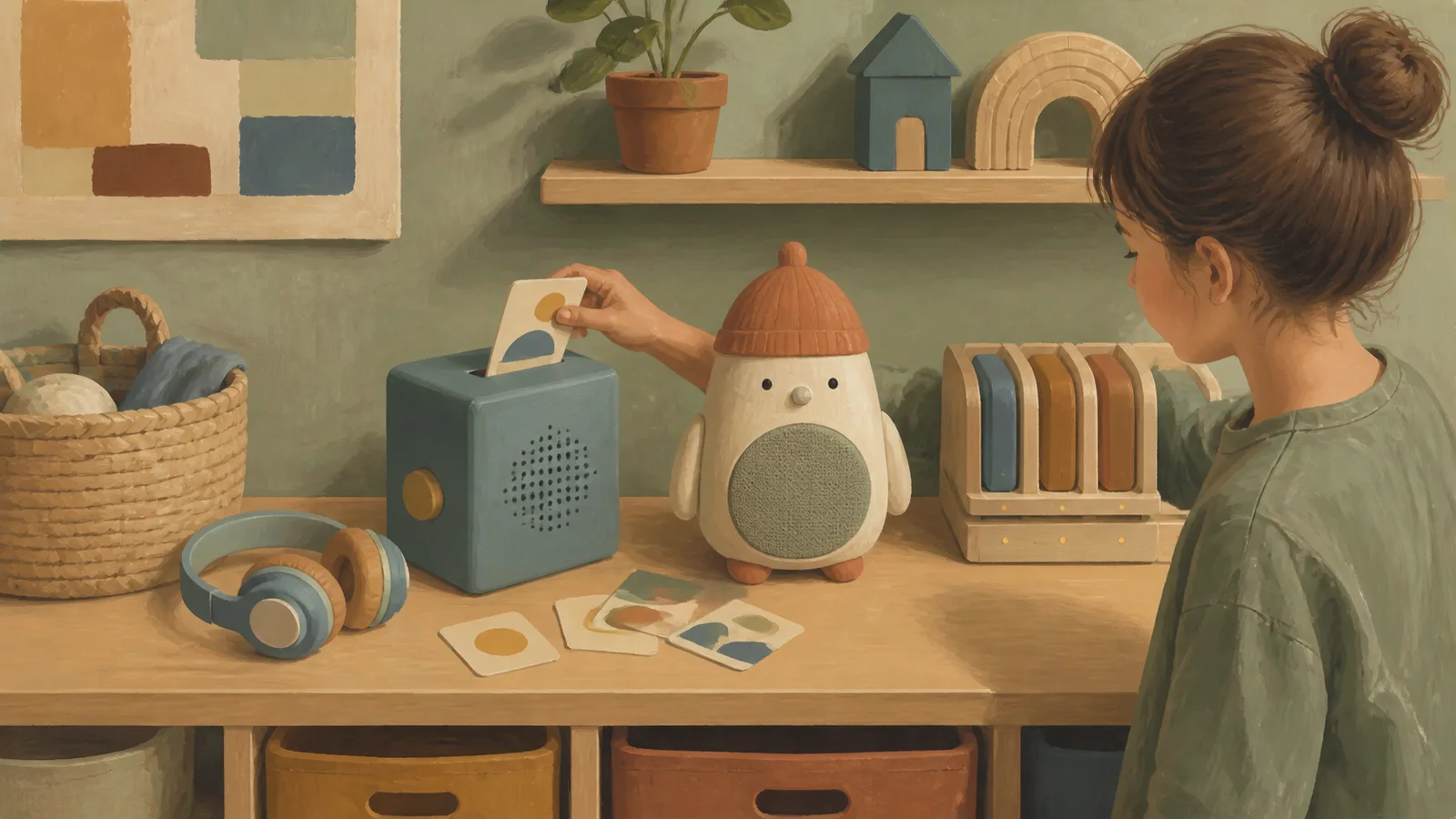
Compare card, figurine, library, Bluetooth, and DIY audio systems by age longevity, offline use, accounts, content cost, storage, charging, recall history, and hearing safety.

Decide between private lessons, group music, and more informal exploration by checking interest, communication, physical fit, repetition, logistics, and teacher fit.
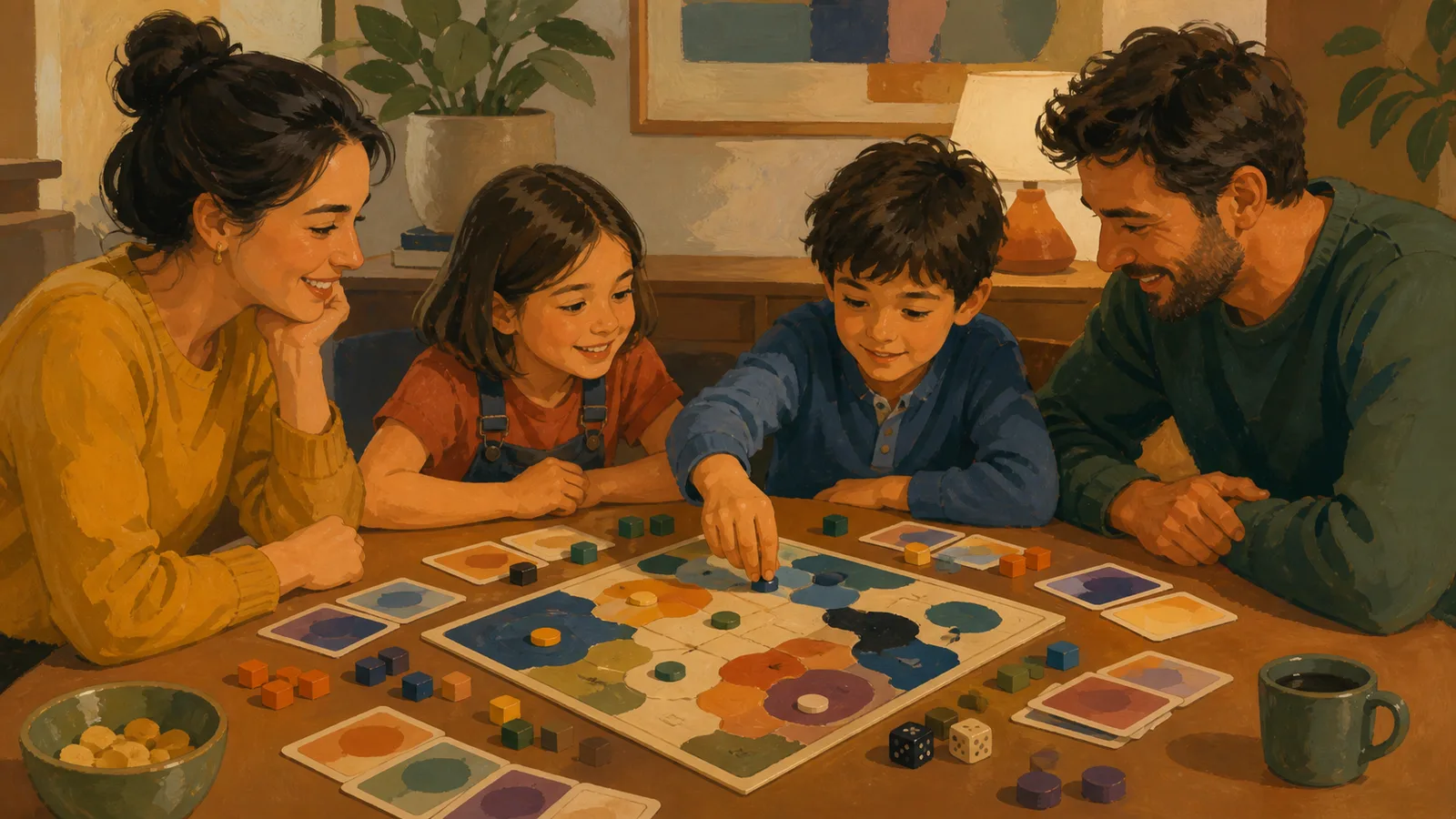
Understand what board games actually let children practice, how to choose a playable game for ages 8+, and where learning claims exceed the evidence.

Evaluate educational, STEM, Montessori, brain, language, and app-connected toy claims by matching each promise to evidence and real play actions.
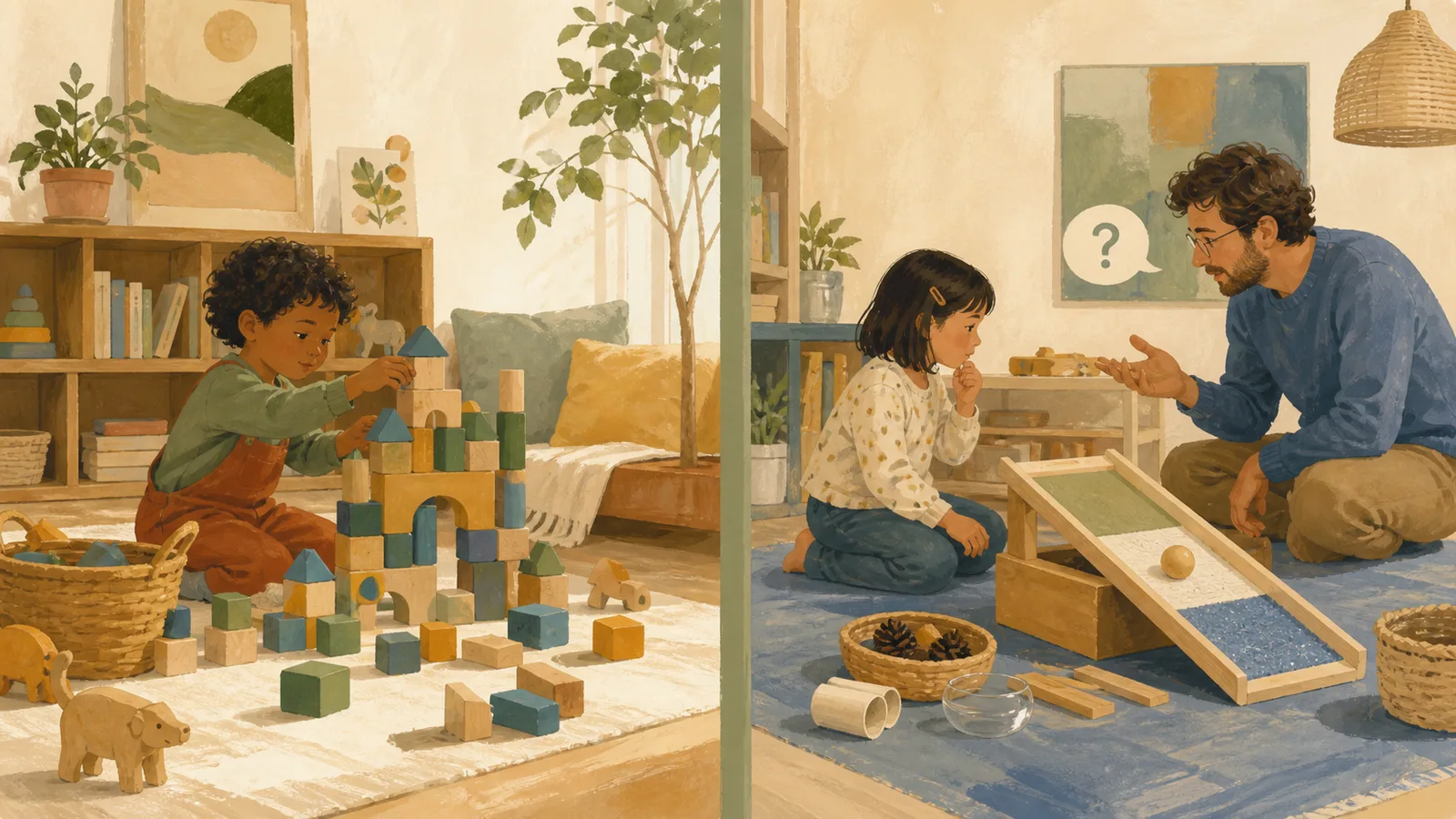
Compare child-led free play, guided play, and direct instruction with practical examples, decision points, and an honest reading of the evidence.

Set up a flexible toy clinic with animal patients, several meaningful roles, honest medical language, and clear boundaries around real supplies.
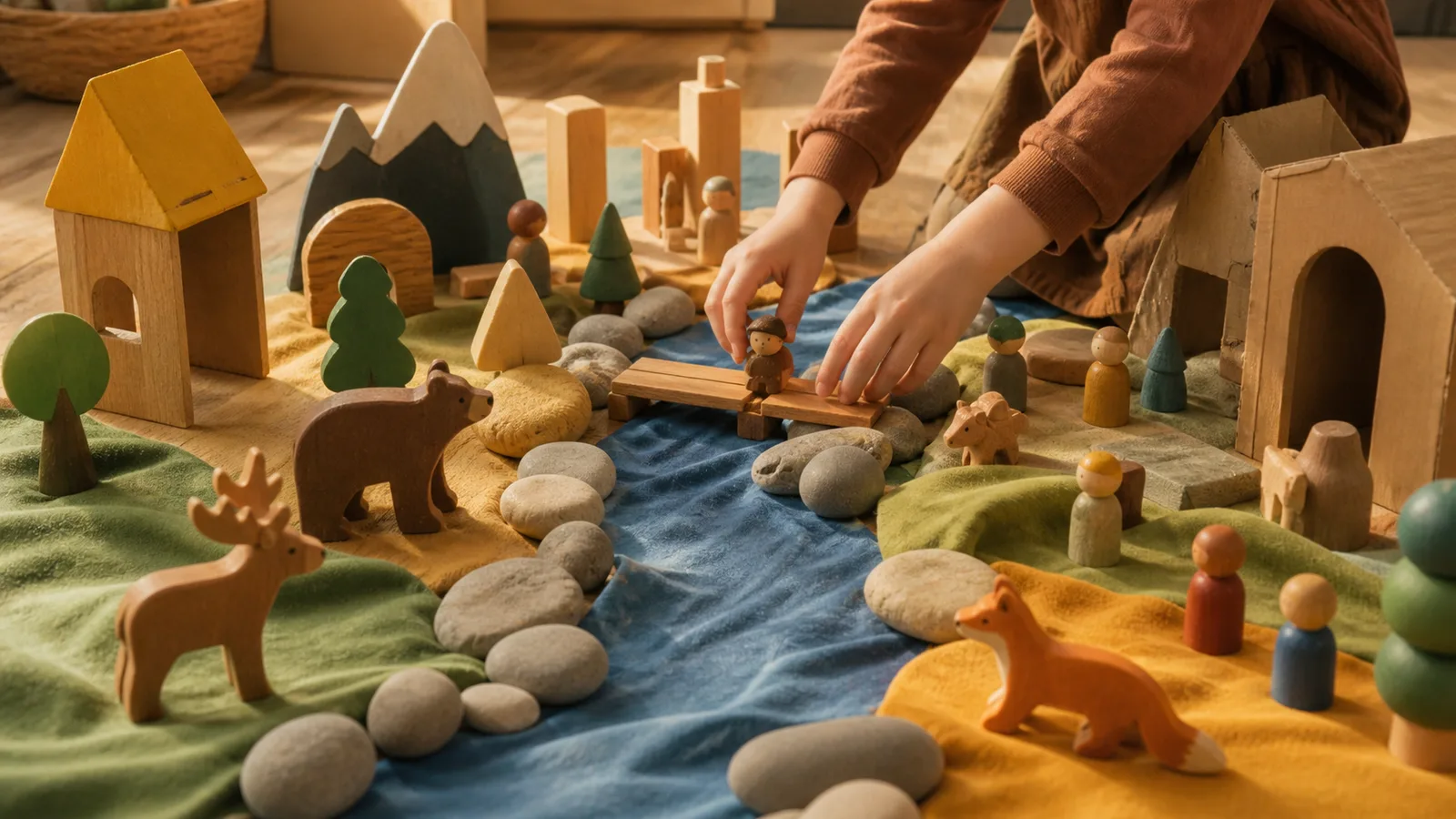
Build small worlds from a manageable cast, flexible terrain, and one story problem—with practical guidance on scale, storage, fillers, and safety.
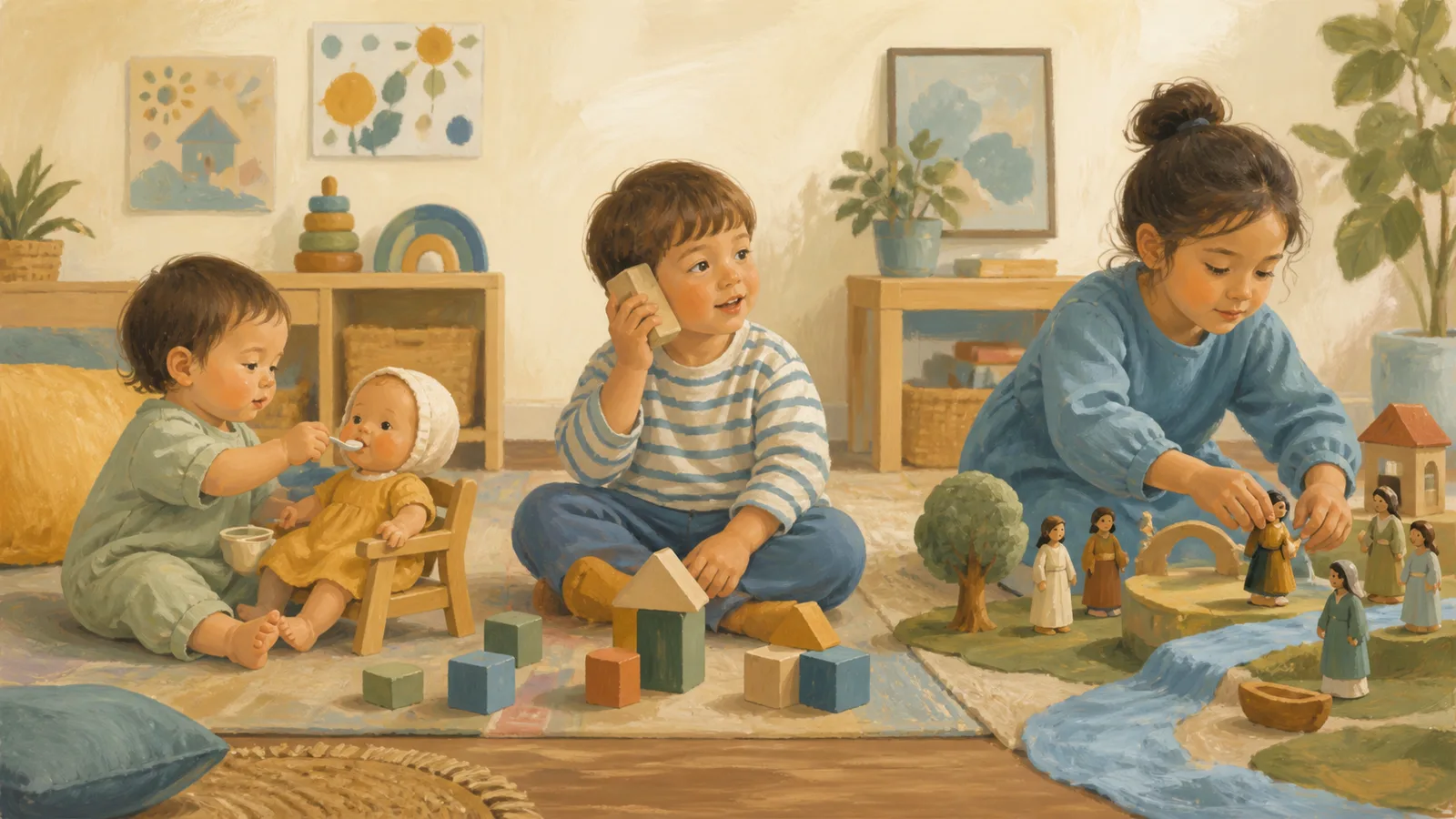
Recognize how pretend play changes through actions, object substitution, sequences, roles, planning, and shared stories—without a rigid age checklist.
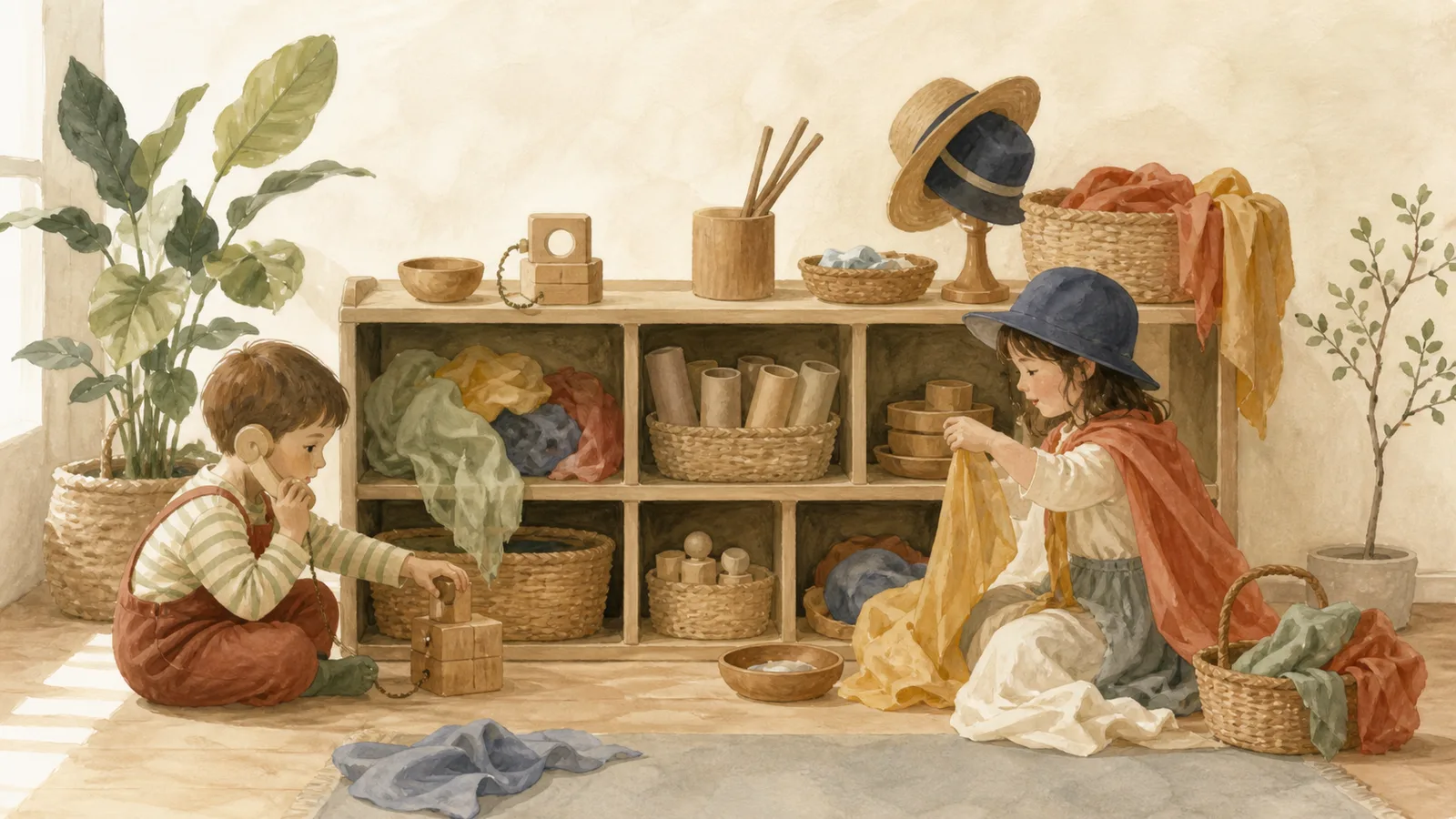
Build a compact, safer pretend-play collection with fabrics, containers, role markers, and simple objects that can change jobs as stories change.
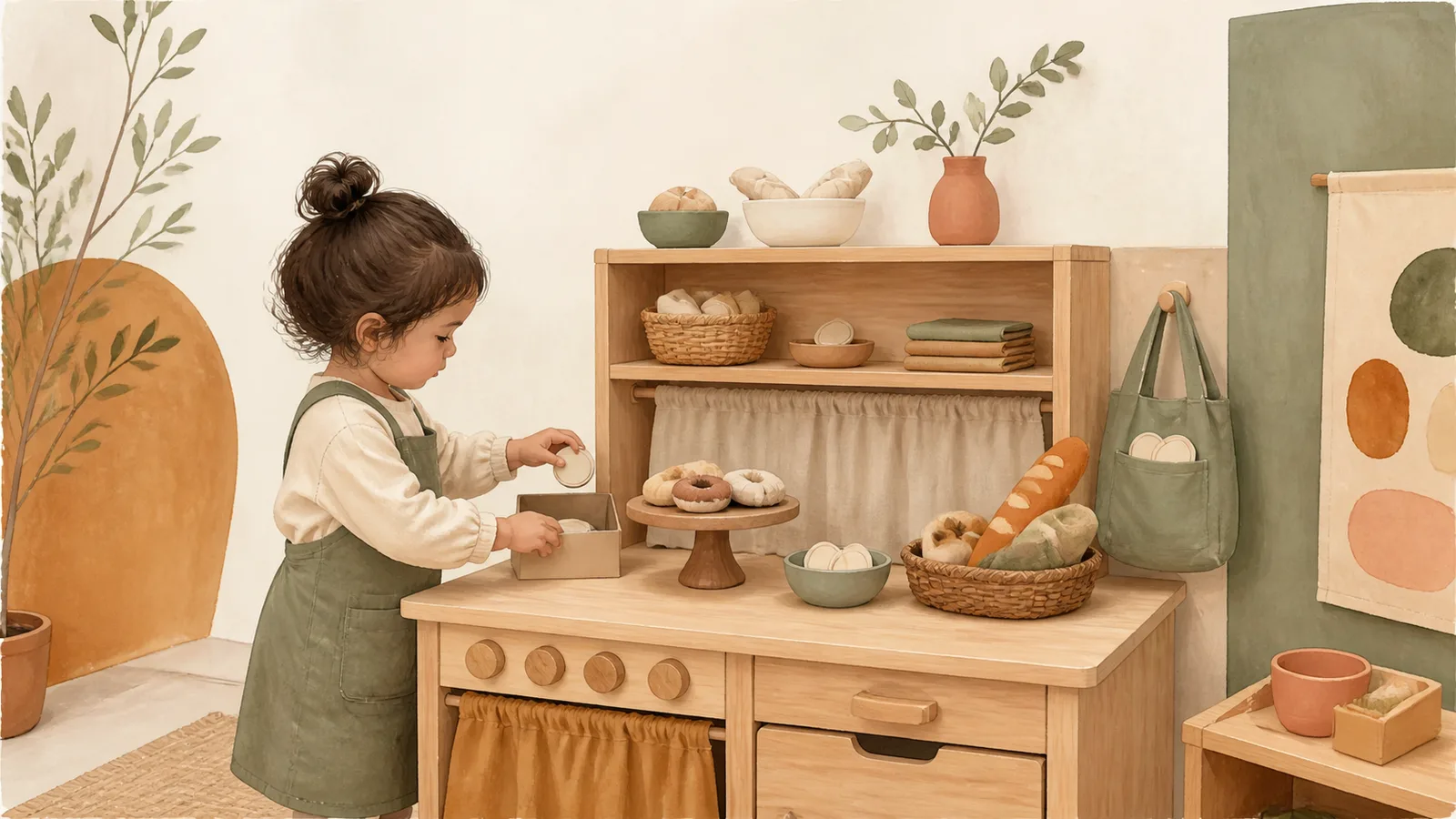
Refresh a play kitchen with low-prep jobs, small problems, and adaptable stories—without buying another bin of pretend food.
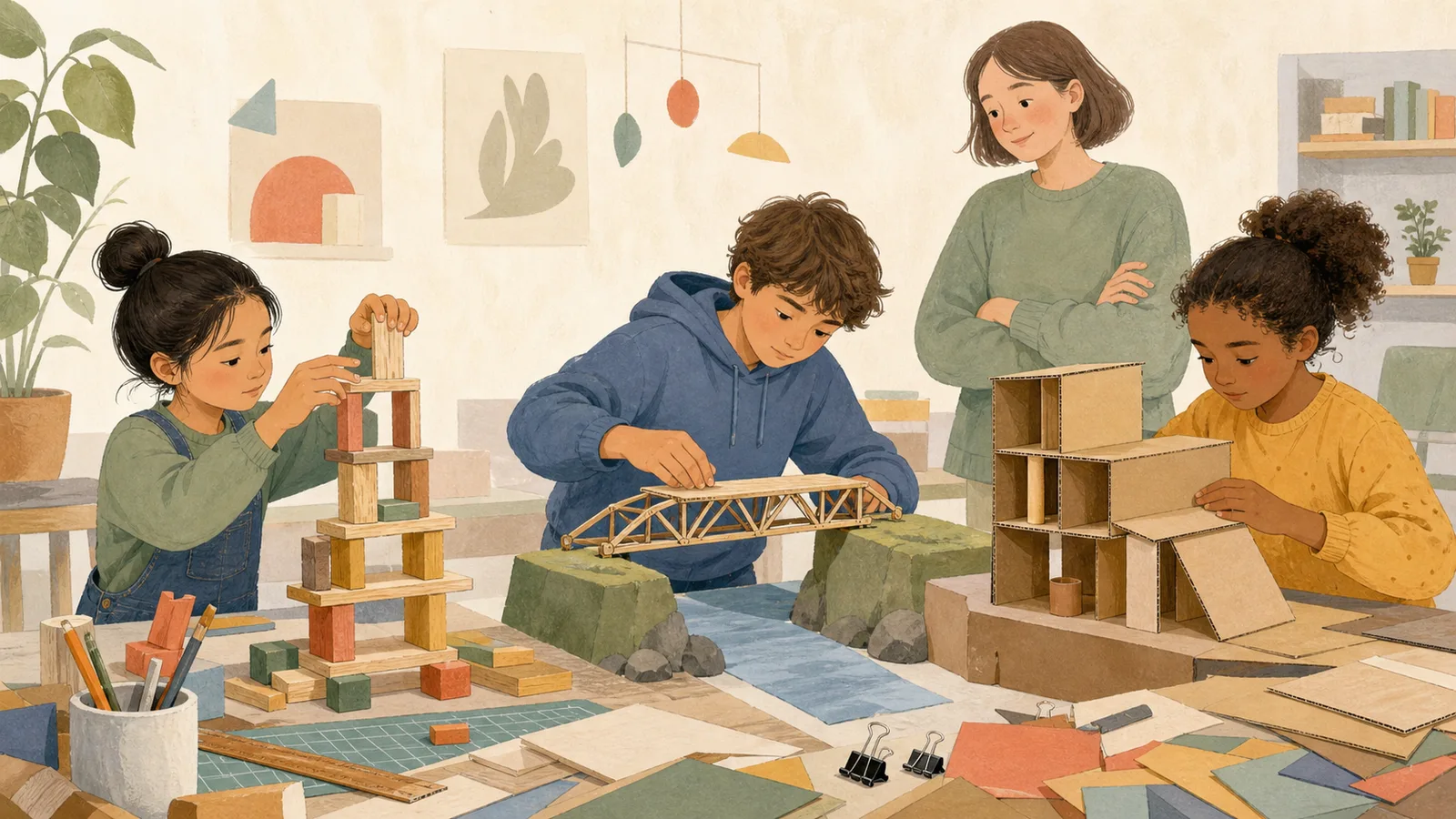
Scale construction play by changing materials, constraints, tests, and independence—from toddler stacking to older children’s structural design.
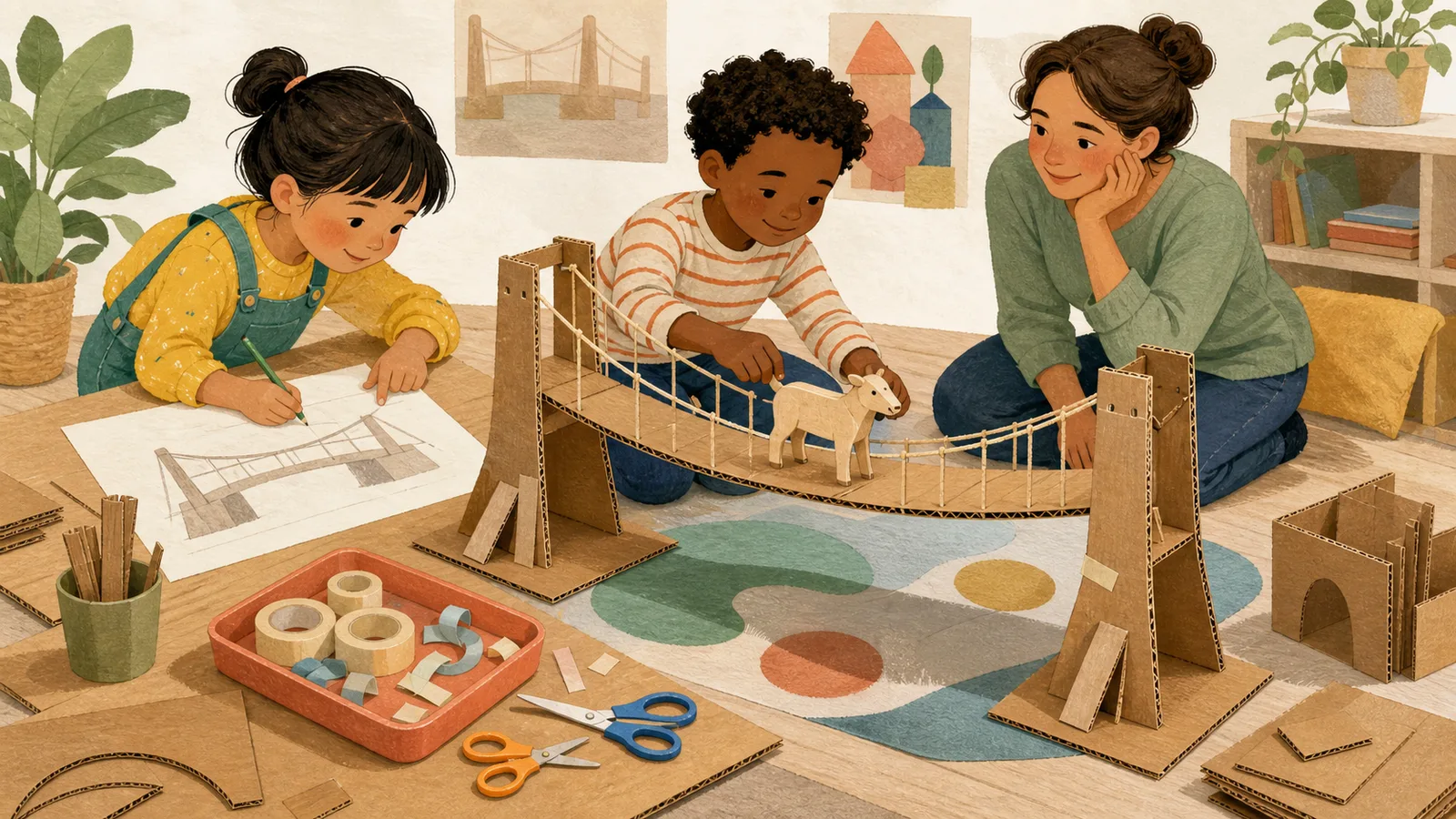
Six cardboard design problems for ages five to seven, with safer tool roles, useful constraints, simple tests, and room to rebuild.
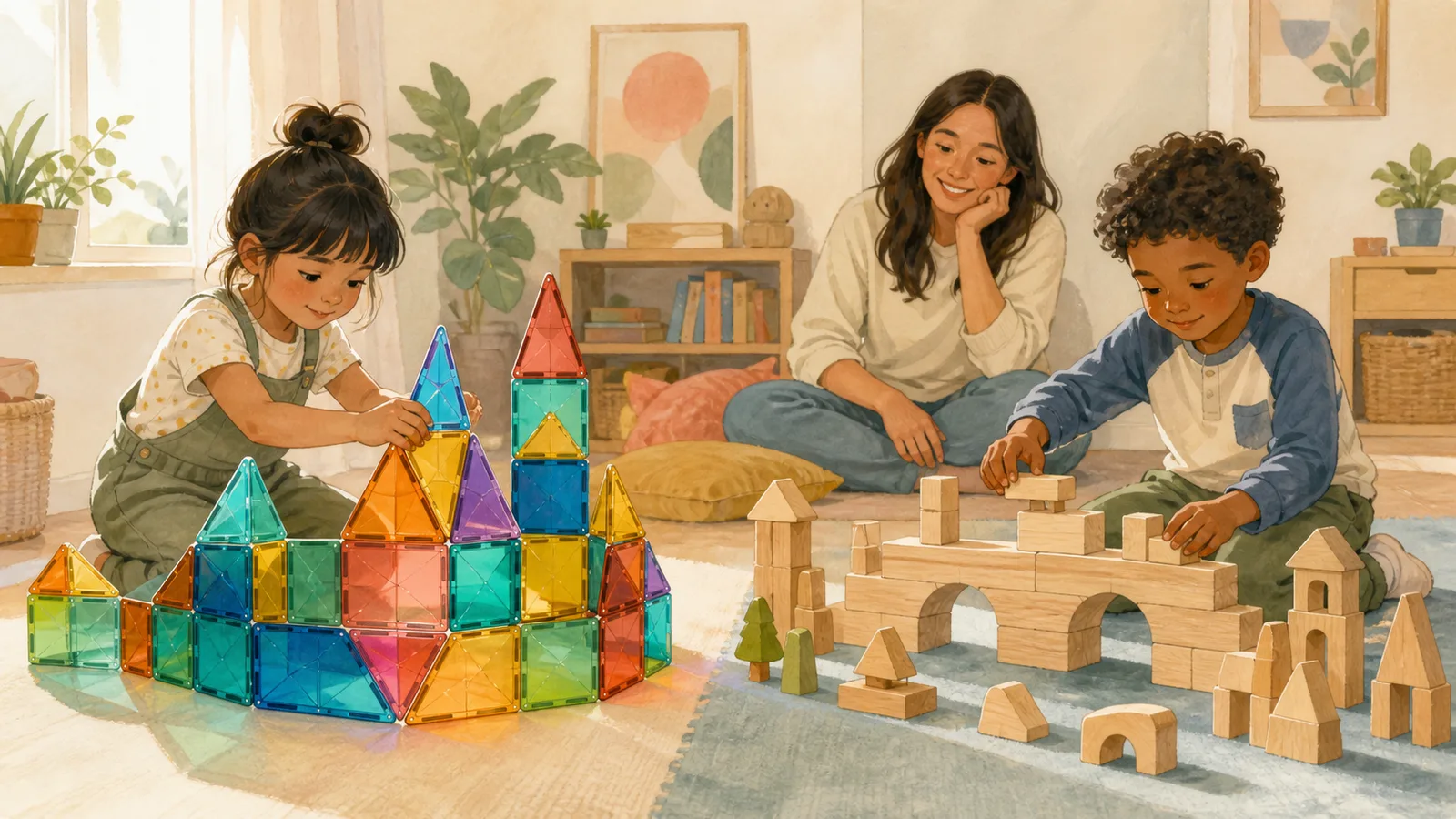
Compare magnetic tiles and wooden blocks by building behavior, safety, noise, space, storage, longevity, and the kind of frustration each creates.
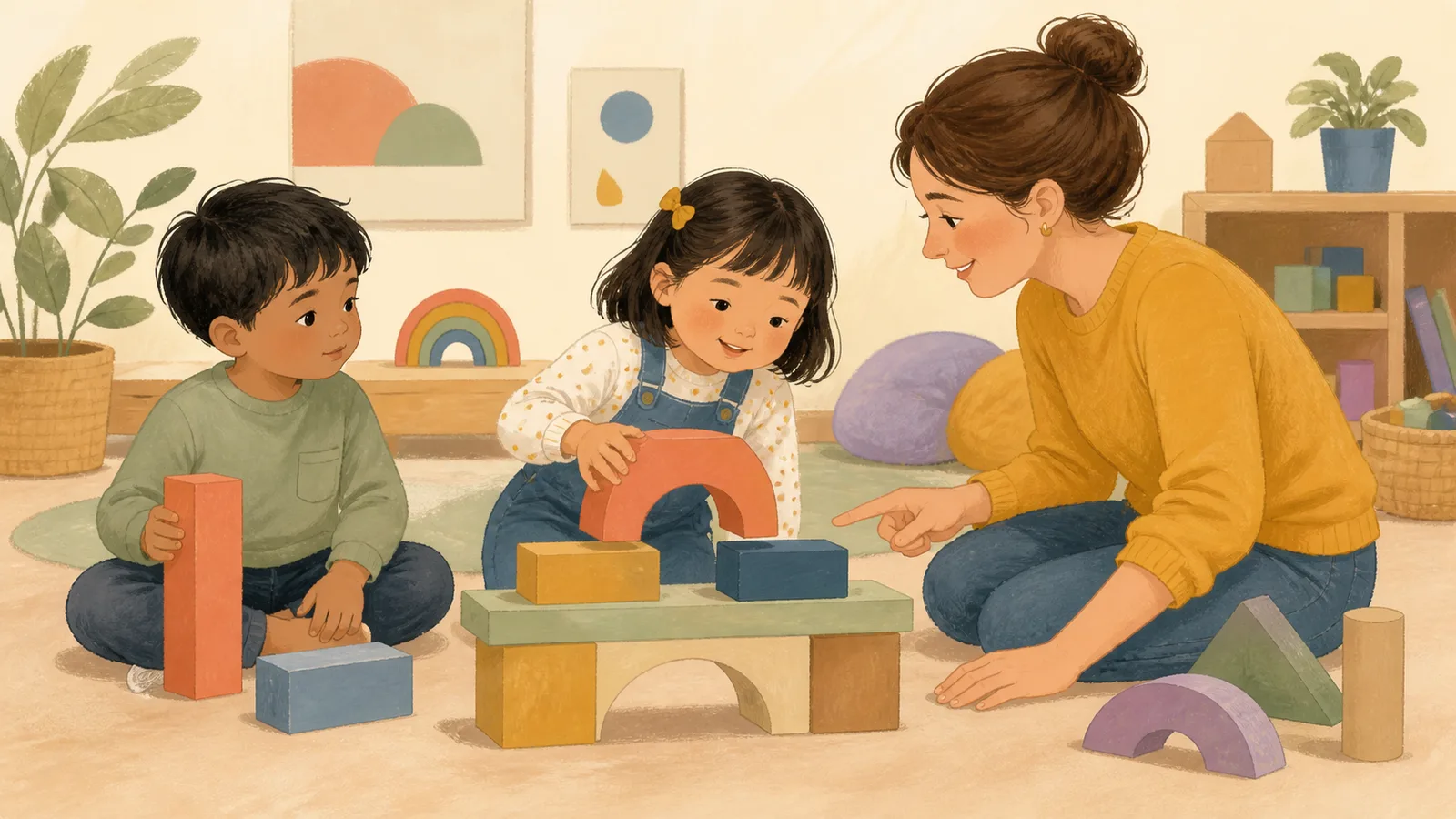
Use words such as under, beside, tall, curved, turn, and fit when they clarify what a child is already building—without testing every shape.
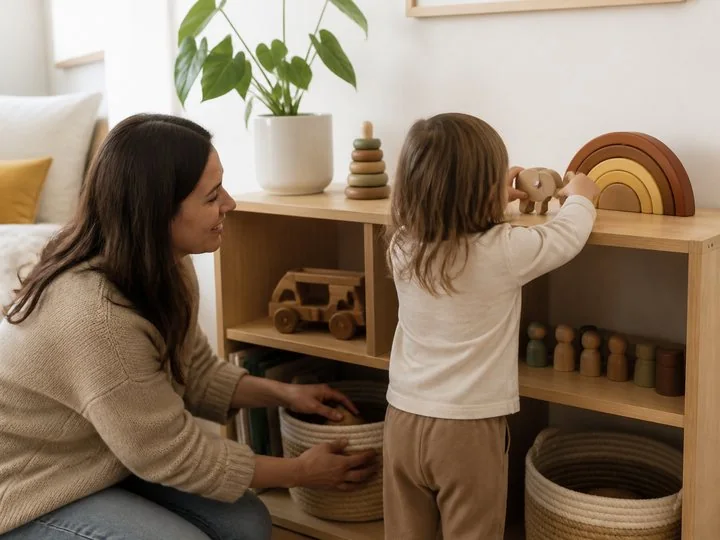
A practical toy rotation system for toddlers and preschoolers, including how many toys to offer, what to keep out, and what the research really shows.
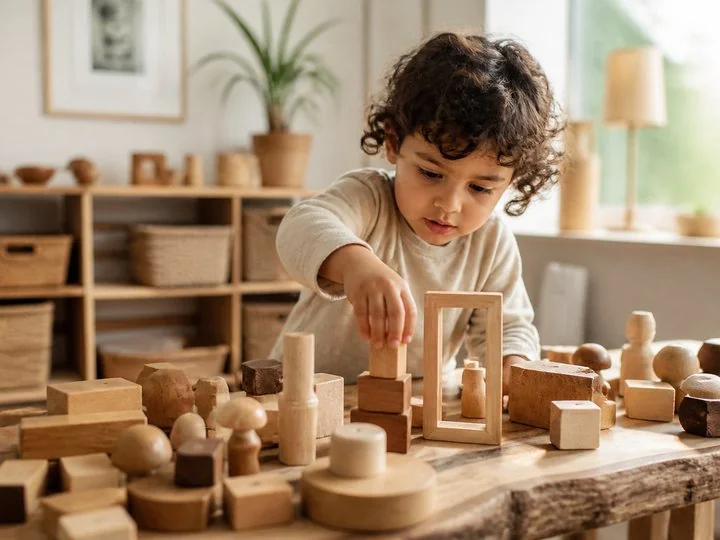
A research-aware guide to open-ended toys, with age-by-age examples, comparisons, evidence limits, and practical ways to support flexible play.
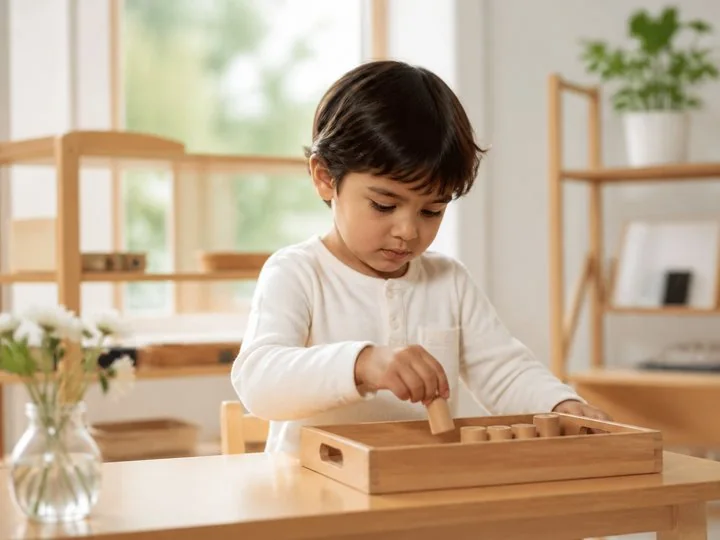
A practical, research-aware guide to helping toddlers and preschoolers begin and sustain play while keeping connection and realistic expectations at the center.
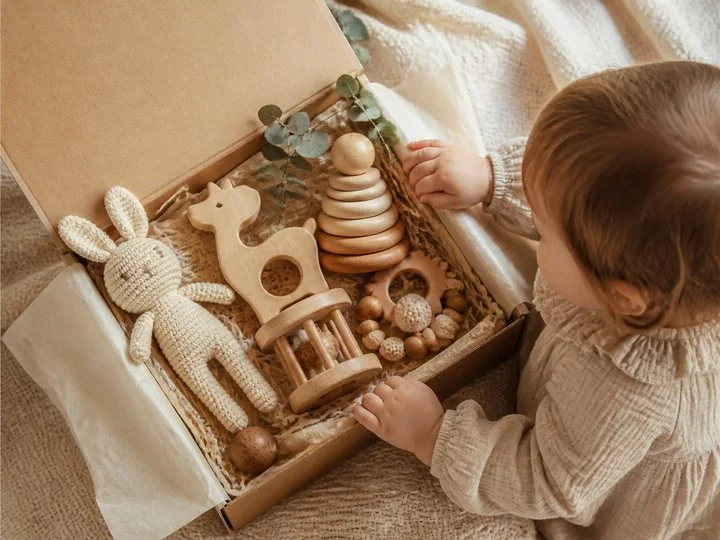
A calm framework for choosing lower-impact toy gifts, checking environmental claims, buying secondhand safely, and prioritizing long useful life.
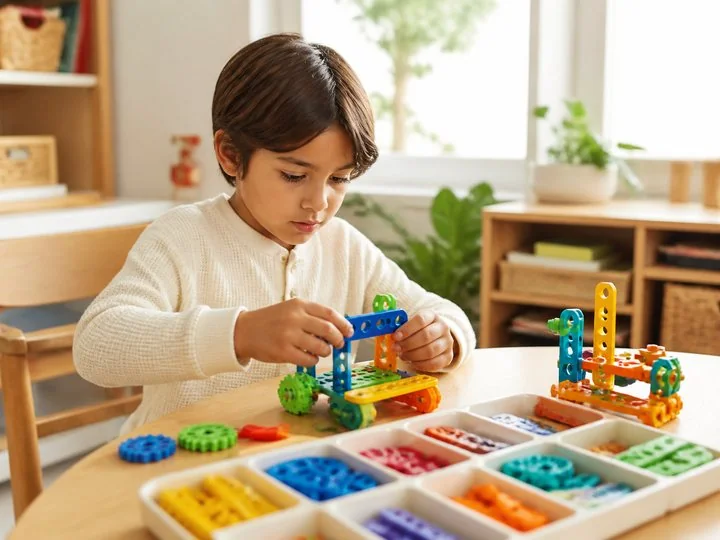
Low-prep STEAM challenges for preschoolers and school-age children, with age adaptations, useful questions, safety notes, and a simple design cycle.
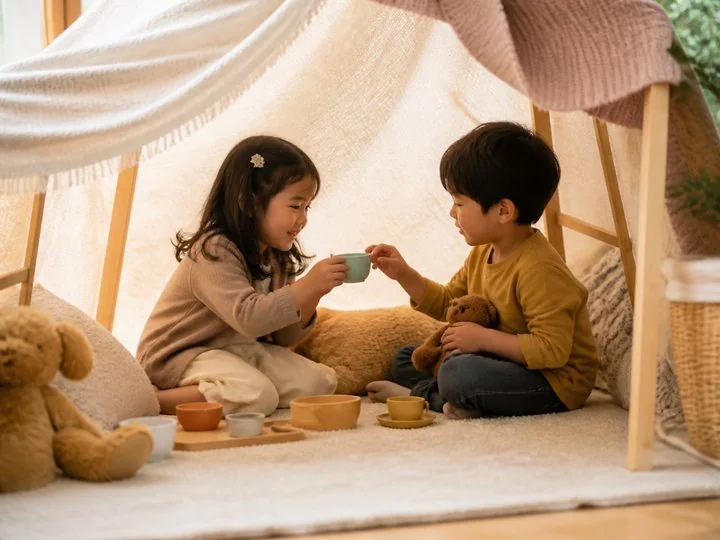
Flexible indoor pretend play ideas for toddlers through early school age, with simple setups, age adaptations, reluctant-player help, and realistic evidence notes.
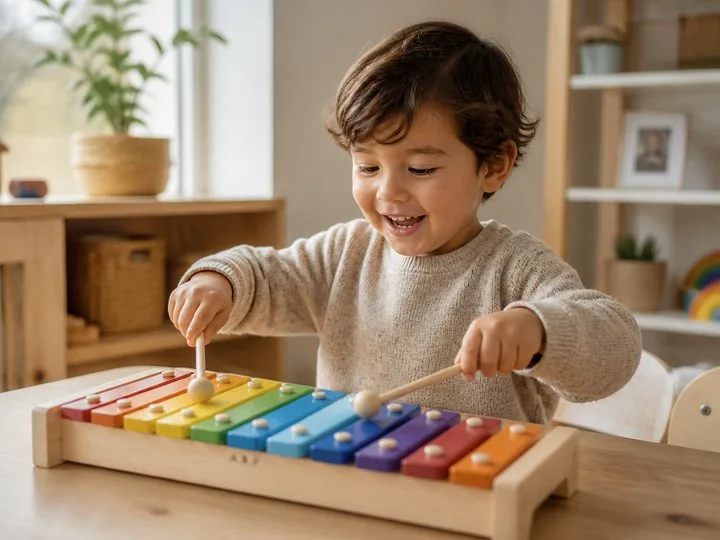
Playful preschool music activities for rhythm, listening, movement, and making, with low-noise adaptations and evidence-aware hearing guidance.

Practical outdoor play ideas for heat, rain, cold, and ordinary days, with a simple weather check, urban alternatives, and evidence-aware safety guidance.
Helpful context
Offer an accessible set of familiar materials, protect a little uninterrupted time, and avoid stepping in before help is requested.
No. Children can explore rich STEAM ideas through building, nature, art, movement, and everyday household materials.