Learn · Learning Through Play
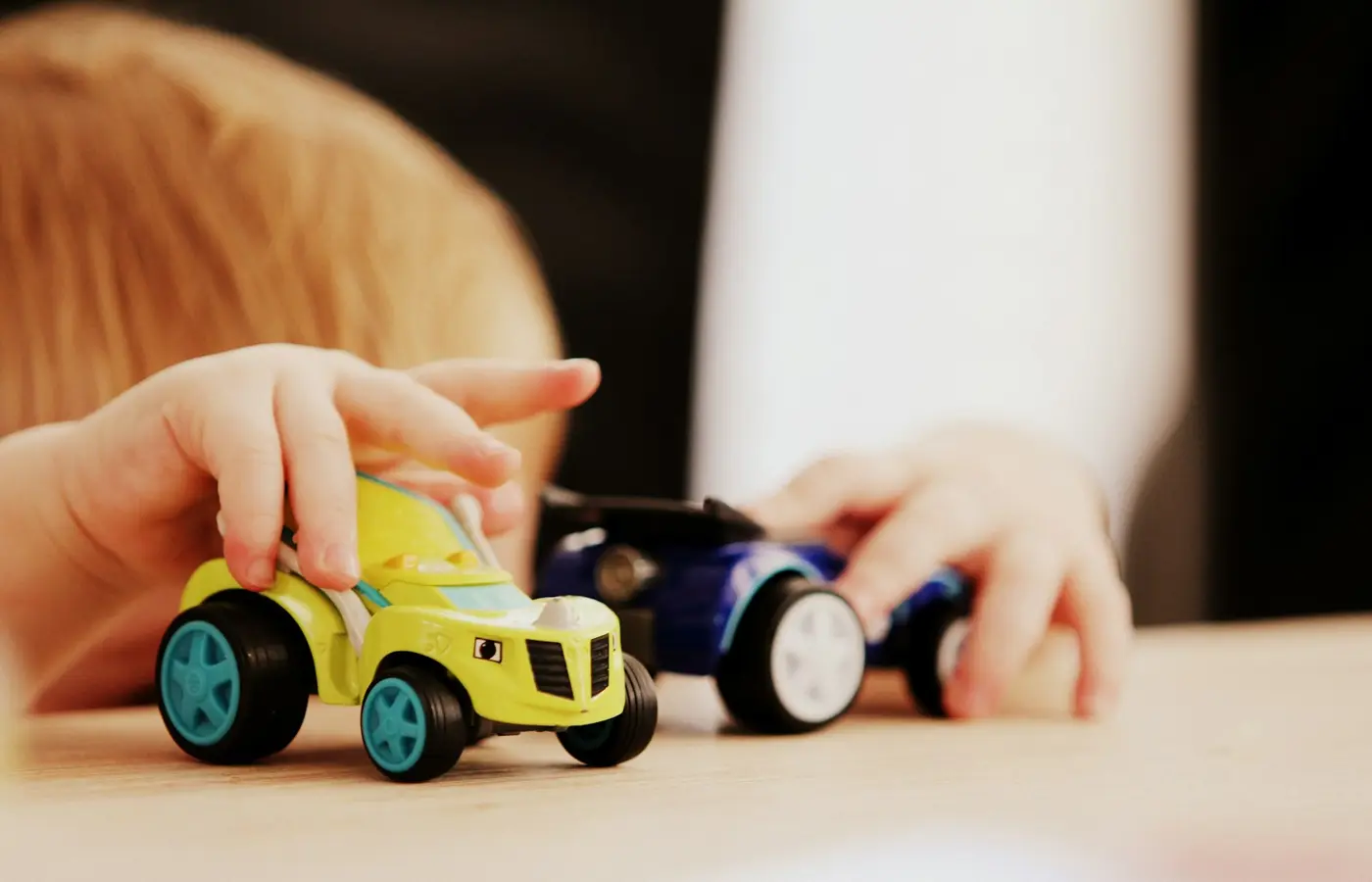
When a Child Lines Up Toys: Ways to Join, Extend, or Leave the Play Alone
A calm guide to responding when a child lines up toys, with ideas for observing, joining gently, and keeping play safe.
Curiosity grows here
LWT translates useful developmental ideas into practical, pressure-free ways to support play at home. No worksheets required.
25 editorial stories
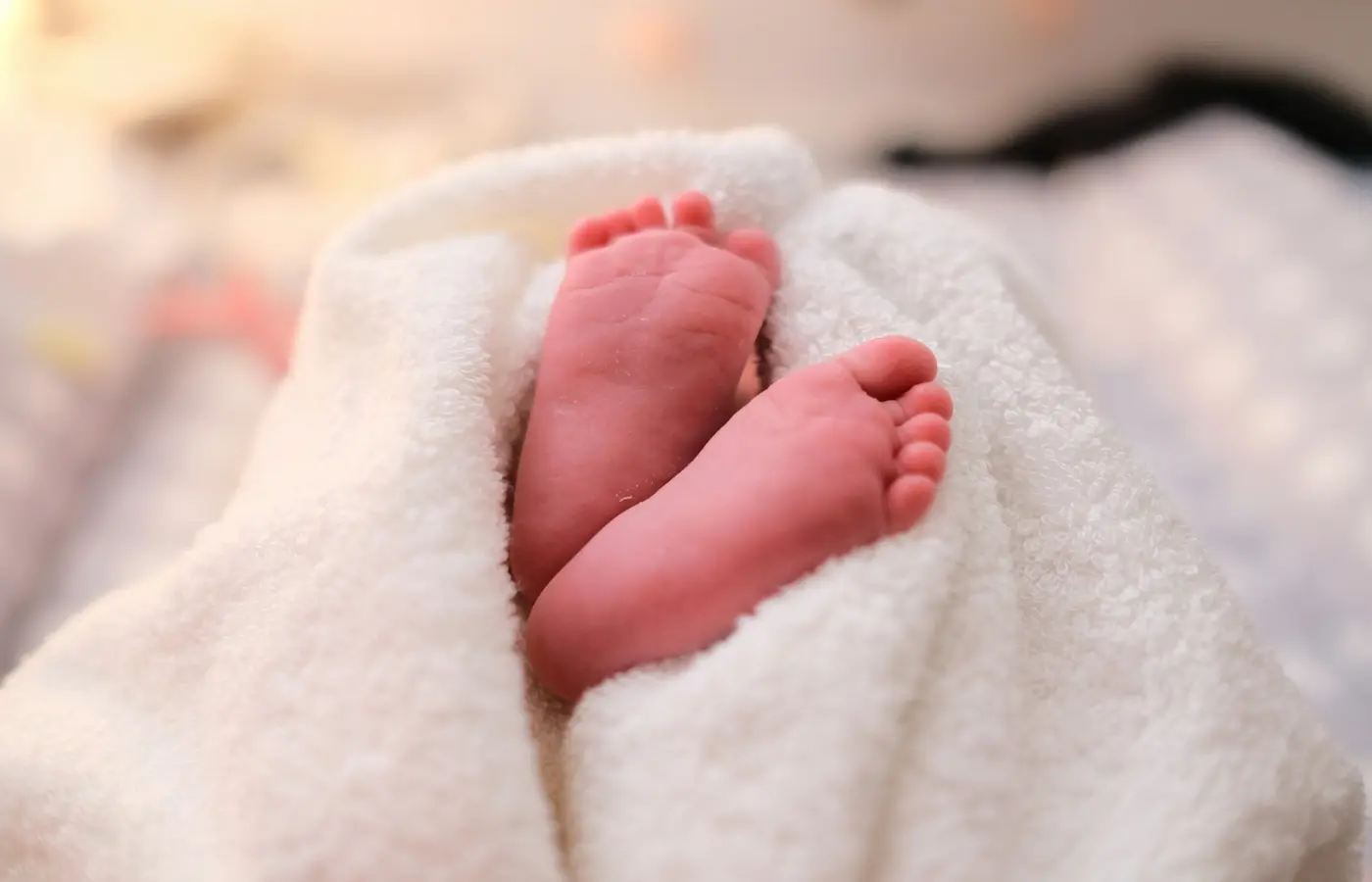
A practical guide to choosing safer newborn toys by checking age guidance, construction, setup, damage, and supervised awake use.

Water beads expand after contact with liquid and can cause serious harm if swallowed, inhaled, or inserted. Here is how to make a practical household decision.
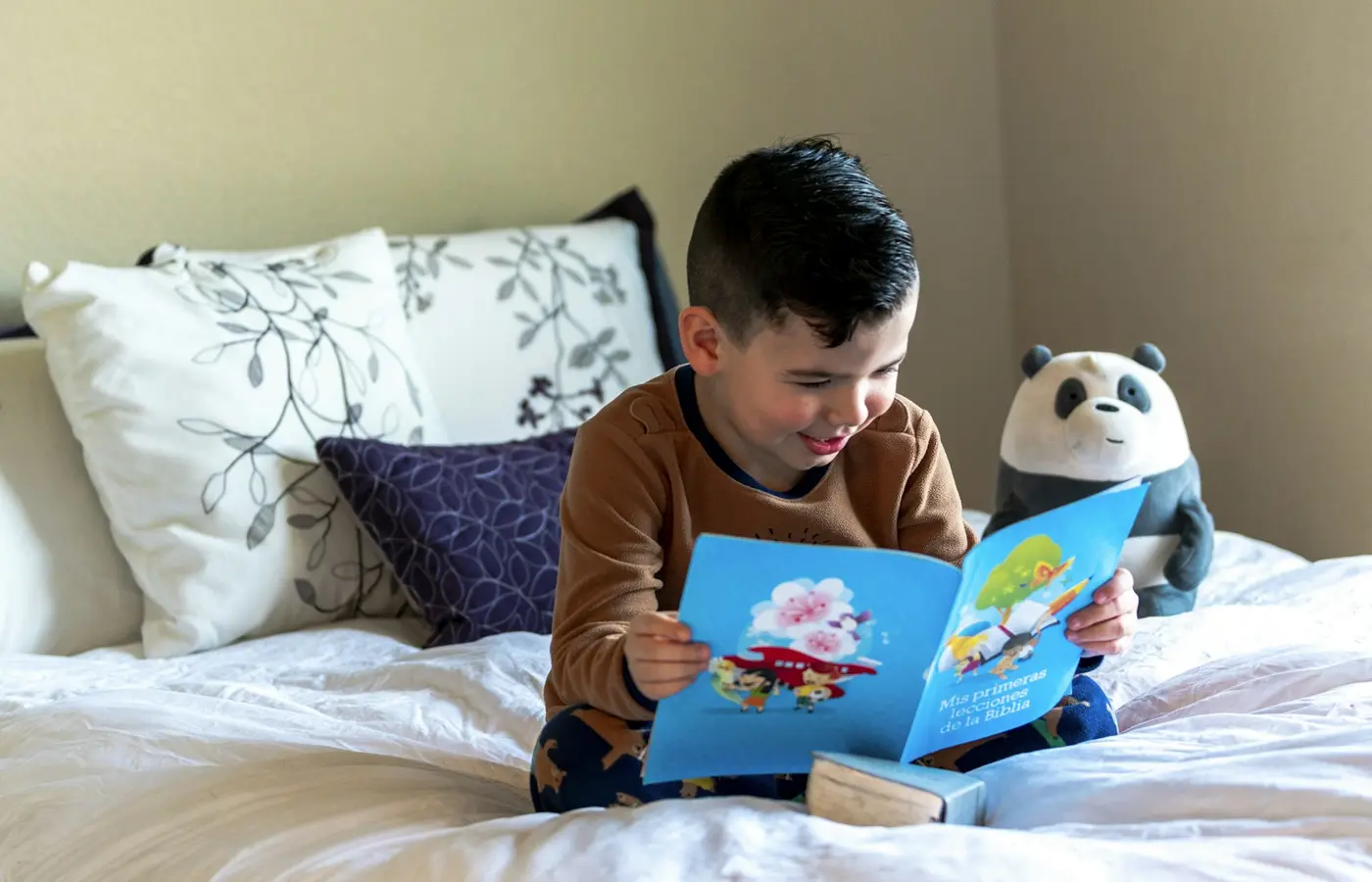
Learn how to read toy age grades, specific safety warnings, and instructions without treating the label as a prediction of interest or independence.
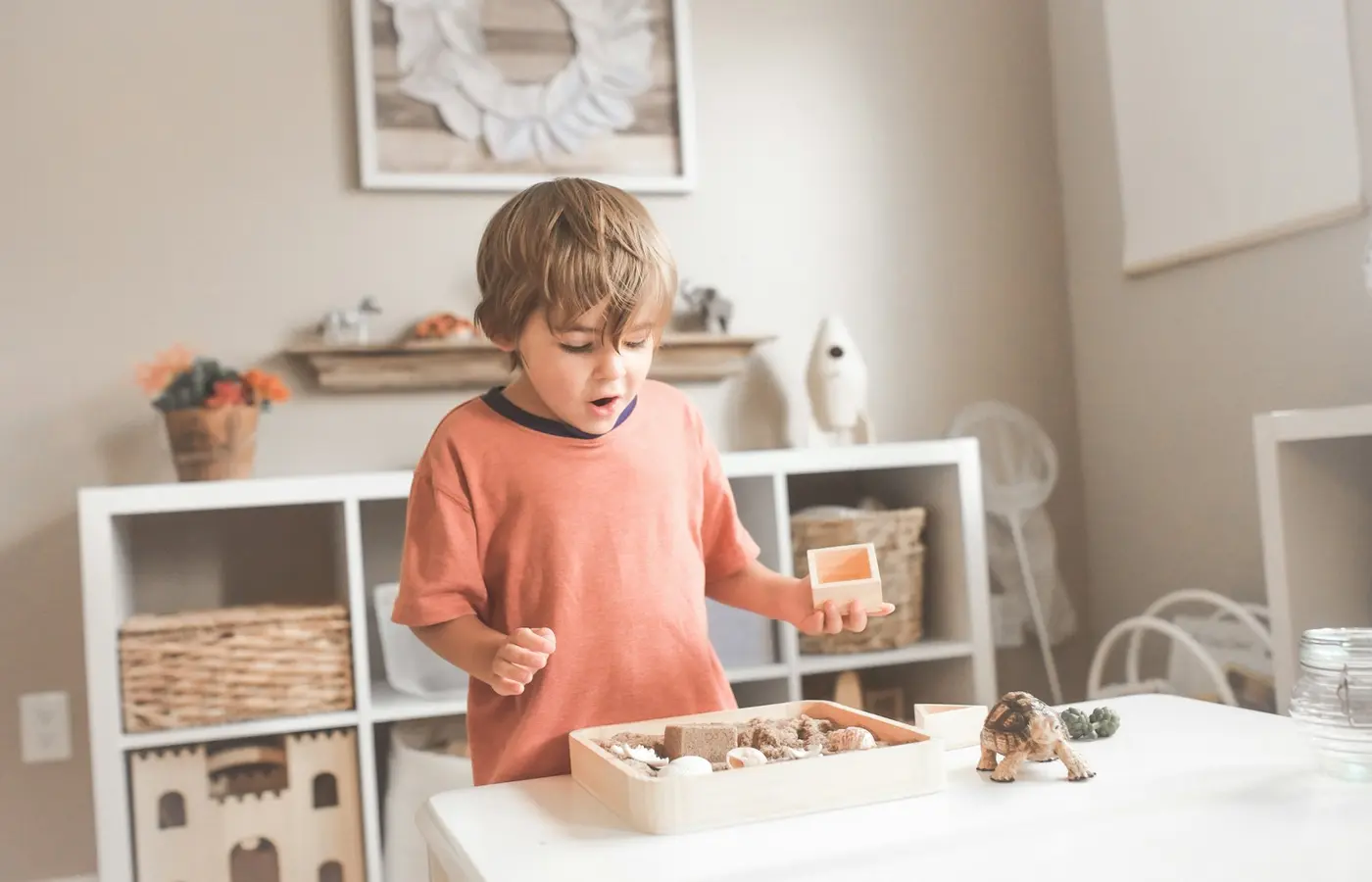
Use observation, a safety check, and simple setup changes to decide whether to extend, store, pass on, or replace an ignored toy.
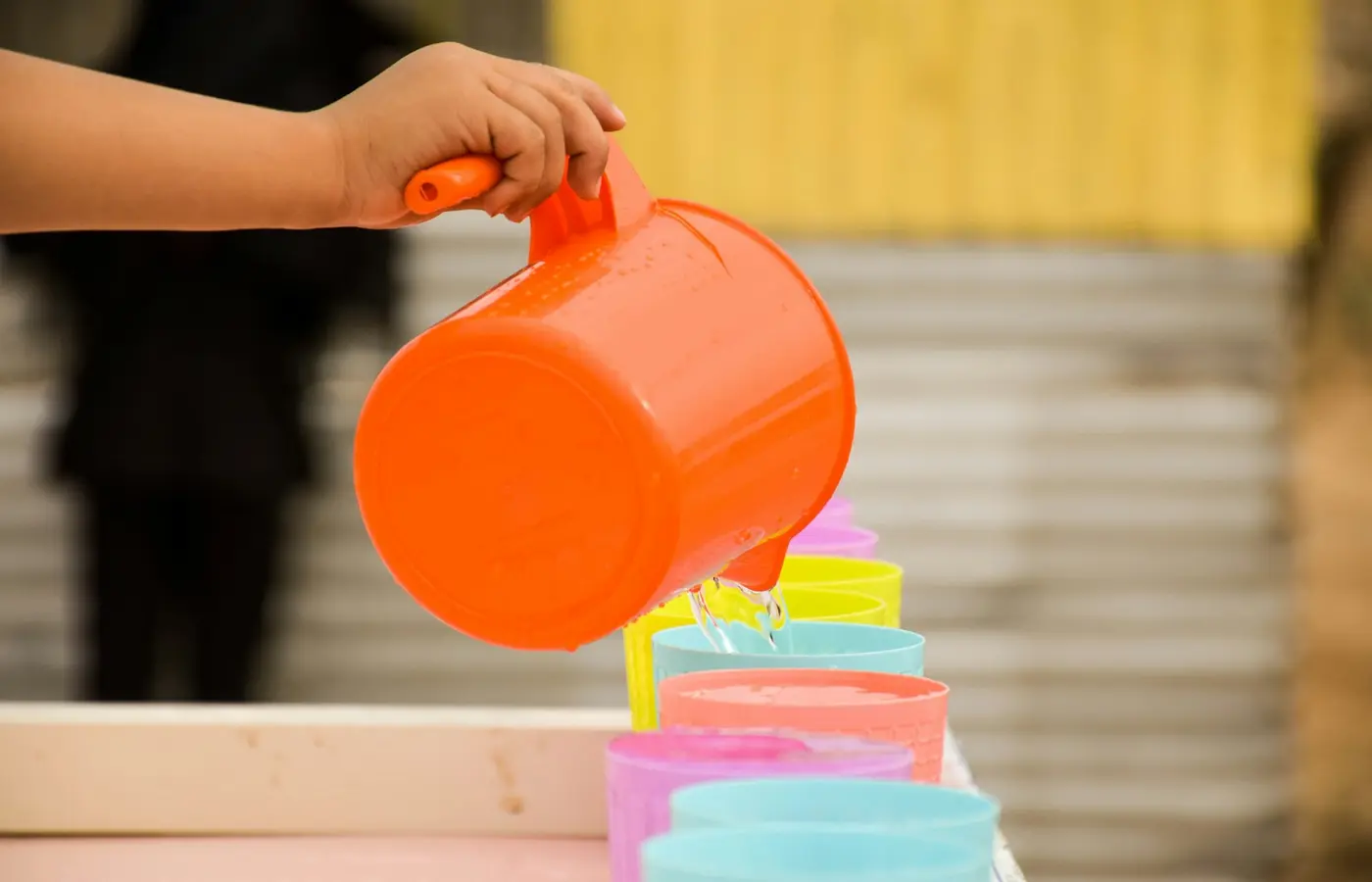
Water beads can expand after swallowing and block a child’s intestine. Learn why supervision is not enough and what to offer instead.
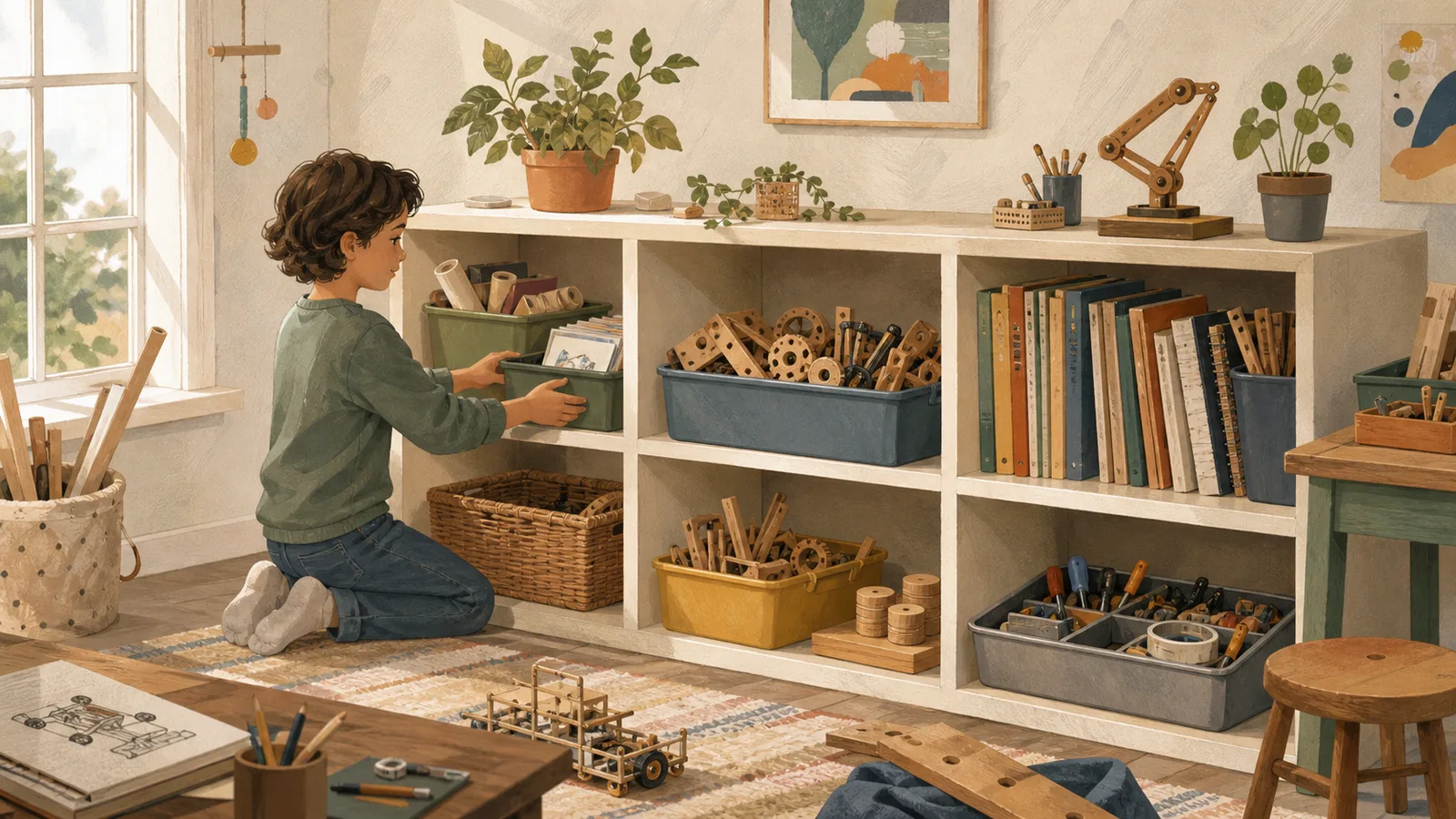
Diagnose “toy boredom” by changing play form, social context, challenge, choice load, energy, or access before buying more—and know when broader concerns matter.

Build an after-school transition around food, movement, quiet, connection, or making—without diagnosing ordinary behavior or forcing immediate conversation.
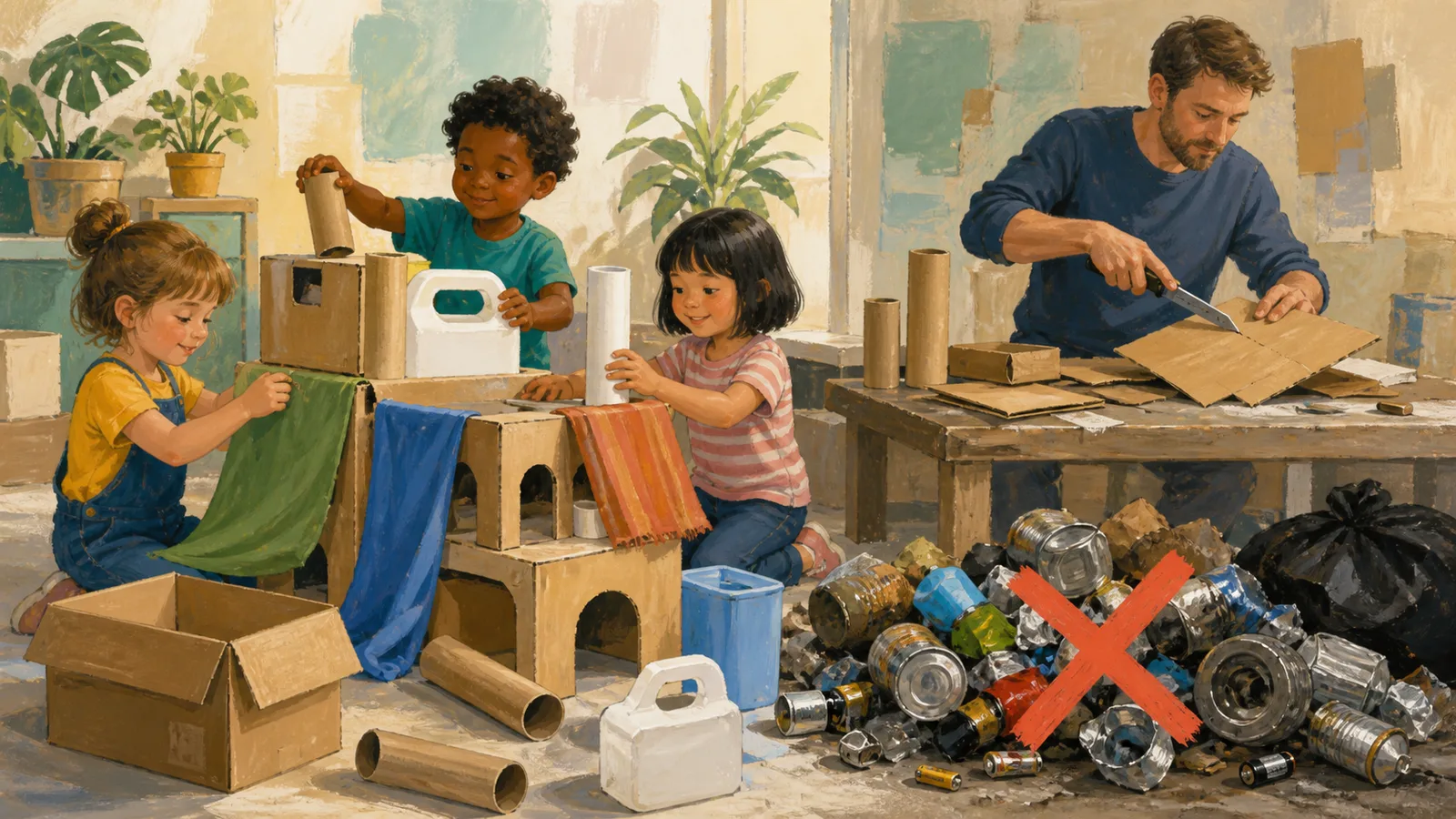
Build a safer recycled-material maker bin by screening packaging for residue, staples, sharp edges, coatings, cords, small parts, batteries, and magnets.
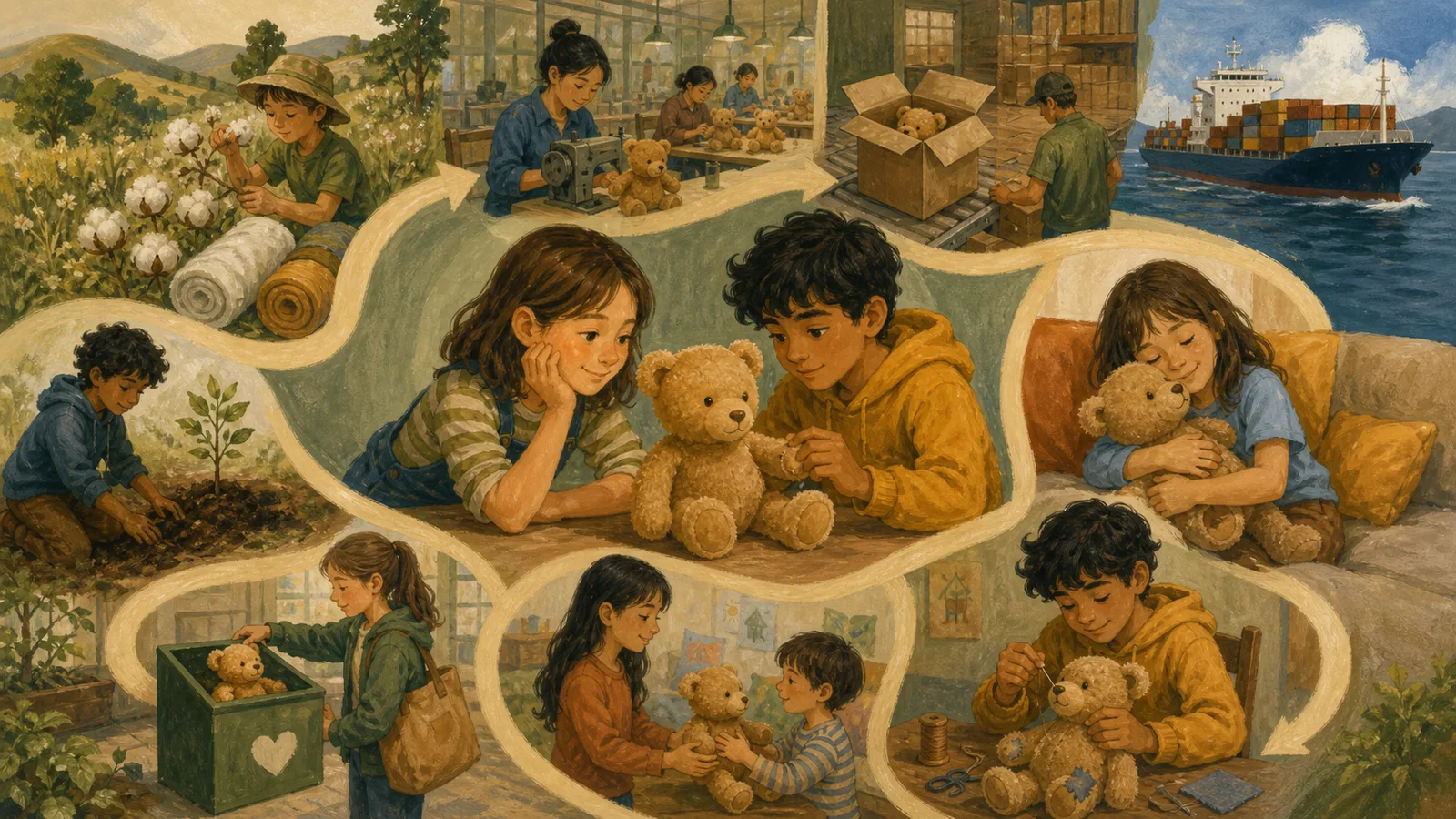
Trace a toy through materials, manufacturing, packaging, transport, play, repair, reuse, and end of life while learning which sustainability questions need evidence.
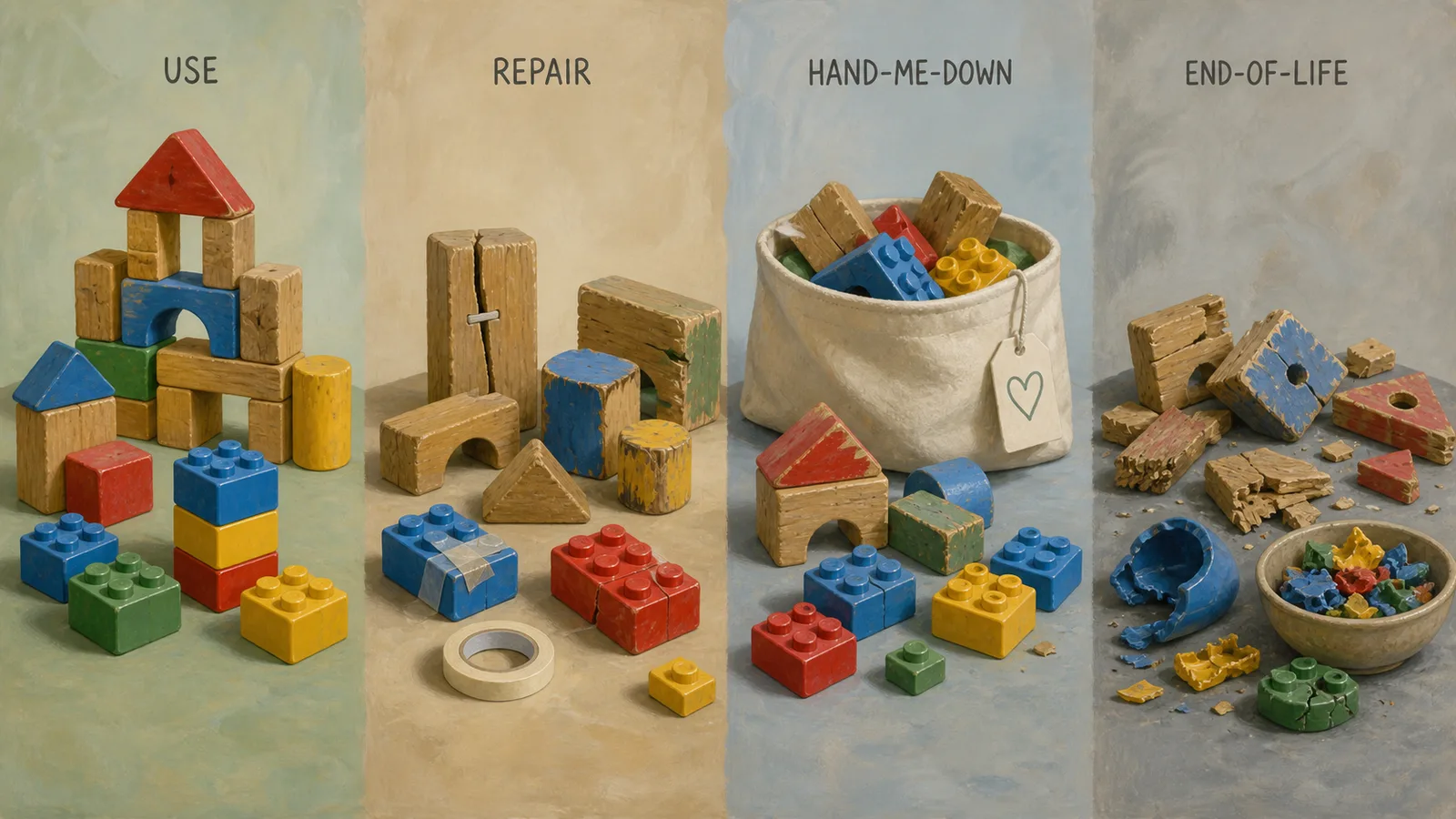
Compare wooden and plastic toys by design, weight, cleanability, coatings, durability, repair, transport, reuse, and end of life rather than material stereotypes.

Understand risky play without romanticizing danger: distinguish visible challenge from hidden hazard, tune consequences, and know when adults should intervene.

Decide between private lessons, group music, and more informal exploration by checking interest, communication, physical fit, repetition, logistics, and teacher fit.
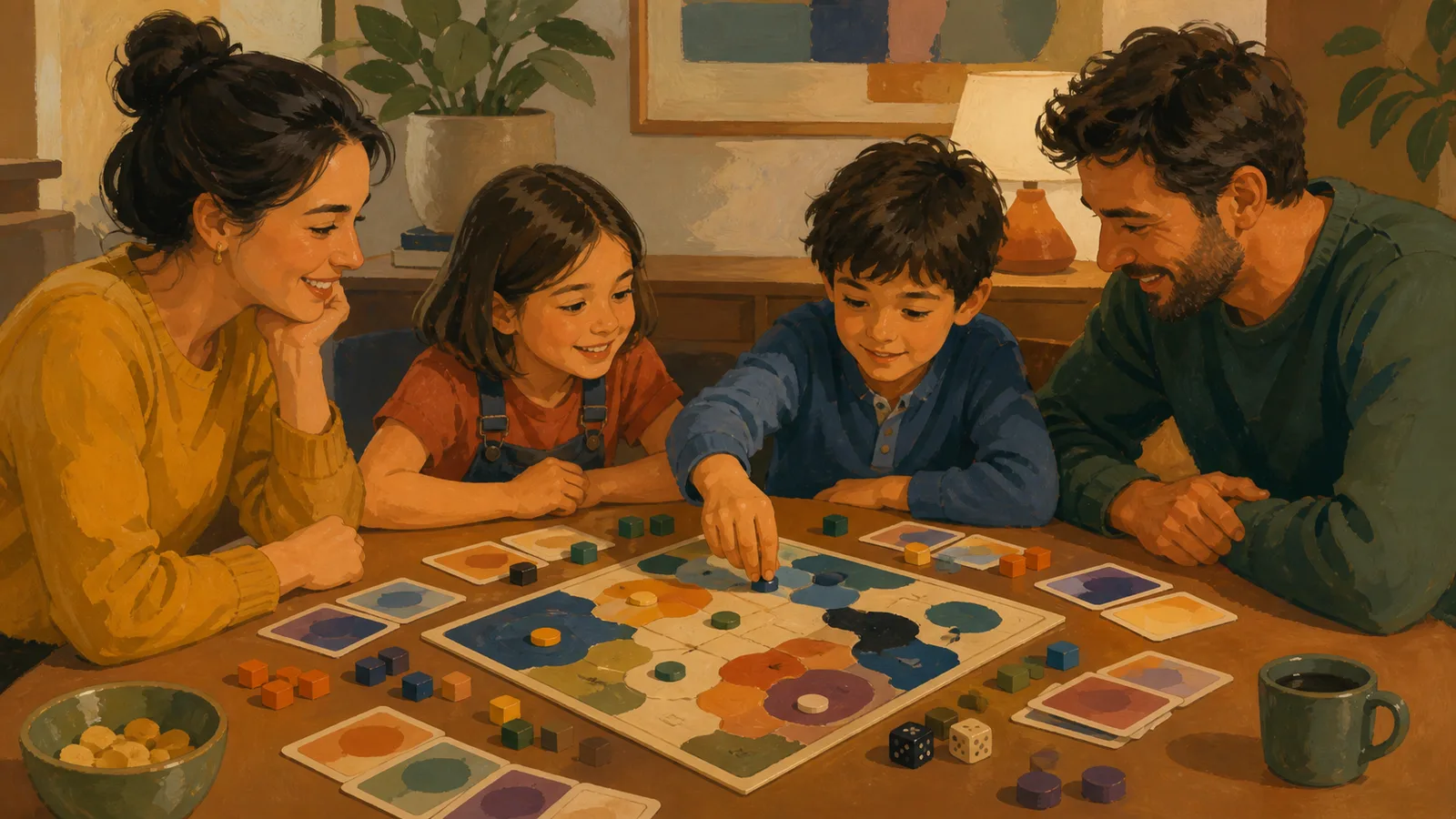
Understand what board games actually let children practice, how to choose a playable game for ages 8+, and where learning claims exceed the evidence.
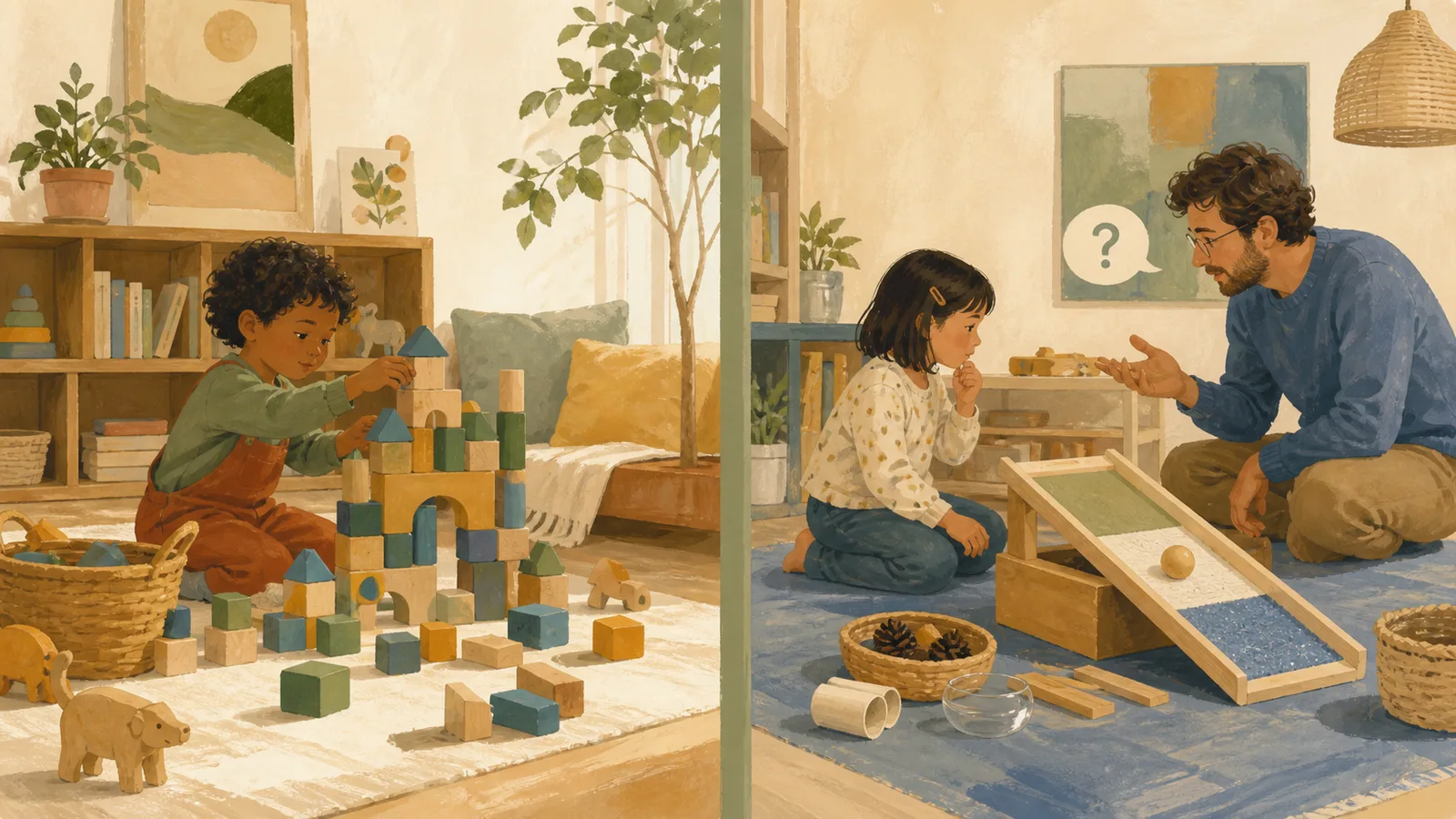
Compare child-led free play, guided play, and direct instruction with practical examples, decision points, and an honest reading of the evidence.
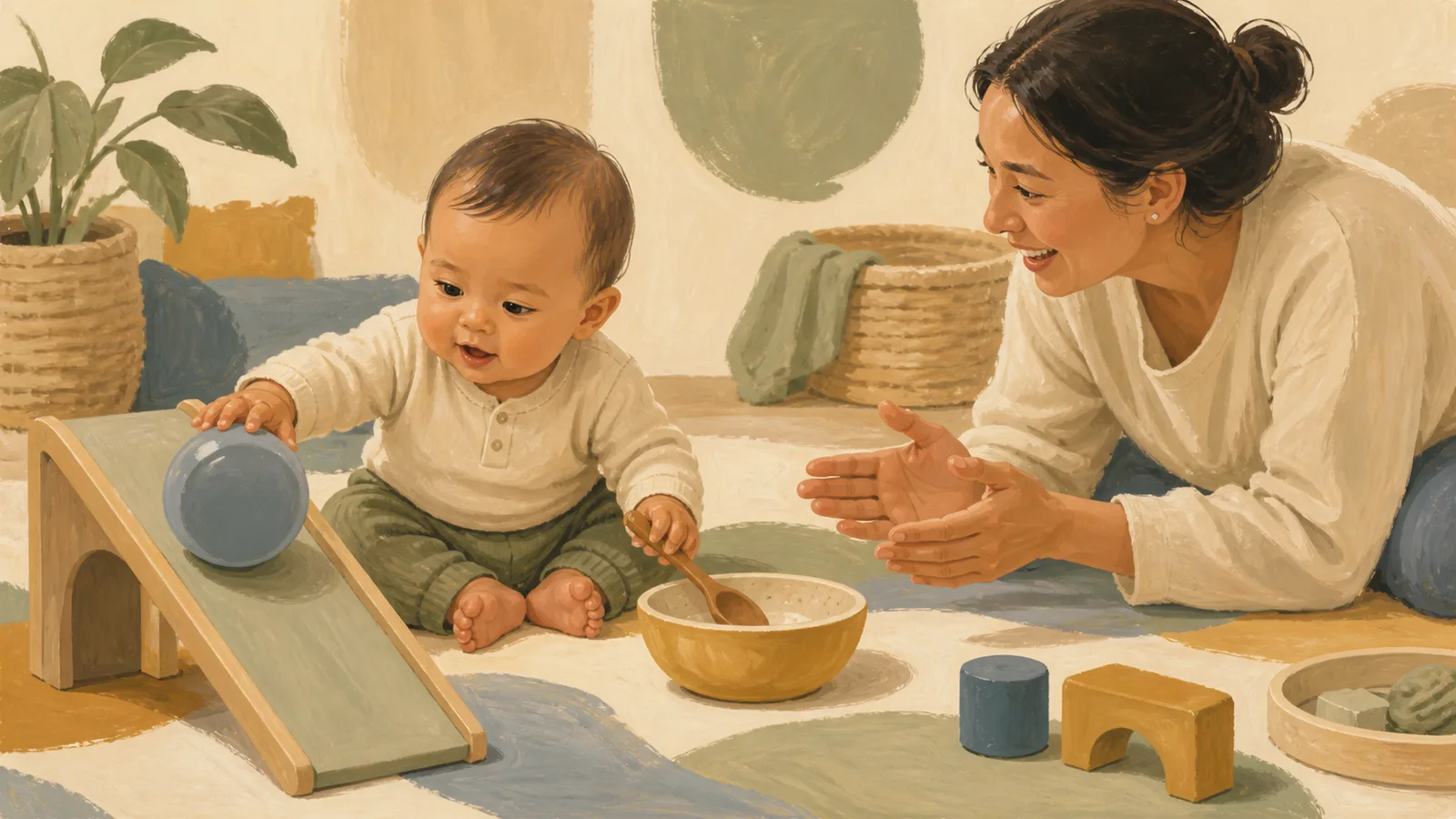
See how babies discover action and response through people, movement, sound, dropping, rolling, and simple toys—without needing a bank of flashing buttons.
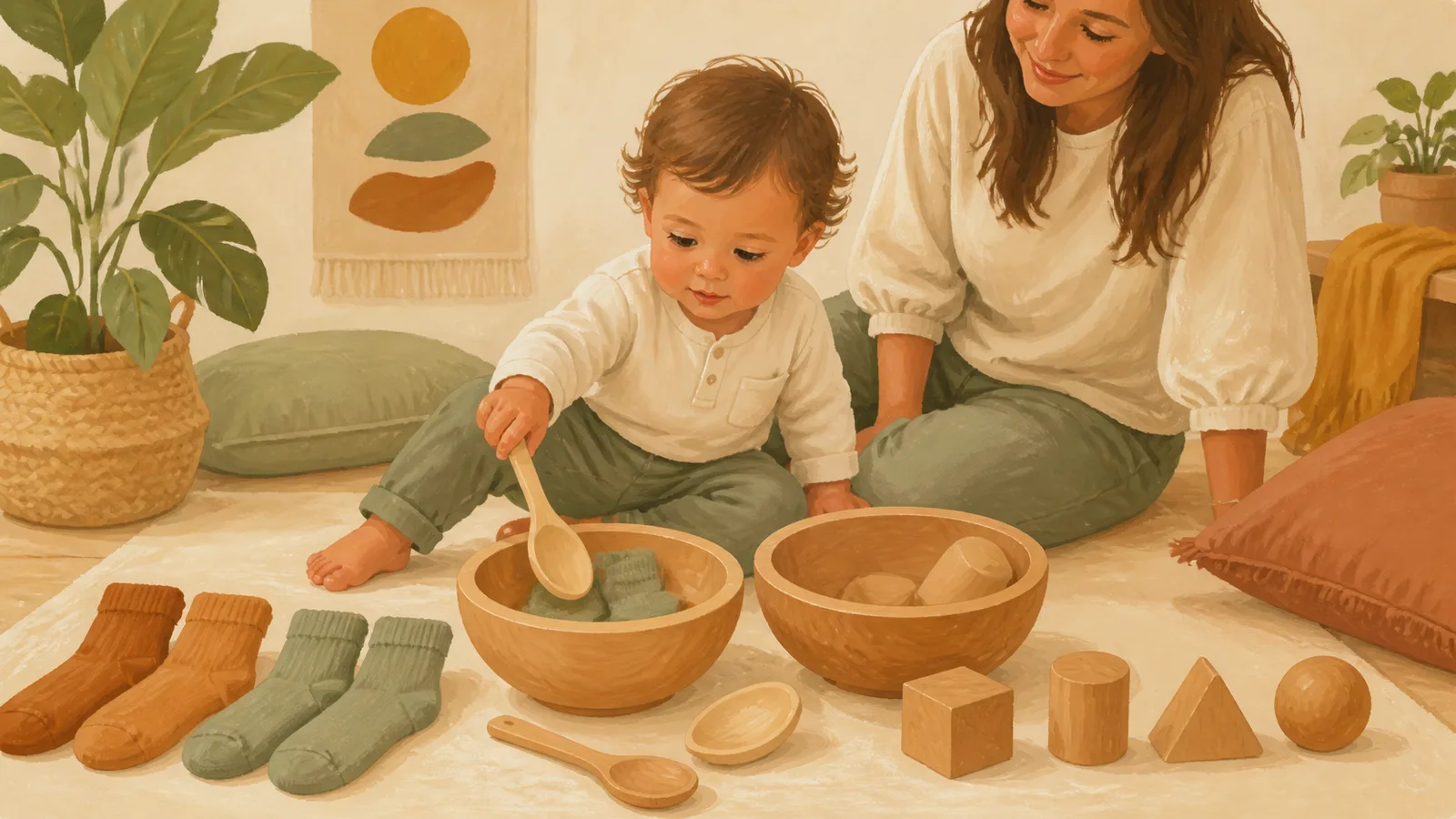
Make matching and sorting manageable from 12–24 months by separating visual, language, memory, and motor demands—and starting with obvious real objects.
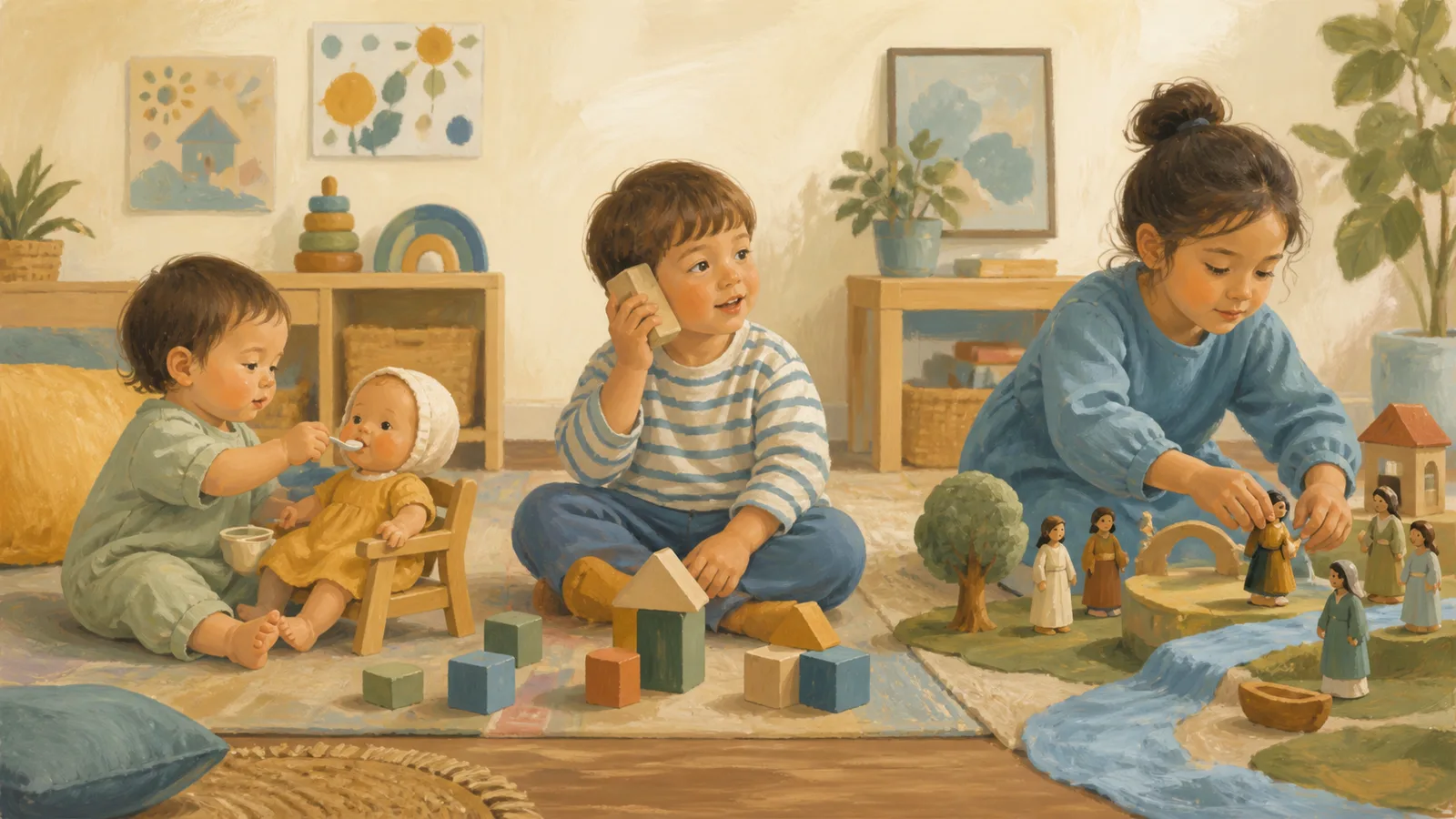
Recognize how pretend play changes through actions, object substitution, sequences, roles, planning, and shared stories—without a rigid age checklist.
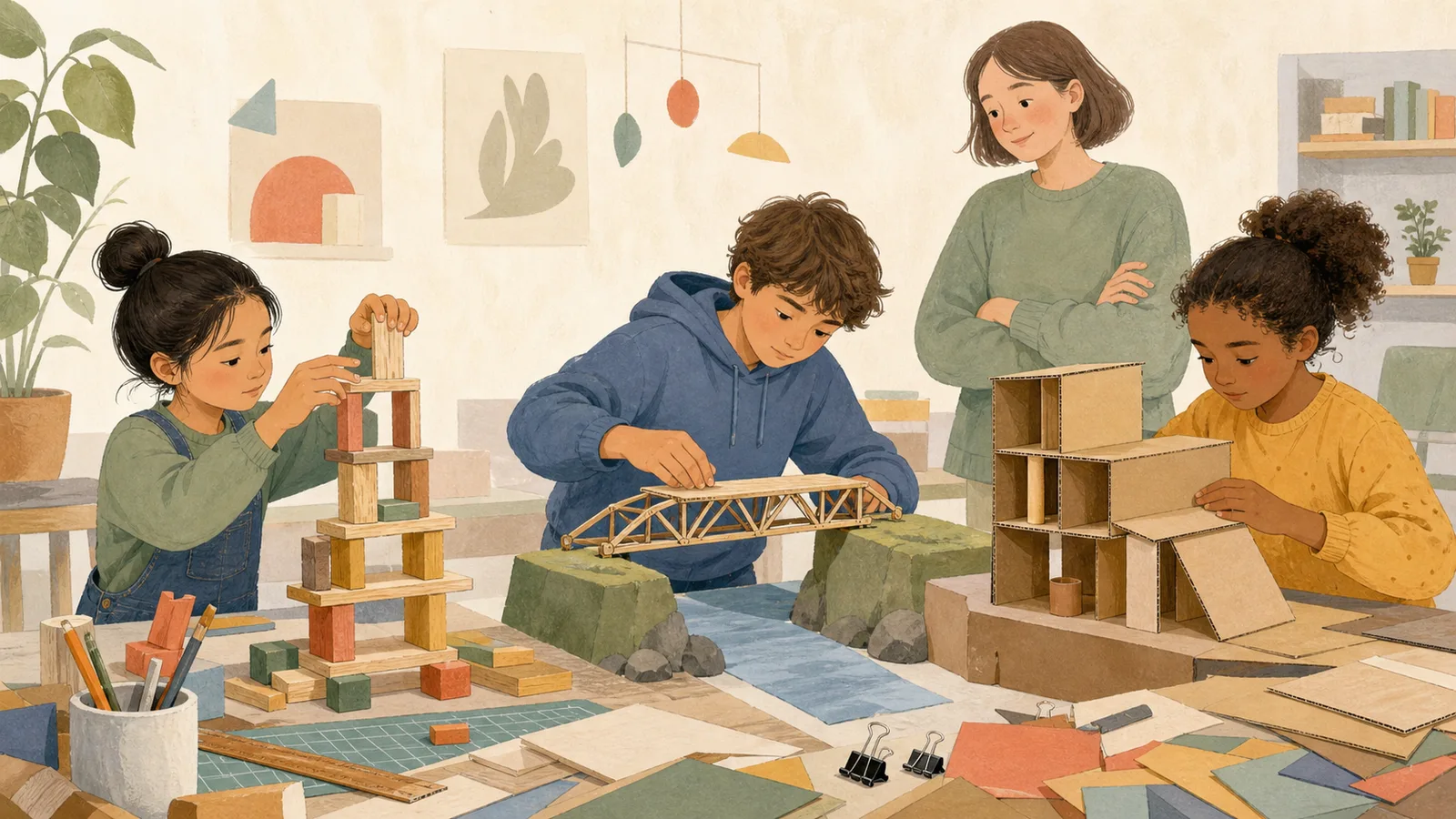
Scale construction play by changing materials, constraints, tests, and independence—from toddler stacking to older children’s structural design.
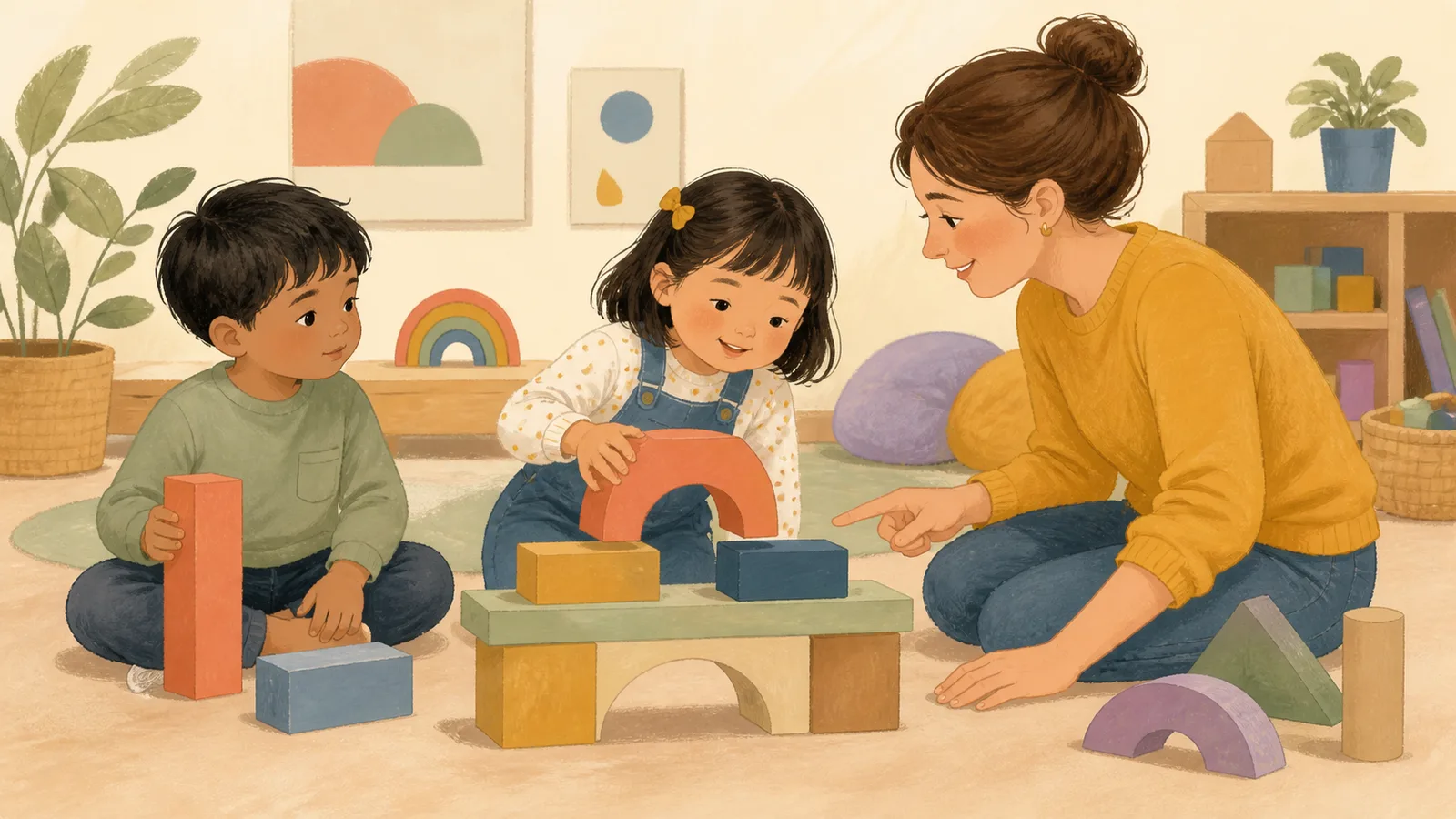
Use words such as under, beside, tall, curved, turn, and fit when they clarify what a child is already building—without testing every shape.
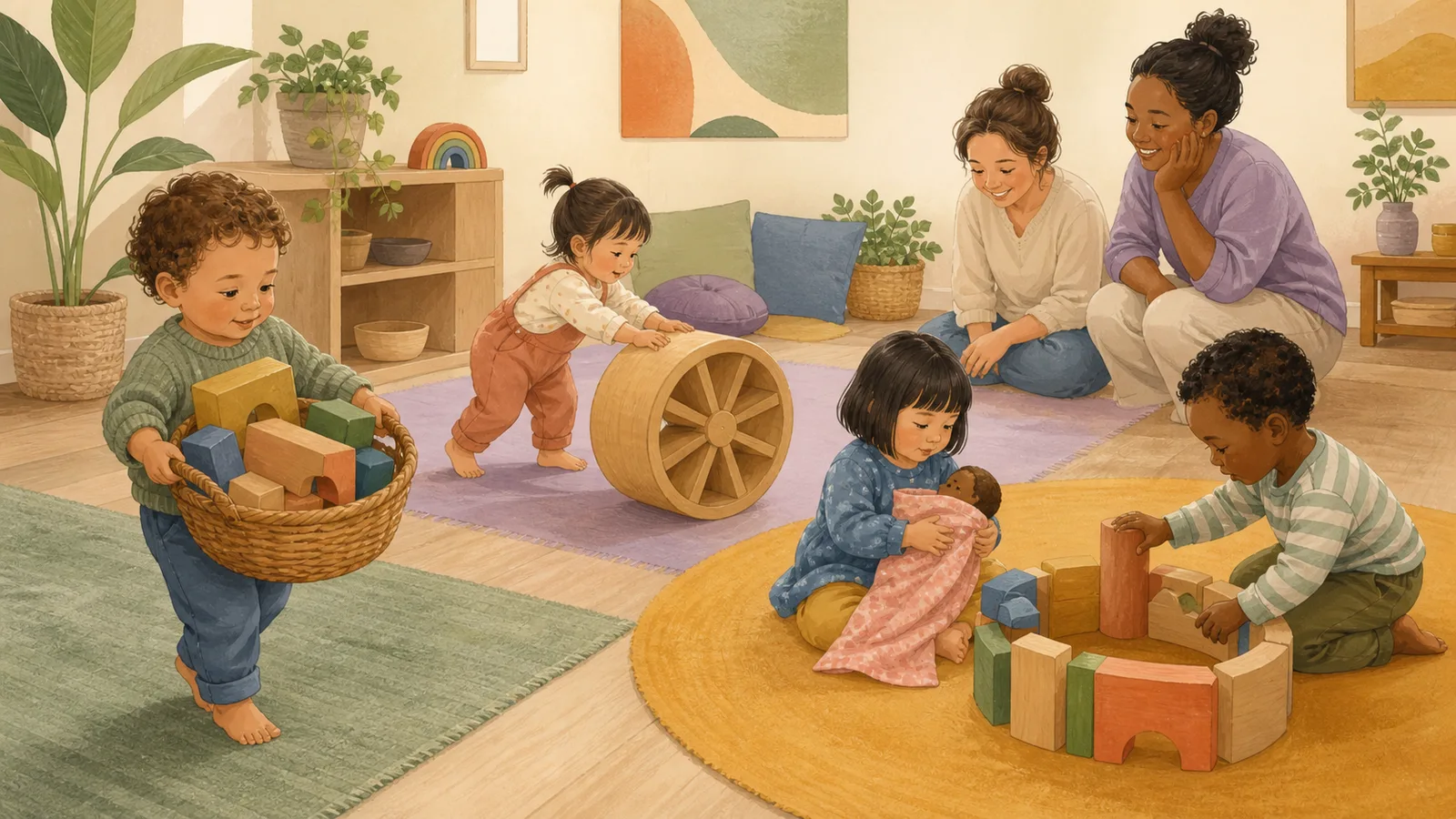
A plain-language guide to transporting, trajectory, rotation, enclosing, and other repeated play patterns—with safer ways to support the action.
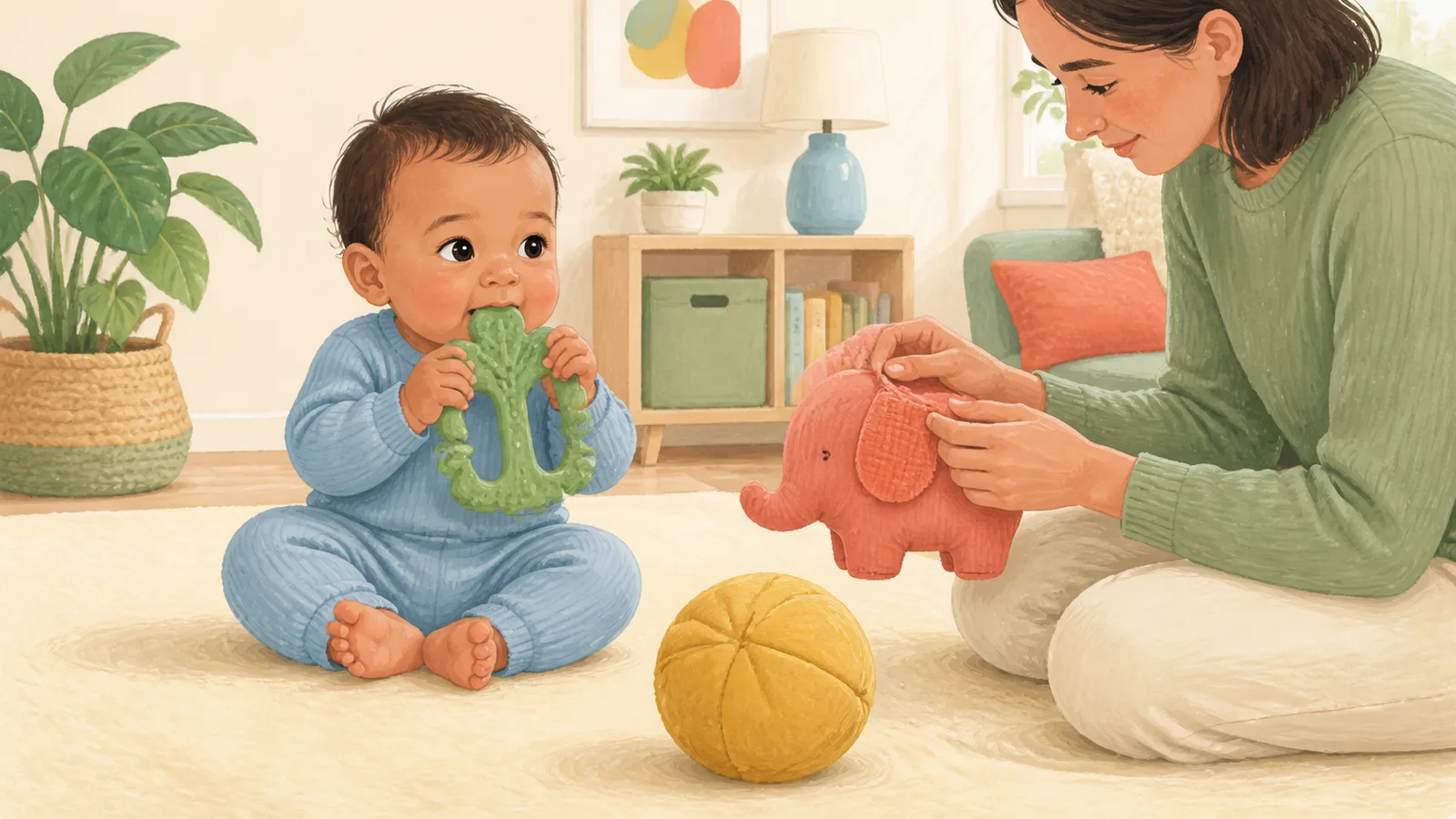
Mouthing is a normal part of infant object exploration, not always a teething signal. Learn what babies may be doing and how to create a safer set of things they can explore.
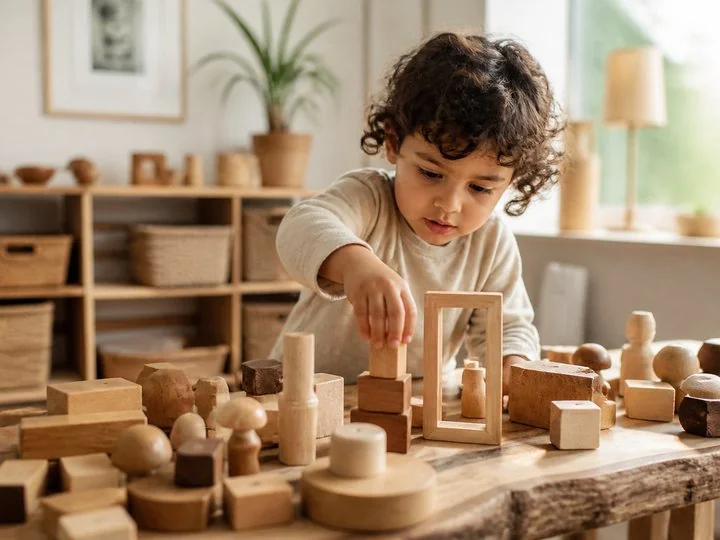
A research-aware guide to open-ended toys, with age-by-age examples, comparisons, evidence limits, and practical ways to support flexible play.
A practical, research-aware guide to helping toddlers and preschoolers begin and sustain play while keeping connection and realistic expectations at the center.
Low-prep STEAM challenges for preschoolers and school-age children, with age adaptations, useful questions, safety notes, and a simple design cycle.