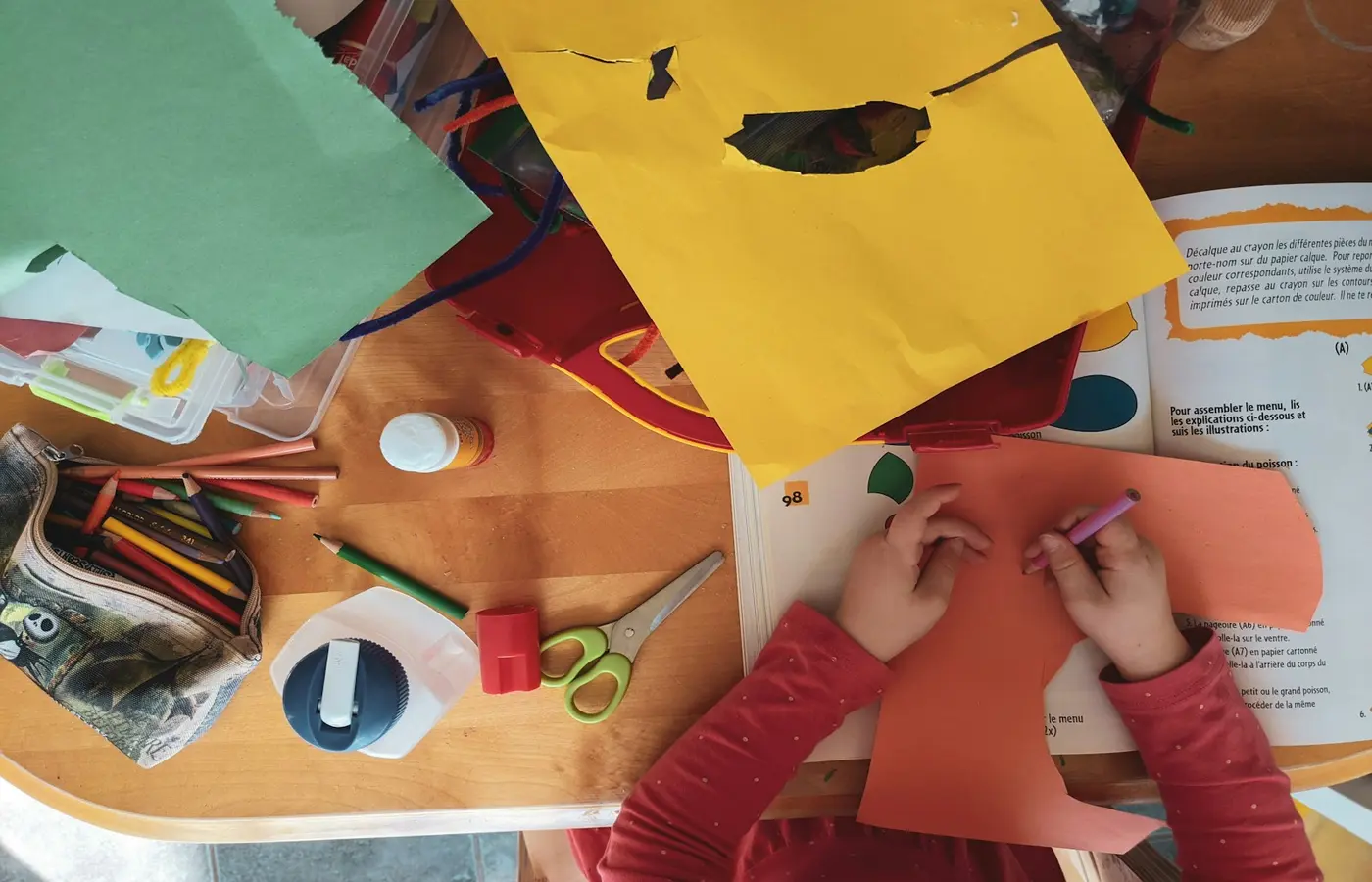
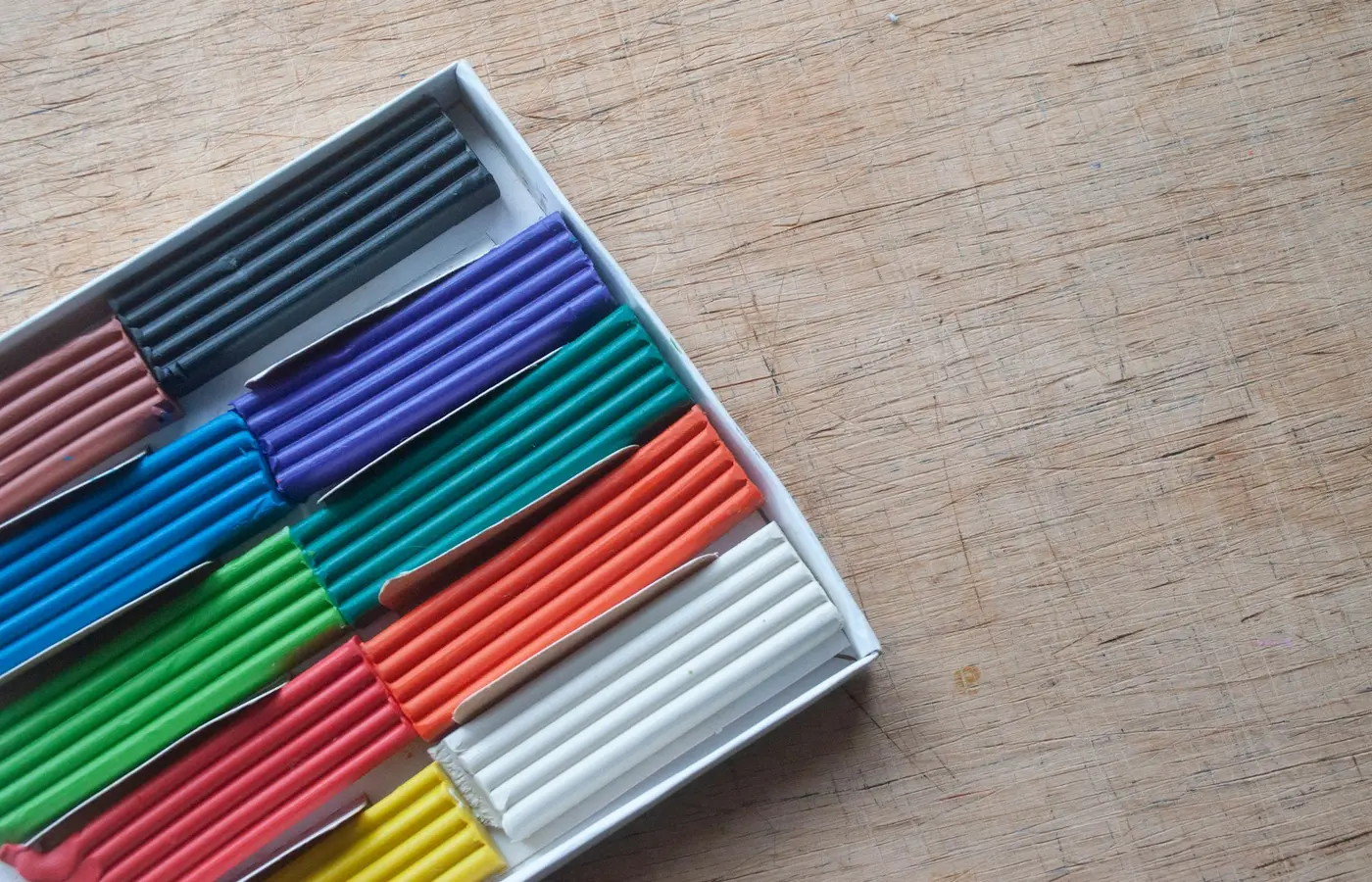
If your child wants to squash, roll, rebuild, and start over, modeling dough will usually fit the moment better. If they are excited to make a small figure, gift, or object to keep, air-dry clay may be the more satisfying choice.
The important difference is not which material is more “creative” or more useful. It is what happens after the child changes their mind. Modeling dough is generally meant to be reshaped and stored for another session. Air-dry clay begins to set when exposed to air, so the work eventually becomes a permanent object rather than material to use again.
Before choosing either one, use the exact package age grade, warnings, ingredient list, and storage directions for the product in your home. Children who still mouth materials, who may scatter small add-ons, or who are working with tools need closer supervision. A label matters more than a broad age suggestion from a blog or shop filter.
Start with the kind of play your child wants today
A child may approach a lump of material in very different ways. One day they may make a long snake, flatten it, cut it into pieces, and put it all back in the tub. Another day, they may have a clear plan: a pet, a tiny bowl, a character, or a gift for someone they love.
Neither approach is more advanced. It is simply a different kind of play.
Modeling dough suits changeable, repeatable play
Modeling dough is often the easier fit when the pleasure is in the process:
- Squishing, pinching, patting, and rolling
- Pressing in toy animals, cookie cutters, or textured tools
- Making something and immediately taking it apart
- Combining colors, then beginning again another day
- Setting up a small pretend bakery, garden, road, or animal habitat
Faber-Castell describes its Little Creatives Modeling Dough as soft and intended for molding. Its guidance also explains that dough beginning to dry can sometimes be softened with a few drops of water and gentle kneading, and that storage helps extend its usable life. That makes a reusable dough a practical option for children who do not care whether a creation survives the afternoon.
Air-dry clay suits a project with an ending
Air-dry clay is different because exposure to air is part of the material’s purpose. HEY CLAY’s overview of children’s clay types describes air-dry clay as a material that hardens at room temperature into a lightweight finished object.
That can be appealing when a child wants to make something that remains: a creature, a small ornament, a pretend food item, or a handmade present. It also changes the tone of the activity. A child may want time to refine a shape before it sets, while another may find it frustrating that a favorite piece cannot return to the clay pile once dry.
You do not need to decide that your child is “a clay child” or “a dough child.” It is reasonable to use dough for an ordinary Tuesday afternoon and save air-dry clay for a particular idea that feels worth keeping.
How the materials behave in little hands
The most useful comparison is usually practical: how does the material respond when your child presses it, changes their plan, or leaves the table?
| Question | Modeling dough | Air-dry clay |
|---|---|---|
| Can it be reshaped in another session? | Often yes, when stored as directed by its manufacturer. | Not once it has dried and hardened. |
| What happens if it is left exposed? | It may dry out; product-specific instructions may describe how to restore or store it. | It begins setting, which is how it becomes a finished object. |
| Does a finished object matter? | Usually the process matters more than preserving the result. | The material is chosen partly because the result can remain after drying. |
| What adult planning is needed? | A container and a place to gather loose bits. | Sealing unused material during work and protecting a drying space afterward. |
| What if the child wants to dismantle it? | They can generally pull it apart and reuse it. | Dismantling may mean losing the piece or returning only the still-soft portion to the package. |
These are broad material patterns, not guarantees about every formula. Some doughs are softer or stickier than others; air-dry clays vary in drying speed, texture, strength, color options, and instructions for painting or sealing. Check the documentation for the specific product instead of assuming one brand will behave like another.
When a child changes their mind halfway through
This is often the deciding moment.
With modeling dough, changing direction is usually part of the activity. A child can make a dinosaur, turn it into a pancake, and then use the same lump for a pretend pizza. Mixed colors may become less distinct, but the material remains available for play if it is stored properly.
With air-dry clay, it helps to offer only the amount needed for the current idea and keep the rest sealed according to the manufacturer’s directions. If a child loses interest, you can pause, simplify the project, or decide that a partly made object does not need to be saved. A permanent material does not require a perfect permanent result.
Supervision, age labels, and ingredient checks come first
Both materials need adult judgment. “Non-toxic” does not mean edible, suitable for every child, or safe to use without supervision.
For example, Faber-Castell’s Little Creatives Modeling Dough guidance says that its dough is not intended for consumption. It also states that the product contains wheat and may cause an allergic reaction for children with wheat or gluten allergies. That information applies to that specific product, not to every modeling dough on the market.
Before opening a package, check:
- The manufacturer’s age grade and warnings
- Whether your child is likely to mouth or swallow material
- The ingredient list, especially for wheat or other known allergies
- Whether the kit includes small decorative pieces, detachable parts, or tools
- Instructions for use, storage, and disposal
- Whether siblings or visiting children may use the material differently
If your child mouths art materials, it may be best to postpone the activity or choose a supervised alternative that better fits their current habits. If the child starts putting pieces in their mouth, throwing tools, or using the material in an unsafe way, stopping is a reasonable response. You do not need to turn every craft setup into a lesson.
What about wheat or gluten allergies?
Do not rely on the word “dough” alone. Read the ingredient information for the exact product and contact the manufacturer if you need clarification. Faber-Castell specifically identifies wheat in its Little Creatives Modeling Dough. Other products may use different ingredients, but that must be confirmed from their own packaging or official information.
For a household managing an allergy, avoid sharing tools, trays, or containers between materials unless you can clean them appropriately for your family’s needs. The right choice may be a different product entirely, rather than trying to make a known ingredient fit.
The real-home comparison: drying space, storage, crumbs, and cleanup
The adult work around a material can matter as much as the child’s interest. Neither choice needs a dedicated craft room, but each benefits from a small plan.
Modeling dough: container first, then play
Modeling dough is easier to revisit when you have a reliable place to put it away. Faber-Castell recommends storing its Little Creatives Modeling Dough in a wide container to help extend its life. Keep each color together if preserving separate colors matters, or accept that colors may gradually blend through ordinary use.
A simple setup can be enough:
- Put a small amount of dough on a tray, placemat, or wipeable surface.
- Keep unused dough in its container until it is needed.
- Use a bowl or small tub for scraps that should go back into storage.
- Gather the material before wiping the surface.
Avoid making assumptions about fabric, carpet, drains, or tabletops. Cleanup instructions vary by formula and surface, and the supplied manufacturer information does not establish that all dough washes out of clothing or is safe to rinse away.
Air-dry clay: plan for the time after play
Air-dry clay needs two kinds of space: a work surface while it is soft and a protected spot while the piece dries. The drying area does not have to be large, but it should be somewhere the object is less likely to be bumped, squeezed, moved, or picked up before it has set.
A tray, piece of cardboard, or shallow box can help define that space. It can also make it easier to move the project out of a shared kitchen or dining area without handling the clay directly.
Because air-dry clay sets when exposed to air, close unused material promptly and follow the manufacturer’s instructions for storage. Do not assume every product has the same drying time or can be painted, sealed, repaired, or used outdoors after drying. Those details depend on the formula.
Mess is not just about crumbs
Modeling dough can leave small bits under a table, blend colors together, and dry out if forgotten. Air-dry clay can leave dried fragments, require a place to cure, and create disappointment if a work-in-progress is handled too soon.
If cleanup capacity is low that day, reduce the scale rather than abandoning the activity. One small lump of dough on a tray or one simple clay bead-sized form may be plenty. The child does not need a full kit, many colors, or an elaborate project for the material to be interesting.
Choose based on your workspace and the finished result
Here is a practical way to make the call without treating either material as the default winner.
Choose modeling dough when:
- Your child likes to pull creations apart and begin again.
- You have only a short window for play and no drying area.
- You want material that can return to a container for another session.
- Several children want to share open-ended tools and make temporary scenes.
- A finished object is likely to become clutter rather than something the child values.
Choose air-dry clay when:
- Your child wants to make an object to keep, display, or give away.
- You can protect a small drying space for the product’s required drying period.
- You are prepared to seal unused material according to its instructions.
- The child is comfortable with a project having a stopping point.
- You can keep small add-ons and tools appropriate to the product label and the child’s use.
Consider waiting or simplifying when:
- Your child is currently mouthing materials.
- You have not checked the label for relevant allergens or warnings.
- The only available surface is one where cleanup or staining is a concern.
- There is nowhere to place a drying item safely.
- The child is tired, rushed, or already frustrated by a permanent-project expectation.
That is not a failure to provide enrichment. It is a sensible match between the activity and the day you are having.
A simple setup that keeps the choice flexible
For a first session, keep the materials and expectations small.
- Choose a contained work area. Use a tray, placemat, or other surface you are comfortable cleaning. A tray also makes it easier to pause when a meal, sibling need, or doorbell interrupts.
- Offer a limited amount. Start with one or two colors or a small piece of clay rather than opening everything at once.
- Keep tools simple. Use only tools that are appropriate for the product and child, and follow package warnings. Fingers, a blunt roller, and a few large cutters may be enough.
- Name the next step before play begins. For dough, show where it goes when the session ends. For clay, point out the designated drying spot and explain that the piece will need to stay there.
- Let the child decide how finished is finished. A dough sculpture can be dismantled immediately. A clay project can be a tiny shape rather than a complicated figure.
- Stop when the setup is no longer safe or workable. If material is mouthed, thrown, scattered into an unsuitable area, or causing distress, put it away without pressure to complete the activity.
The best first choice is usually the one that fits today’s child, today’s workspace, and today’s cleanup capacity. If you want repeatable material play, begin with modeling dough. If the child has a specific object they want to keep and you can make room for drying, choose air-dry clay.
Frequently asked questions
Is air-dry clay or modeling dough better for a child who likes to take creations apart?
Modeling dough is usually the better match because it is intended to be reshaped and stored for later use. Air-dry clay is better saved for a time when keeping the object matters, since it hardens as it dries.
Can you save air-dry clay after opening it?
Often, unopened portions can be saved if they are sealed exactly as the manufacturer directs. However, storage requirements vary by product. Air-dry clay begins setting when exposed to air, so close unused material promptly and consult the specific package instructions.
What should I check if my child has a wheat or gluten allergy?
Check the ingredient list and official manufacturer guidance for the exact dough or clay. Faber-Castell states that its Little Creatives Modeling Dough contains wheat and may cause an allergic reaction for children with wheat or gluten allergies. Do not assume other doughs have the same ingredients or that a product is allergy-safe without documentation.
How do I keep modeling dough from drying out?
Follow the product’s storage directions. Faber-Castell advises storing its Little Creatives Modeling Dough in a wide container to extend its life. Its guidance says a dough that has started drying may be softened with a few drops of water and gentle kneading; adding too much water can make the material harder to use.
Sources and research note
- Faber-Castell USA, Little Creatives Modeling Dough — manufacturer information on intended use, wheat content, non-consumption guidance, storage, and softening dough that has begun to dry.
- HEY CLAY, Types of Modeling Clay for Kids — manufacturer context on air-dry clay hardening at room temperature into a finished item.
The available research for this comparison is limited largely to manufacturer information. It supports a practical distinction between reusable modeling dough and air-dry clay that sets, but it does not establish developmental, educational, therapeutic, or cleanup claims for all products. For any material you buy, rely on its own current package label and instructions for age guidance, ingredients, storage, drying, tools, and surface-cleaning advice.