Guides · Gift Guides
Best Gifts for a One-Year-Old: A Practical Play-and-Safety Guide
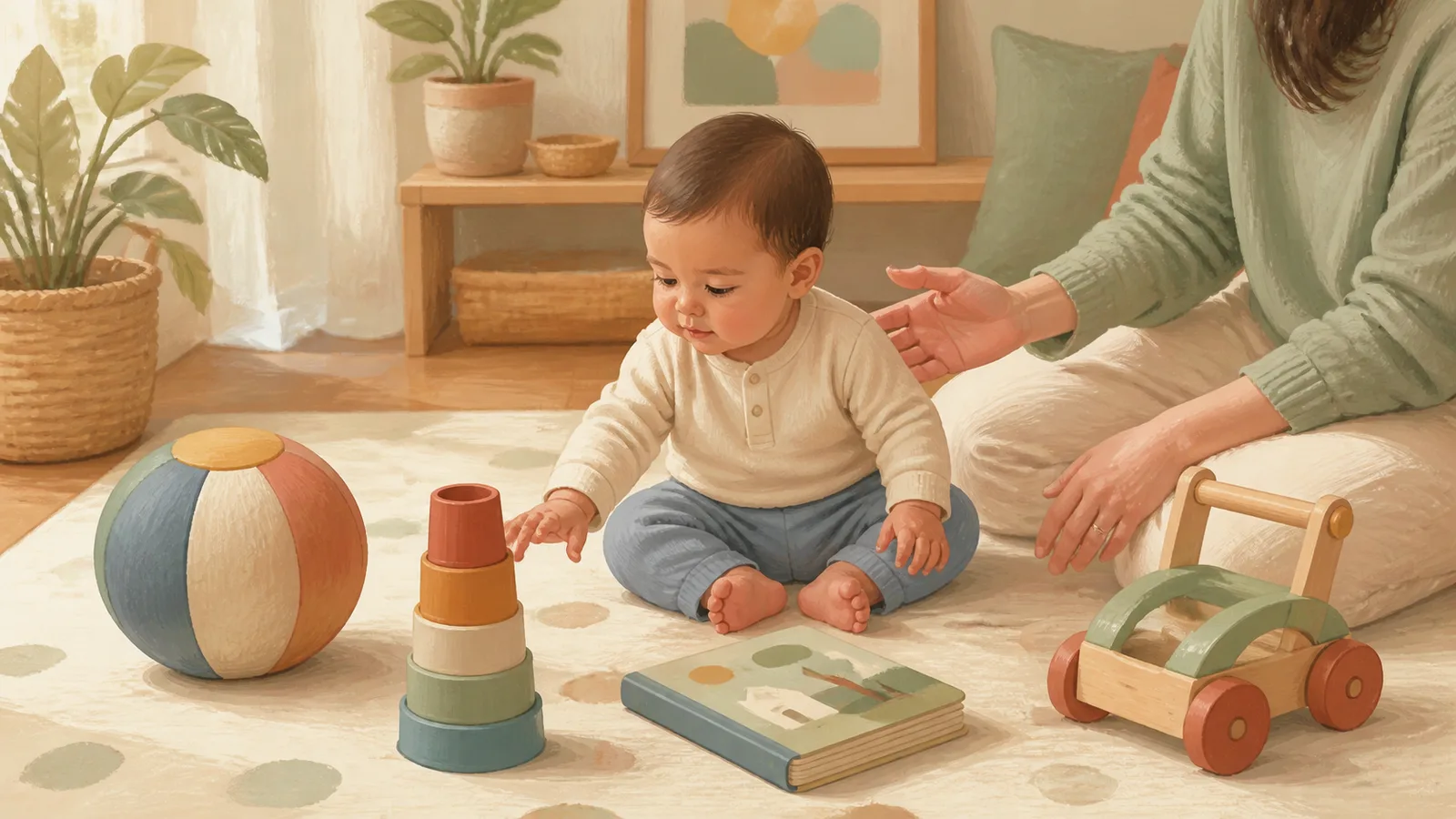
Choose a first-birthday gift by the child's current movement, exploration, household space, supervision, and safety—not milestone marketing.
By Age
Movement, first pretend play, stacking, filling, dumping, and joyful repetition.
Toddlers between one and two learn through movement and repetition. They carry, post, stack, knock down, fill, empty, and ask to do it all again. This hub gathers sturdy toy guides and low-prep activities that respect that need for repetition while supporting language, coordination, and early independence. The best play at this age is simple, safe, and easy for a child to begin again on their own.
Start here
Choose a first-birthday gift by the child's current movement, exploration, household space, supervision, and safety—not milestone marketing.
Try something today
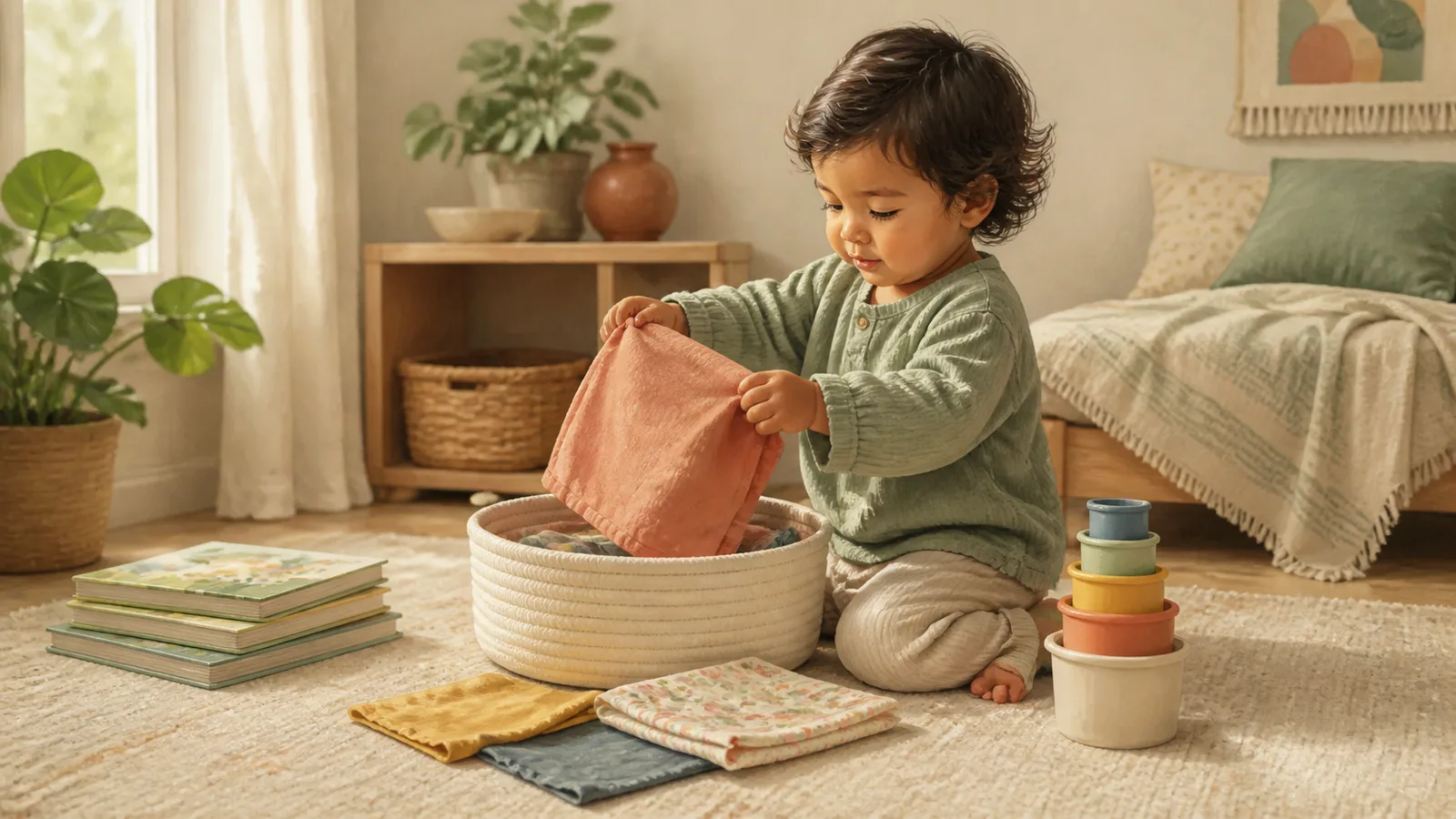
Try low-noise play for a one-year-old using books, large posting objects, cloth, nesting, matching, and helper routines—with realistic supervision and reset needs.
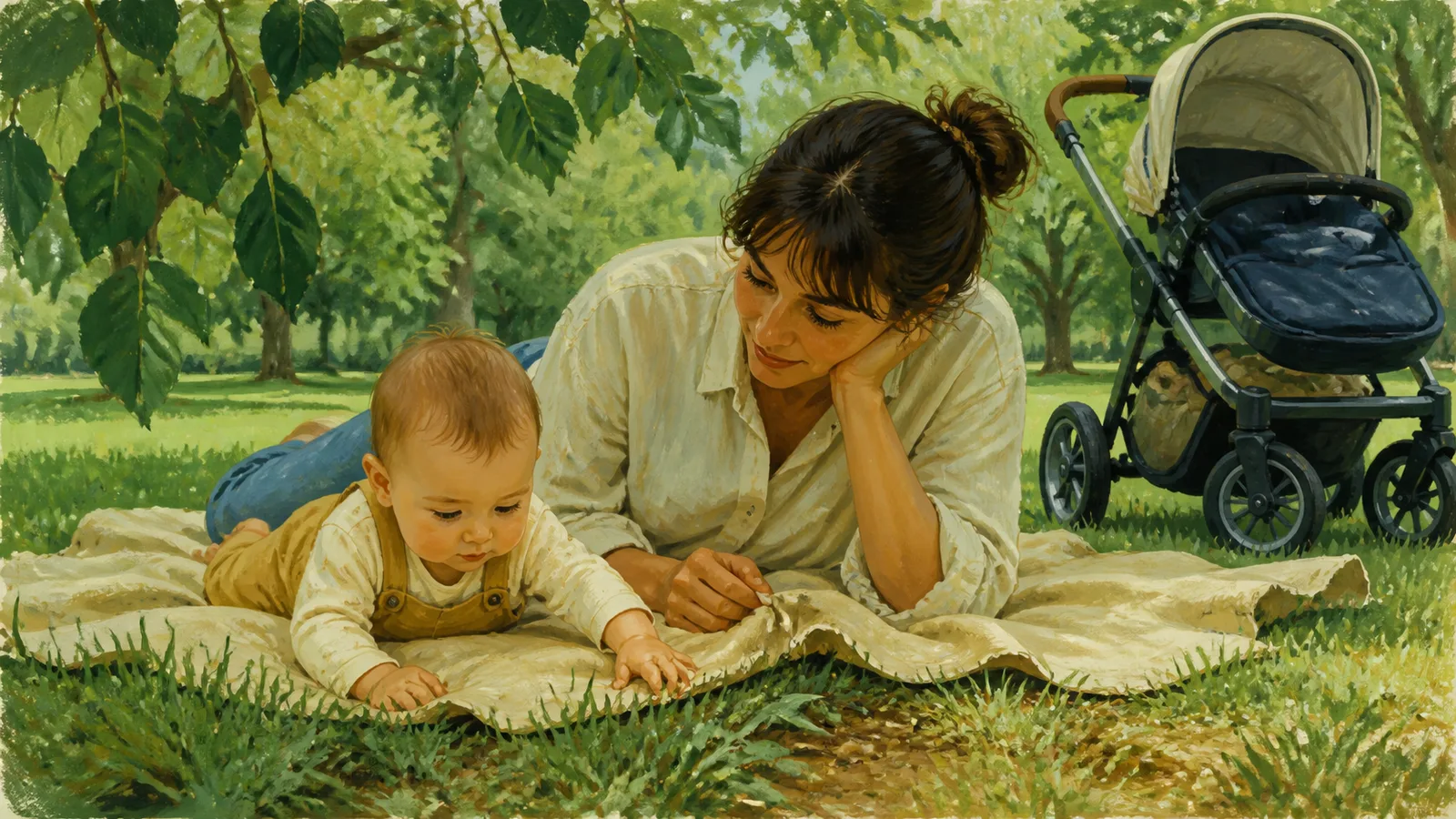
Plan outdoor floor time for babies with a five-point site check, position-specific ideas, sun and heat limits, ground inspection, and realistic stopping cues.
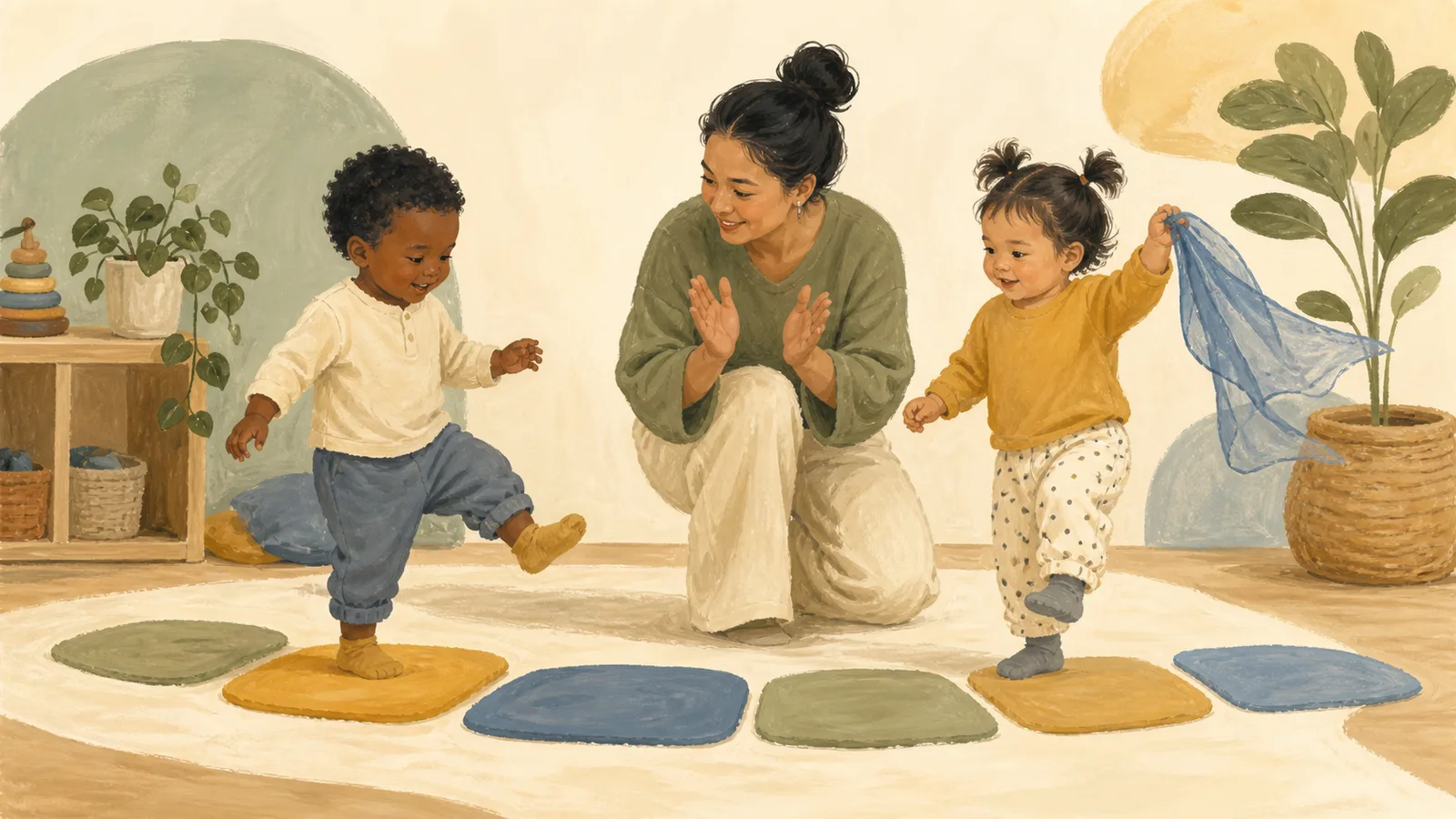
Try six short rhythm-and-movement games for ages 2–3 with seated, small-space, mixed-age, and sound-sensitive adaptations.
Growing through play
A calm guide to responding when a child lines up toys, with ideas for observing, joining gently, and keeping play safe.

Water beads expand after contact with liquid and can cause serious harm if swallowed, inhaled, or inserted. Here is how to make a practical household decision.
Learn how to read toy age grades, specific safety warnings, and instructions without treating the label as a prediction of interest or independence.
Keep exploring
A calm guide to responding when a child lines up toys, with ideas for observing, joining gently, and keeping play safe.
A practical mixed-age plan for using, checking, cleaning up, and storing magnetic toys while reducing younger siblings’ access.
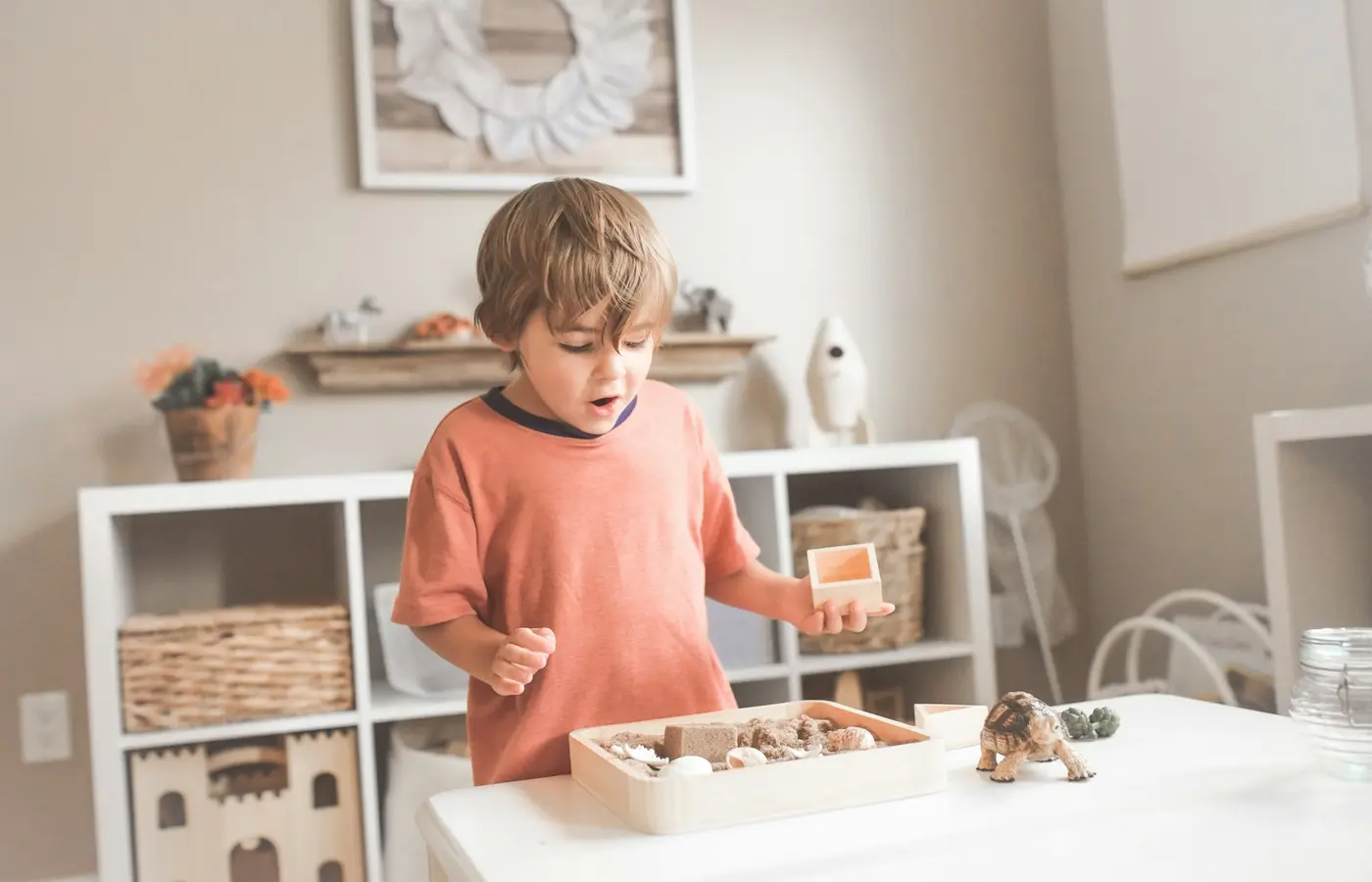
Practical ways to support a child who likes dismantling toys, with age checks, supervision, cleanup ideas, and clear signs to retire damaged items.
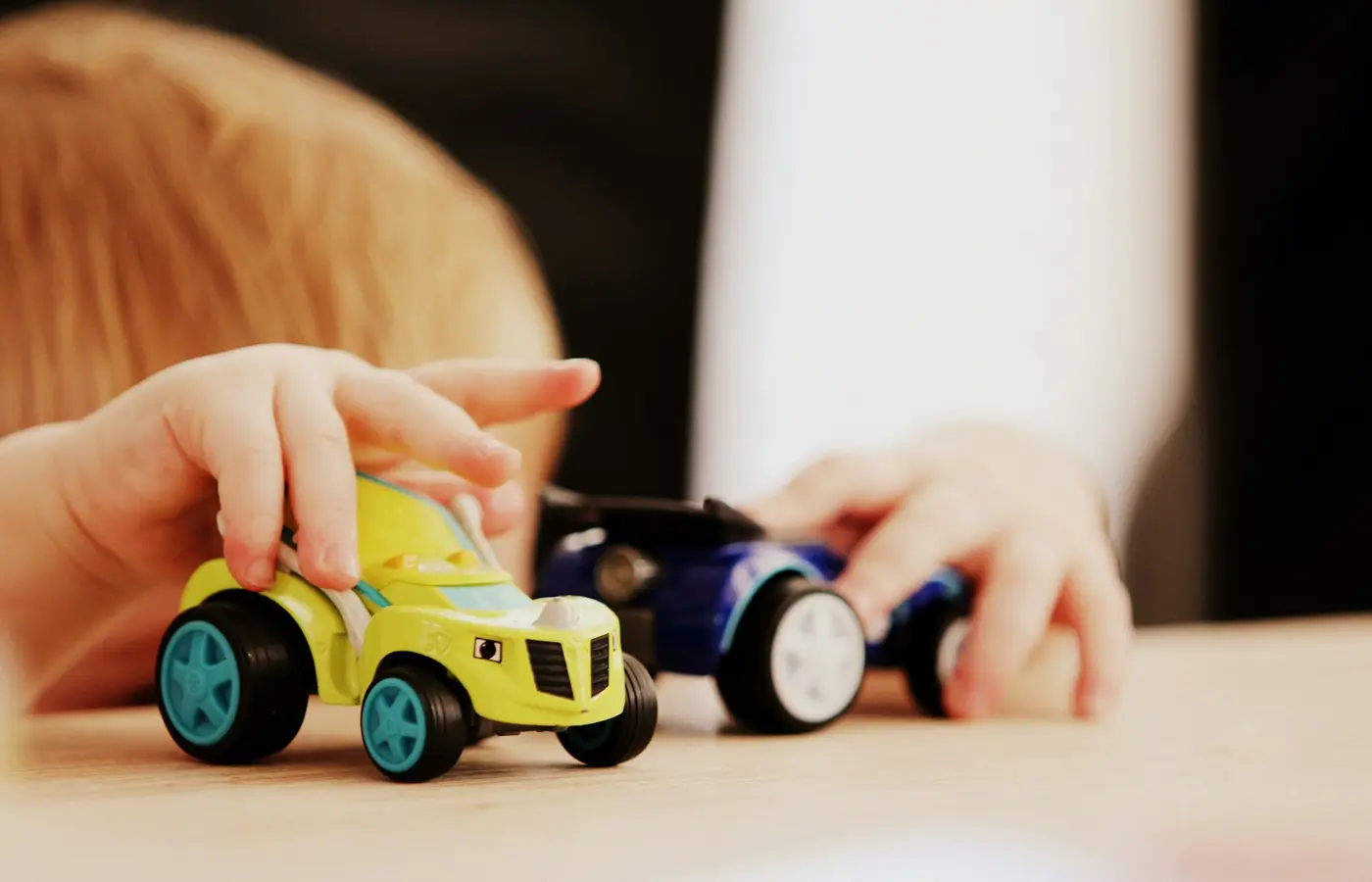
A practical safety check for finding button batteries in toys and household items, securing battery compartments, and handling damaged covers.
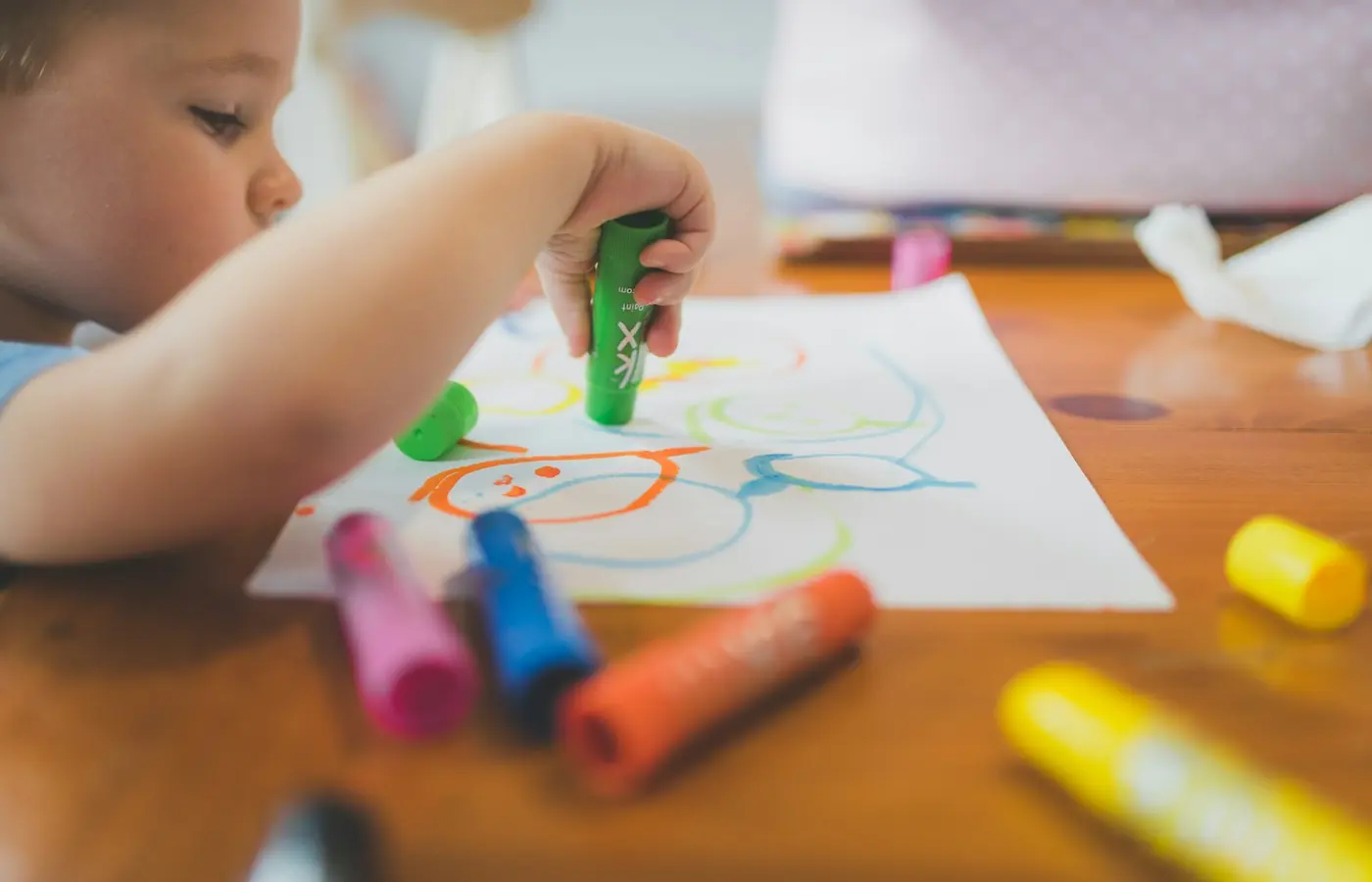
Compare washable paint and crayons for setup, supervision, cleanup, storage, and the kind of art session that fits your home.
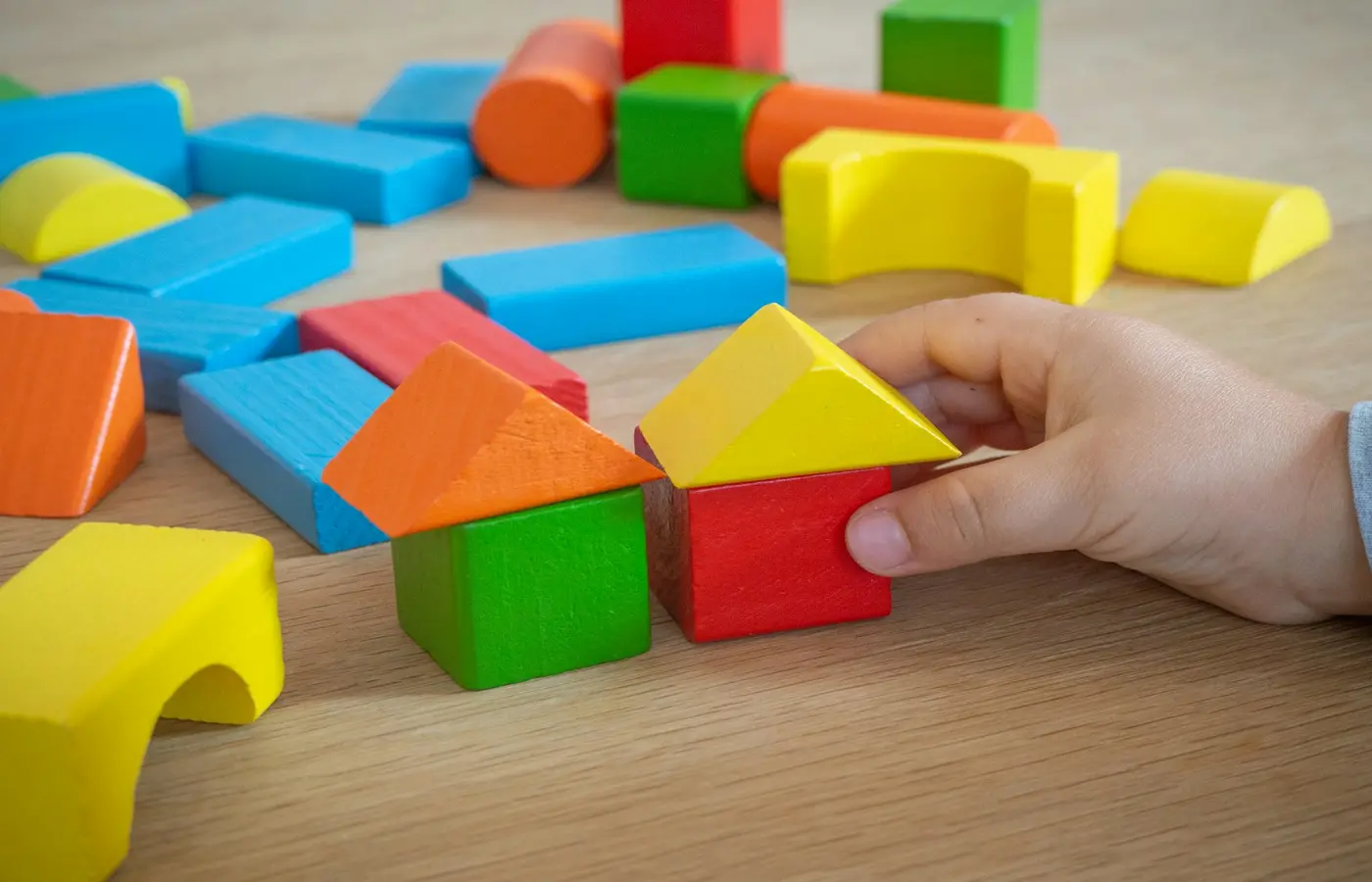
Learn how to tell whether a familiar toy still invites new play, needs a different setup, or is ready to be passed on safely.
The complete collection
55 research-informed guides and play ideas
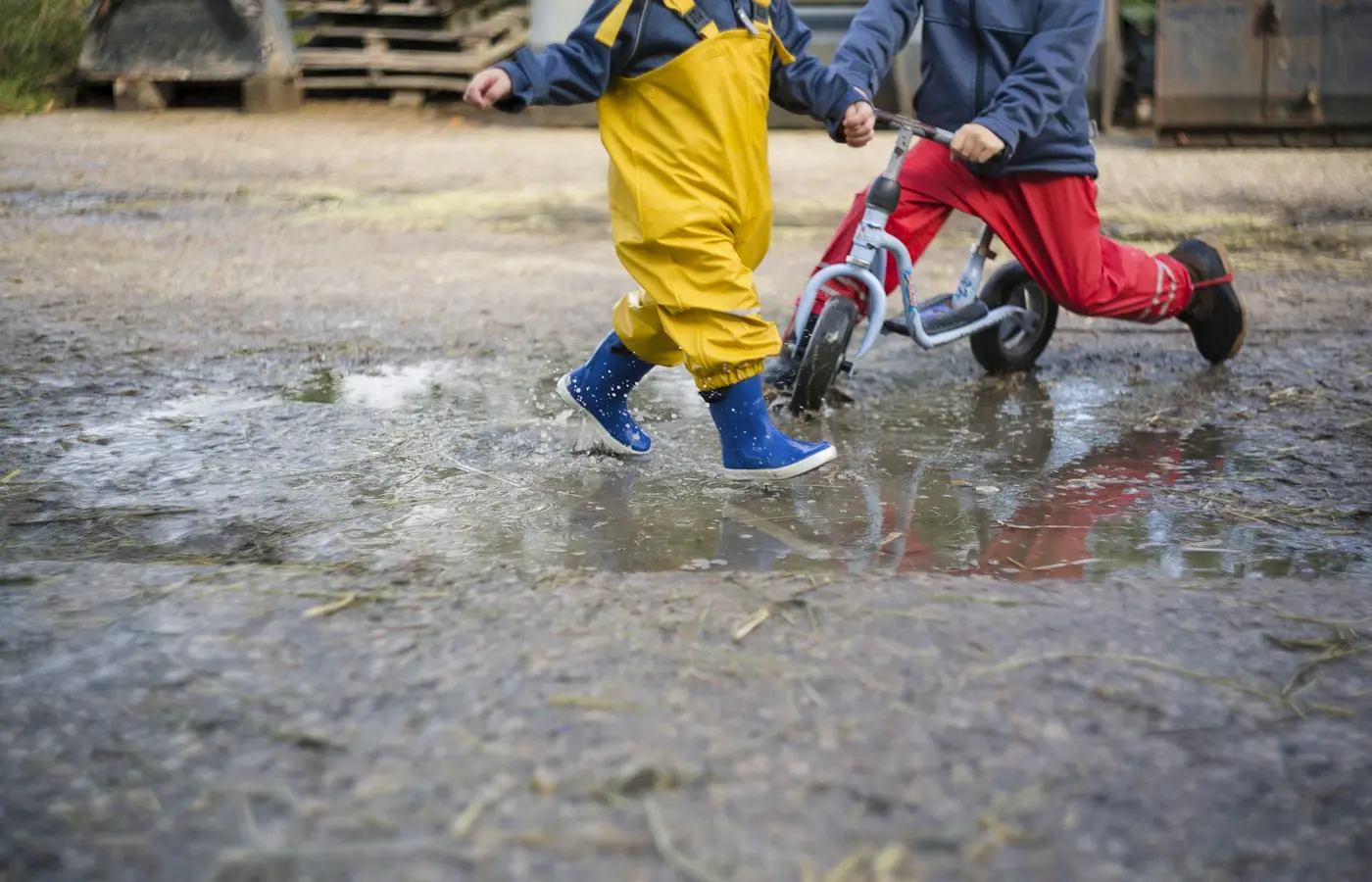
A practical guide to adapting outdoor play for rain, wind, heat, cold, muddy ground, changing supervision needs, and easier cleanup.
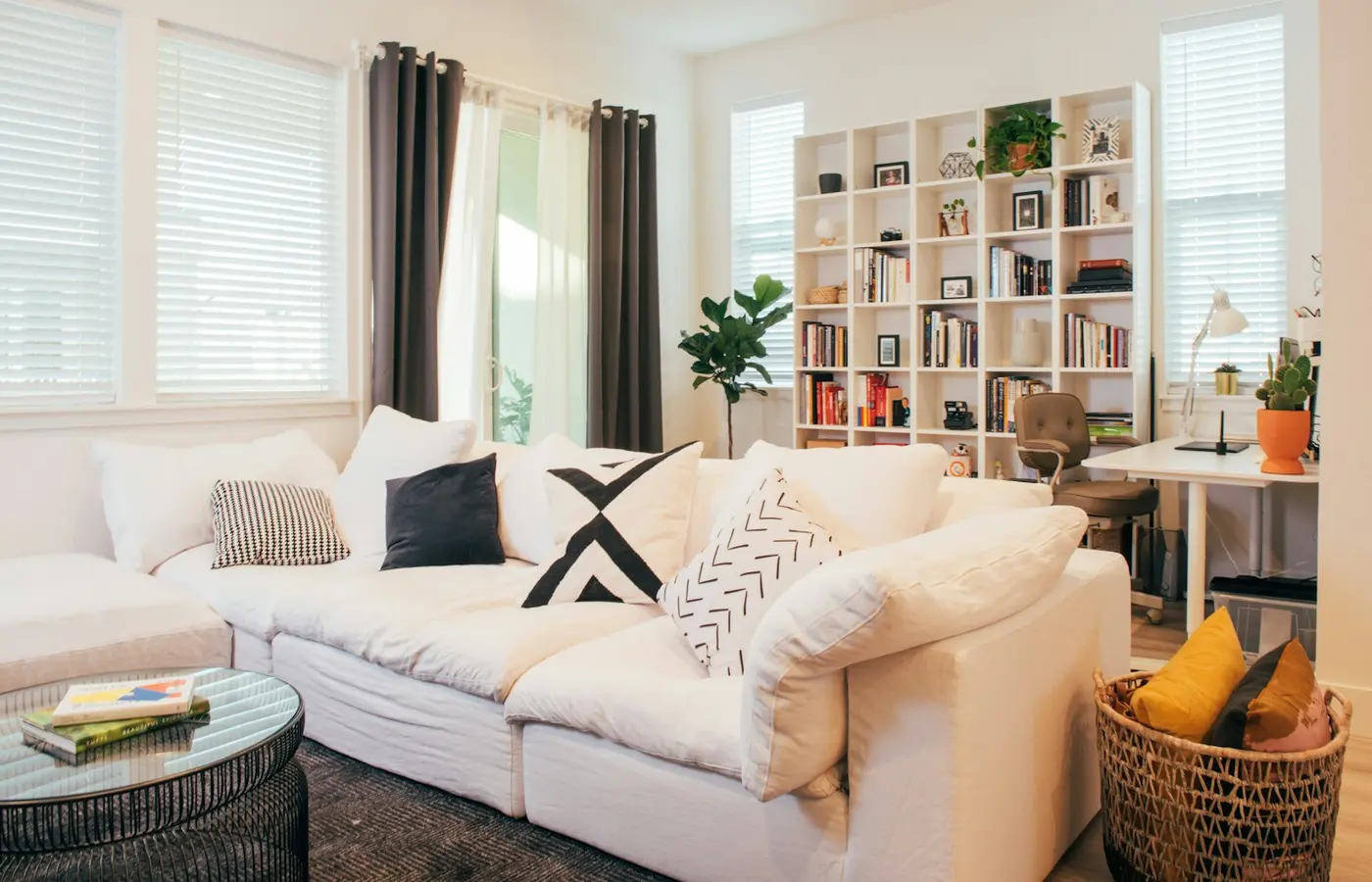
Create accessible toy storage with a small visible selection, safer furniture setup, simple return spots, and realistic cleanup support.
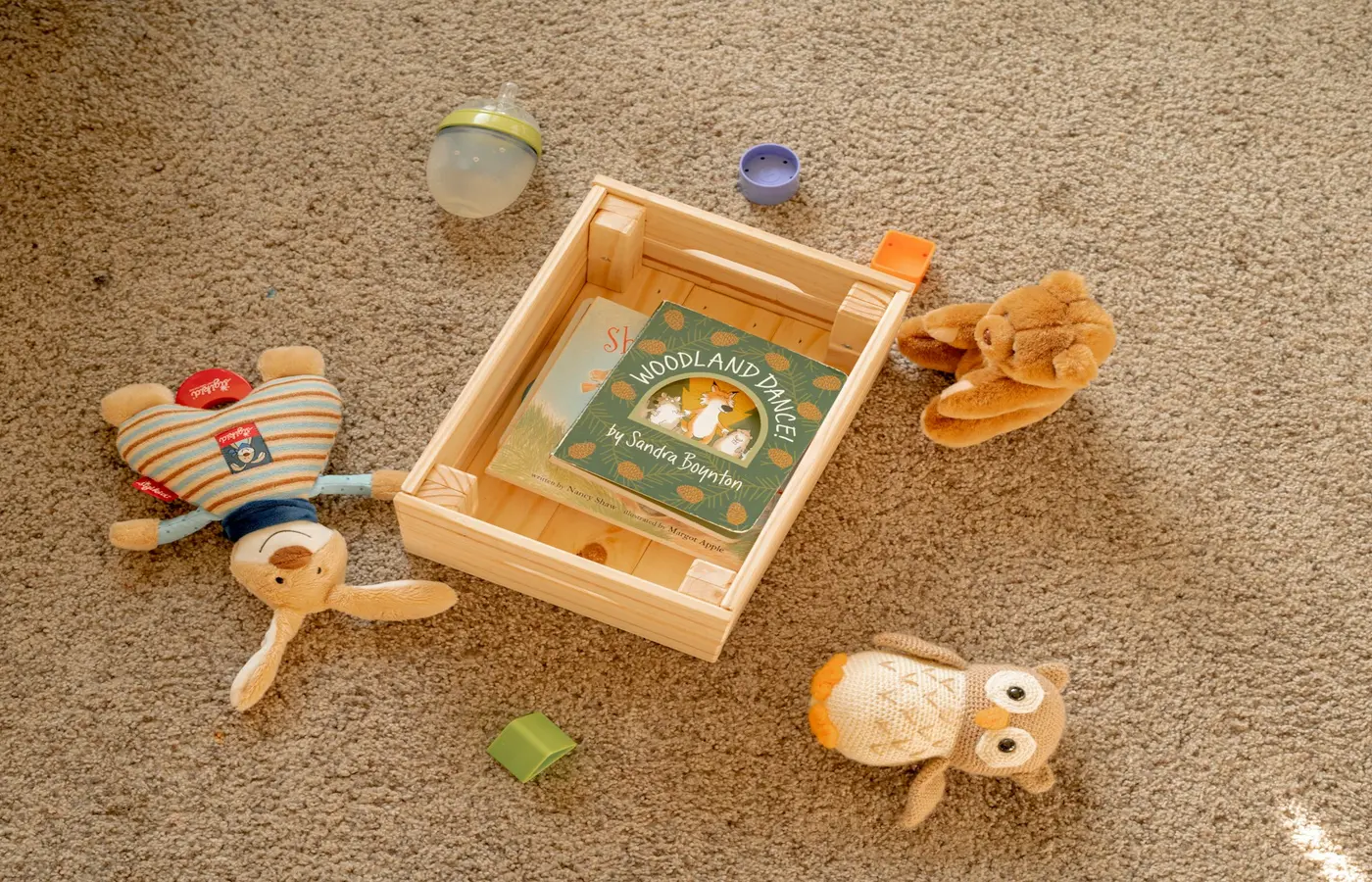
Choose a few safe, familiar pretend-play props for a 2-year-old without filling your home with a large themed set.
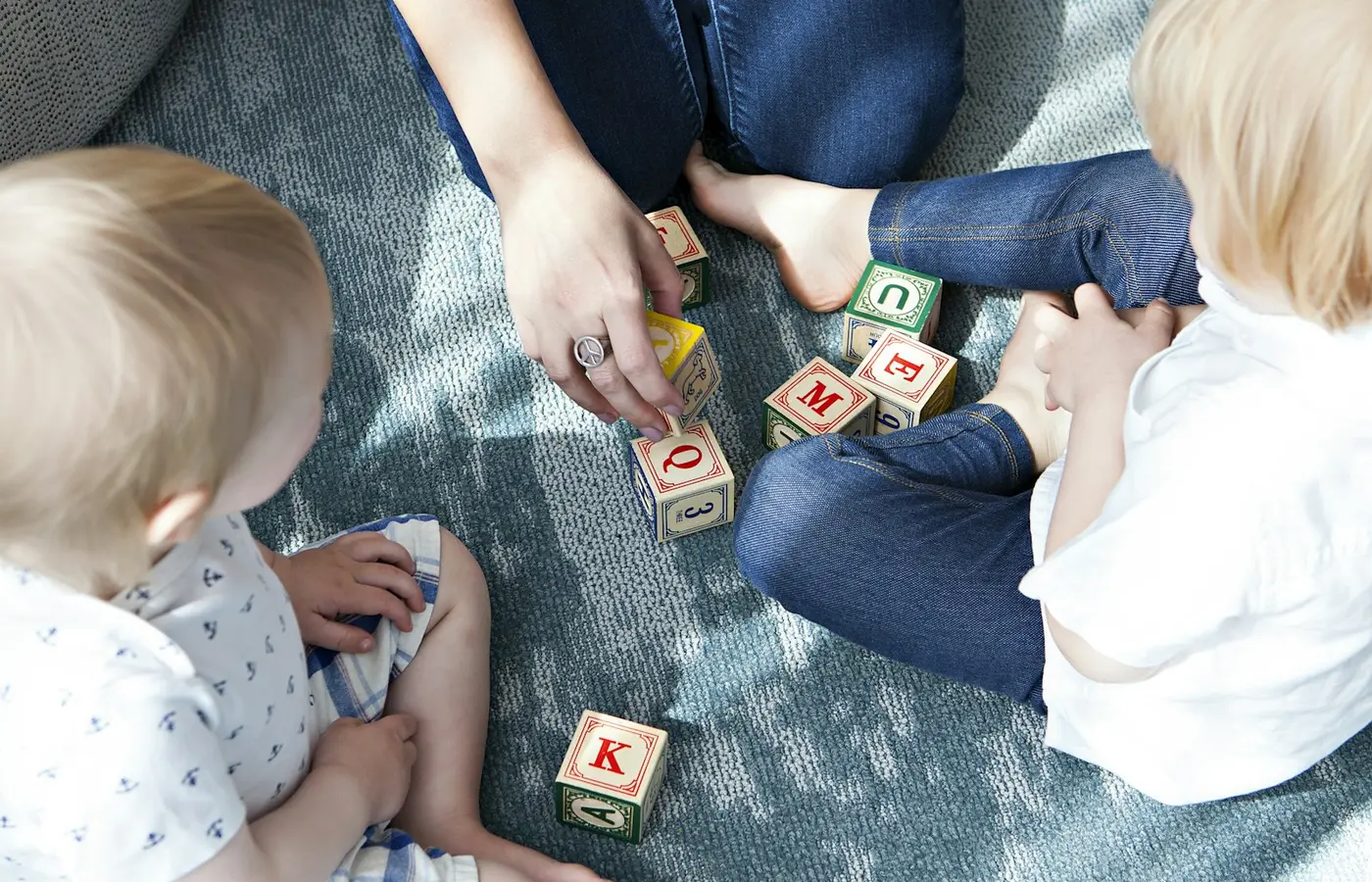
Wooden toys can work well for toddler groups, but design, duplicate pieces, age fit, supervision, cleanup, and storage matter more than material alone.

Choose a basket, bag, cart, wagon, or delivery-play setup that fits your child’s usual cargo, route, age, and your home’s practical limits.
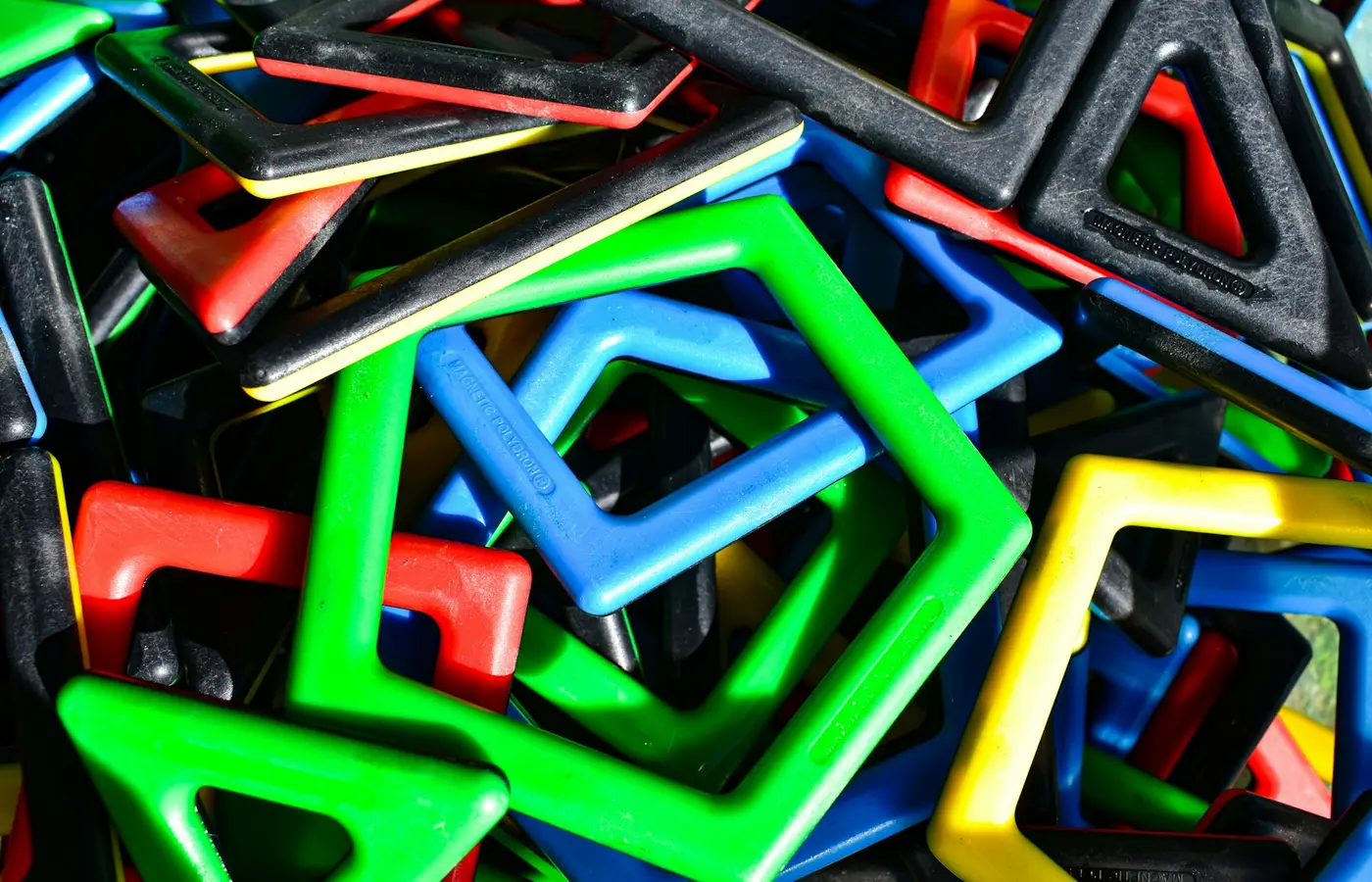
A safety-first guide to choosing, using, checking, and storing magnetic toys when babies, toddlers, or children who mouth objects share the home.

Choose young children’s art supplies by current interests, mouthing risk, supervision, workspace, mess tolerance, storage, and cleanup.

A practical checklist for checking toy battery types, compartment closures, warnings, storage, and risks in homes with younger children.

Use this practical inspection process to check a secondhand toy’s identity, age label, parts, damage, batteries, magnets, recalls, and cleaning limits.
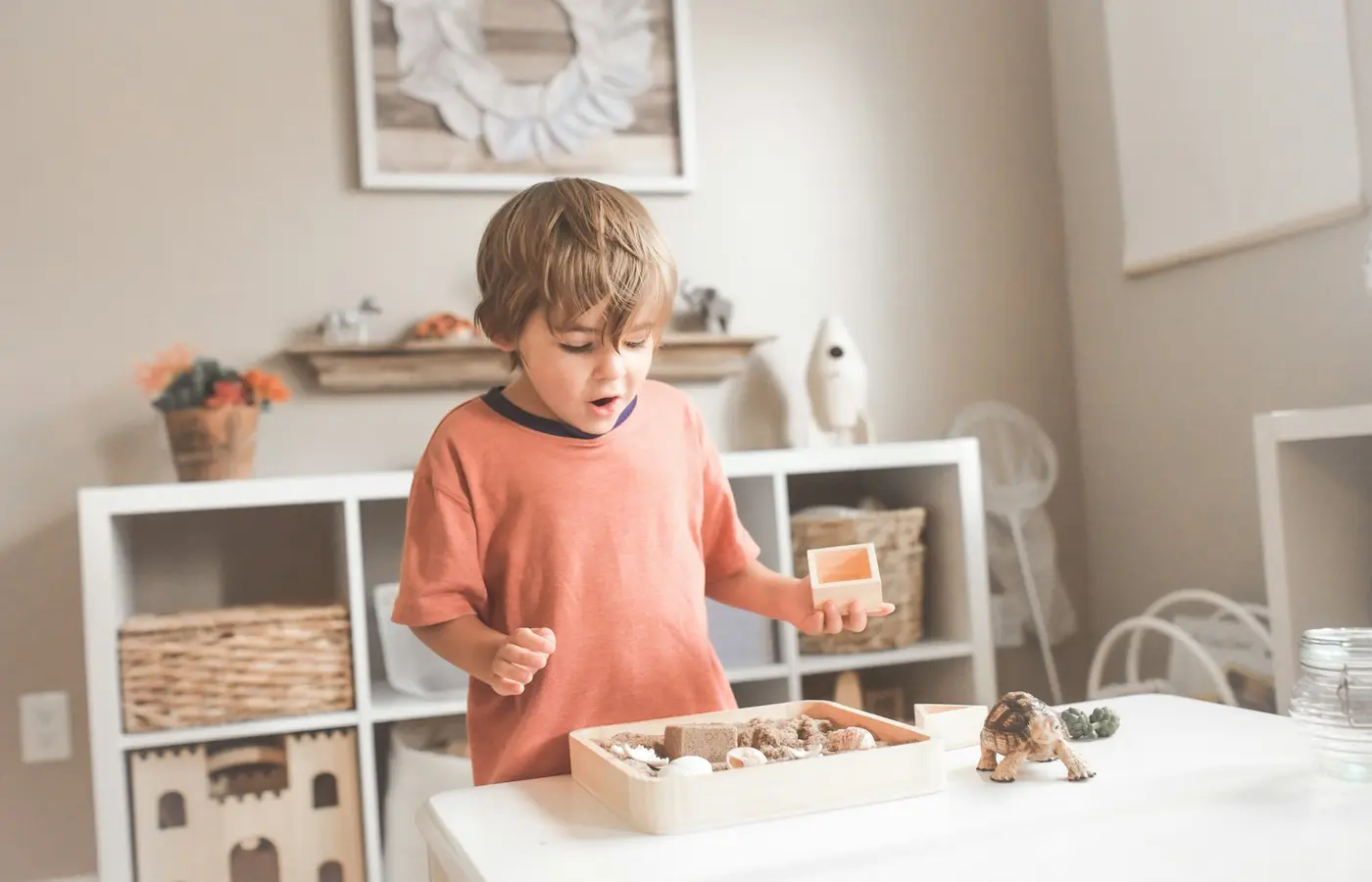
Choose toy storage that limits overwhelming piles, keeps useful materials visible, and makes access and cleanup manageable for your family.

A practical home check for toy cords, straps, loops, and pull strings, including age labels, wear, placement, supervision, and recalls.
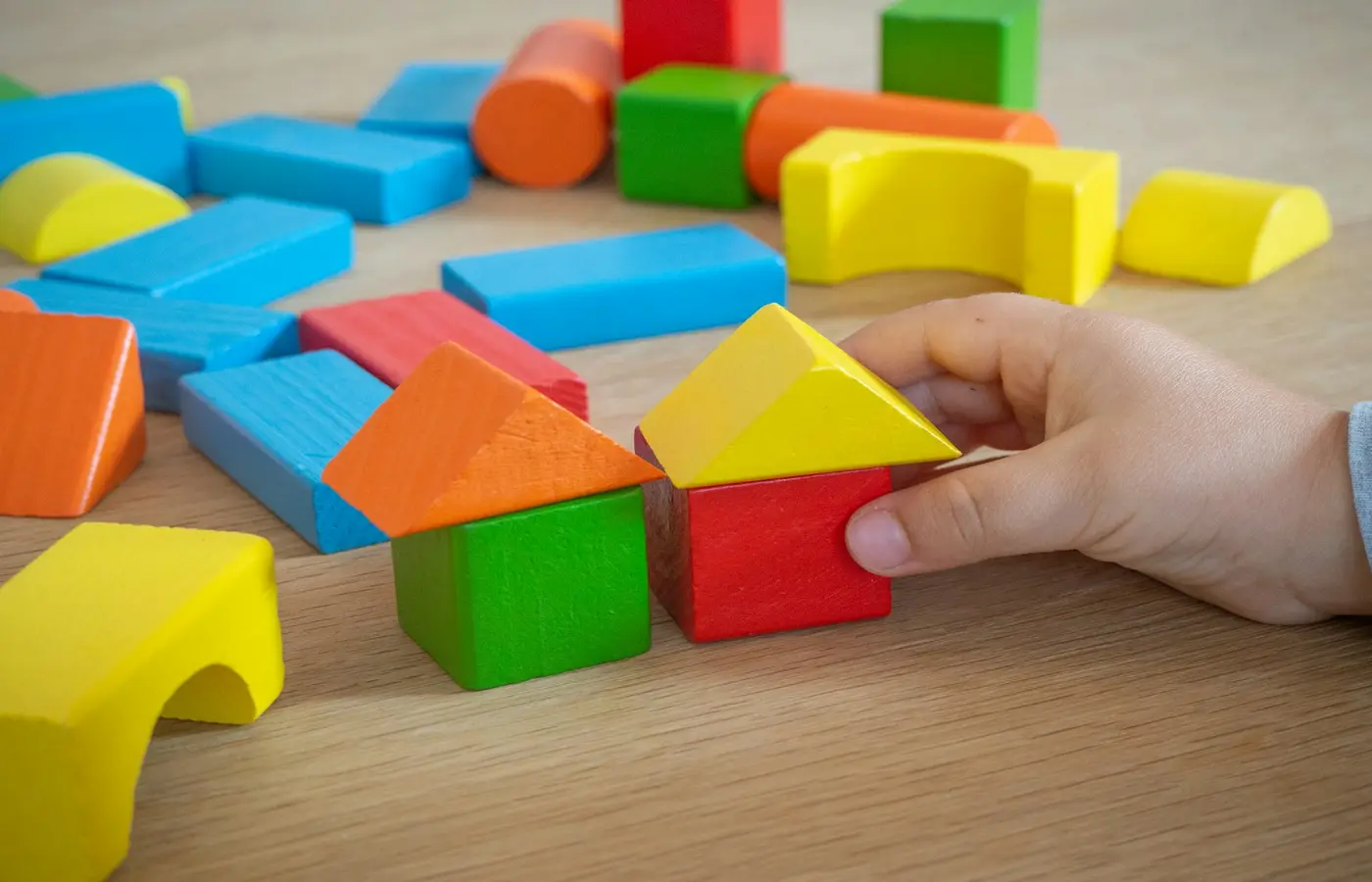
Choose containers, blocks, fabric, figures, and loose parts for hiding play while considering age grades, small parts, space, supervision, and cleanup.
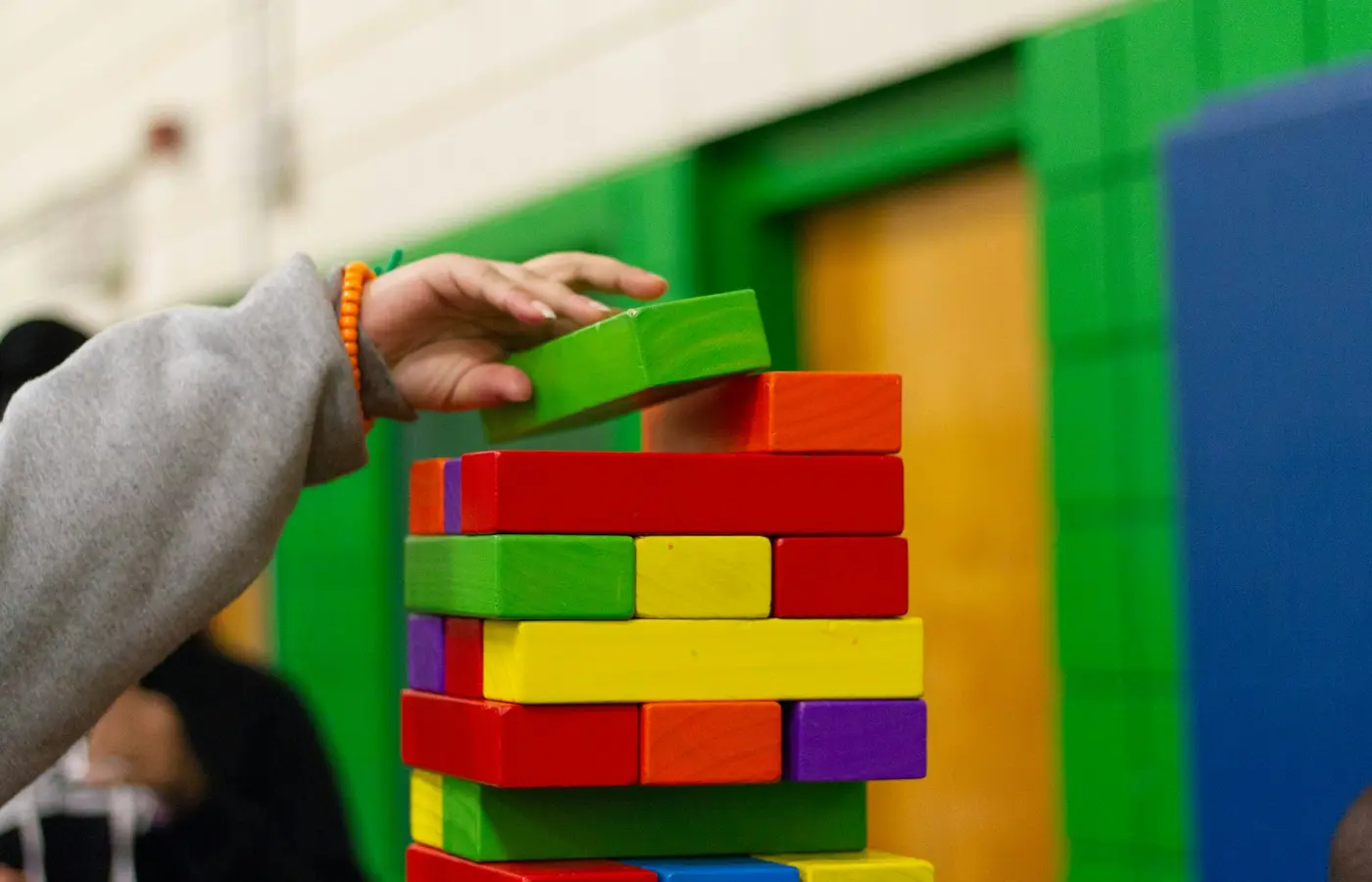
Choose a construction toy by comparing connection style, required force, piece scale, age grade, storage, cleanup, and compatibility.
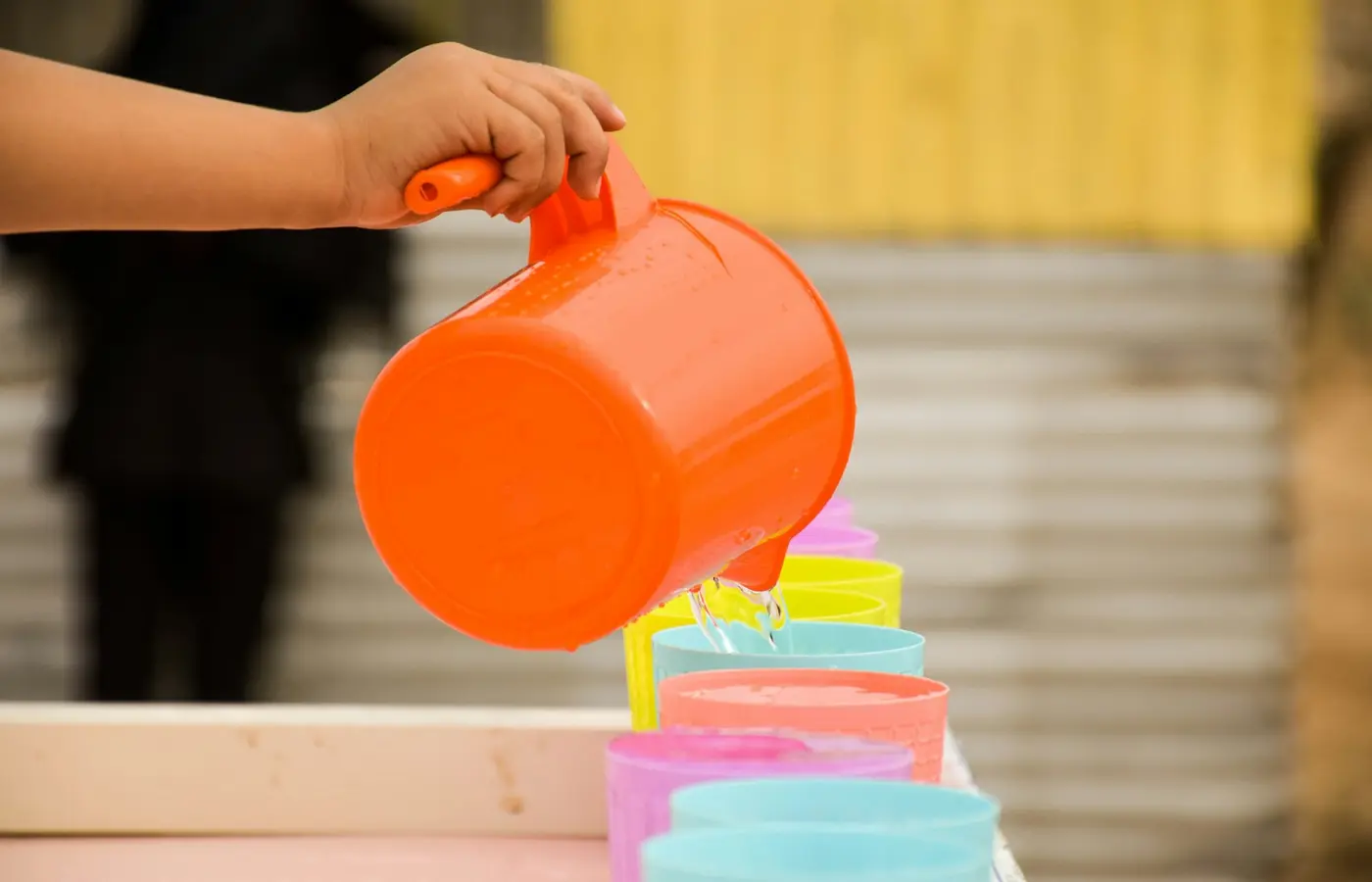
Water beads can expand after swallowing and block a child’s intestine. Learn why supervision is not enough and what to offer instead.
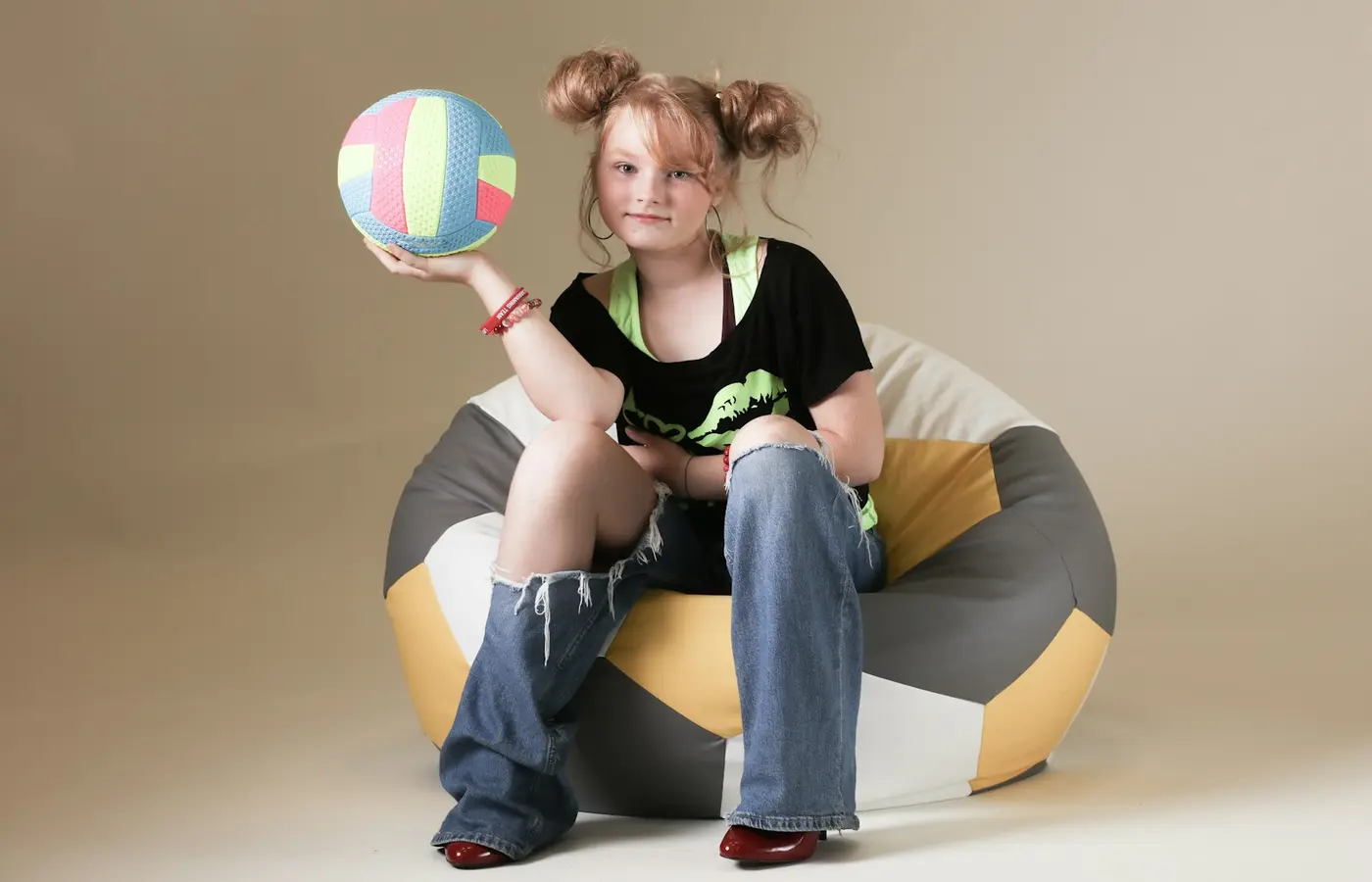
Choose age-appropriate throwing toys by comparing softness, weight, space, bystanders, retrieval, supervision, noise, and storage.

Choose quieter toys by considering floor impact, repeated sounds, controls, storage, supervision, and how play fits your home.
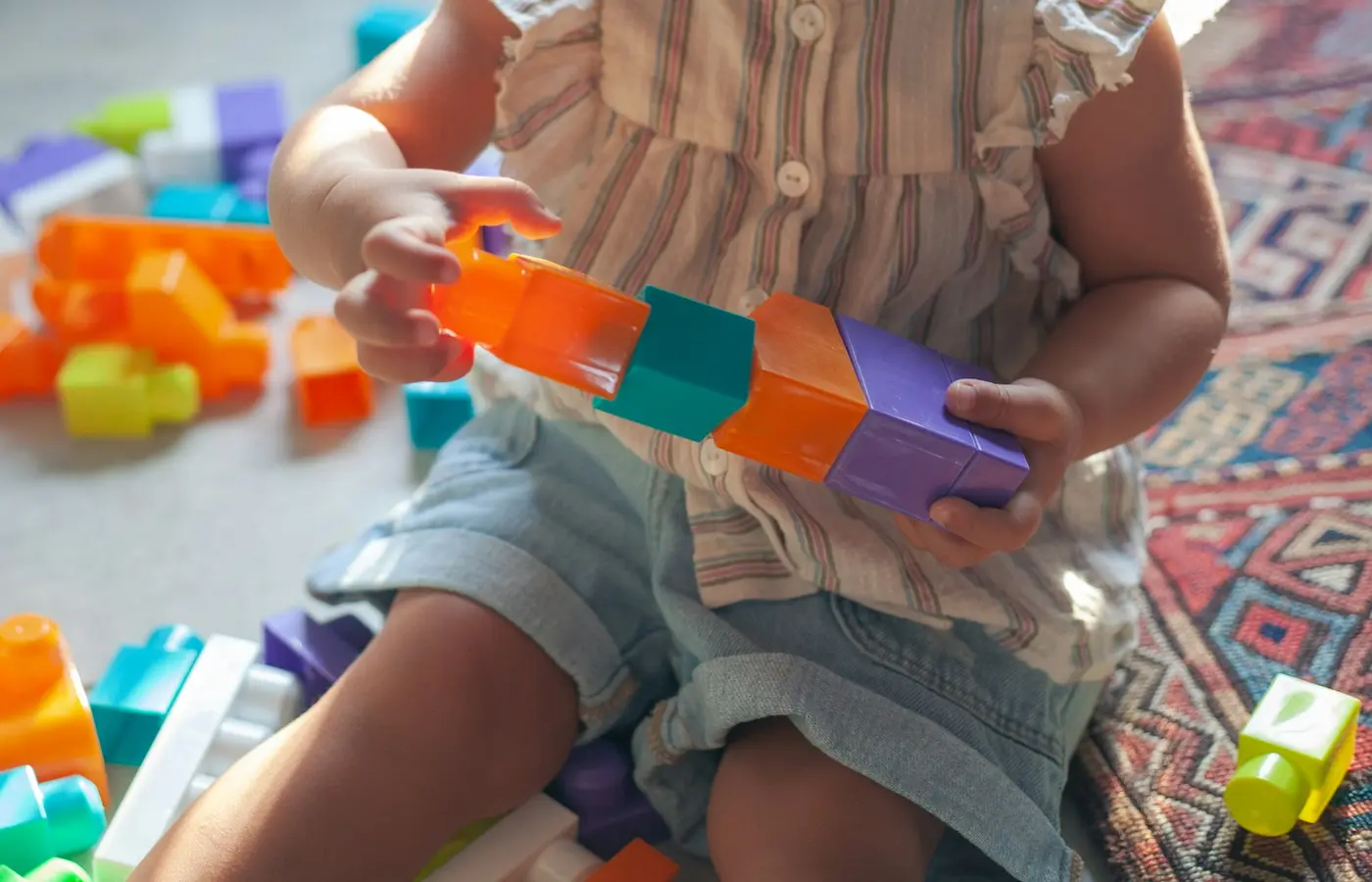
Choose manageable, age-appropriate toys for lining up, sorting, and arranging, with practical guidance on safety, storage, and extending play.

Publication is on hold until authoritative sources verify button battery hazards, compartment requirements, recalls, and handling guidance.
Publication is on hold until official sources verify age grading, small-parts, magnet, battery, projectile, and recall guidance.

Choose a small, practical art setup around your child’s actions, supervision needs, mess tolerance, drying space, cleanup, and storage.
Plan accessible toy storage around your child’s reach, each toy’s shape, shared-room safety, visual clutter, and a realistic cleanup routine.
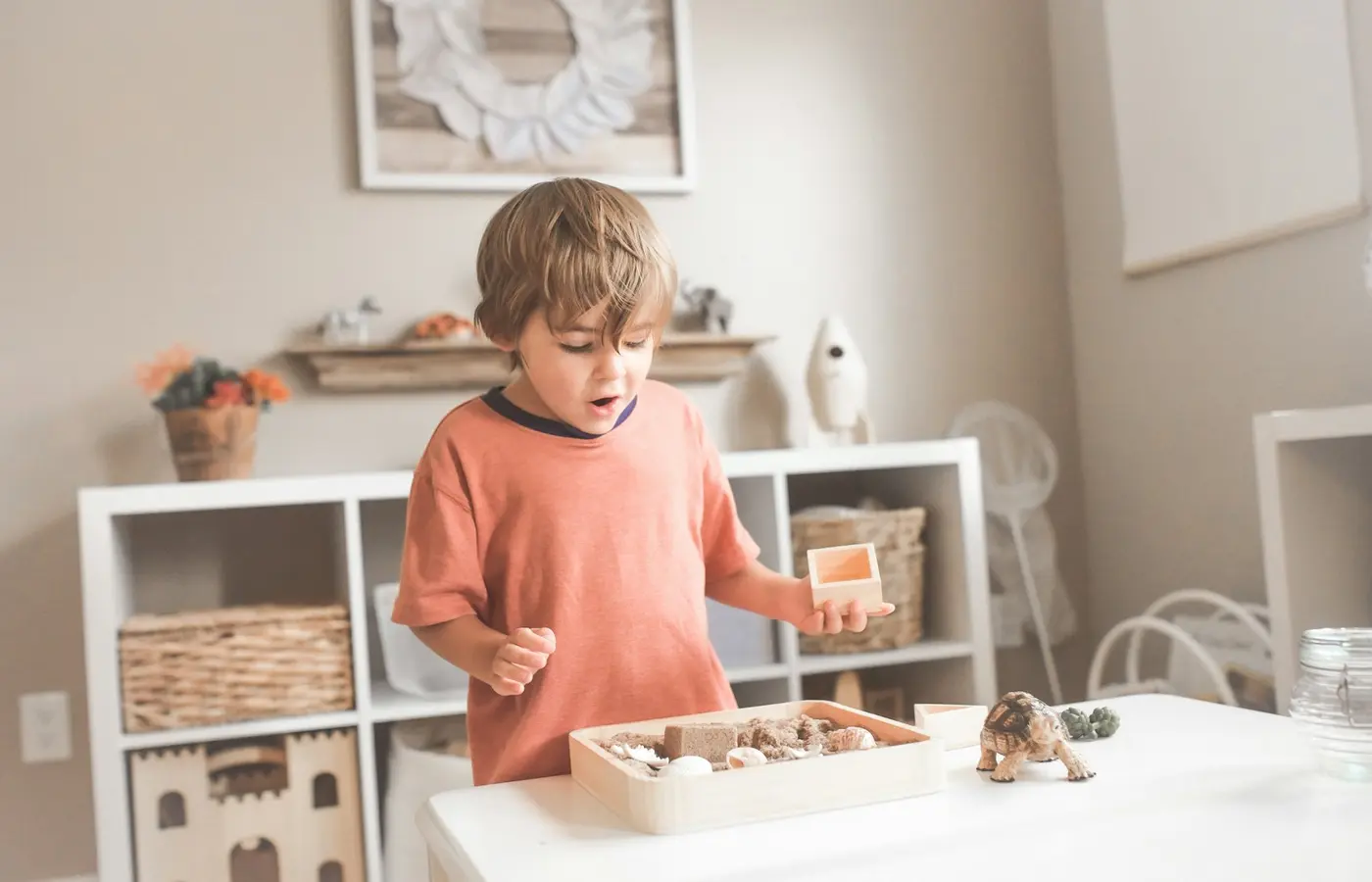
Choose a manageable setup for carrying, filling, loading, and dumping while accounting for age, small pieces, weight, noise, storage, and cleanup.
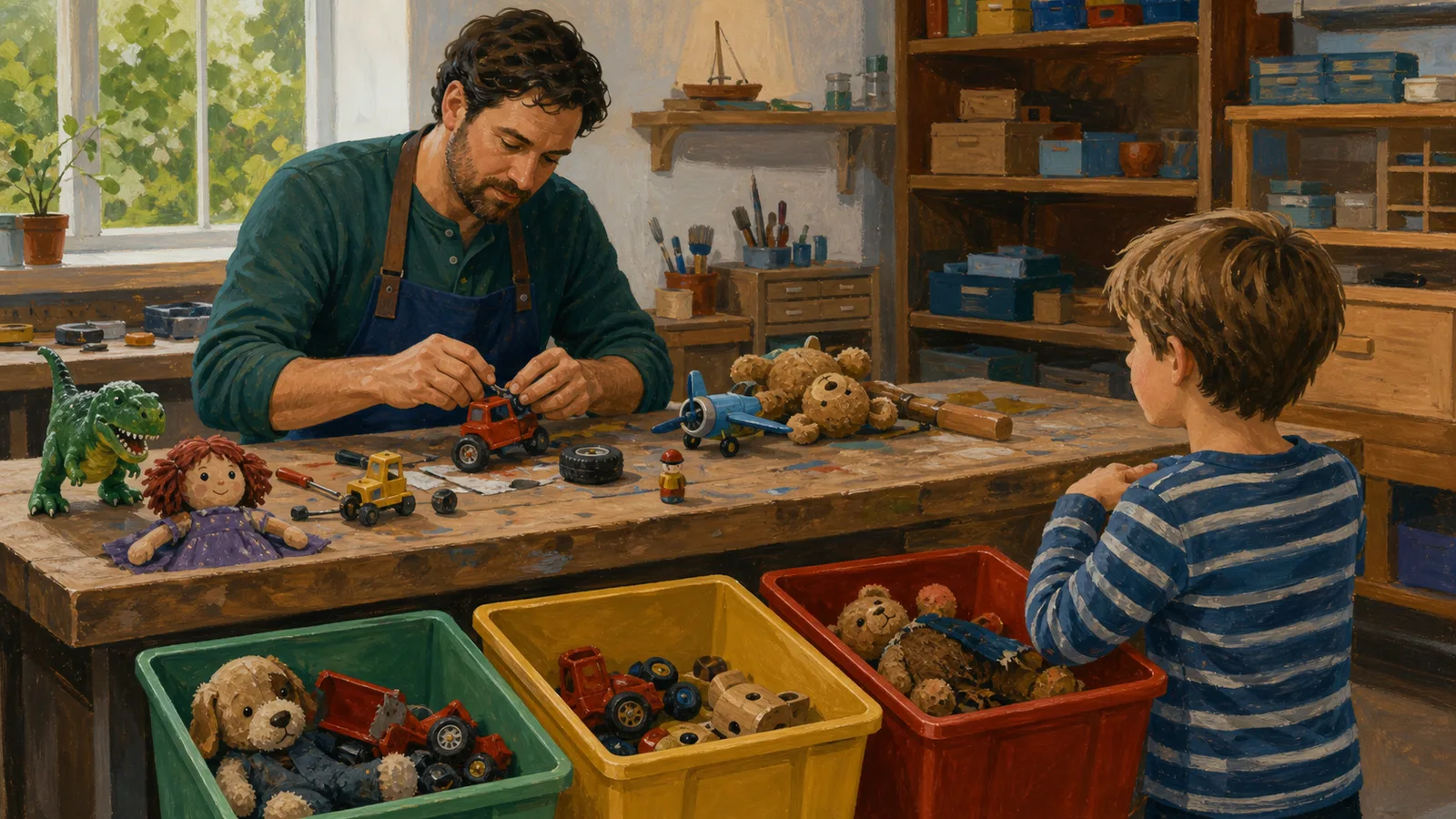
Decide whether a broken toy can return to play by triaging cosmetic, structural, battery, magnet, electrical, coating, hygiene, and recall failures.
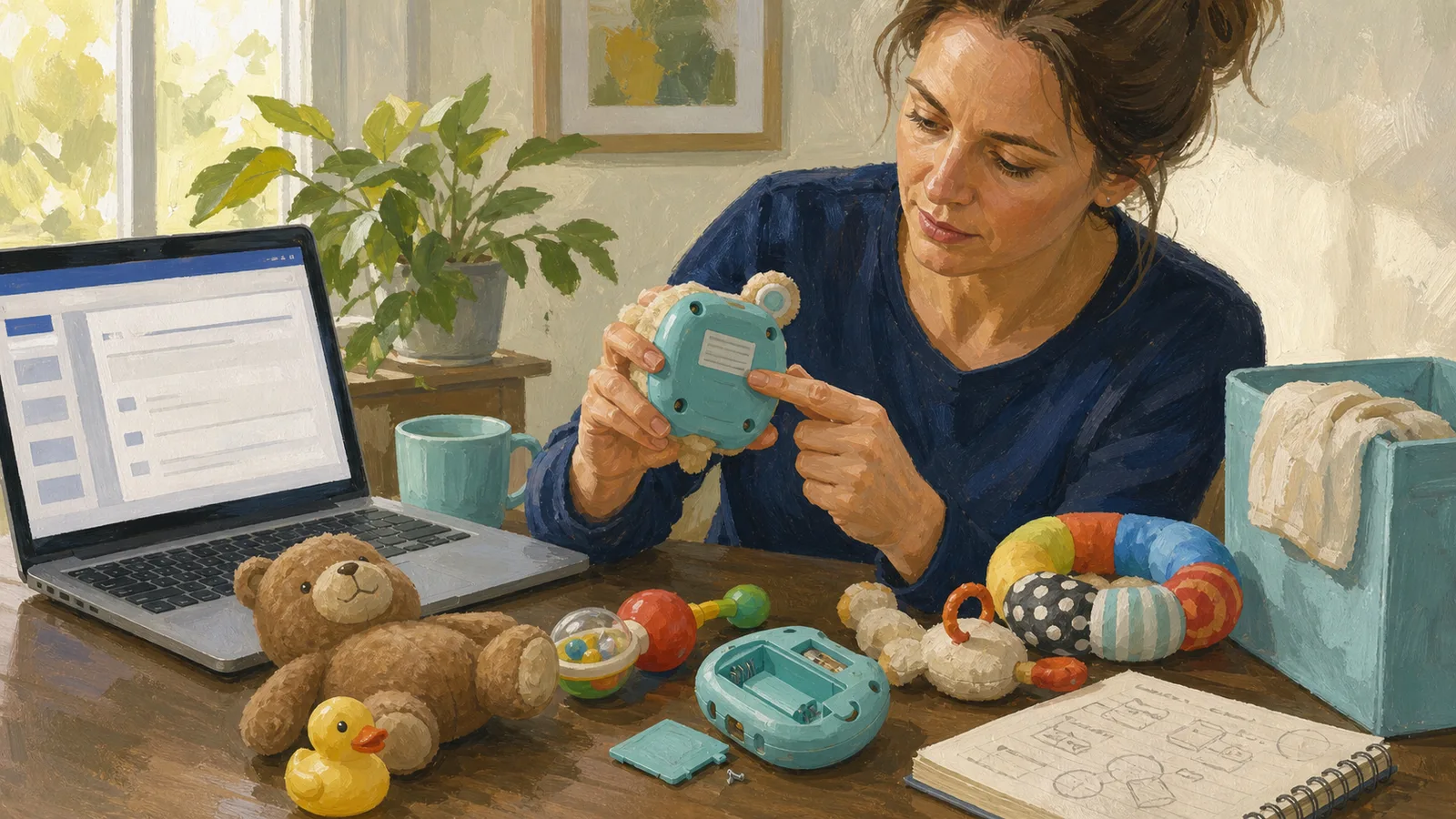
Screen used baby toys for identity, recalls, age grading, lead, batteries, magnets, damage, missing parts, and cleaning limits before buying or accepting them.
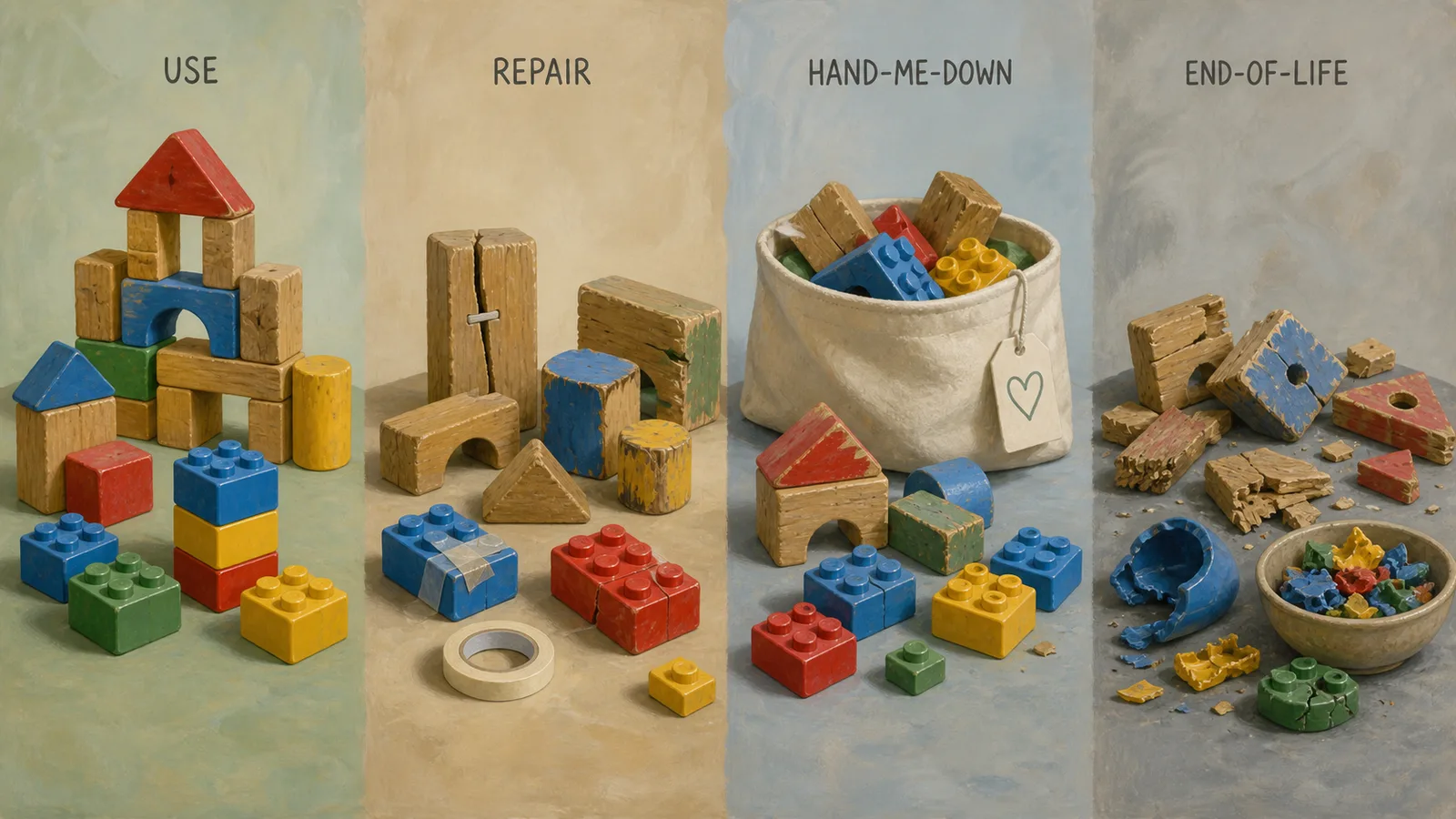
Compare wooden and plastic toys by design, weight, cleanability, coatings, durability, repair, transport, reuse, and end of life rather than material stereotypes.
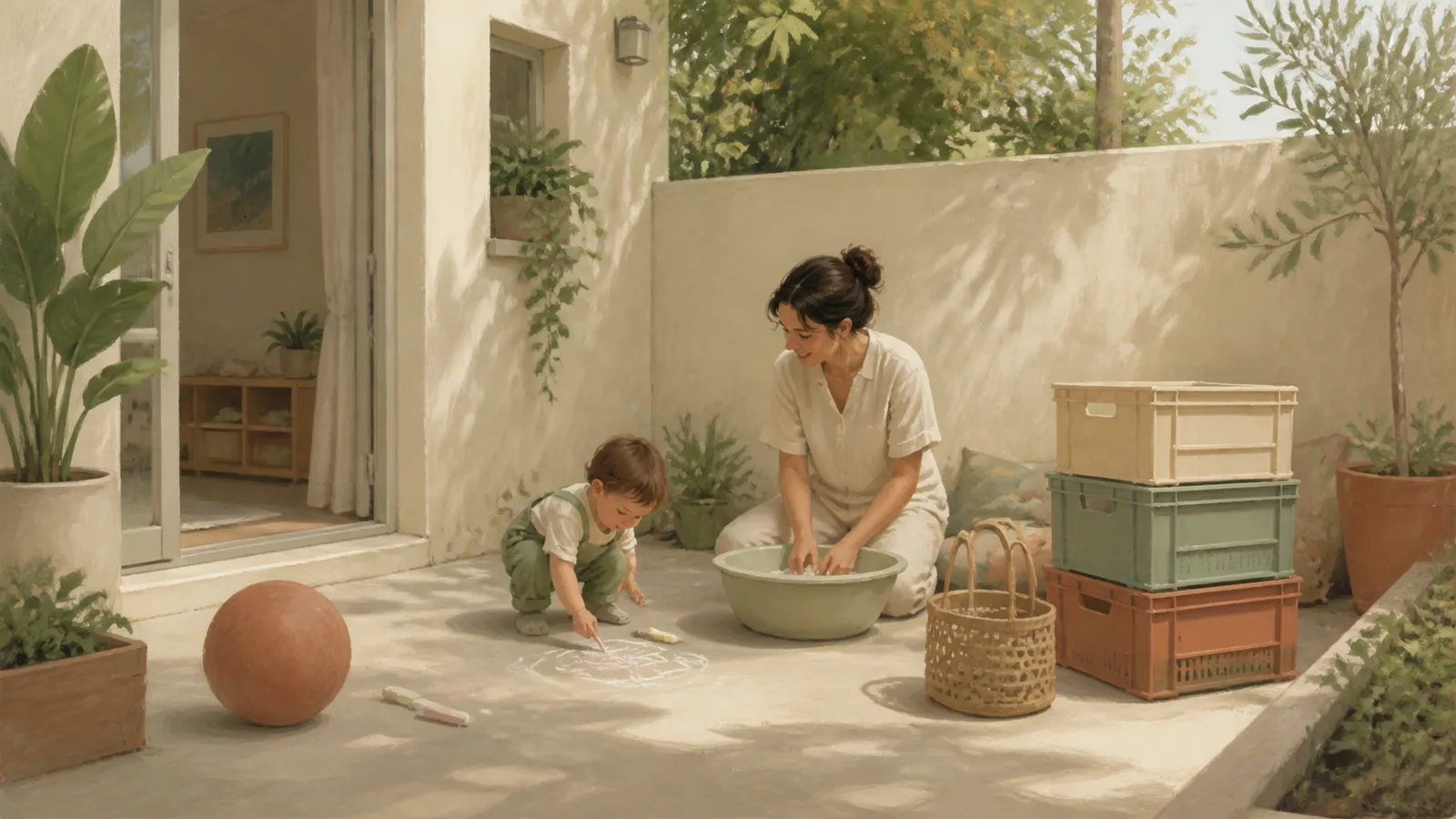
Choose outdoor toys for a balcony, patio, courtyard, or shared space by checking the full play zone, rails, drainage, noise, storage, and supervision.

Use live singing, gentle rhythm, movement, and responsive pauses with babies from birth to 12 months—without special musical talent or equipment.
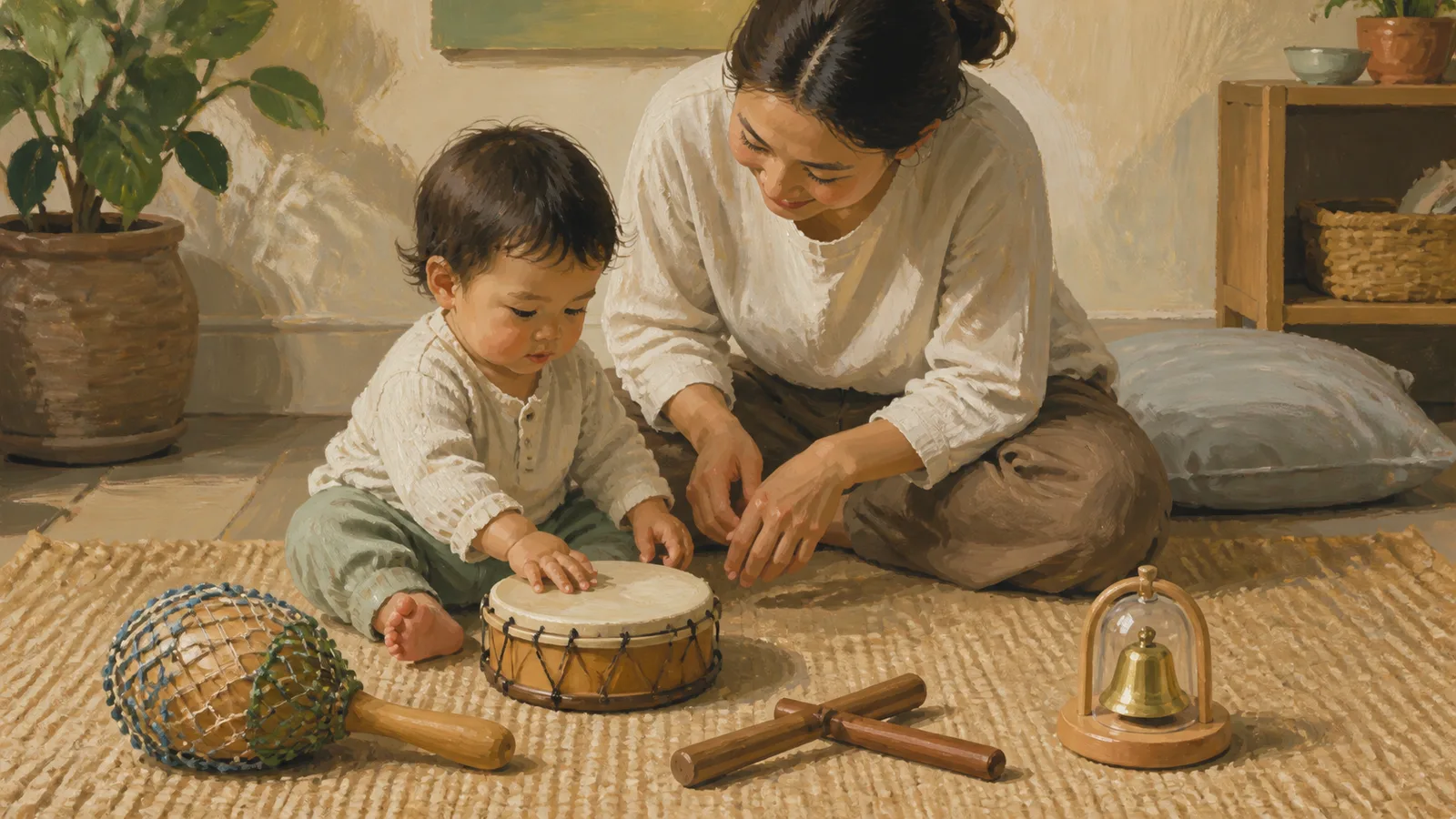
Compare drums, enclosed shakers, bells, tapping tools, and simple pitched instruments by motor demand, volume, construction, storage, and longevity.
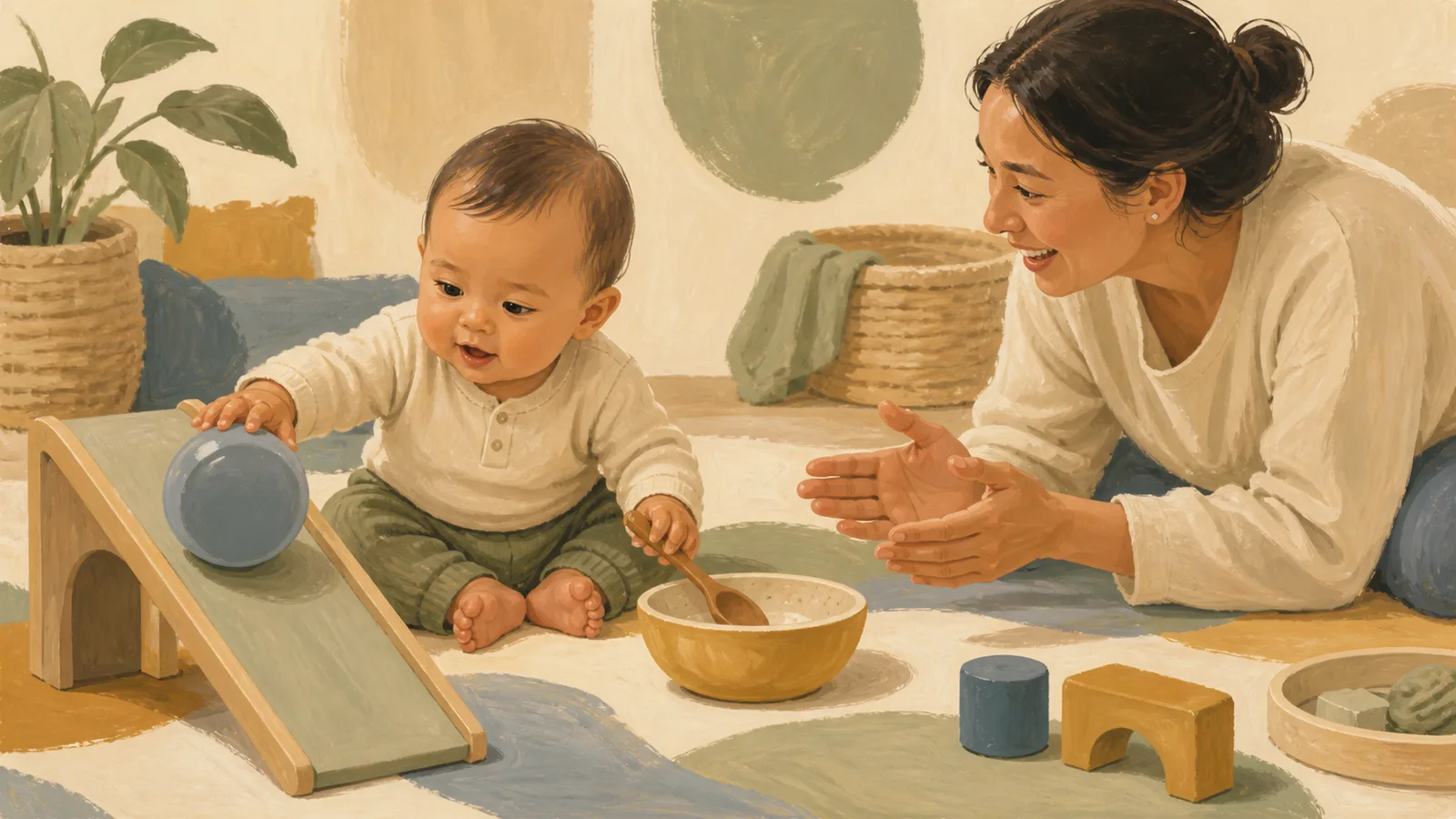
See how babies discover action and response through people, movement, sound, dropping, rolling, and simple toys—without needing a bank of flashing buttons.
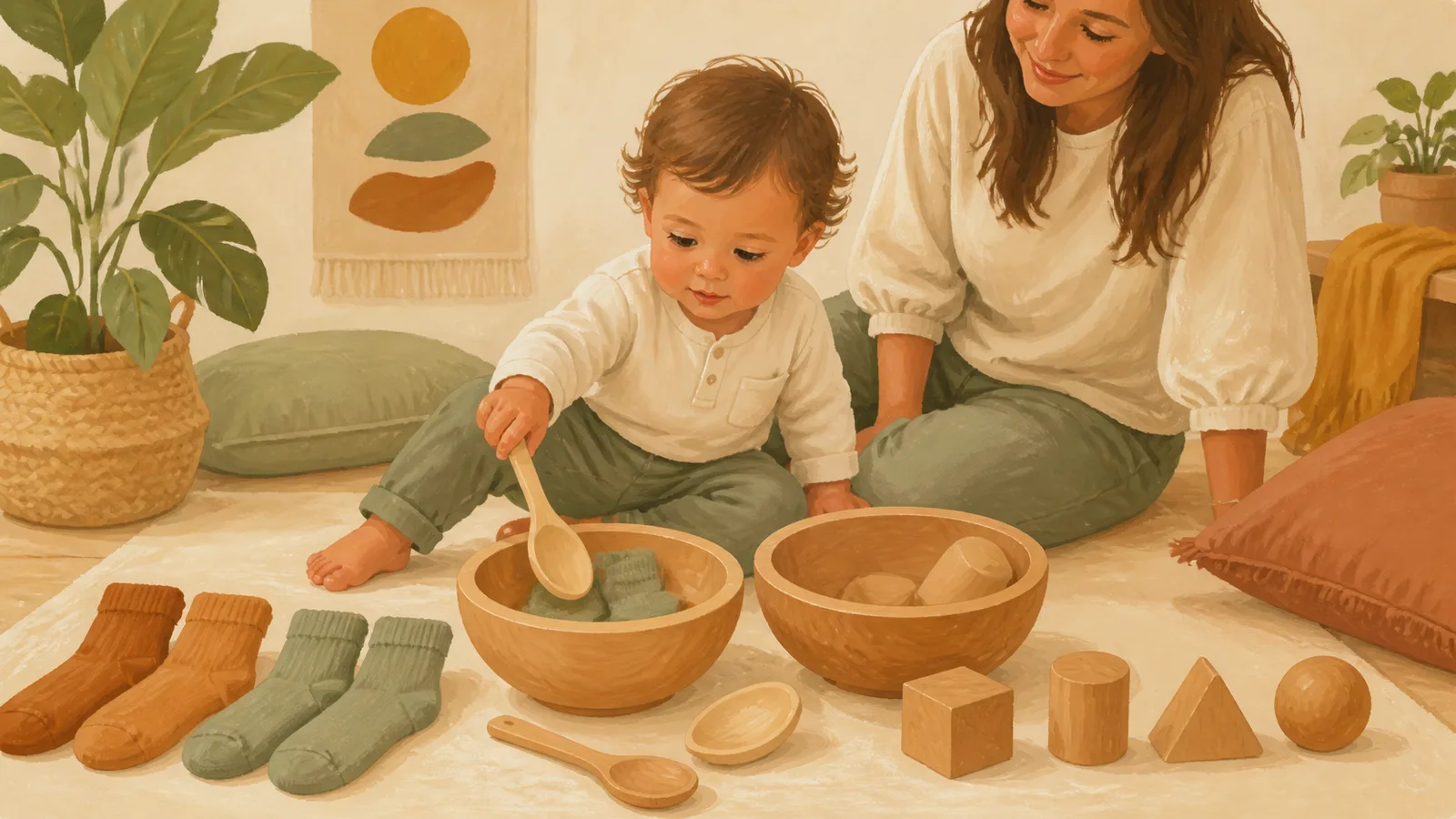
Make matching and sorting manageable from 12–24 months by separating visual, language, memory, and motor demands—and starting with obvious real objects.
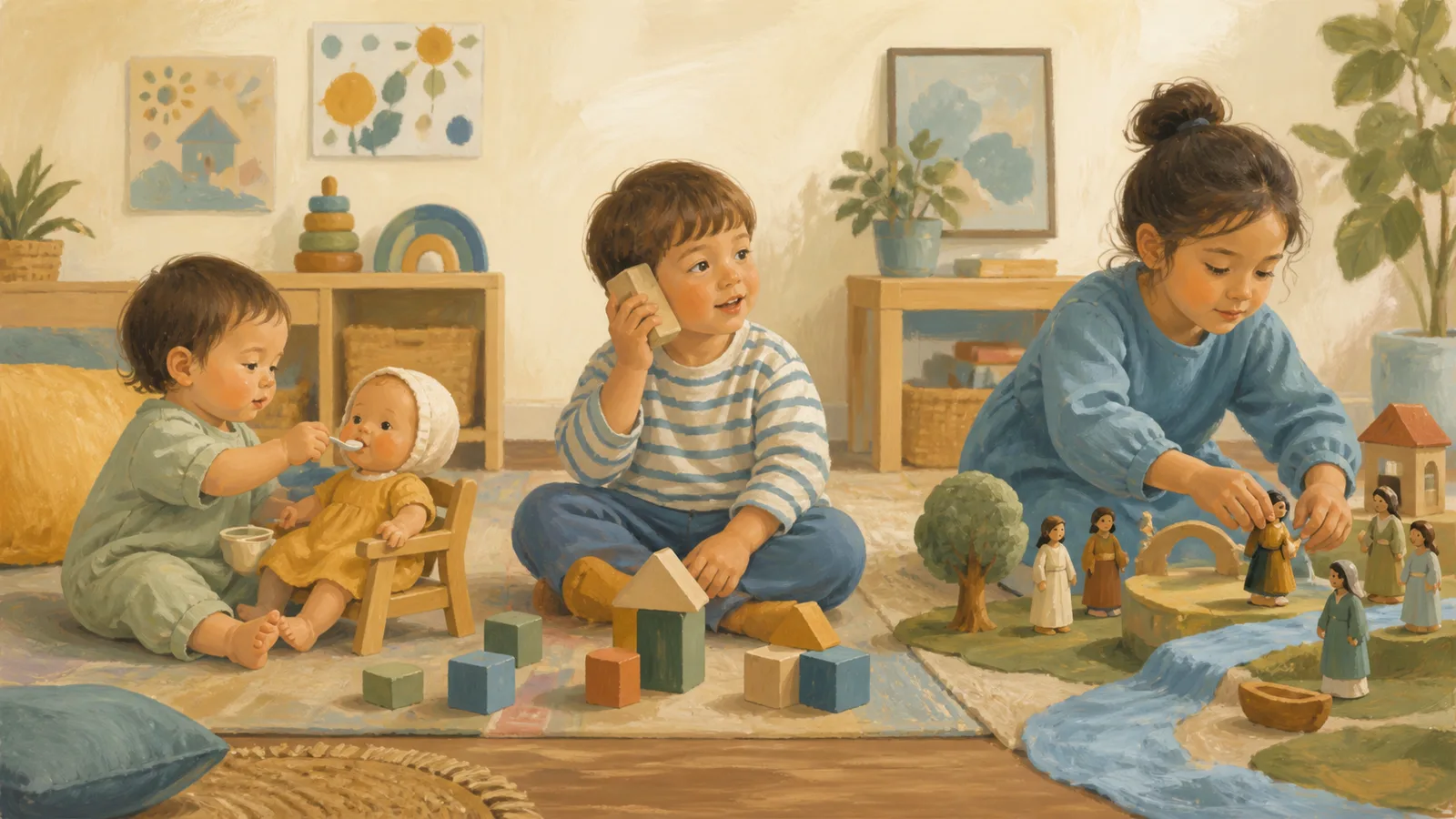
Recognize how pretend play changes through actions, object substitution, sequences, roles, planning, and shared stories—without a rigid age checklist.
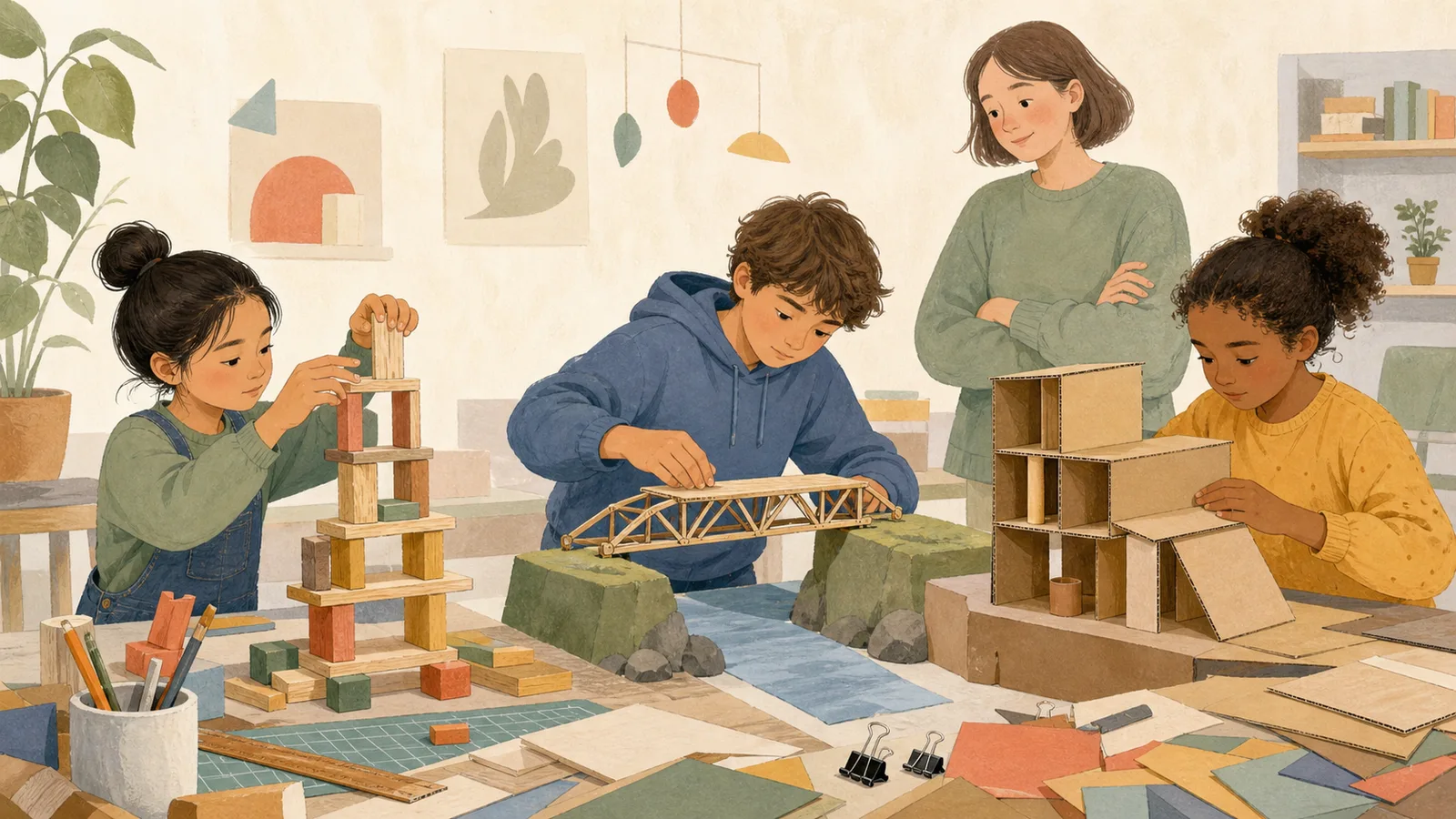
Scale construction play by changing materials, constraints, tests, and independence—from toddler stacking to older children’s structural design.
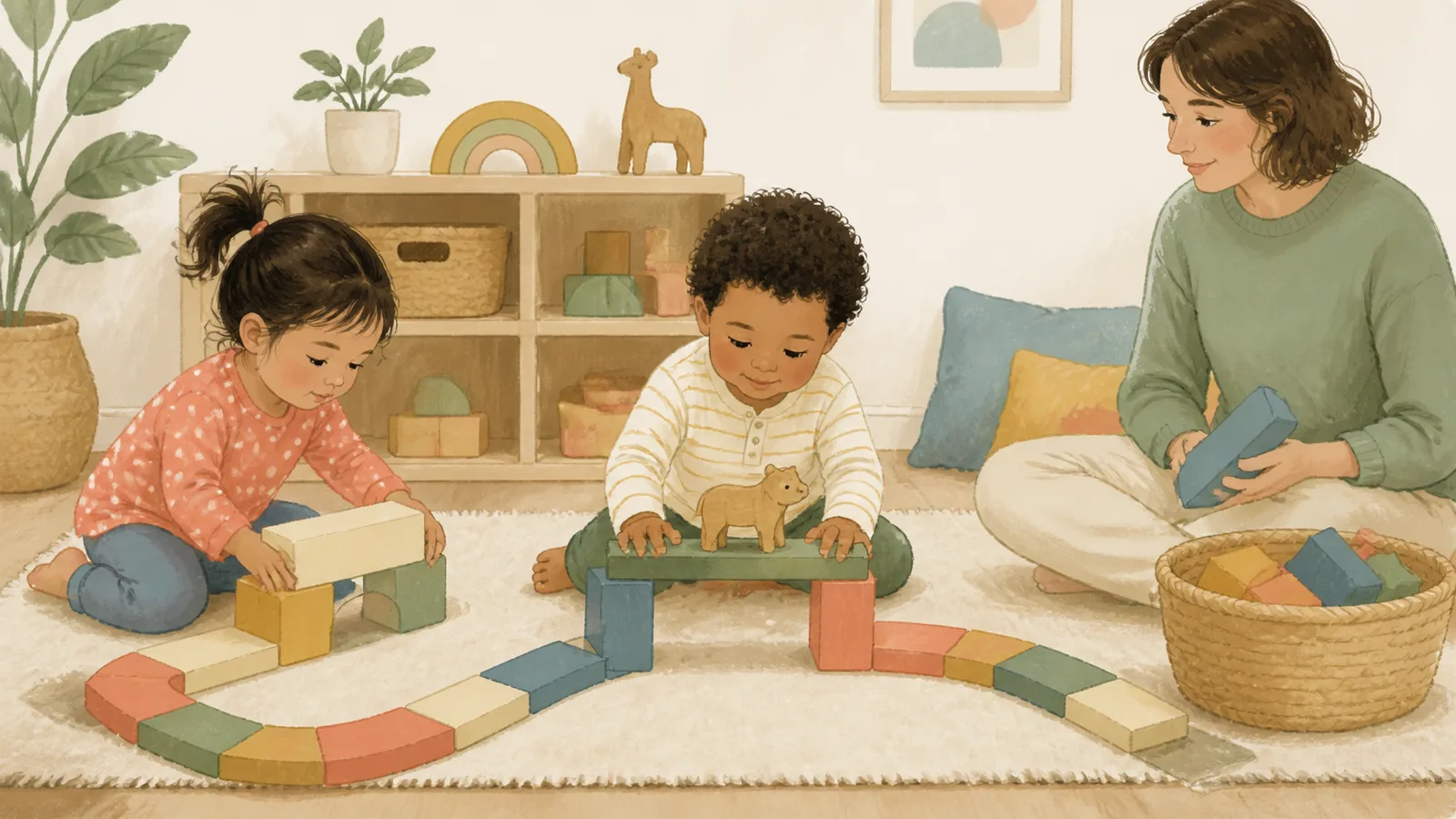
Use action-based prompts for carrying, lining, balancing, bridging, enclosing, and storytelling without asking a toddler to copy an adult model.
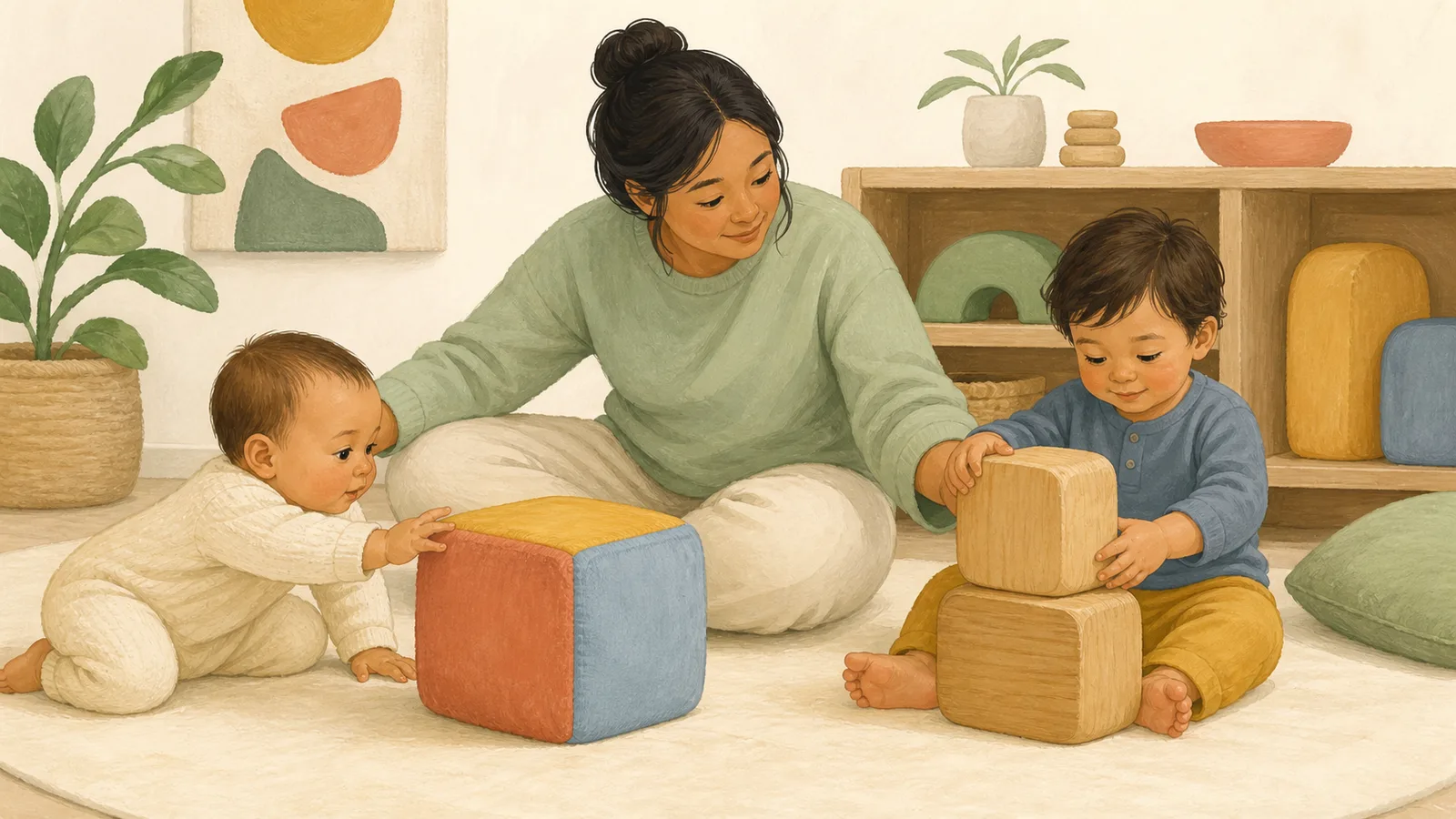
Compare soft, lightweight, hollow, interlocking, and wooden blocks by grip, weight, sound, cleaning, storage, and how children actually use them.
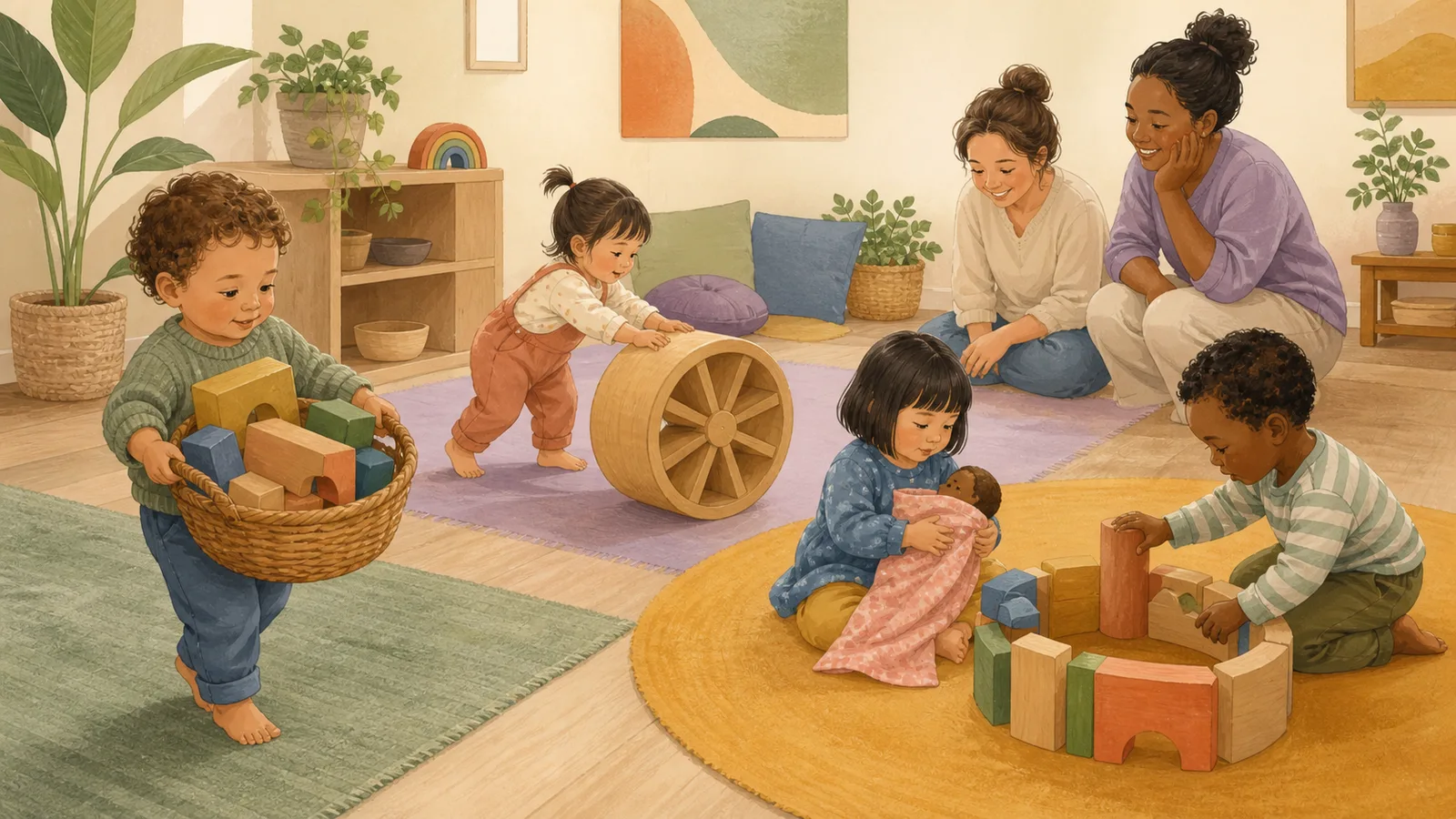
A plain-language guide to transporting, trajectory, rotation, enclosing, and other repeated play patterns—with safer ways to support the action.
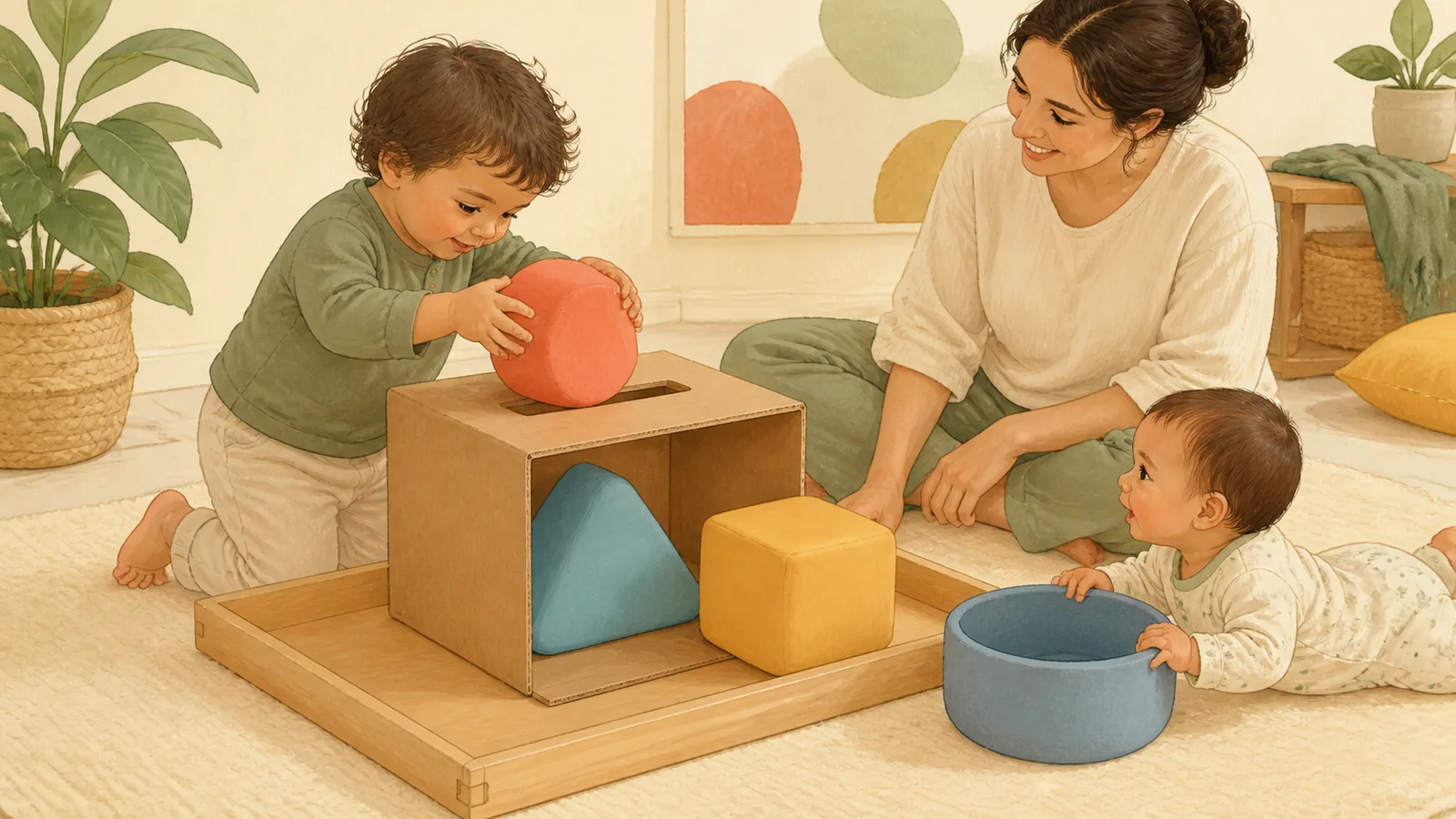
Start with filling and dumping, then adjust openings, objects, and visibility as a child becomes ready for more precise posting play.
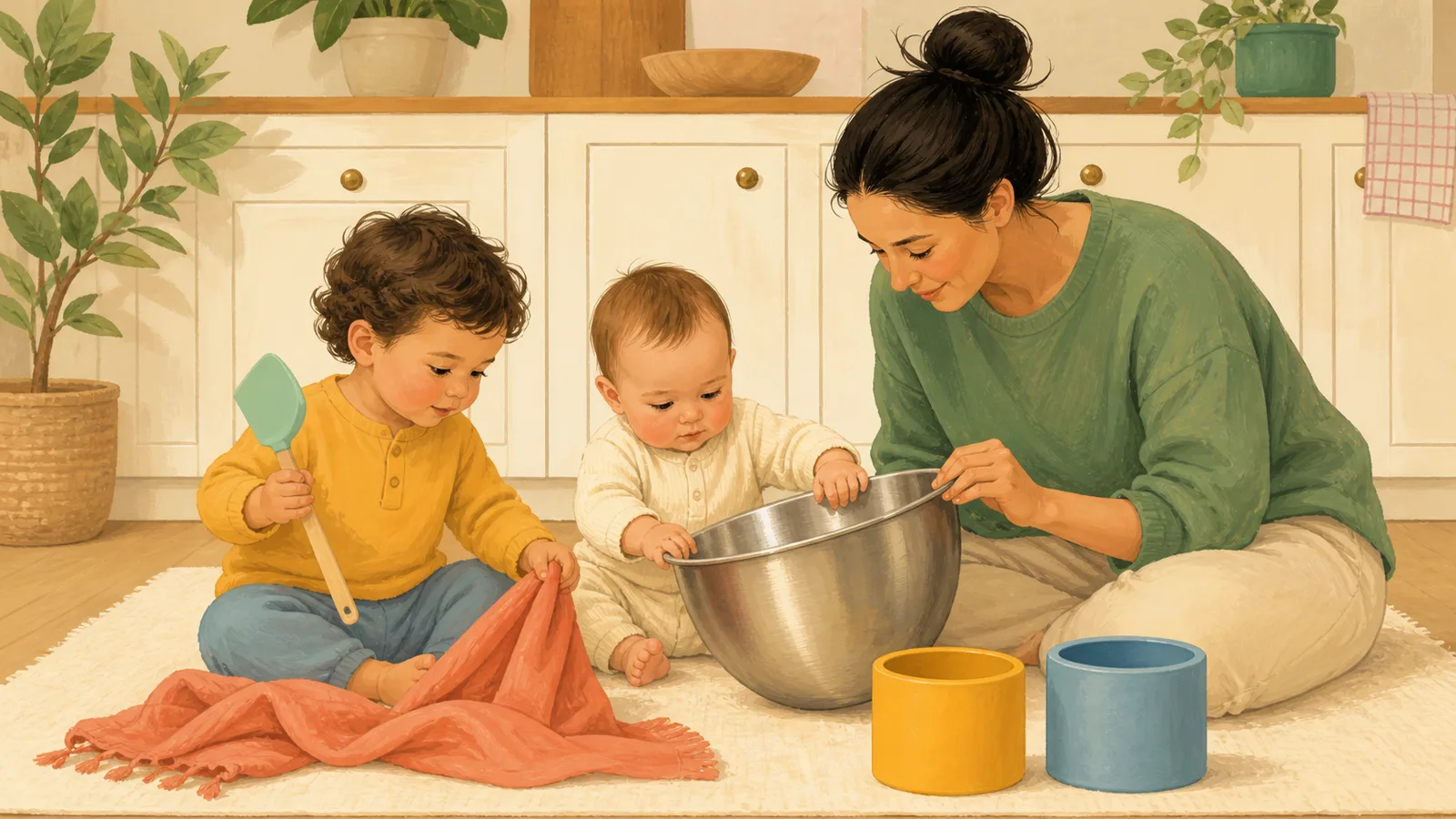
Use a six-question safety screen before turning bowls, cloths, containers, and kitchen tools into play materials for babies or toddlers.
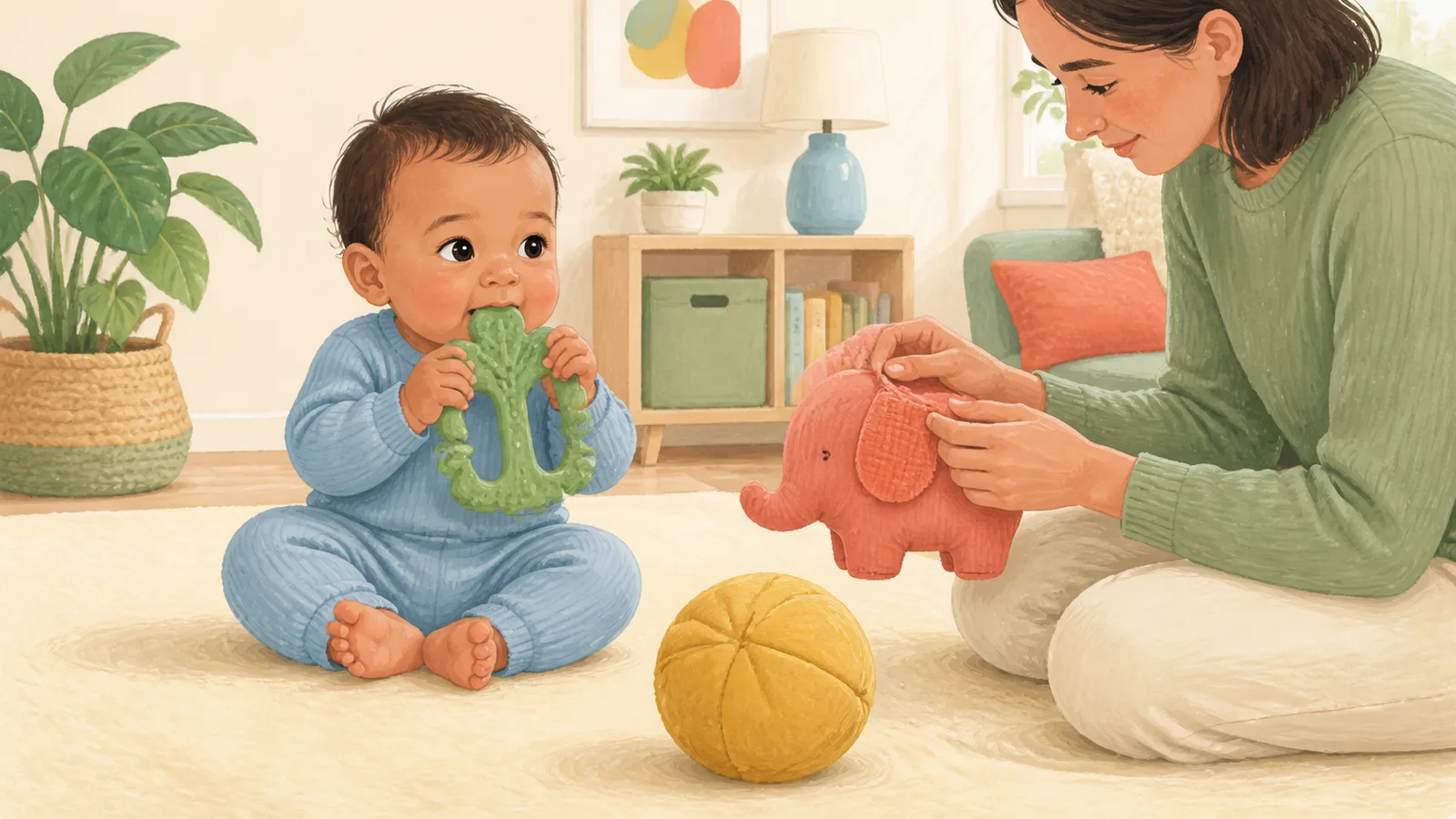
Mouthing is a normal part of infant object exploration, not always a teething signal. Learn what babies may be doing and how to create a safer set of things they can explore.
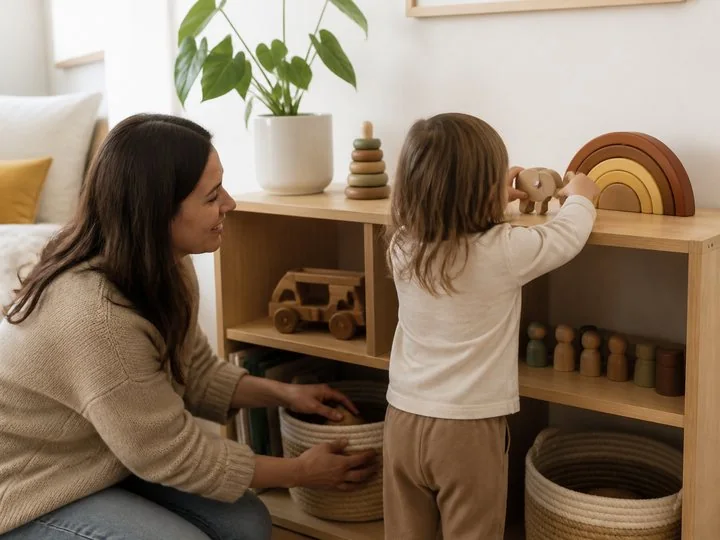
A practical toy rotation system for toddlers and preschoolers, including how many toys to offer, what to keep out, and what the research really shows.
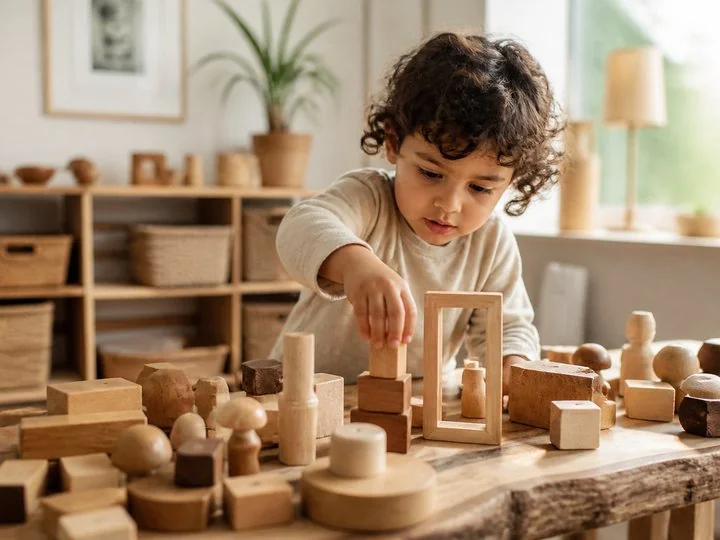
A research-aware guide to open-ended toys, with age-by-age examples, comparisons, evidence limits, and practical ways to support flexible play.
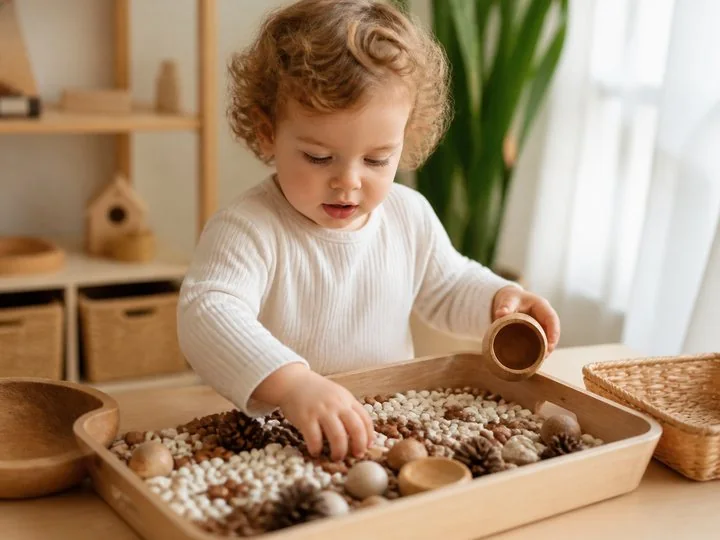
Twelve low-prep sensory play ideas, with an age-aware safety screen for mouthing, water, allergies, small parts, and mixed-age siblings.
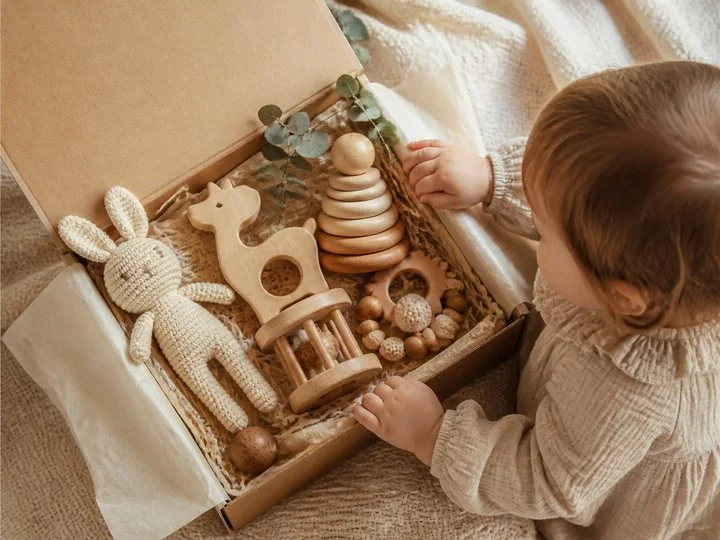
A calm framework for choosing lower-impact toy gifts, checking environmental claims, buying secondhand safely, and prioritizing long useful life.
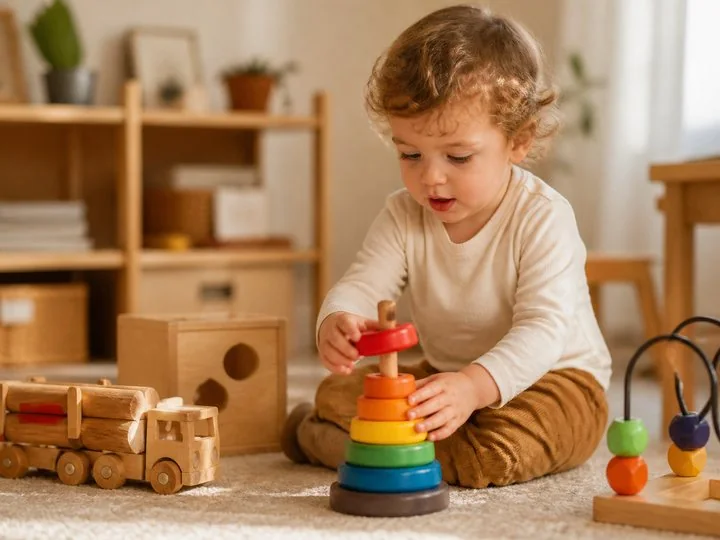
Six current wooden toys compared by age, play style, pieces, storage, materials, versatility, safety, and honest trade-offs.
Helpful context
Repetition helps toddlers predict outcomes, refine movement, and build confidence.
Yes. Large blocks, containers, balls, and simple pretend objects can be used in many ways as skills grow.