A toy that lights up, talks, plays music, or comes with a small remote may contain a button or coin battery. Before it reaches a child—whether it is new, borrowed, secondhand, or pulled from a storage bin—take a minute to find the battery compartment and check that it is intact.
The short version: identify whether the item uses a flat button or coin battery, locate the battery door, and make sure its closure is secure exactly as the manufacturer directs. Keep loose batteries and any product with an accessible, damaged, missing, or loose battery cover out of children’s reach.
This check is worth doing beyond the toy box. A child may pick up household objects during play, including remotes, book lights, small scales, and thermometers. The U.S. Consumer Product Safety Commission (CPSC) advises caregivers to check toys at home, secure battery compartments, and keep children away from loose button and coin batteries.
Start with a quick check before an item enters play
You do not need to inspect every toy in the house all at once. Start with the item that has just arrived, is about to come back into rotation, or will be within a child’s reach.
A quick check is especially useful for items that:
- Light up, make sounds, vibrate, or have a small electronic display
- Include a remote control
- Have a music, timer, alarm, or recording feature
- Were bought secondhand or received as a hand-me-down
- Have been stored for a long time
- Have recently had batteries changed
Look first at the packaging and instructions, if they are still available. They may identify the battery type, show where the compartment is located, and explain how the cover should be opened and closed. Instructions for a particular product matter because closures and replacement steps differ between items.
Then turn the item over and look for a battery panel. It may be on the back, underside, inside a handle, beneath a small flap, or in a separate remote. If you cannot tell whether an item contains a battery, it is reasonable to set it aside until you can check the instructions or identify the model.
The CPSC says children should not play with or be in contact with button cell or coin batteries. That includes a battery that has been removed for replacement and left briefly on a table, floor, or counter.
Know what button and coin batteries look like
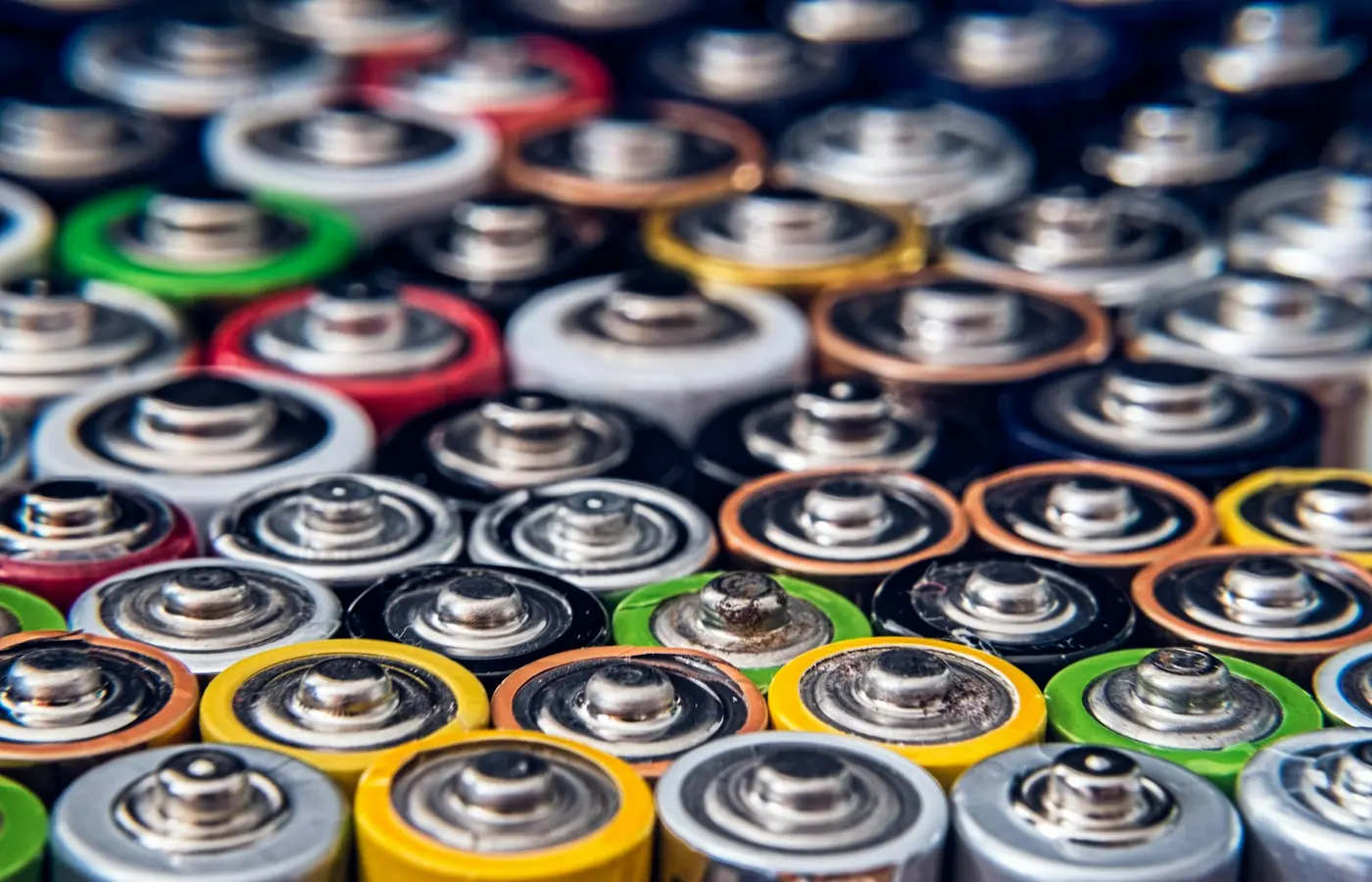
Button and coin batteries are flat, round, single-cell batteries. The NSW Government describes them as having a diameter greater than their height. They may look more like a small metal disc than a familiar cylindrical household battery.
They can appear in toys, but they are not limited to toys. A useful household scan includes objects a child may carry, press, sort, pretend with, or dismantle during everyday play.
Items to check may include:
- Small electronic toys and toy remotes
- Light-up books and book lights
- Remotes for televisions, lights, or other devices
- Kitchen scales
- Thermometers
- Small clocks, timers, and electronic accessories
- Musical cards or other novelty items with electronic features
Not every small electronic item uses a button or coin battery, and an item that uses another battery type may still have a compartment worth checking. The point is not to make every household object feel alarming. It is to notice the small electronics that can easily be overlooked because they are not marketed as toys.
If a household item is likely to become part of pretend play—for example, a remote handed over during a “living room shop” game—check it before offering it. If you cannot confirm that its battery compartment is secure, choose another prop. A wooden block, an empty clean container, or a toy phone without accessible batteries can keep the play moving without adding an item you need to monitor closely.
Find the battery compartment and check the closure
Once you have found the battery compartment, inspect it without trying to improvise a repair.
Look for the door or panel
A battery compartment may have a small seam, a separate panel, a tiny screw, or markings that indicate where batteries are installed. Check the toy itself and any detachable remote or accessory. A toy can have a secure main unit while a smaller add-on has a separate compartment.
Check the cover’s condition
Look for obvious signs that the compartment is not functioning as intended:
- A cover that is missing
- A crack, split, or broken edge
- A panel that sits unevenly or lifts away from the product
- A screw or other closure that is missing, damaged, or will not hold the cover in place
- A compartment that opens or exposes the battery during ordinary handling
The CPSC advises that toys with button cell or coin batteries have a secure closure requiring a screwdriver, coin, or tool to open. This does not mean every product with a screw is automatically safe in every circumstance. A closure can still be damaged, incorrectly assembled, or unsuitable for continued use if it no longer works as instructed.
Follow the product’s instructions rather than guessing
If you need to replace a battery, use the manufacturer’s instructions for that specific item. They should indicate the intended opening method, the battery type, and how to close the compartment again.
Avoid treating tape, glue, or another homemade alteration as a substitute for a working battery cover. Those approaches are not a verified repair, may interfere with the product’s intended closure, and can make it harder to assess whether the compartment remains secure. If the cover will not close as directed, the safer decision is to remove the product from child access and address the problem through the manufacturer’s support information, repair options, replacement, or disposal.
What to do with a damaged or missing battery cover
A damaged battery compartment is a stop-use issue for the item around children. You do not need to solve it while a child waits to play.
Move the product out of reach first. Then decide what is practical:
- Check the instructions and product support information. The manufacturer may provide a replacement part, service direction, or other product-specific guidance.
- Repair, replace, or dispose of the item as appropriate. The CPSC advises replacing, repairing, or disposing of a product as soon as possible if a compartment holding button or coin batteries is damaged.
- Secure any removed battery immediately. Do not leave it on a work surface while looking for a screwdriver, replacement part, or packaging.
- Keep the item out of the play area until the compartment works as instructed. A toy can wait. You do not need to offer a substitute activity that day if simplifying is easier.
The same approach applies when a cover seems present but will not stay aligned or closed. It is not necessary to decide whether a child could open it. If the closure is questionable, treat the item as unavailable until you can verify or resolve the issue.
For an item that is no longer worth repairing, follow local battery-disposal guidance and any manufacturer instructions that apply. The important immediate step is preventing a loose battery or accessible compartment from remaining in the home’s play spaces.
Build the check into ordinary setup and storage
A small routine can catch many problems before they become an urgent search for a missing battery. You might make the check part of moments that already involve handling toys and household gear.
Consider checking battery-powered items when you:
- Unbox a birthday or holiday gift
- Bring stored toys back into use
- Accept a hand-me-down or buy secondhand
- Change batteries
- Set out toys before a playdate or family gathering
- Put together a travel bag with electronics, lights, or small games
- Notice a toy or remote has stopped working
If several items need attention, do not feel pressured to inspect them all at once. Start with objects a child uses often and items that are small, electronic, or easy to carry from room to room. Place uncertain products somewhere inaccessible until you have time to check them.
The CPSC guidance also specifically advises keeping remotes, electronics, and products with accessible button or coin batteries away from children if the compartment does not have a screw closure to secure it.
For families with young children, another prevention option is simply reducing the number of button-battery items that enter daily play. The NSW Government suggests trying to avoid buying toys and household items containing these batteries when young children are in the home. That is not a requirement to replace useful household equipment or reject every electronic toy. It can be a helpful selection rule when choosing between otherwise similar options.
If a battery may have been swallowed or inserted, use emergency guidance right away
Suspected swallowing or insertion of a button or coin battery needs immediate official medical and emergency guidance. Do not wait to see whether a child develops symptoms.
Emergency instructions vary by location. In New South Wales, Australia, the NSW Government advises calling 000 if you suspect a young child has swallowed a coin or button battery. Its guidance says not to let the child eat or drink and not to induce vomiting.
For U.S. readers, use the CPSC Button Cell and Coin Battery Information Center for official safety information and follow local emergency instructions. If you are elsewhere, contact your local emergency service or poison-information resource and use guidance for your jurisdiction.
If you notice a battery is missing from an item and cannot account for it, treat that as a reason to seek immediate official advice rather than assuming it was misplaced.
Common questions
How can I tell whether a toy uses a button or coin battery?
Check the packaging and instructions first, then look for a small battery door or panel on the toy and any remote or electronic accessory. Button and coin batteries are flat, round cells. If you cannot identify the battery type or locate the compartment, set the item aside until you can find the product instructions or manufacturer information.
What should I do if a toy’s battery cover is loose or missing?
Keep the toy away from children. The CPSC advises replacing, repairing, or disposing of products with damaged button or coin battery compartments as soon as possible. Do not rely on a homemade modification in place of the intended closure.
Should I check secondhand toys for button batteries?
Yes. A secondhand item may be missing its instructions, have an older or worn compartment, or contain batteries left by a previous owner. Check the toy and any included remote before it enters regular play.
What is the simplest rule for gifts and household gadgets?
Before a child uses an electronic item, confirm whether it has a button or coin battery and whether the compartment is secure as instructed. If you are unsure, keep it out of reach until you can check.
Sources and research note
- U.S. Consumer Product Safety Commission: Button Cell and Coin Battery Information Center — U.S.-relevant guidance on securing battery compartments, handling loose batteries, and keeping products with accessible compartments away from children.
- NSW Government: Magnets and button batteries in children’s toys — Australian guidance on identifying button and coin batteries, household items that may contain them, and emergency actions in New South Wales.
Manufacturer instructions remain product-specific. Use the documentation for the exact toy or household item to identify its battery type, opening method, closure, and repair or replacement options.