Buying Secondhand Baby Toys: A Safety and Condition Checklist
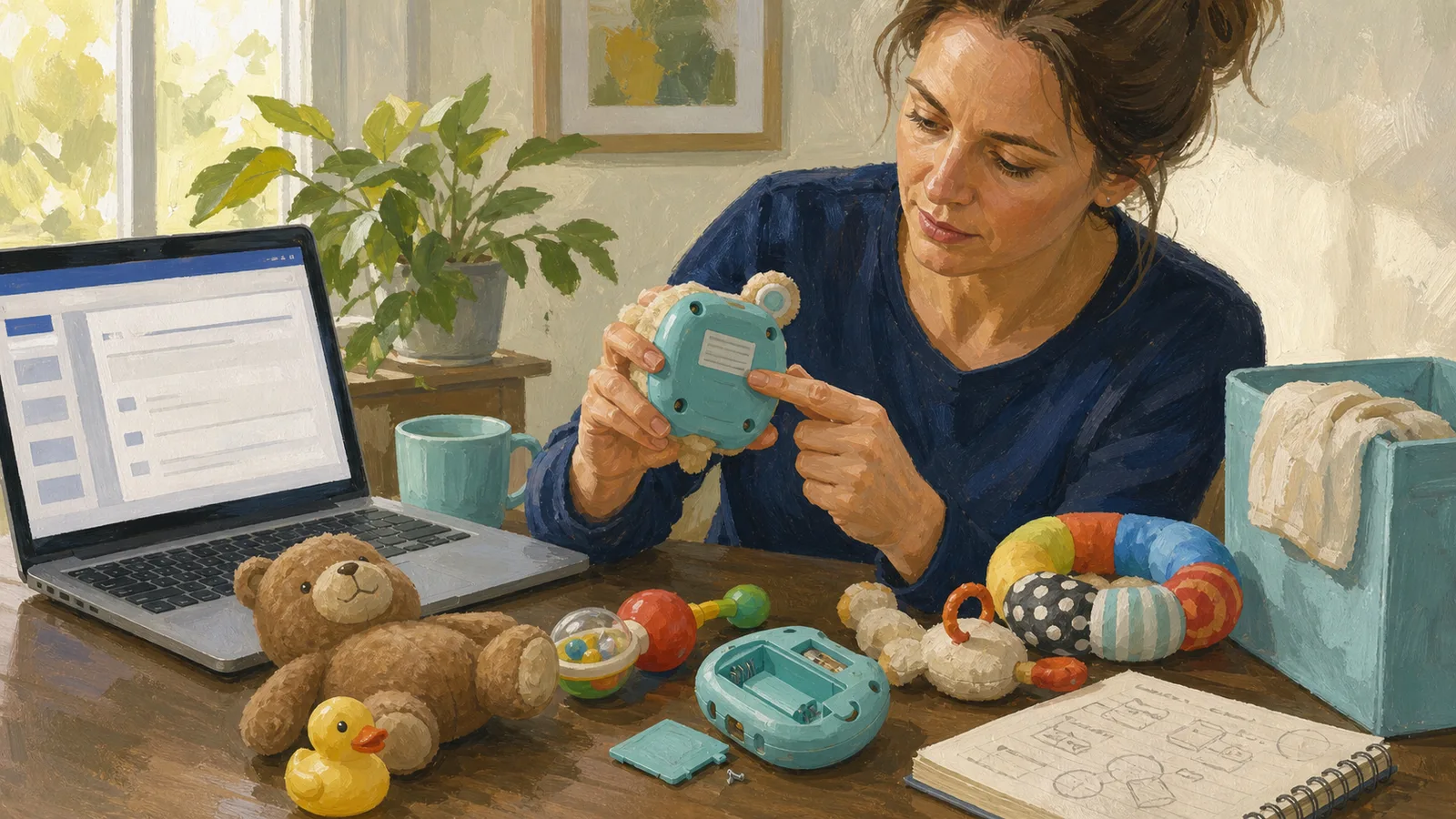
Screen used baby toys for identity, recalls, age grading, lead, batteries, magnets, damage, missing parts, and cleaning limits before buying or accepting them.
By Age
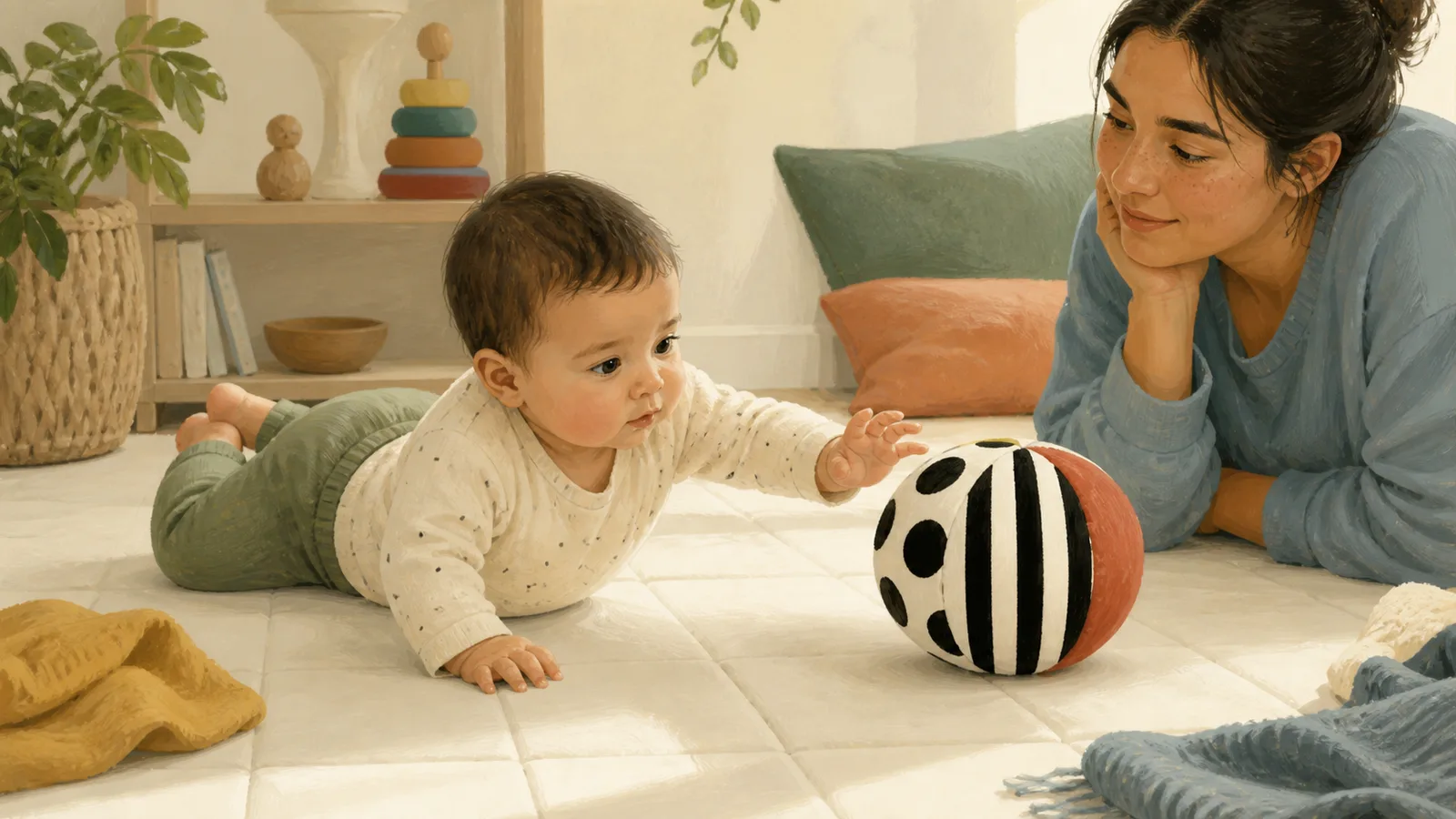
Gentle sensory play, first toys, and simple ways to connect during your baby’s first year.
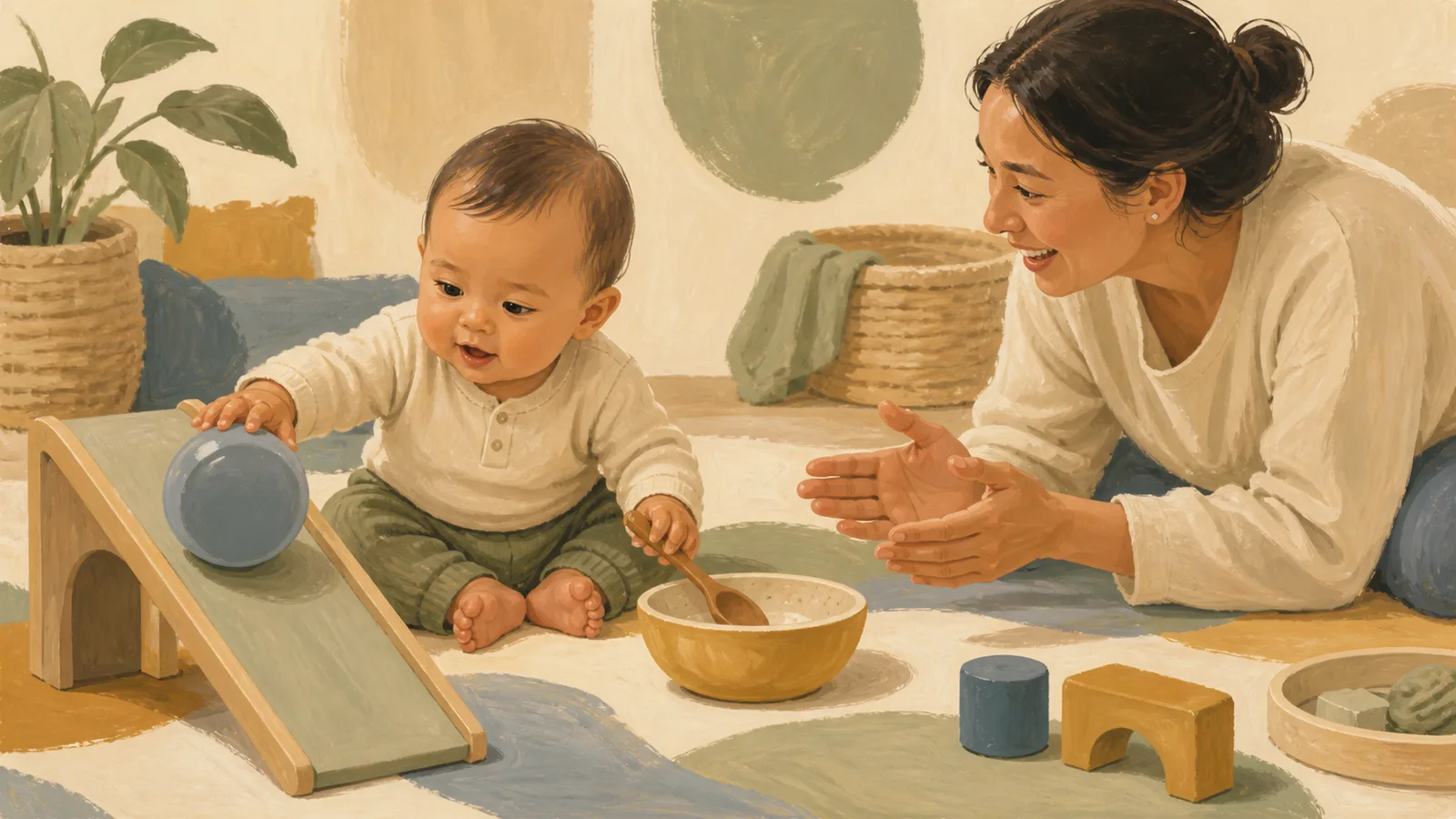
The first year is full of small discoveries: tracking a rolling ball, reaching for a textured cloth, hearing a familiar song, and learning that a caregiver returns. Our baby guides focus on calm, supervised experiences that support connection and curiosity without rushing milestones. Expect practical ideas, realistic toy guidance, and reminders that everyday interaction is already meaningful play.
Start here
Screen used baby toys for identity, recalls, age grading, lead, batteries, magnets, damage, missing parts, and cleaning limits before buying or accepting them.

Try something today
Use a clear, firm floor for awake supervised baby play with back, side, tummy, reaching, rolling, and pivoting ideas—without turning milestones into a race.
Plan outdoor floor time for babies with a five-point site check, position-specific ideas, sun and heat limits, ground inspection, and realistic stopping cues.
Use live singing, gentle rhythm, movement, and responsive pauses with babies from birth to 12 months—without special musical talent or equipment.
Growing through play
See how babies discover action and response through people, movement, sound, dropping, rolling, and simple toys—without needing a bank of flashing buttons.
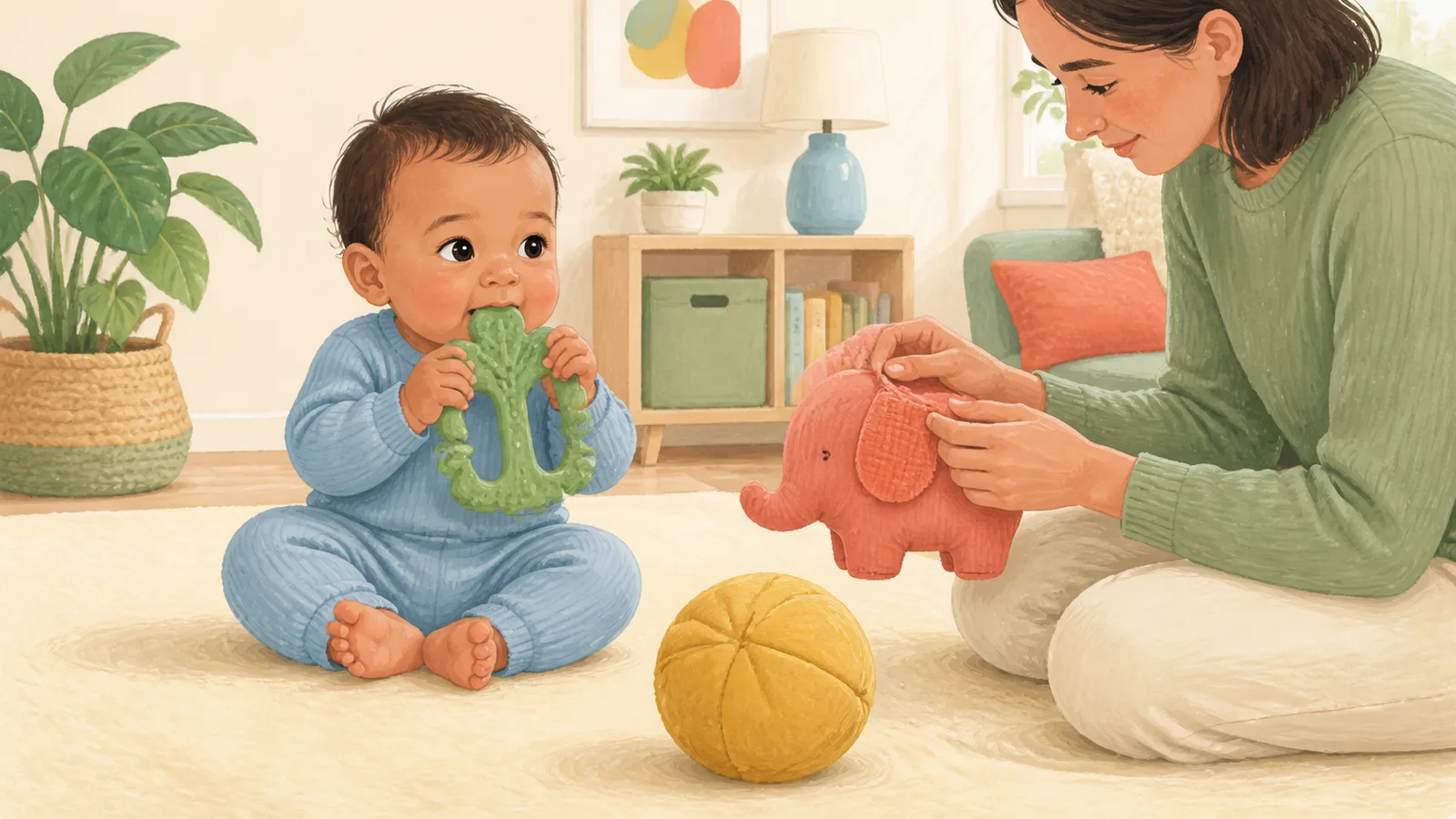
Mouthing is a normal part of infant object exploration, not always a teething signal. Learn what babies may be doing and how to create a safer set of things they can explore.
Keep exploring
Use a clear, firm floor for awake supervised baby play with back, side, tummy, reaching, rolling, and pivoting ideas—without turning milestones into a race.
Plan outdoor floor time for babies with a five-point site check, position-specific ideas, sun and heat limits, ground inspection, and realistic stopping cues.
Use live singing, gentle rhythm, movement, and responsive pauses with babies from birth to 12 months—without special musical talent or equipment.
See how babies discover action and response through people, movement, sound, dropping, rolling, and simple toys—without needing a bank of flashing buttons.
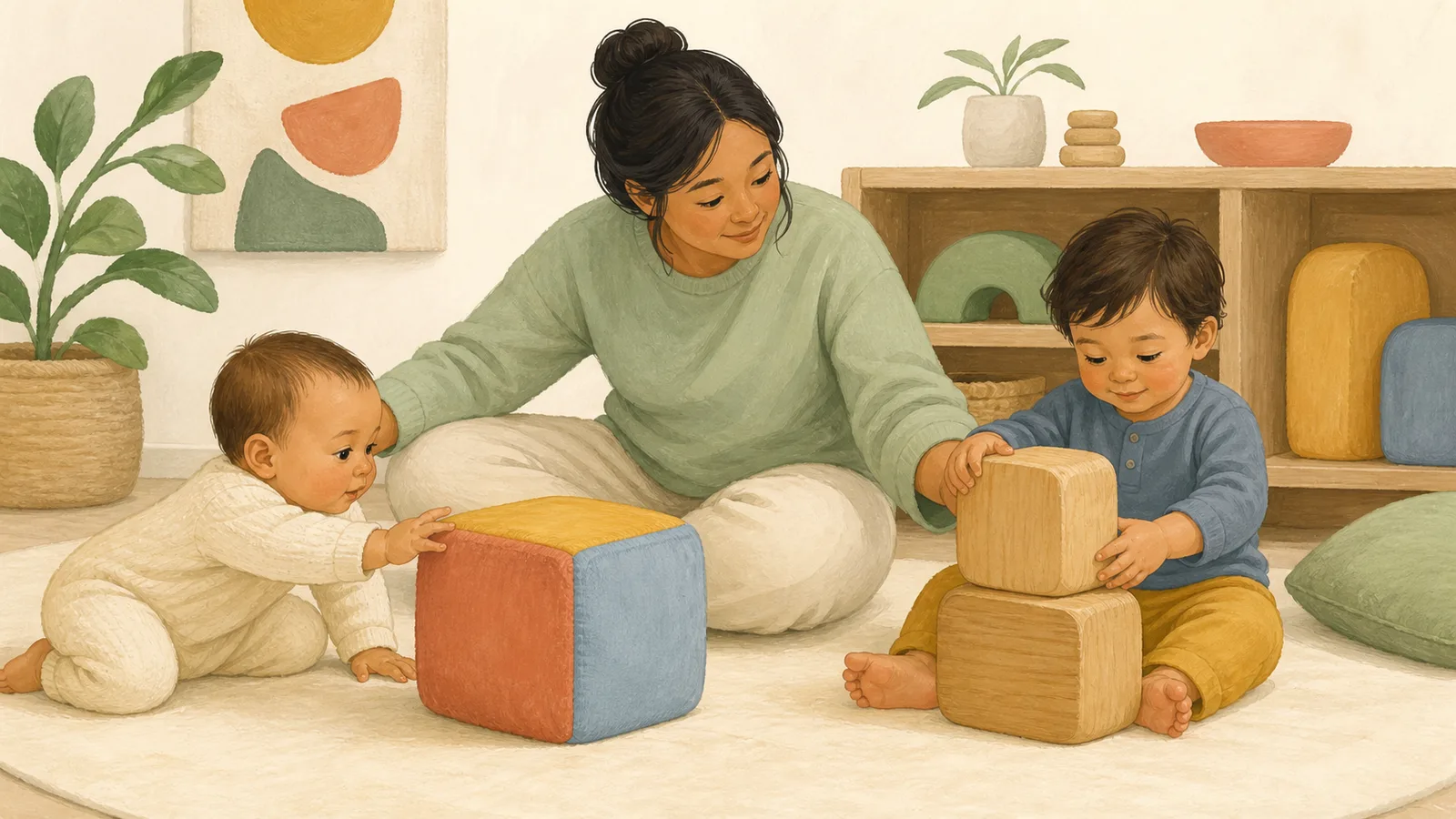
Compare soft, lightweight, hollow, interlocking, and wooden blocks by grip, weight, sound, cleaning, storage, and how children actually use them.
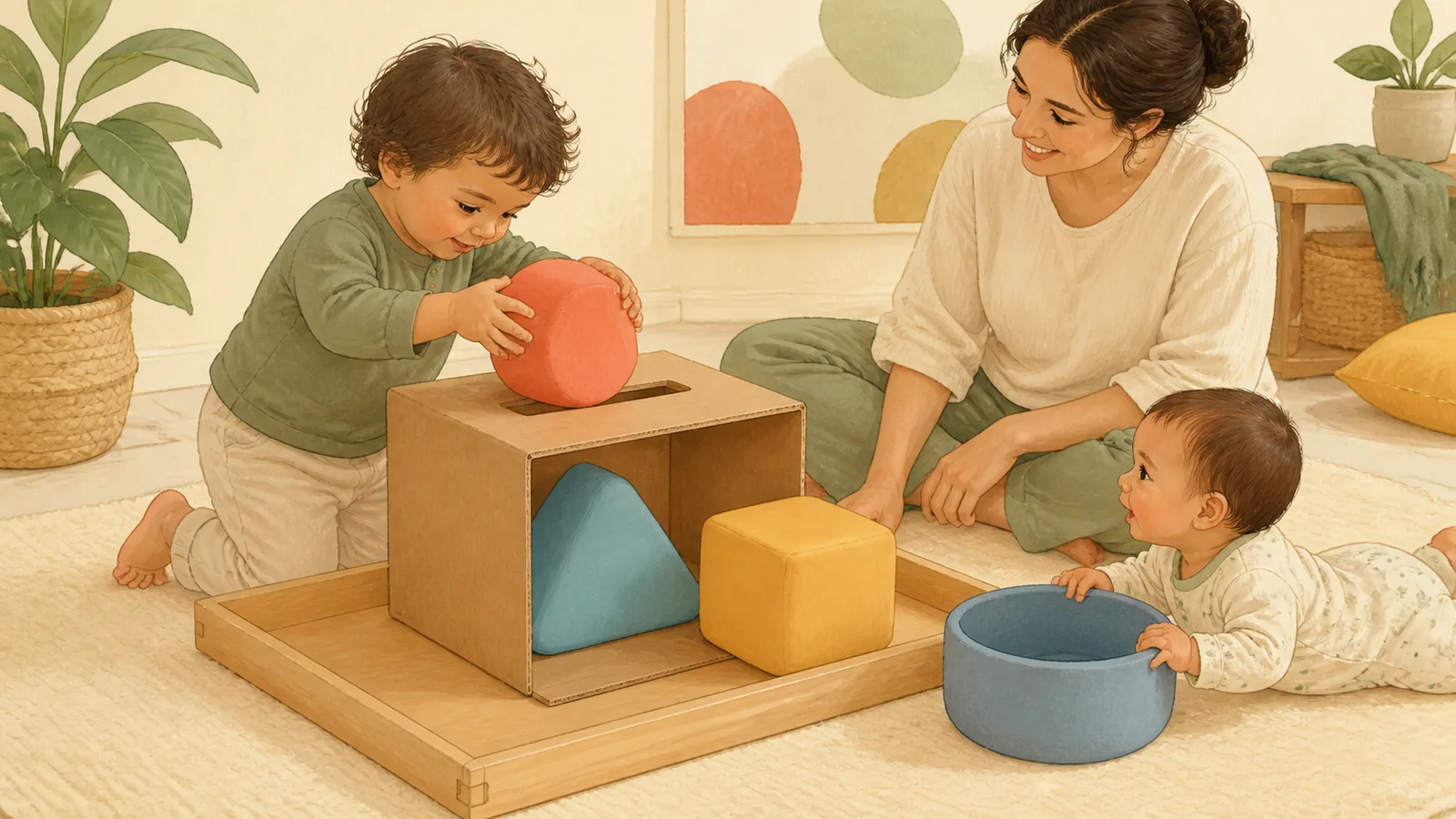
Start with filling and dumping, then adjust openings, objects, and visibility as a child becomes ready for more precise posting play.
The complete collection
13 research-informed guides and play ideas
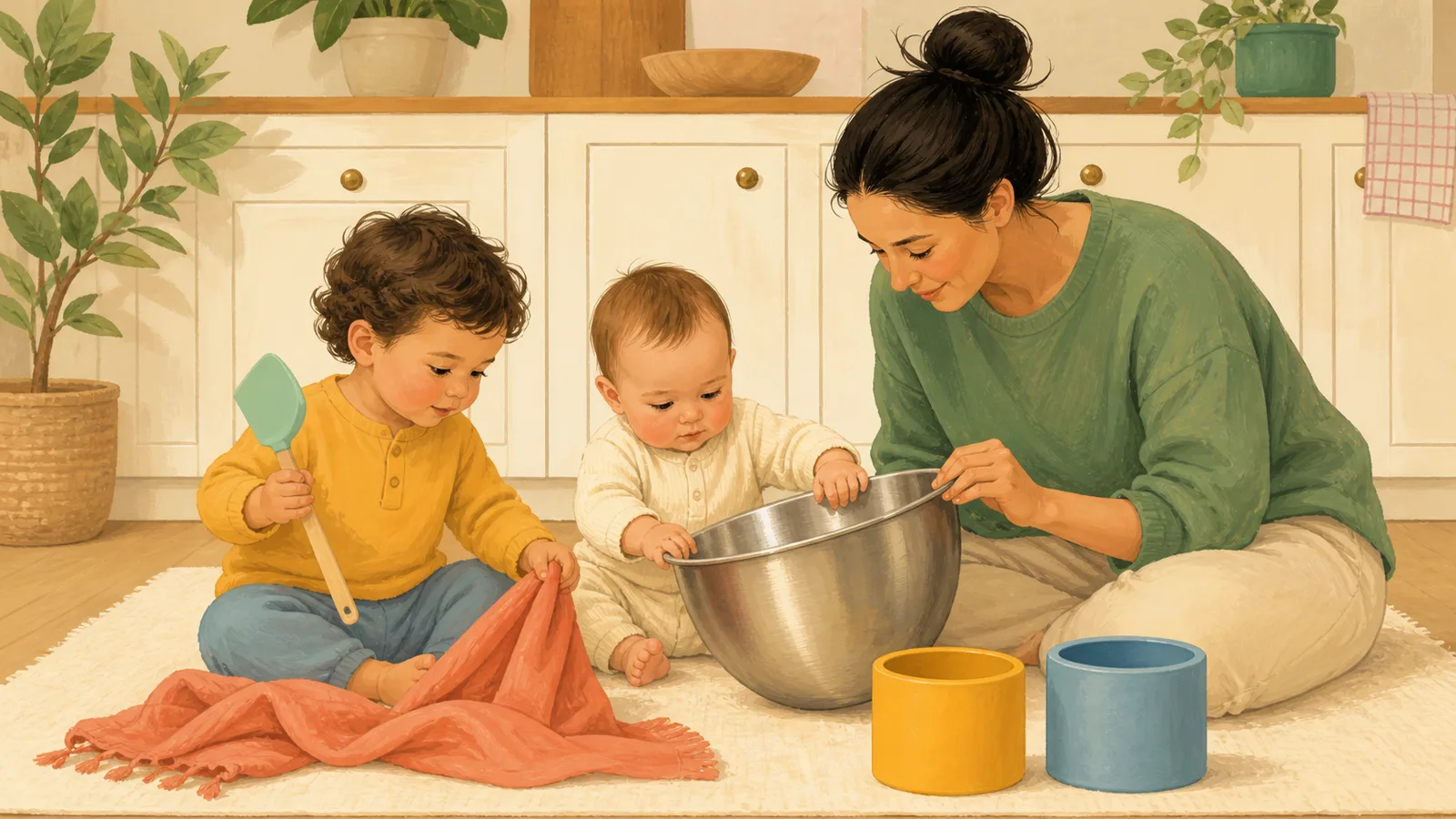
Use a six-question safety screen before turning bowls, cloths, containers, and kitchen tools into play materials for babies or toddlers.
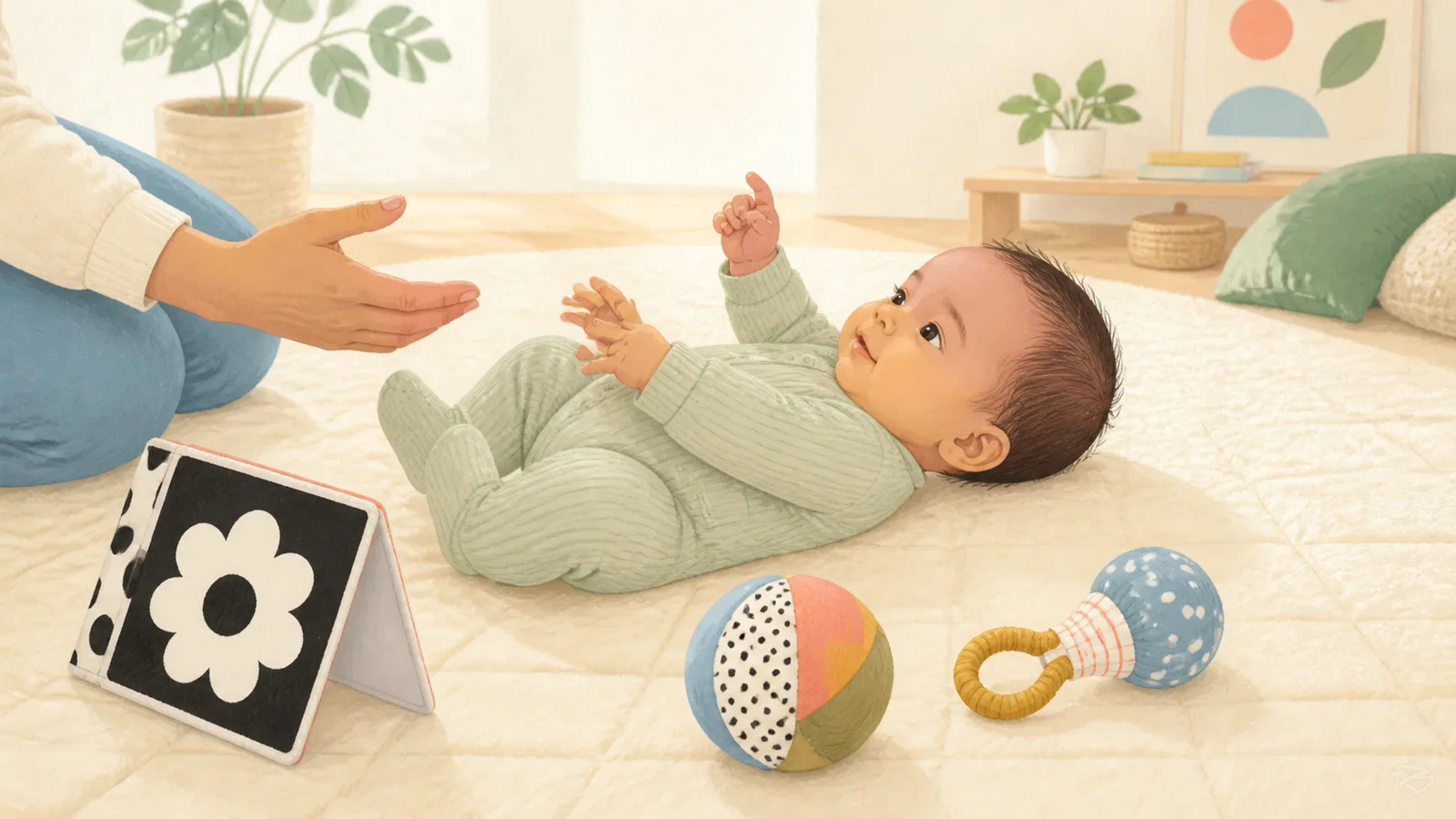
Choose useful first toys without milestone pressure. This guide explains what babies may enjoy from birth to six months, what to skip, and how to inspect every toy safely.
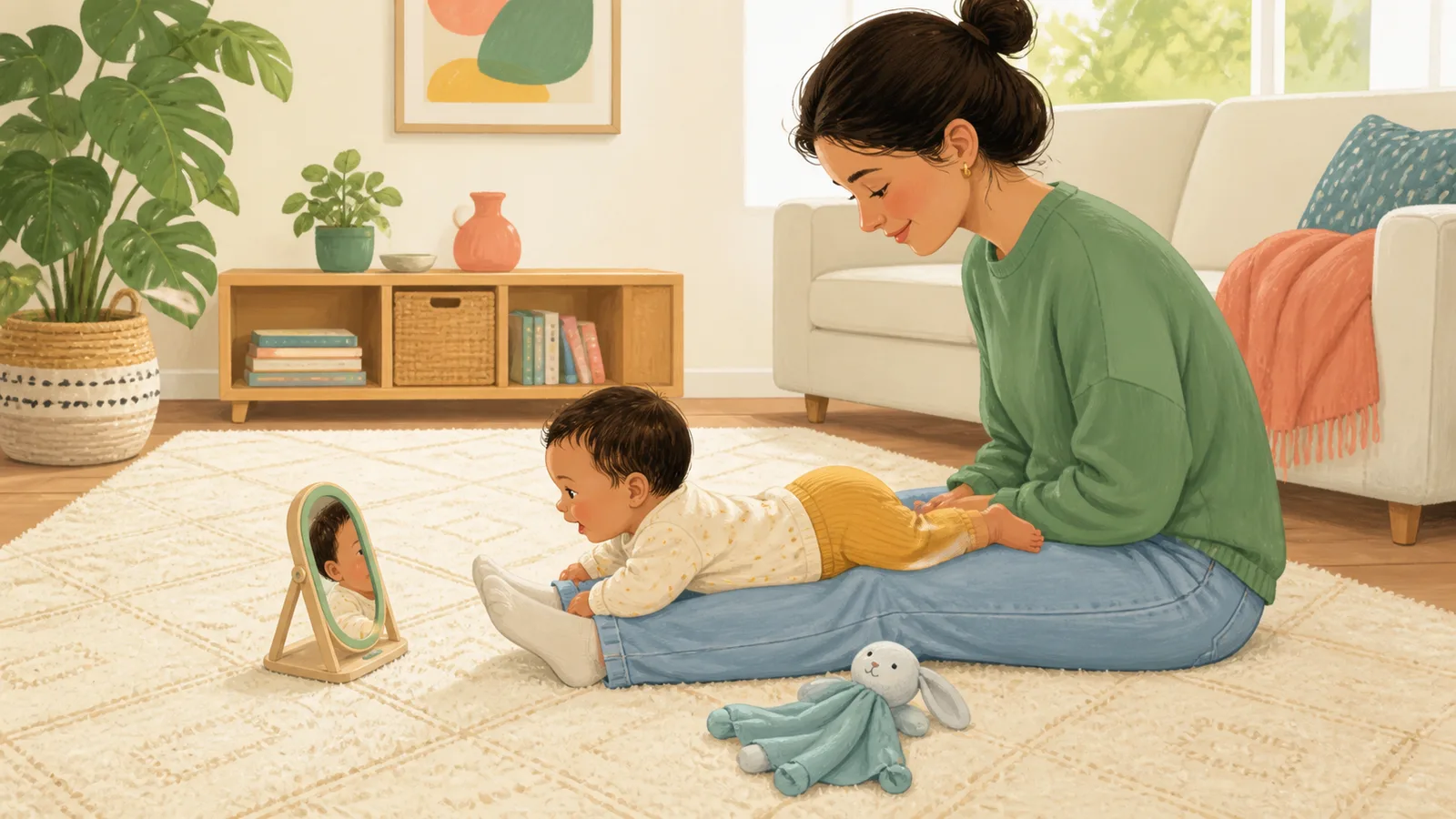
Make awake tummy time more workable with a gradual position ladder, simple play ideas, and practical changes for crying, fatigue, or frequent spit-up.
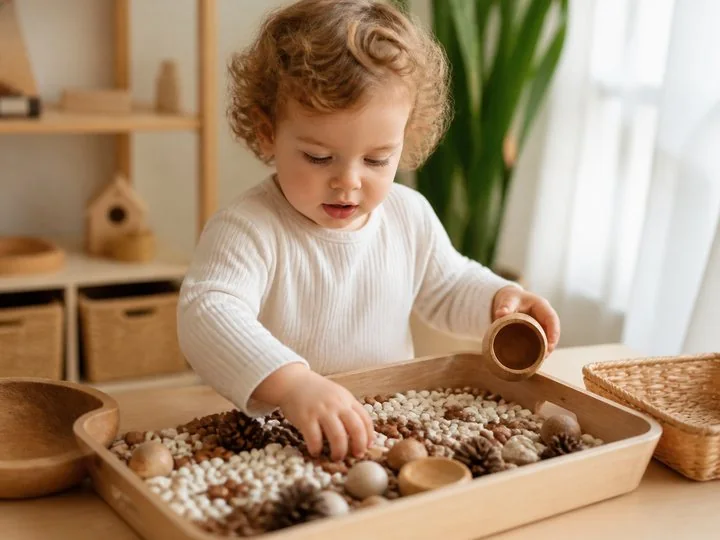
Twelve low-prep sensory play ideas, with an age-aware safety screen for mouthing, water, allergies, small parts, and mixed-age siblings.
A calm framework for choosing lower-impact toy gifts, checking environmental claims, buying secondhand safely, and prioritizing long useful life.
Helpful context
Short, responsive moments throughout the day are enough. Follow your baby’s cues and stop when they turn away or become tired.
Choose simple, easy-to-clean objects with safe proportions, varied textures, and no loose parts.