Guides · Toy Guides
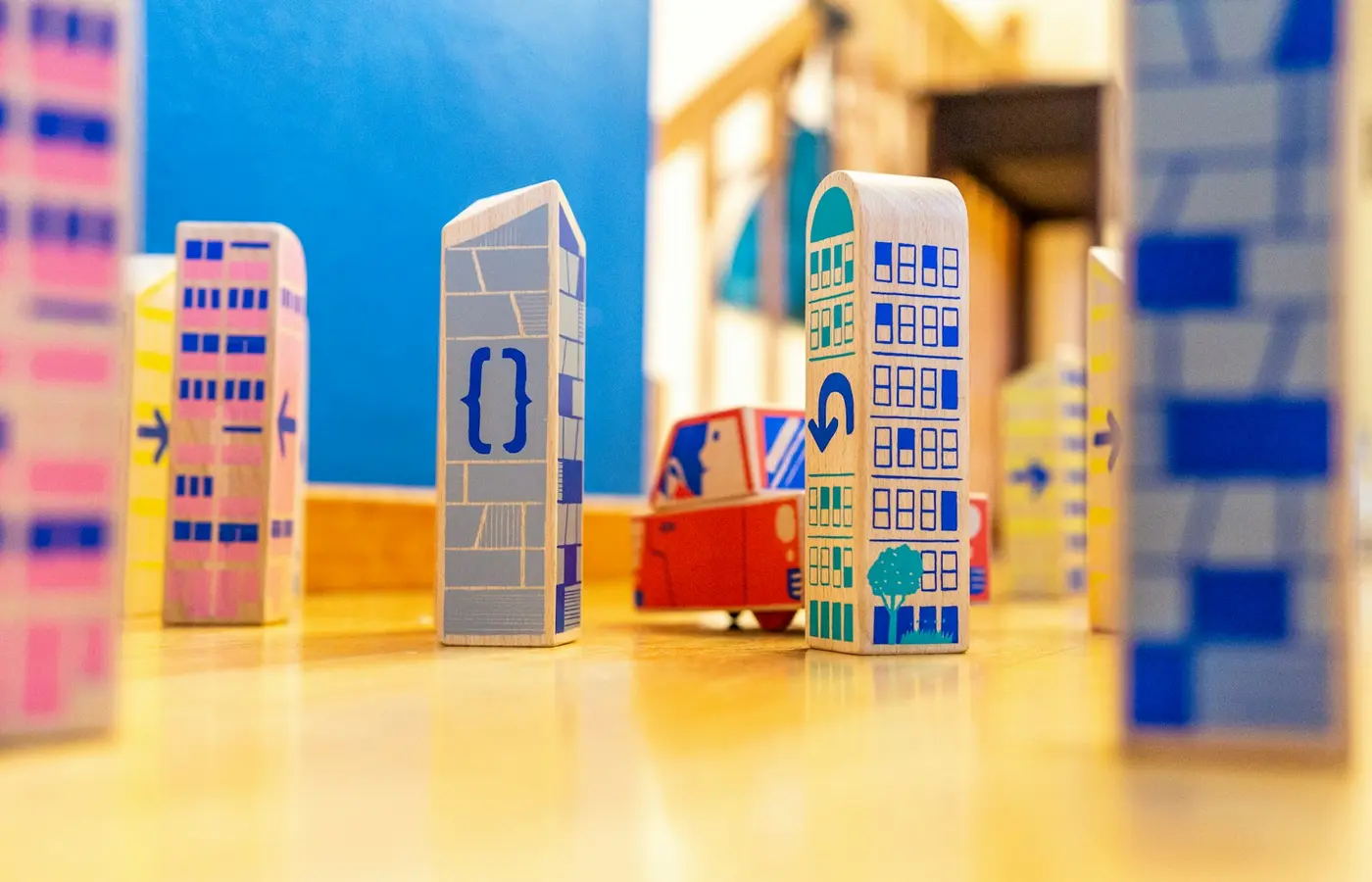
Will Modular Roads, Tracks, Buildings, and Figures Work Together in Play?
A practical way to check whether modular roads, tracks, buildings, landscapes, and figures can form a stable, usable shared play scene.
Choose with confidence
LWT guides begin with the kind of play a child needs—not a shopping list. We consider age, safety, versatility, materials, storage, longevity, and how an idea fits real family life.
60 editorial stories

Choose tape, glue sticks, or liquid glue for kids’ crafts by matching the project, the child’s handling, and the exact product label.
A practical mixed-age plan for using, checking, cleaning up, and storing magnetic toys while reducing younger siblings’ access.

How to decide whether lights, sounds, and moving features extend construction play or add noise, maintenance, and distraction.
Use your child’s interest, handling actions, and the exact toy label to decide when smaller interlocking bricks are worth a supervised try.
Practical ways to support a child who likes dismantling toys, with age checks, supervision, cleanup ideas, and clear signs to retire damaged items.
A practical safety check for finding button batteries in toys and household items, securing battery compartments, and handling damaged covers.
Choose flexible imaginative play props for ages 5–7 that leave room for changing roles, shared stories, and real-life limits.

Compare washable paint and crayons for setup, supervision, cleanup, storage, and the kind of art session that fits your home.
Learn how to tell whether a familiar toy still invites new play, needs a different setup, or is ready to be passed on safely.
A practical comparison of app-connected and offline toys, including setup, Wi-Fi, privacy, subscriptions, charging, and everyday use.
A practical guide to adapting outdoor play for rain, wind, heat, cold, muddy ground, changing supervision needs, and easier cleanup.
Choose building sets for two children by checking piece access, build format, age warnings, workspace, storage, and likely sources of friction.

Create accessible toy storage with a small visible selection, safer furniture setup, simple return spots, and realistic cleanup support.
Choose a few safe, familiar pretend-play props for a 2-year-old without filling your home with a large themed set.
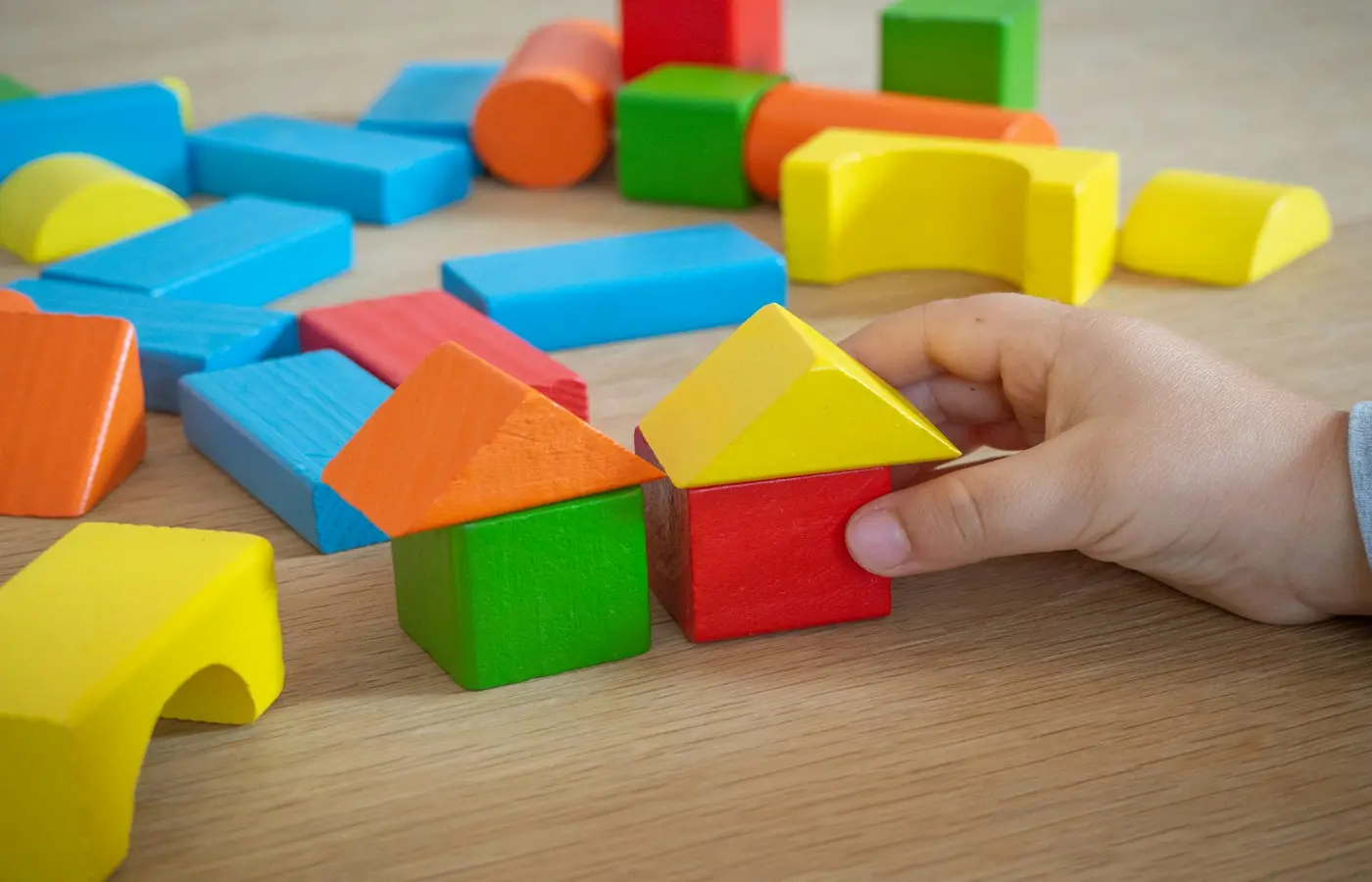
Choose big building sets for kids by age fit, piece usability, rebuildability, storage, compatibility, frustration, and supervision—not piece count.
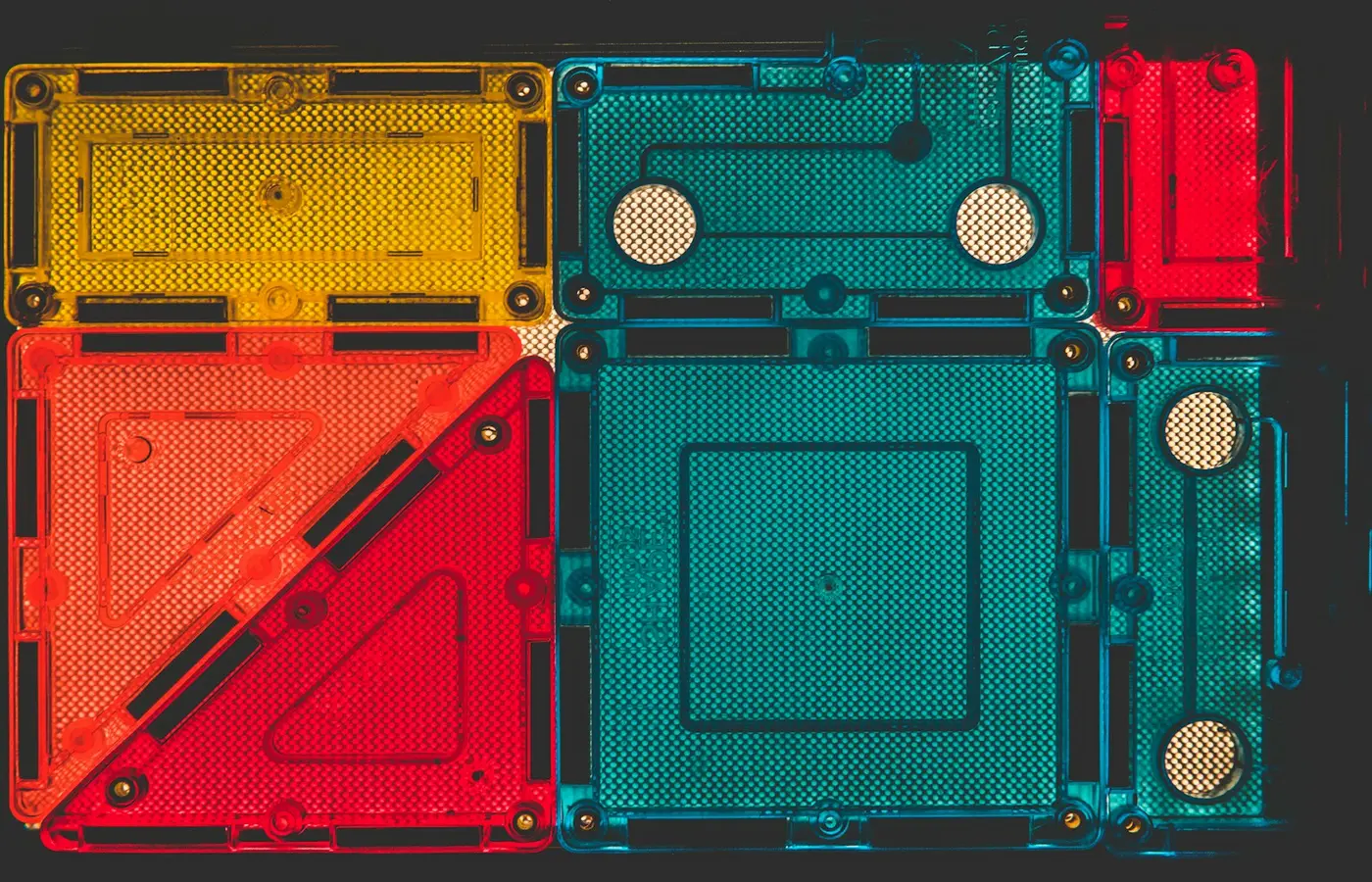
A cautious, low-moisture routine for cleaning magnetic play pieces, drying them fully, and removing damaged pieces from play.
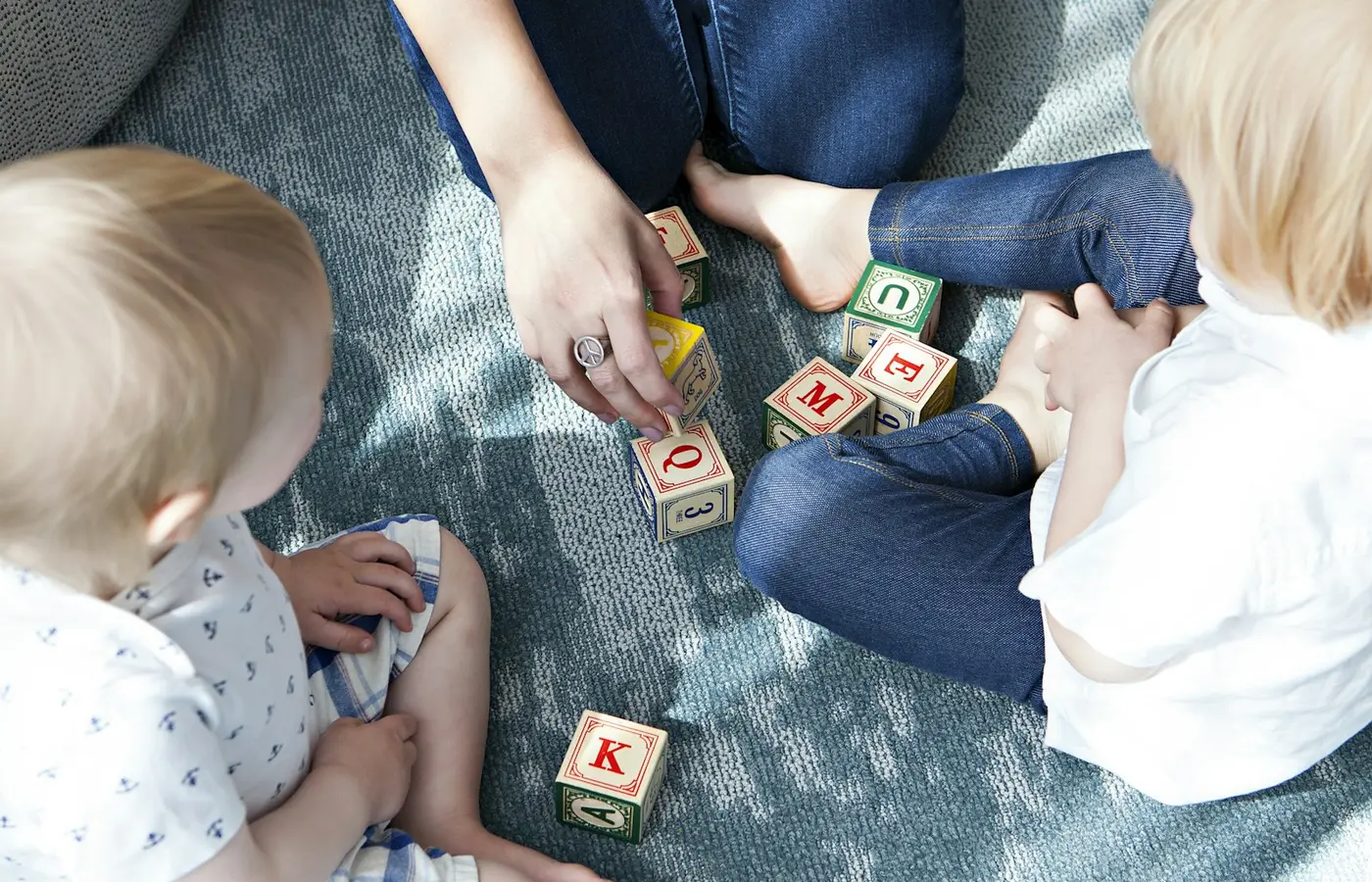
Wooden toys can work well for toddler groups, but design, duplicate pieces, age fit, supervision, cleanup, and storage matter more than material alone.
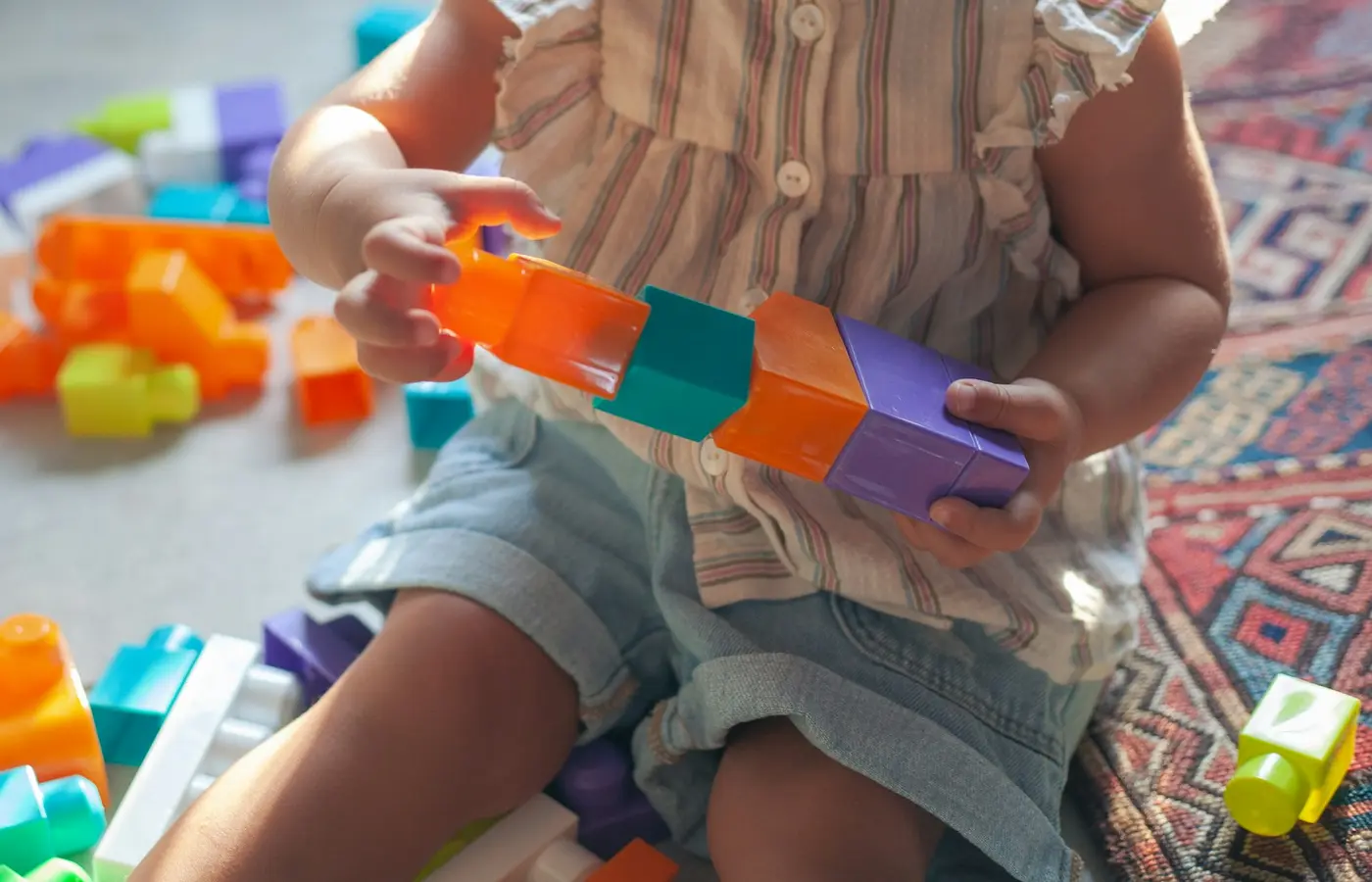
Use safety labels and everyday play observations to decide when small interlocking bricks fit your child, household, and cleanup routine.

Choose a basket, bag, cart, wagon, or delivery-play setup that fits your child’s usual cargo, route, age, and your home’s practical limits.

A safety-first guide to choosing, using, checking, and storing magnetic toys when babies, toddlers, or children who mouth objects share the home.

Choose young children’s art supplies by current interests, mouthing risk, supervision, workspace, mess tolerance, storage, and cleanup.

A practical checklist for checking toy battery types, compartment closures, warnings, storage, and risks in homes with younger children.

Use this practical inspection process to check a secondhand toy’s identity, age label, parts, damage, batteries, magnets, recalls, and cleaning limits.
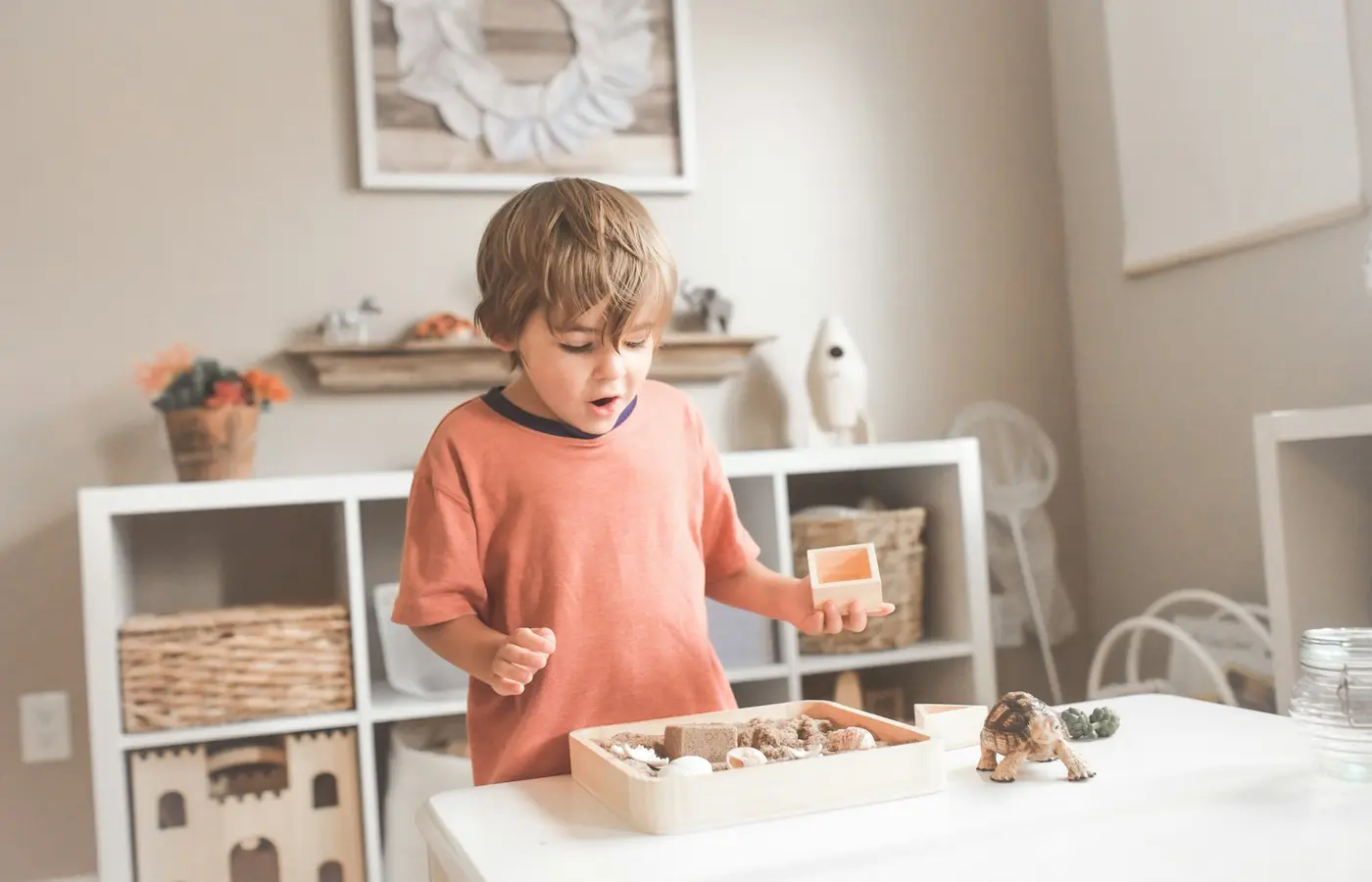
Choose toy storage that limits overwhelming piles, keeps useful materials visible, and makes access and cleanup manageable for your family.

A practical home check for toy cords, straps, loops, and pull strings, including age labels, wear, placement, supervision, and recalls.
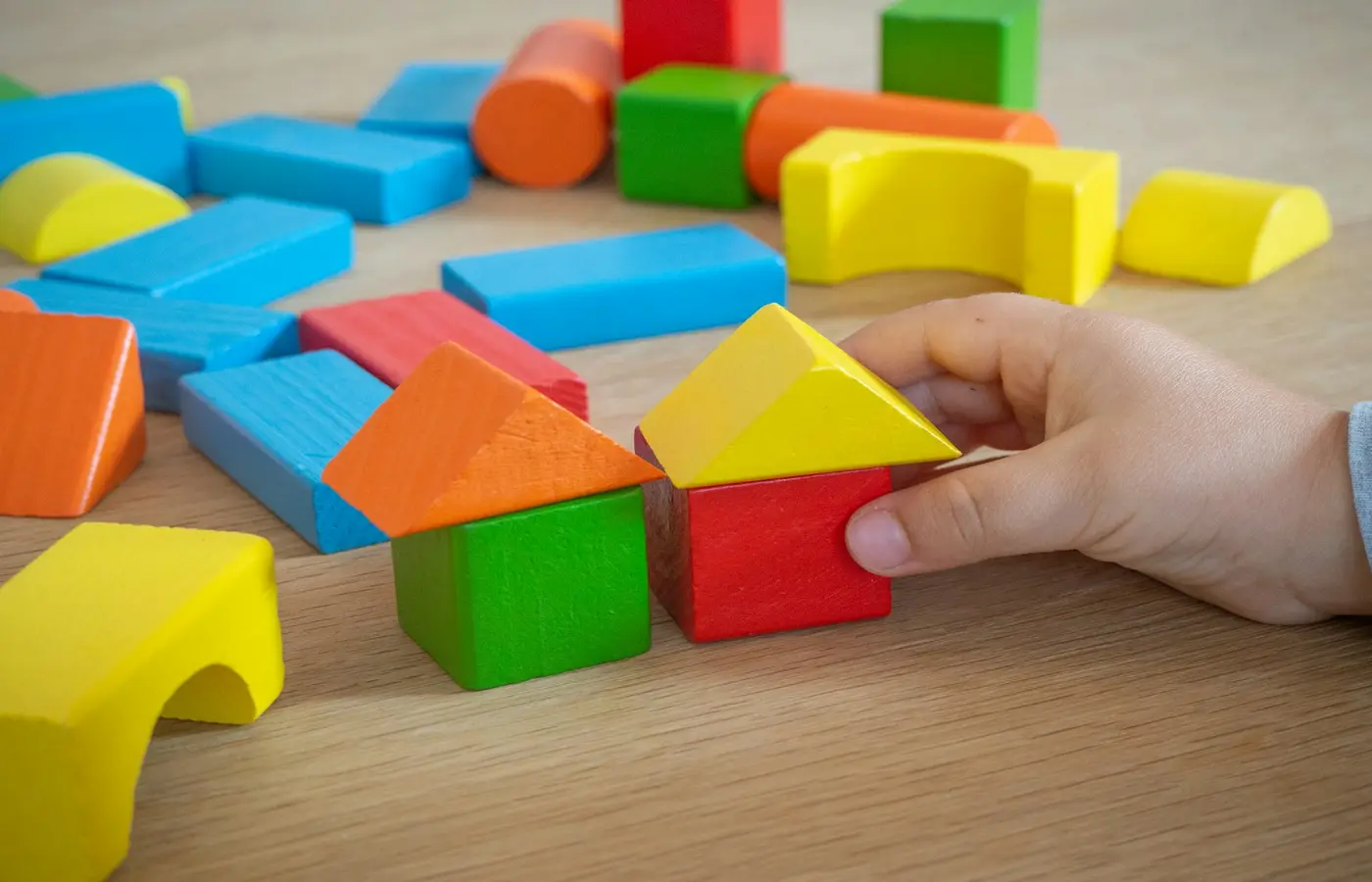
Choose containers, blocks, fabric, figures, and loose parts for hiding play while considering age grades, small parts, space, supervision, and cleanup.
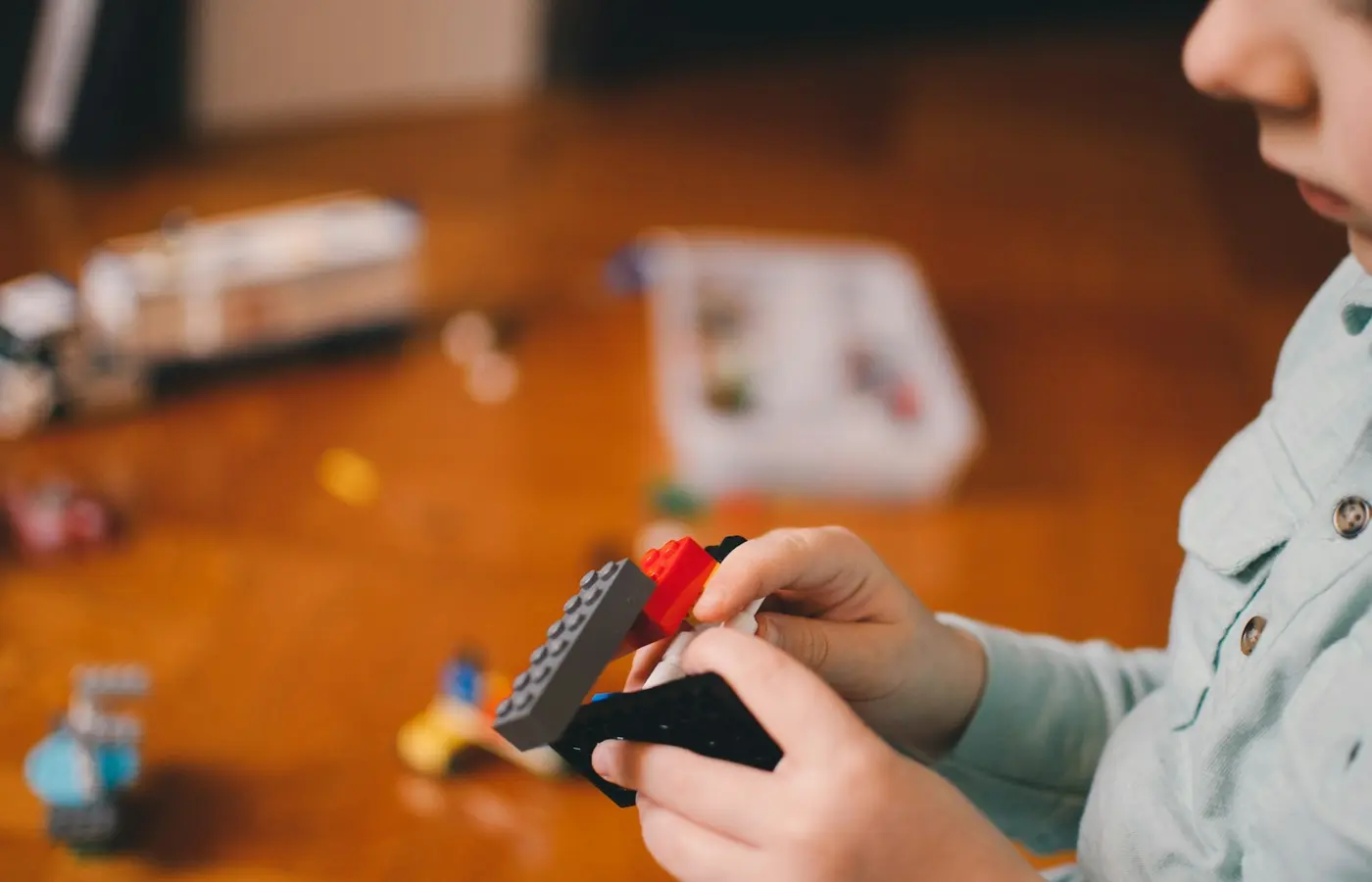
A practical guide to checking offline play, privacy, subscriptions, device support, charging, and repeat value before choosing a connected toy.
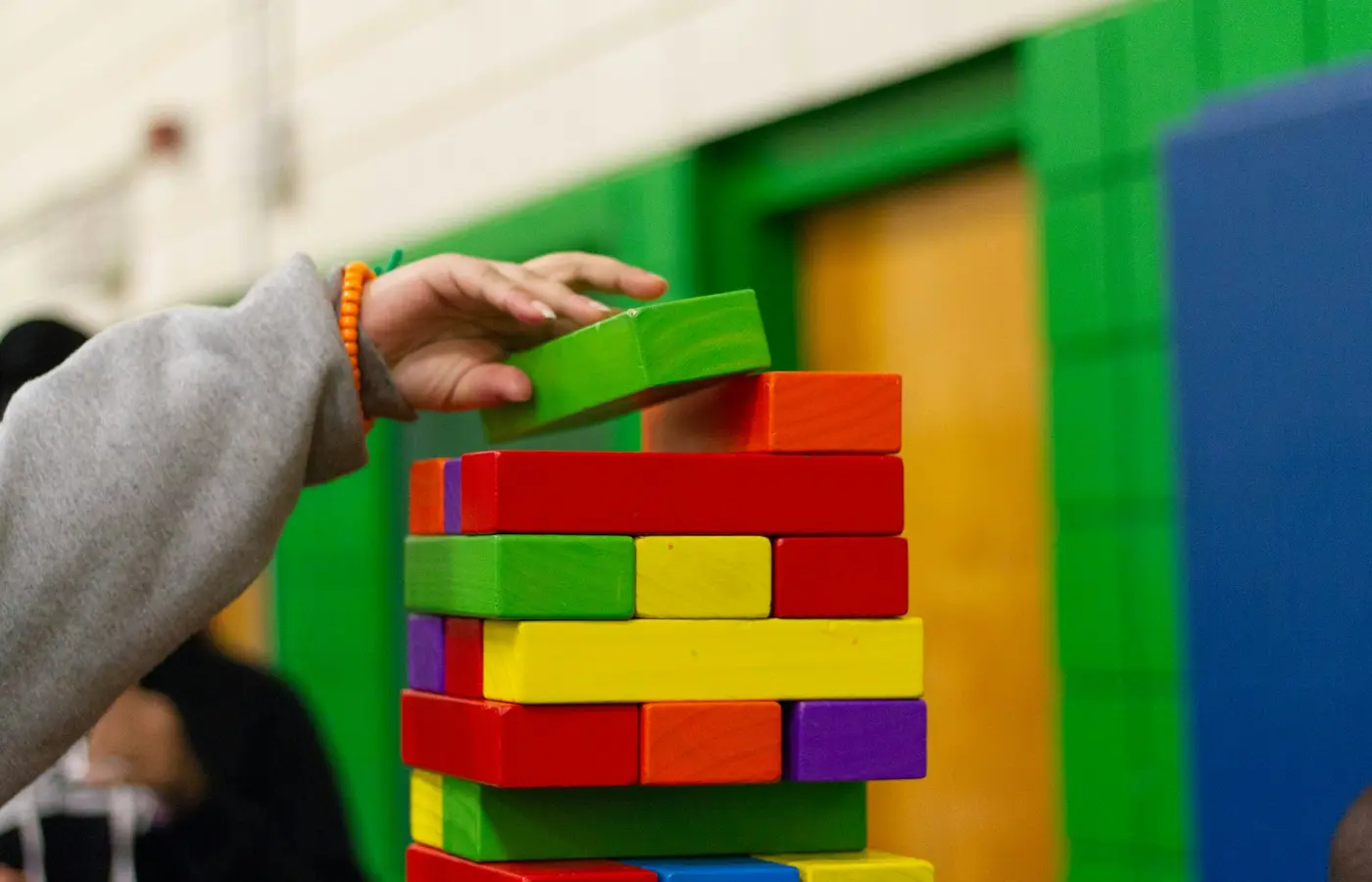
Choose a construction toy by comparing connection style, required force, piece scale, age grade, storage, cleanup, and compatibility.

Choose age-appropriate throwing toys by comparing softness, weight, space, bystanders, retrieval, supervision, noise, and storage.

Choose quieter toys by considering floor impact, repeated sounds, controls, storage, supervision, and how play fits your home.
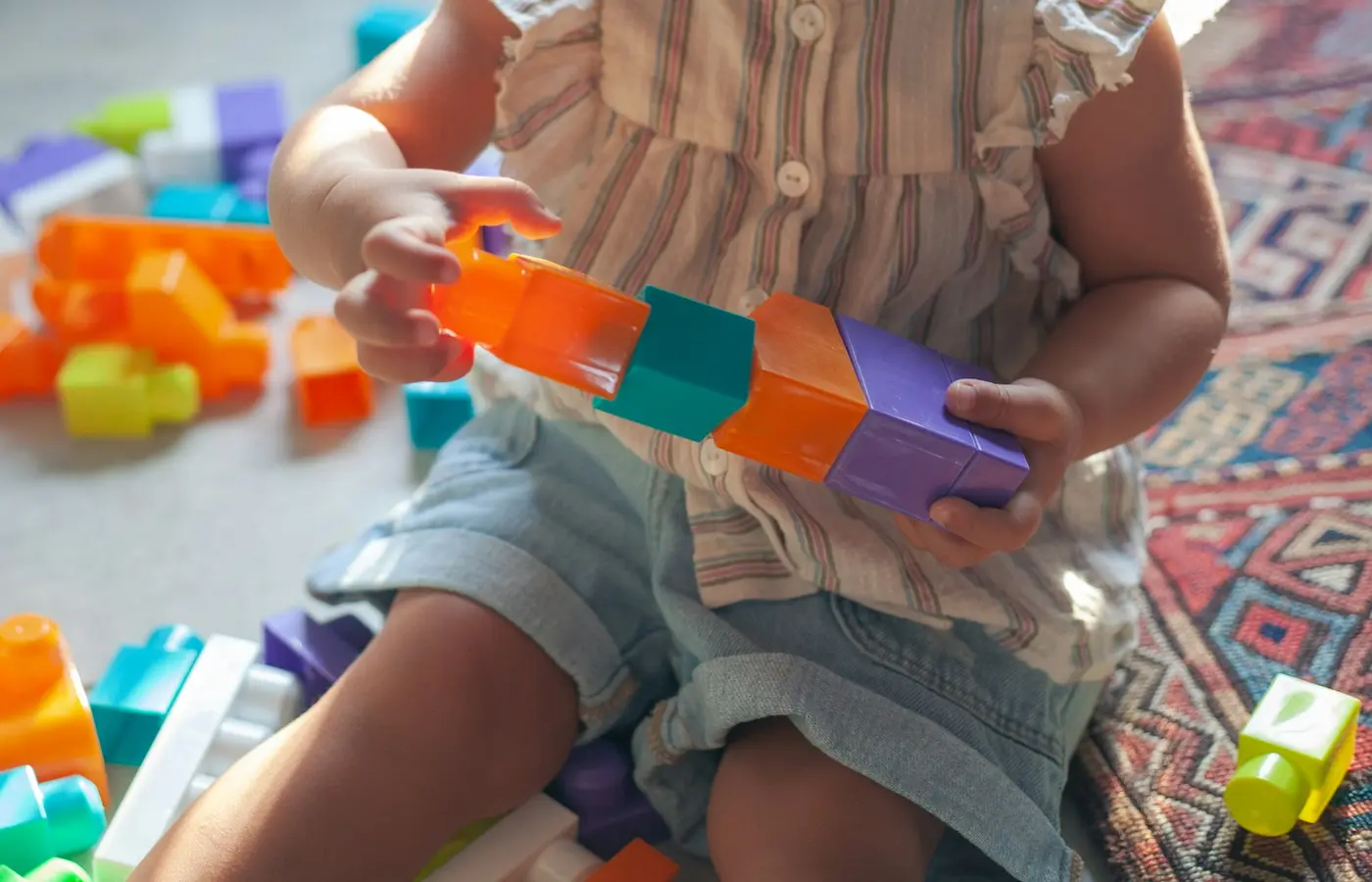
Choose manageable, age-appropriate toys for lining up, sorting, and arranging, with practical guidance on safety, storage, and extending play.
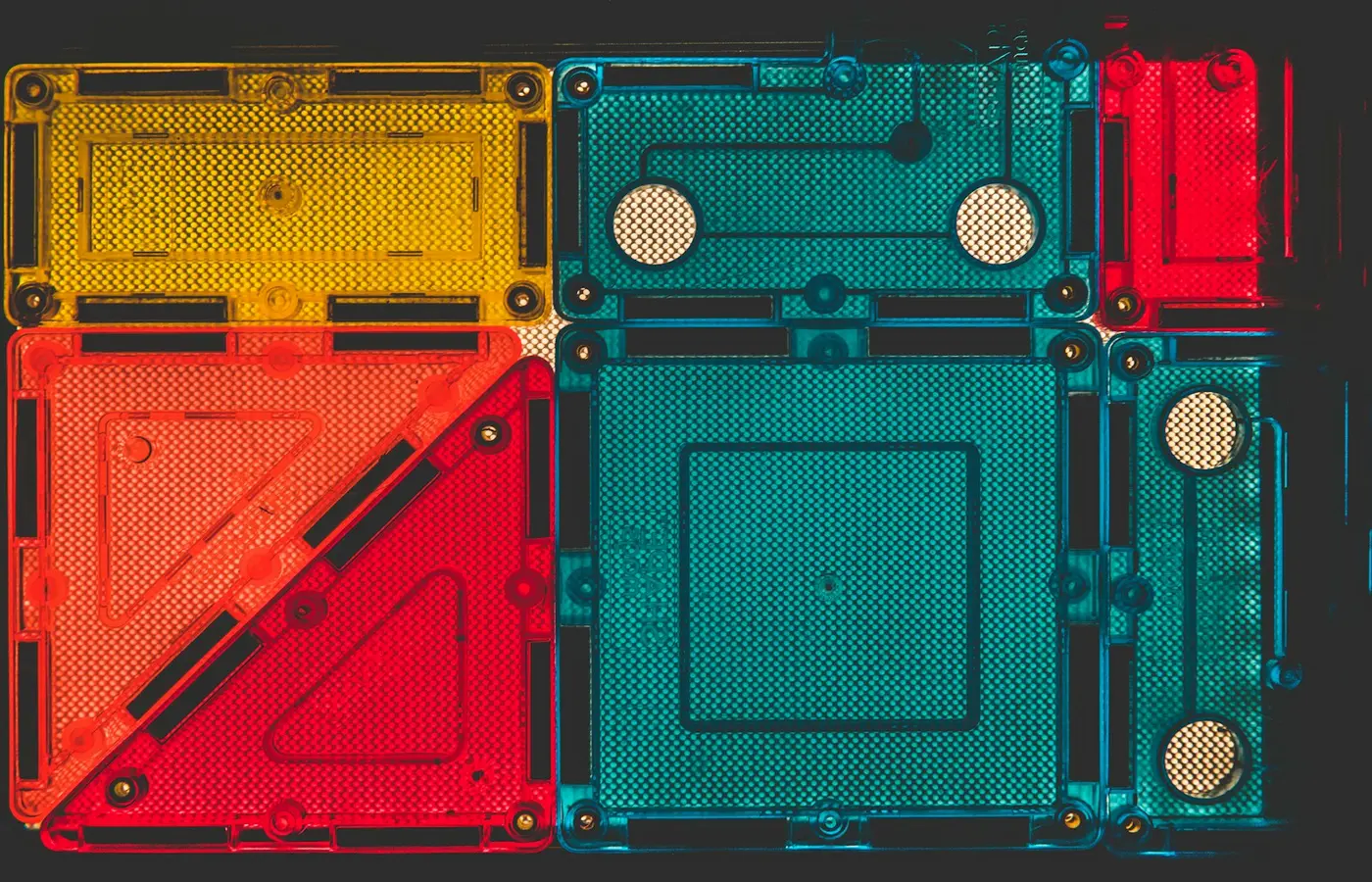
A practical safety checklist for choosing, inspecting, supervising, and storing magnetic building toys in homes with young children.

Publication is on hold until authoritative sources verify button battery hazards, compartment requirements, recalls, and handling guidance.
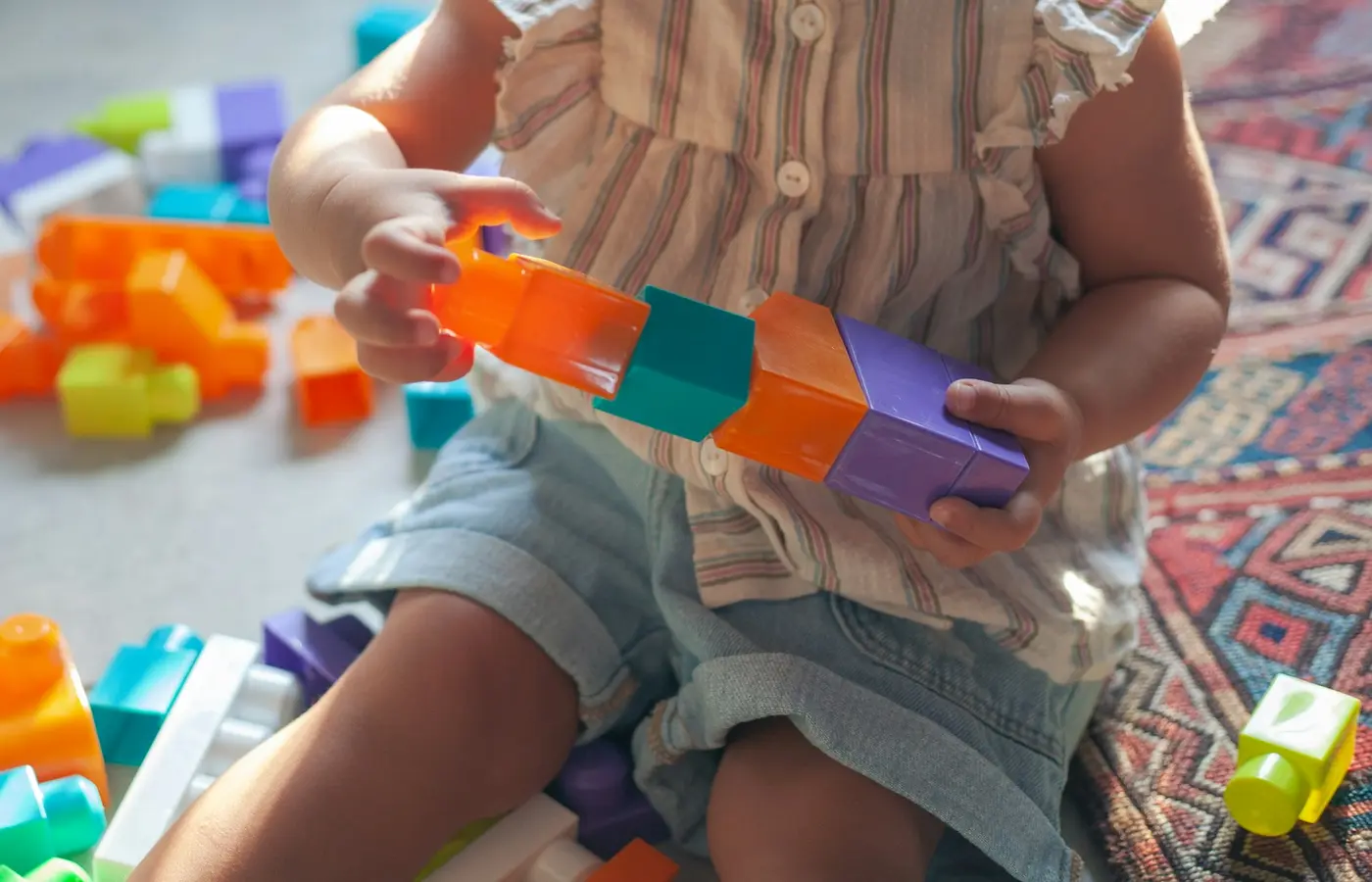
Choose take-apart toys that satisfy a child’s urge to open, unscrew, inspect, and rebuild while keeping hazardous components inaccessible.
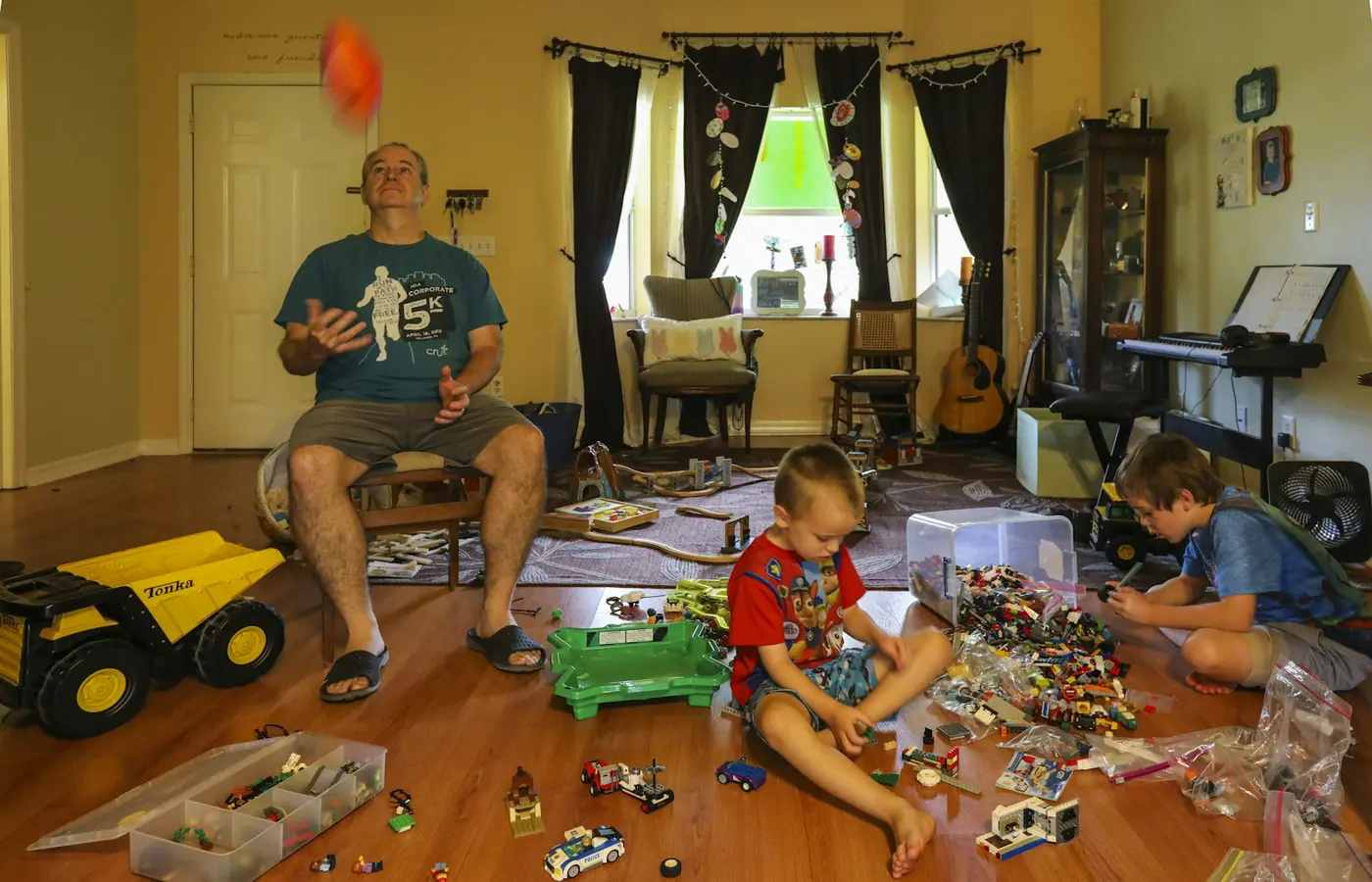
Publication is on hold until official sources verify age grading, small-parts, magnet, battery, projectile, and recall guidance.

Choose a small, practical art setup around your child’s actions, supervision needs, mess tolerance, drying space, cleanup, and storage.

Plan accessible toy storage around your child’s reach, each toy’s shape, shared-room safety, visual clutter, and a realistic cleanup routine.
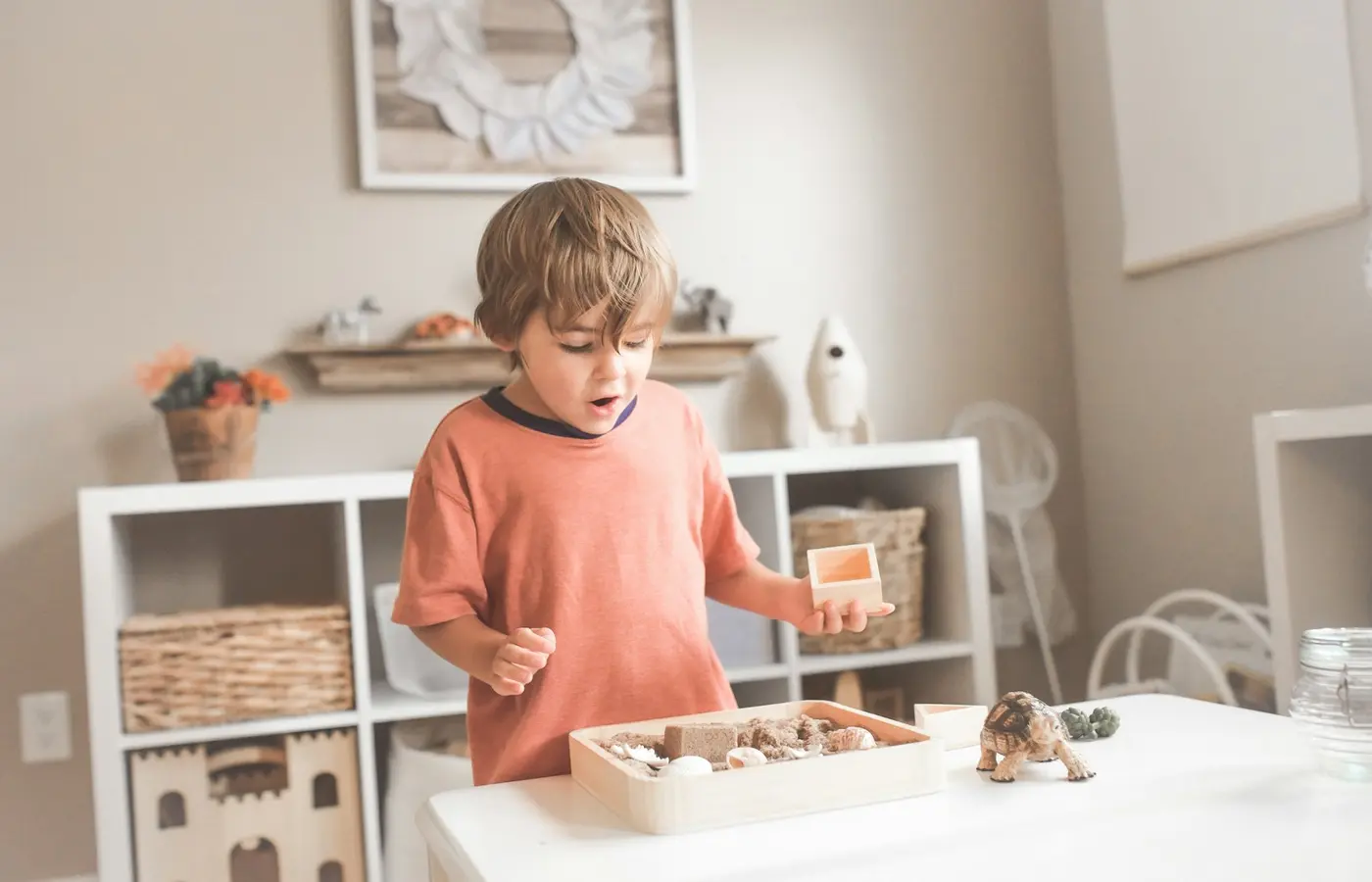
Choose a manageable setup for carrying, filling, loading, and dumping while accounting for age, small pieces, weight, noise, storage, and cleanup.

Select gifts for ages five to seven by interest, challenge, independent start, partner needs, reset time, storage, and safety rather than grade or gender stereotypes.
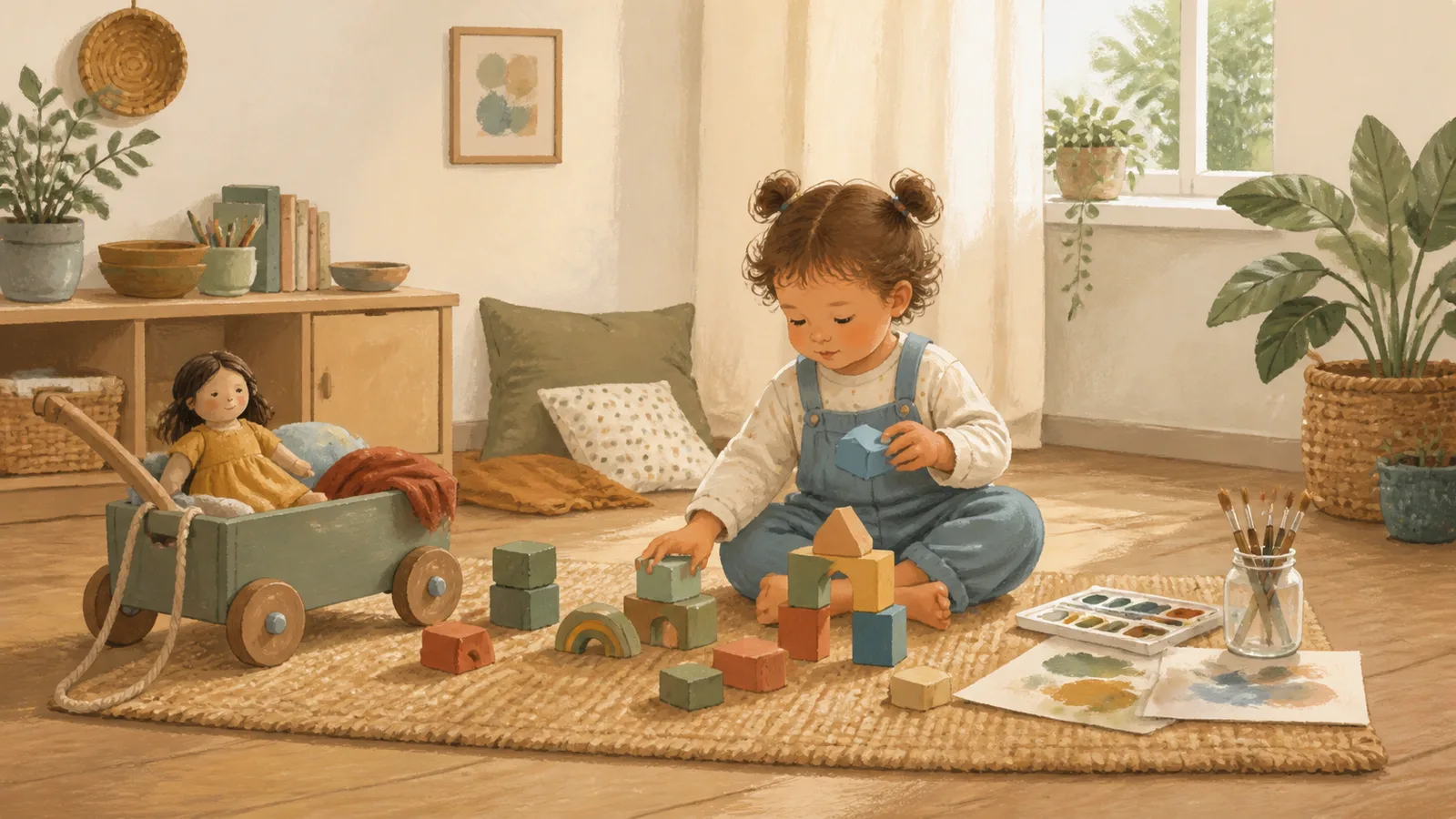
Choose gifts for a two-year-old by repeated play actions, challenge, space, sound, storage, adult help, and safety—with useful categories instead of a shopping dump.

Choose low-clutter preschool gifts that actually fit: consumables, experiences, upgrades, contribution, and time, with checks for expiry, access, fees, and adult capacity.
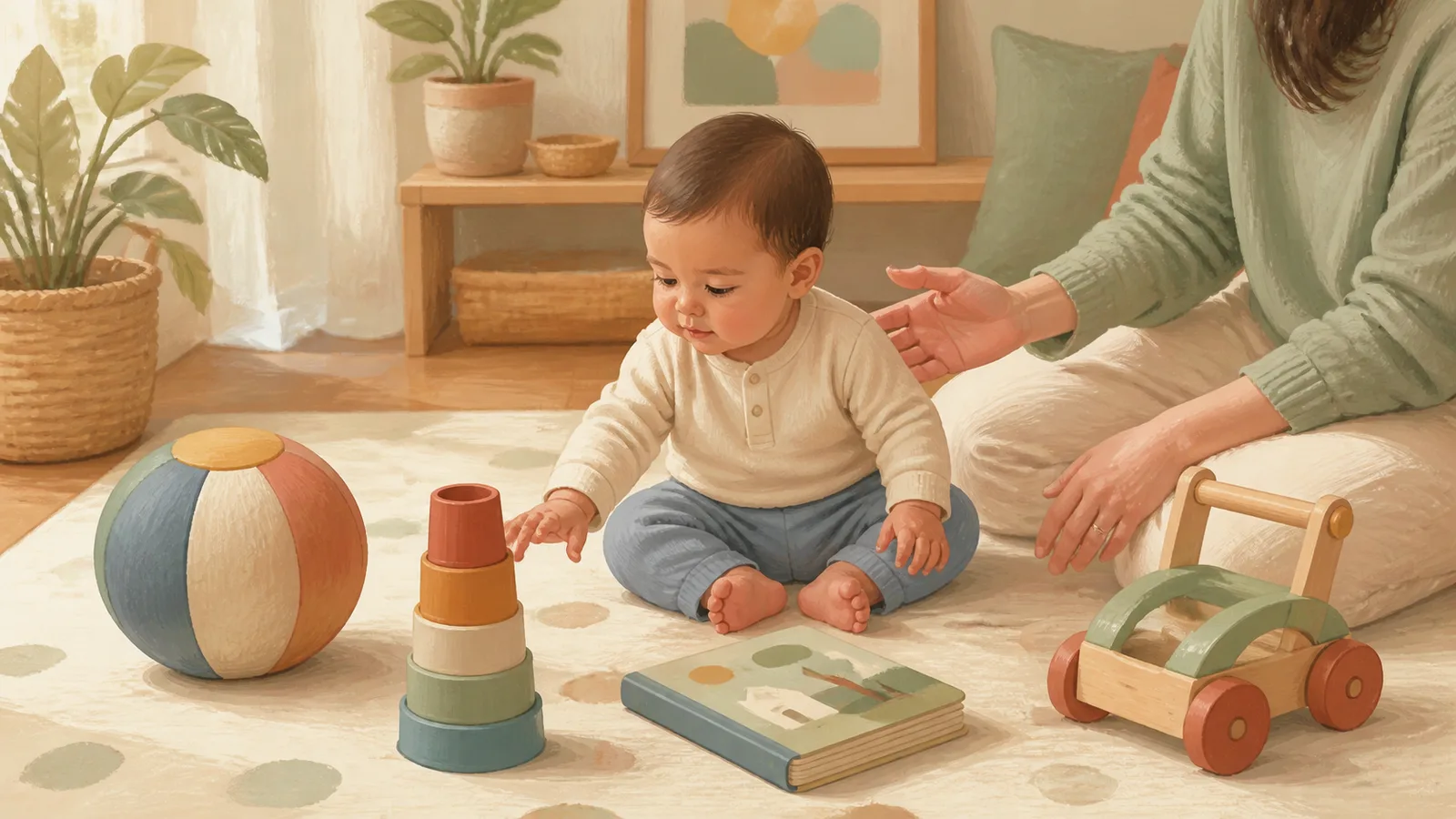
Choose a first-birthday gift by the child's current movement, exploration, household space, supervision, and safety—not milestone marketing.

Choose a new-big-sibling gift that respects the older child's interests, creates realistic connection, and does not demand caregiving play or cheerful feelings.
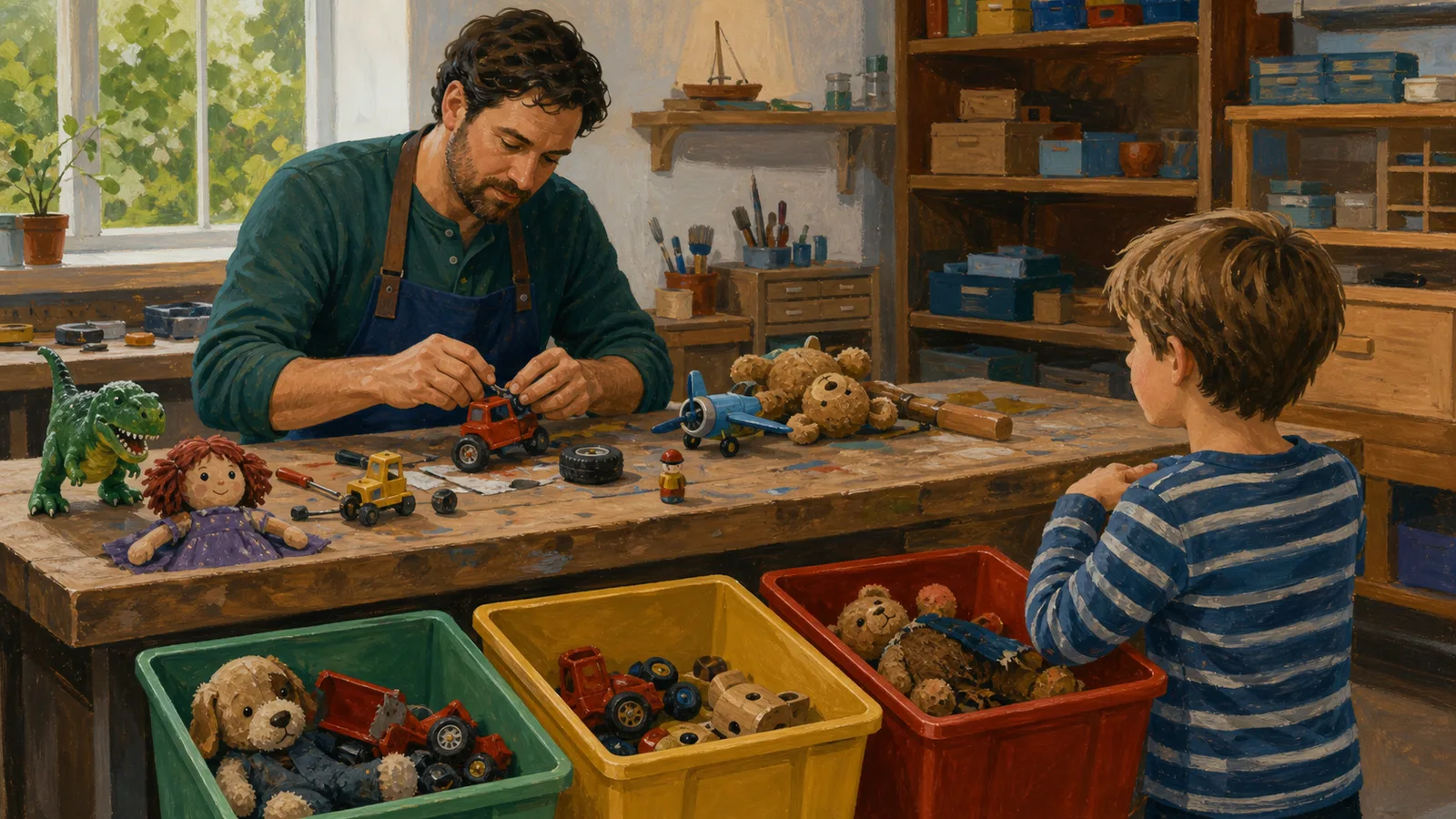
Decide whether a broken toy can return to play by triaging cosmetic, structural, battery, magnet, electrical, coating, hygiene, and recall failures.
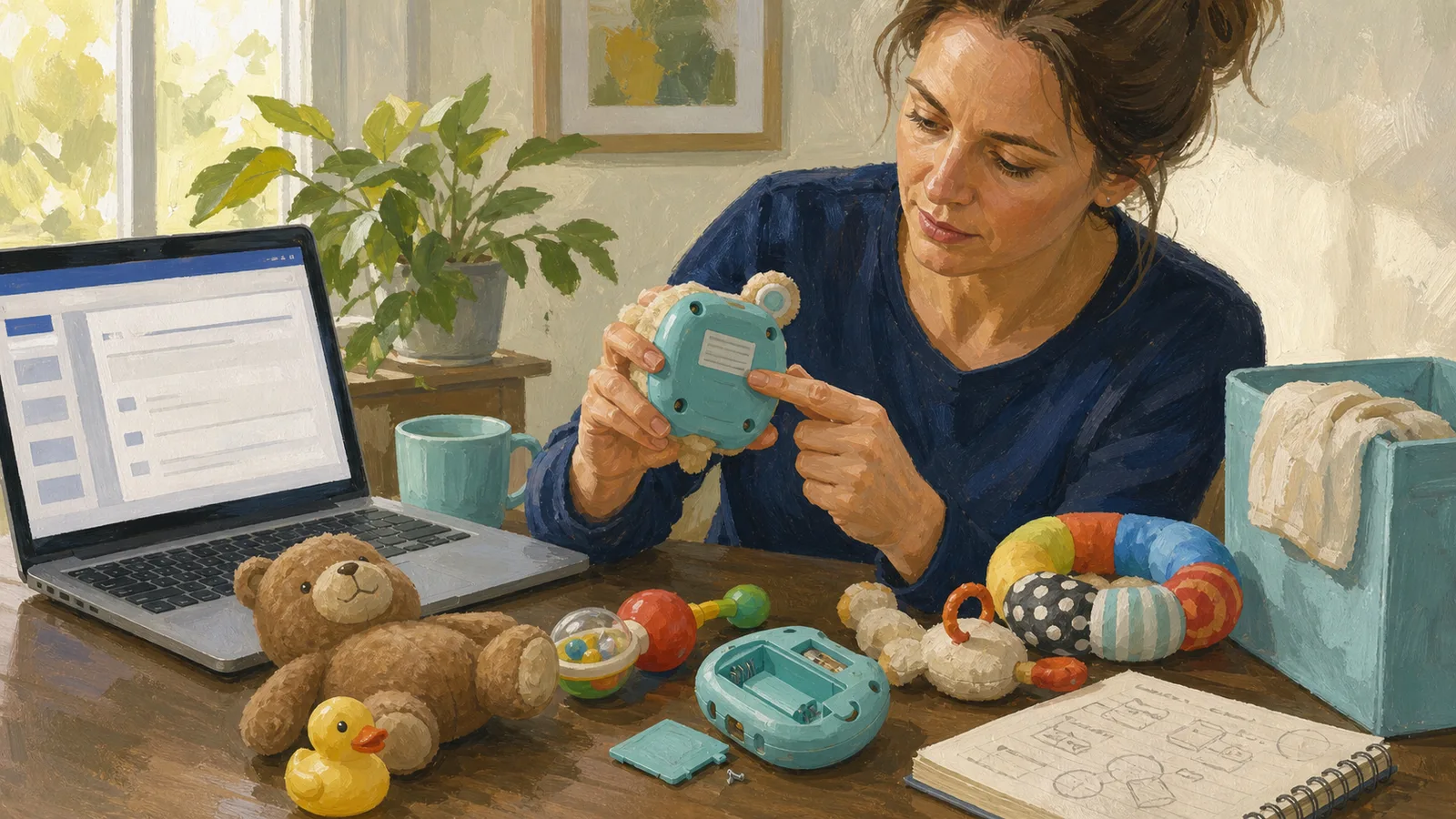
Screen used baby toys for identity, recalls, age grading, lead, batteries, magnets, damage, missing parts, and cleaning limits before buying or accepting them.

Decide when a child can play outside or travel a familiar route with less supervision using route, judgment, communication, law, rehearsal, and conditions.

Choose outdoor toys for a balcony, patio, courtyard, or shared space by checking the full play zone, rails, drainage, noise, storage, and supervision.
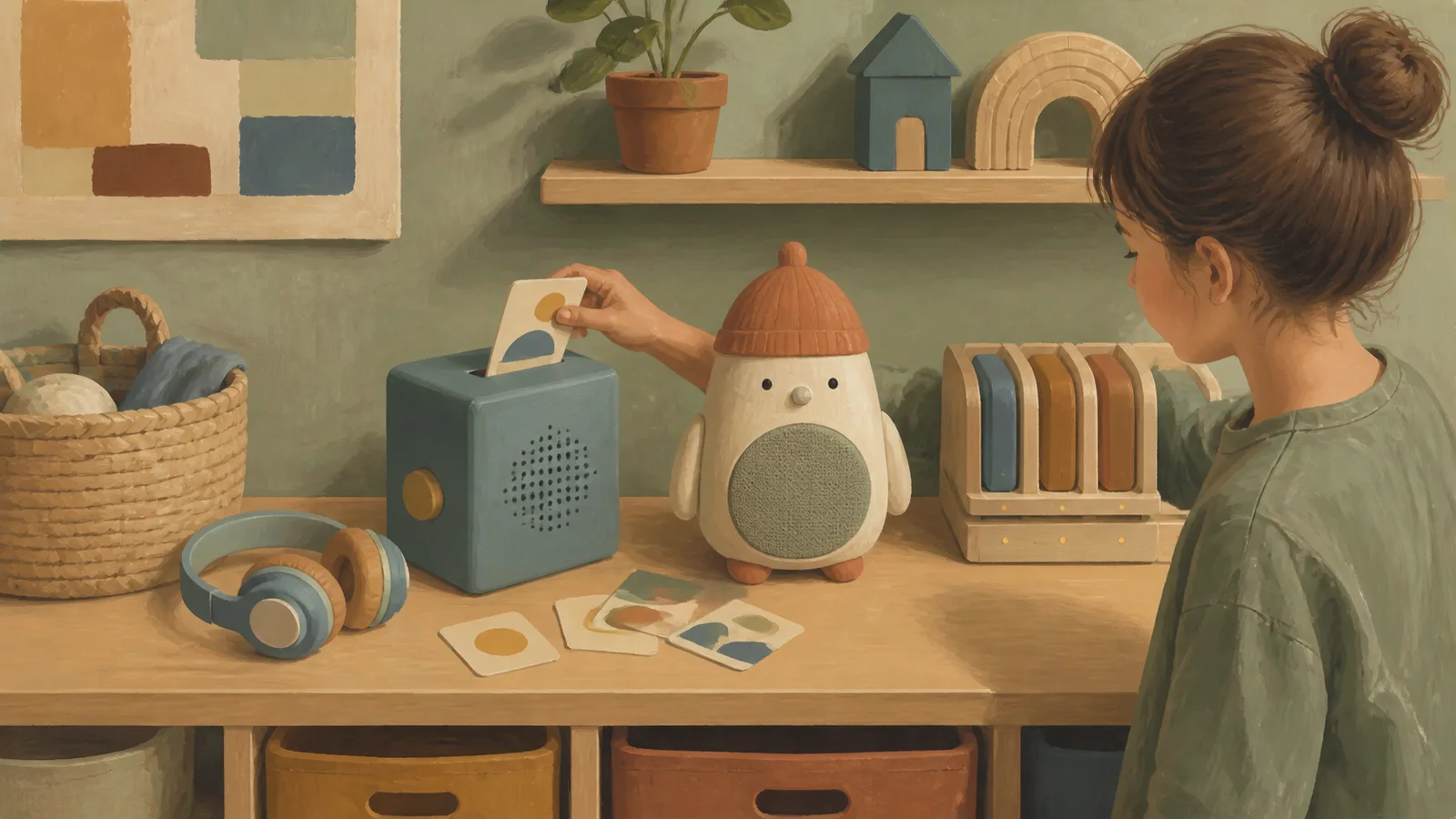
Compare card, figurine, library, Bluetooth, and DIY audio systems by age longevity, offline use, accounts, content cost, storage, charging, recall history, and hearing safety.

Compare drums, enclosed shakers, bells, tapping tools, and simple pitched instruments by motor demand, volume, construction, storage, and longevity.

Evaluate educational, STEM, Montessori, brain, language, and app-connected toy claims by matching each promise to evidence and real play actions.
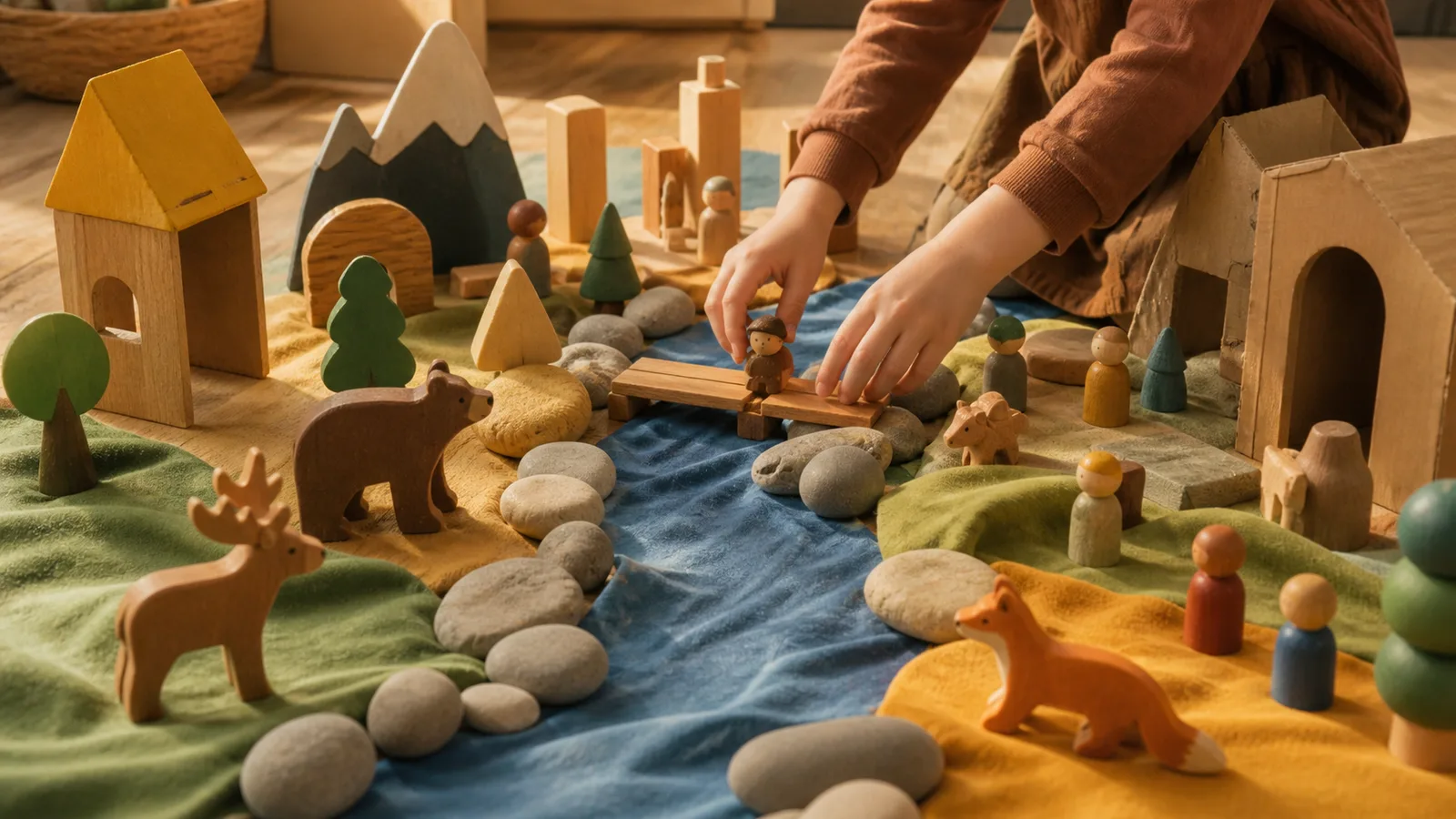
Build small worlds from a manageable cast, flexible terrain, and one story problem—with practical guidance on scale, storage, fillers, and safety.
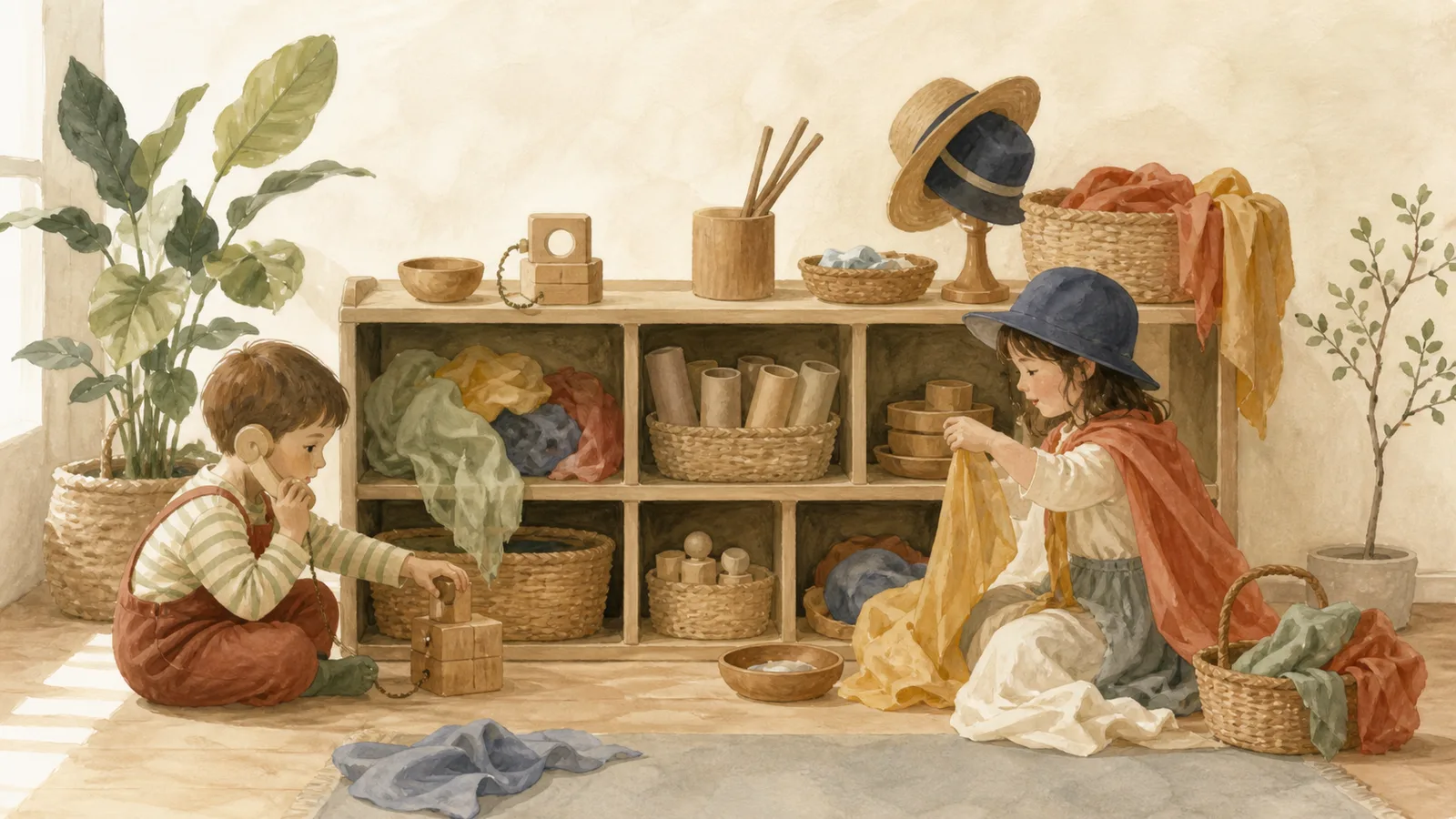
Build a compact, safer pretend-play collection with fabrics, containers, role markers, and simple objects that can change jobs as stories change.
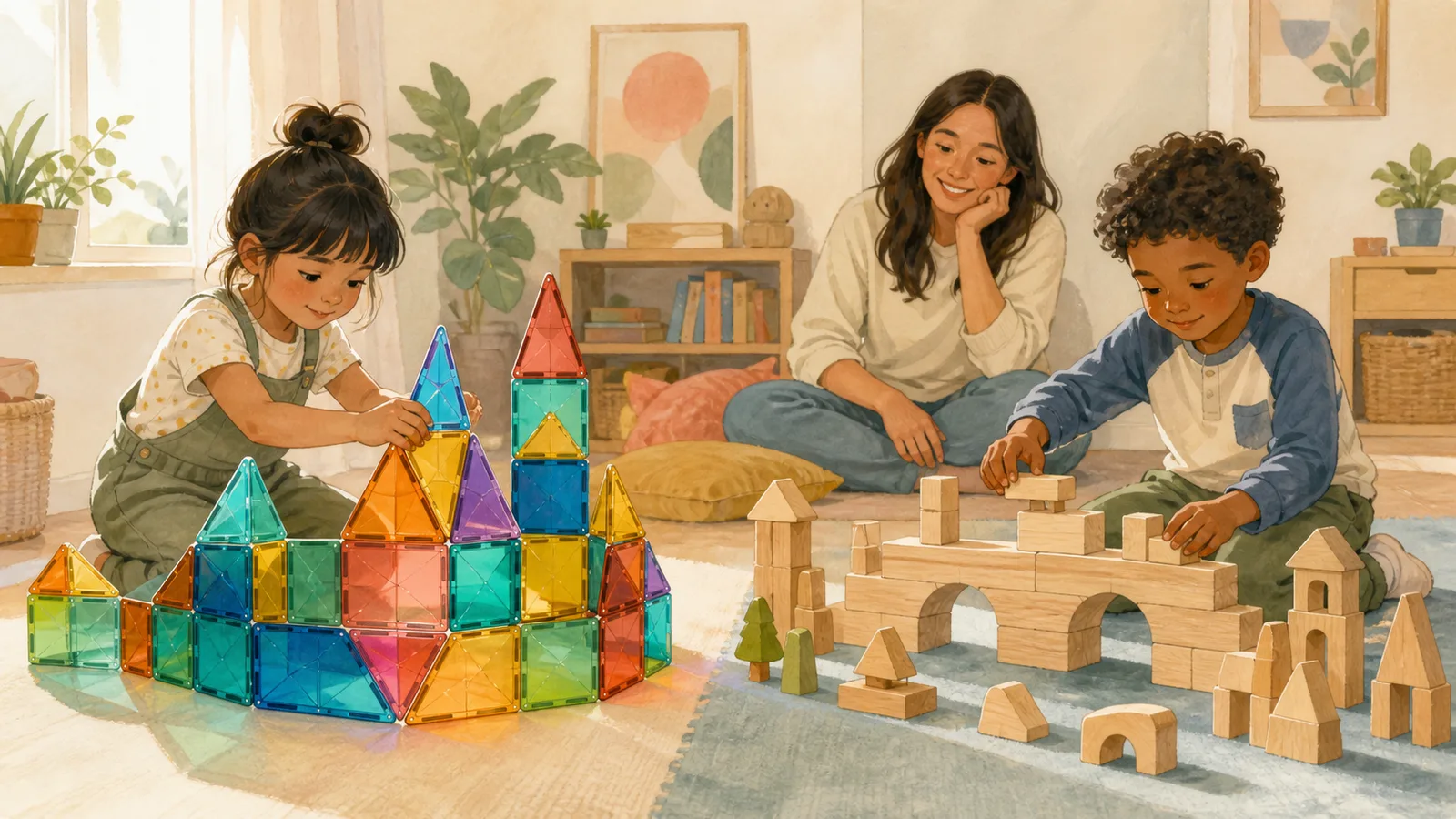
Compare magnetic tiles and wooden blocks by building behavior, safety, noise, space, storage, longevity, and the kind of frustration each creates.
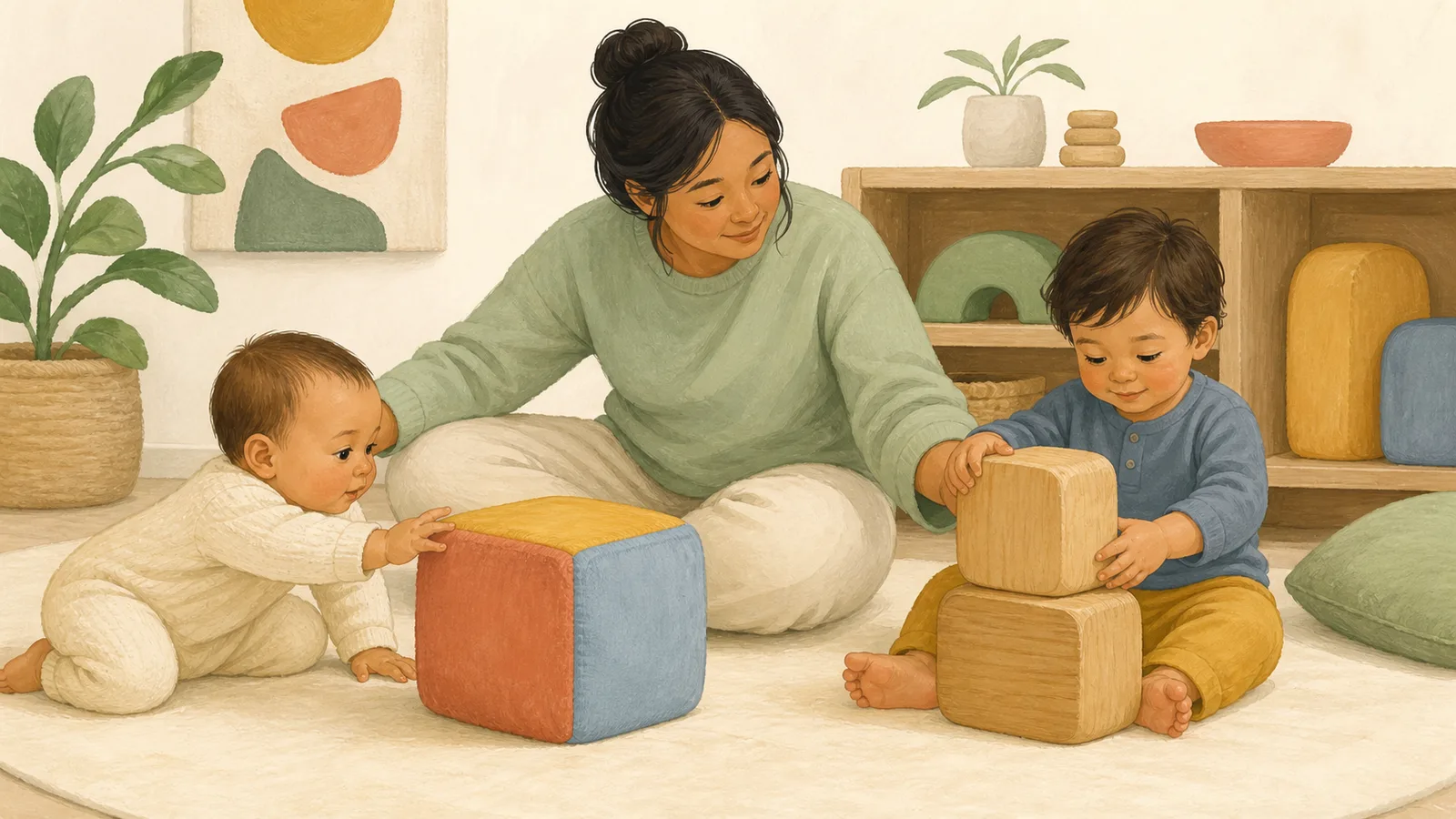
Compare soft, lightweight, hollow, interlocking, and wooden blocks by grip, weight, sound, cleaning, storage, and how children actually use them.

Use a six-question safety screen before turning bowls, cloths, containers, and kitchen tools into play materials for babies or toddlers.
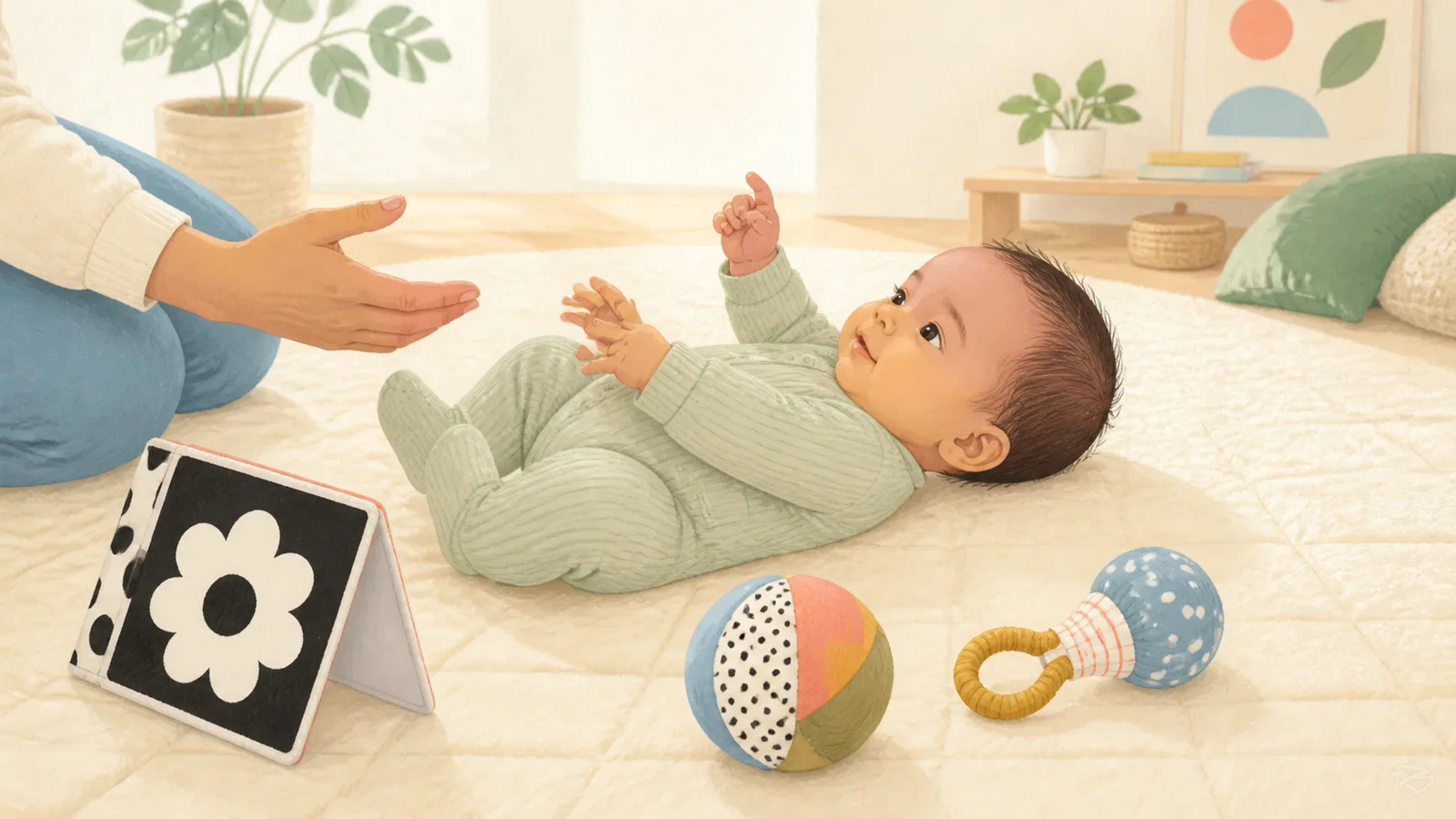
Choose useful first toys without milestone pressure. This guide explains what babies may enjoy from birth to six months, what to skip, and how to inspect every toy safely.
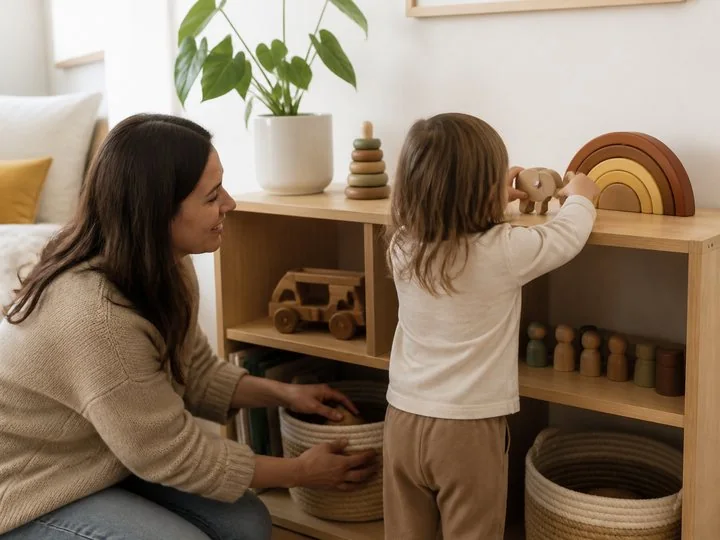
A practical toy rotation system for toddlers and preschoolers, including how many toys to offer, what to keep out, and what the research really shows.
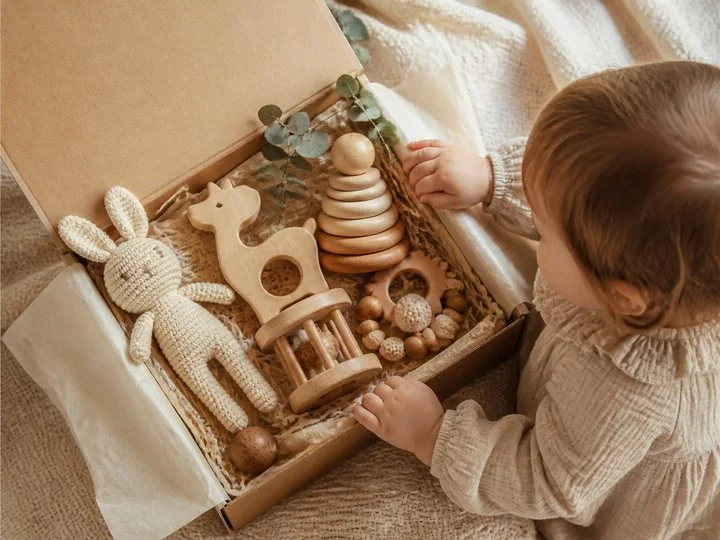
A calm framework for choosing lower-impact toy gifts, checking environmental claims, buying secondhand safely, and prioritizing long useful life.
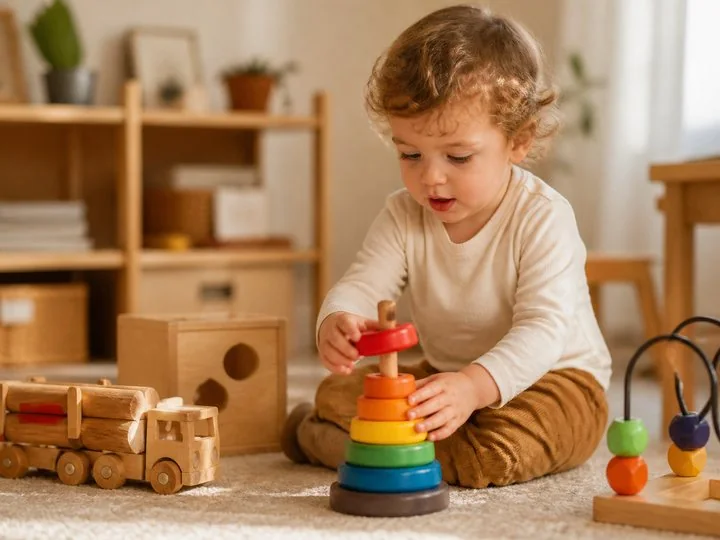
Six current wooden toys compared by age, play style, pieces, storage, materials, versatility, safety, and honest trade-offs.