
A toy that “grows with” a child is not necessarily one with a wide age range printed on its box. A more useful question is whether it works for your child now and can safely offer a reachable next kind of play later.
That might mean a child first carries and drops pieces into a container, then begins sorting them, building with them, making up a story, or using them alongside other materials. It might also mean the toy has one satisfying purpose for a season and then leaves the play space. Both outcomes are normal.
Start with safety. Check the exact product’s official age grade, warnings, instructions, condition, and small-part information before offering it. A toy that becomes more interesting only by adding unsafe pieces, requiring constant adult operation, or creating an unmanageable mess is not truly becoming more usable for your household.
Start with the play your child is doing now
Before trying to predict years of use, notice what your child seeks out this week. Children’s interests can shift quickly, and repeated play does not have to look ambitious to matter. Carrying objects across a room, filling a basket, lining up figures, taking a structure apart, posting items through an opening, covering a stuffed animal with fabric, or asking an adult to repeat a game are all useful observations.
The National Association for the Education of Young Children suggests starting with practical questions: Is a toy safe? Does it fit the child’s current skills and abilities? Is it enjoyable and easy enough to use? Can it tolerate ordinary use and be cleaned? NAEYC’s toy-selection questions are a helpful reminder that a promising toy on paper still needs to make sense in daily life.
You do not need to identify a developmental stage precisely. Look for a few ordinary clues instead:
- What actions does your child repeat without being prompted?
- Do they prefer making, moving, arranging, pretending, collecting, or following a clear goal?
- Do they use objects alone, invite you in, or look for another child to join?
- What creates satisfying challenge, and what leads to quick frustration?
- What can they physically access, carry, open, and put away with the support available?
For babies and toddlers, play may include manipulating, stacking, sorting, imitating familiar actions, moving through space, and beginning pretend play. These are broad patterns, not deadlines or a checklist. ZERO TO THREE’s guide to toys for babies and toddlers describes how play can take different forms as children’s interests and abilities change.
A toy does not have to meet every possible future interest. It only needs to offer a good fit for the child and family in front of you.
Look for four signs that play can change
A toy may remain in rotation when it gives a child more than one safe, manageable way to use it. That is different from promising that it will entertain every child for years.
1. The child can change the challenge
Look for ways the child can make the activity easier, harder, faster, slower, more detailed, or more ambitious without needing a replacement product.
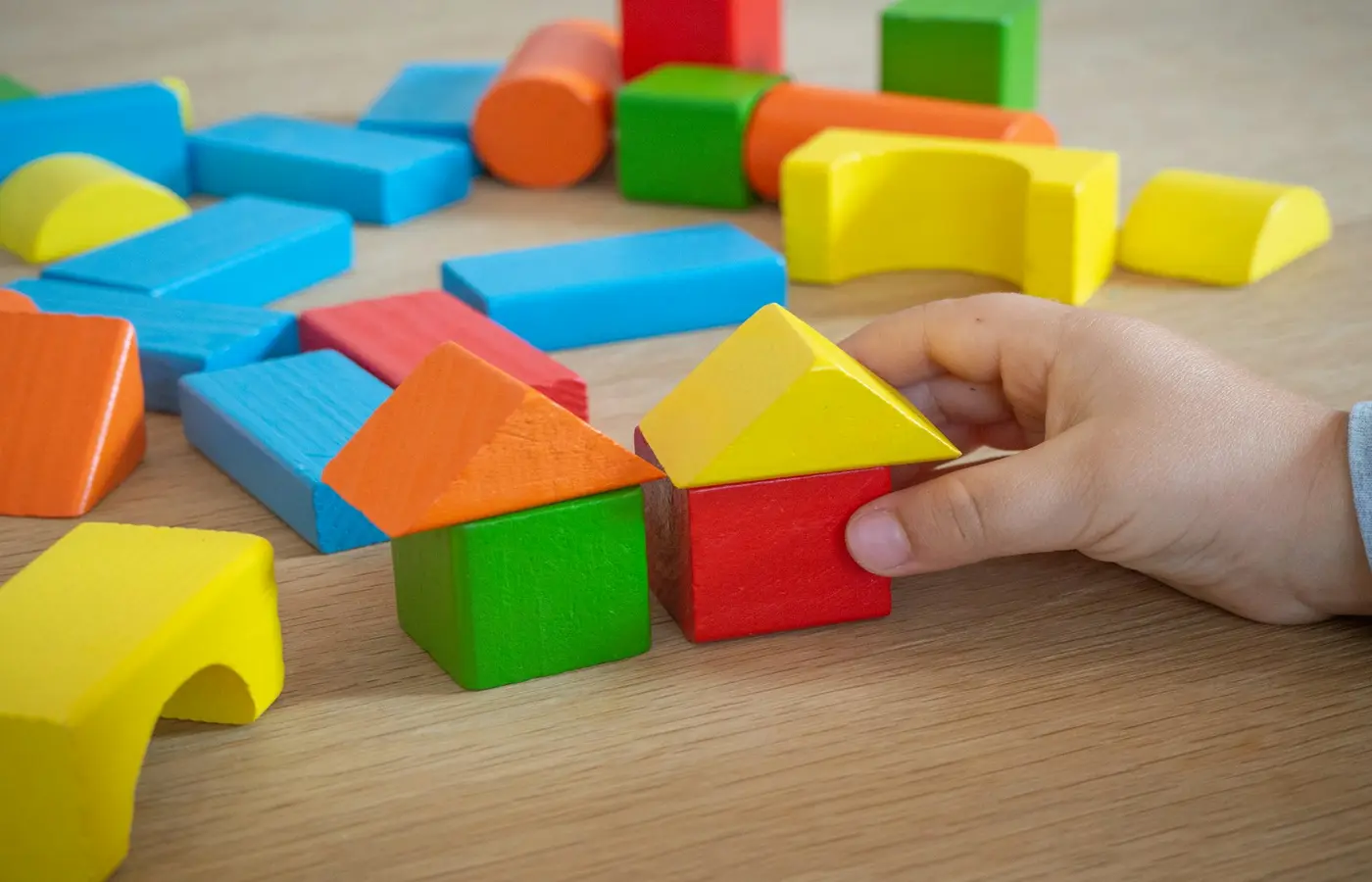
For example, a child might begin by placing large pieces side by side. Later, they may balance them, make an enclosure, copy a simple arrangement, build a setting for figures, or work with another person on a shared structure. With a sorting material, the next challenge might be grouping by color, type, size, or an invented rule.
The important feature is not complexity for its own sake. It is whether the next step is available when the child wants it and remains safe under the product’s instructions.
2. It allows more than one kind of use
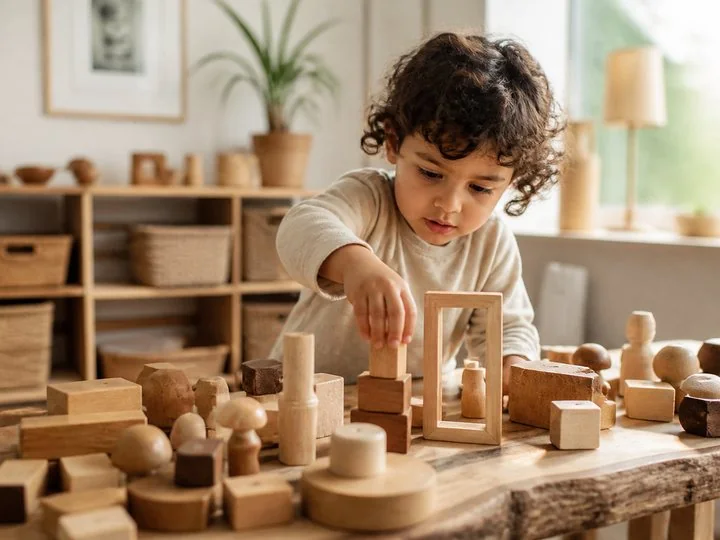
Flexible materials can invite many outcomes: blocks can become a road, a tower, a shop counter, or a place to hide a small vehicle. Fabric can become a cape, picnic blanket, cave roof, wrapping, or part of a pretend bed.
That flexibility is often called open-ended play. As Life With Toys’ guide to open-ended toys explains, open-ended describes how flexibly a material can be used; it does not guarantee creativity, learning, or lasting interest.
A toy with a defined purpose can still have staying power. A puzzle may offer a clear challenge and feedback. A game may become more enjoyable when a child can understand its rules. A vehicle may support repeated stories without needing to become something else. Open-ended and structured play materials can both belong in a useful play space.
3. It can join materials you already own
A toy often becomes more useful when it can connect with the rest of the play area. Consider whether it works with existing blocks, figures, stuffed animals, books, containers, washable art supplies, play food, or lengths of fabric.
Compatibility can create new setups without requiring a constant stream of add-ons. A set of figures might join a block-built house. A cardboard box can become a garage for vehicles. A picture book about animals may lead to a simple animal-world setup with items already at home.
This does not mean every toy needs to combine with everything else. A coherent, manageable collection of compatible materials is often easier to use than a large assortment of unrelated products.
4. The child returns to it in their own way
Returning to a toy after time away can be a useful sign that it still has a place in the room. The return may be independent, shared with you, or prompted by a new setup. It does not need to involve long stretches of quiet concentration.
Some children prefer brief play periods. Some want company. Some repeat exactly the same action for weeks before changing it. None of those patterns means the toy has failed or that the child needs a more “advanced” option.
Think of return as information, not a test. If the child comes back to a material and uses it differently, that suggests flexibility. If they do not, it may simply be time to rotate it out or make room for something else.
Test the toy’s next challenge without buying more
Before buying a toy—or before buying an expansion set—try to name one plausible next use that does not depend on pressure, a paid accessory, or unsafe components.
Ask yourself:
- Can the child arrange the pieces in a different way?
- Can they set a new goal, such as making a bridge, grouping objects, or delivering pretend food?
- Can a story, role, or setting make the material feel new?
- Can two people use it together without one person taking over?
- Can the setup be simplified when it feels frustrating?
- Can it be offered in a different place, such as on a tray, at a table, on the floor, or outdoors when appropriate?
For example, a child who currently puts large objects into a bucket may later use the same bucket for collecting pretend groceries, transporting figures, washing washable toys, or sorting outdoor finds. The bucket itself has not become educational; the child has found new actions for it.
Be cautious when the only “next level” is adult operation. A toy may still be enjoyable as a shared activity, but it is worth being honest about the adult work involved. The same is true if the apparent next stage requires purchasing more proprietary parts or introducing smaller pieces that are not appropriate for younger children in the home.
When evaluating learning language, focus on what the child actually gets to do. Life With Toys’ evidence guide to educational toy claims recommends asking what action repeats, what feedback the activity gives, how adult help changes it, and whether the claim has actually been studied for that product and age group. Those questions also help reveal whether a toy has a meaningful next use or just a broad marketing promise.
Separate a wide age label from real play flexibility
An age range can be useful, but it answers only part of the question. It may reflect the manufacturer’s intended audience, safety considerations, or the way a product is marketed. It cannot tell you whether your child will enjoy it, whether it suits their current interests, or whether it will remain accessible in your home.
Treat these as separate checks:
| Question | What to check |
|---|---|
| Is it safe to offer now? | The exact product’s official warnings, instructions, age grade, size of pieces, condition, and supervision needs. |
| Can my child use it now? | Their current interests, physical access, tolerance for frustration, and whether an adult needs to set it up. |
| Is there a reasonable next use? | A new challenge, role, arrangement, combination, or shared-play option that does not require unsafe changes. |
| Will it work in our home? | Storage, cleaning, noise, floor space, loose parts, replacement needs, and the amount of adult help required. |
Words such as “educational,” “STEM,” “Montessori,” or “for ages 1–6” do not prove that a product creates a particular outcome or will hold one child’s interest across that whole span. They are not substitutes for checking the specific product documentation.
Likewise, a toy does not need a broad age label to be worthwhile. A structured game, a simple puzzle, or a seasonal craft kit may offer a very good experience for a shorter period. Longevity can be useful, but it is not the only measure of value.
Check whether it can join the rest of the play space
A toy that grows with a child often grows through its surroundings. Before adding something new, look at what is already available.
You might pair materials in simple ways:
- Add figures or animals to a block structure.
- Offer containers beside loose materials for filling, sorting, transporting, and putting away.
- Put paper and washable drawing tools near a pretend-play area for menus, tickets, maps, or signs.
- Bring a favorite book near related figures or vehicles for story-inspired play.
- Use fabric as a backdrop, blanket, tent roof, costume piece, or doll bed.
Keep age groups in mind when combining materials. Older children may use small accessories appropriately while a baby or younger sibling is nearby and still mouths objects. In that situation, separate the materials, use a higher surface, reserve the activity for supervised times, or skip the combination altogether.
The same principle applies to art supplies, water play, magnets, batteries, cords, and anything with product-specific warnings. Combining toys can expand play, but it can also introduce mess, breakage, or hazards that were not present when each item was used alone.
Count the household cost of keeping it in rotation
A toy can offer many possibilities and still be the wrong fit for your home. This is not a failure of imagination or commitment. It is useful information.
Consider the full cost of keeping it available:
- Floor space: Does it need to stay assembled to be usable?
- Storage: Can the child reach it, see what is available, and help return it?
- Loose pieces: Are they easy to contain, count, replace, or separate from younger children?
- Cleanup: Can ordinary dirt, paint, sand, or spills be handled according to the product’s care instructions?
- Noise: Does the toy’s sound level work for your home, shared walls, rest times, or sensory needs?
- Setup: Can the child begin with minimal help, or does every use require adult preparation?
- Supervision: Does it require close oversight because of its parts, activity, or the mix of children using it?
Sometimes a simpler version keeps a toy usable. Put out fewer pieces. Store accessories separately. Use a tray or basket to define the activity. Rotate a bulky item rather than leaving it out. Remove damaged or difficult pieces. Save a more complicated setup for a time when an adult can join.
And sometimes the right choice is to let a toy go. A shorter-lived toy that fits your child, space, and energy now may be more valuable than an elaborate product that spends most of its life in a closet.
A simple before-you-buy and before-you-keep rule
Choose or keep a toy when three things are true:
- It is safe and workable now. You have checked the exact product information, and its setup, pieces, condition, and supervision needs fit the children using it.
- You can name one realistic next use. The child may be able to change the challenge, tell a story with it, combine it safely with existing materials, or share it with someone else.
- It fits the household. You can store, clean, manage, and occasionally rotate it without turning play into a constant adult project.
Then observe rather than predict. Put the toy out, notice what the child does, and adjust. If it supports a new kind of play later, that is a welcome bonus. If it does not, you have not chosen badly—you have learned something useful about this child, this home, and this moment.
Sources and research note
This guide uses broad toy-selection and play-use guidance rather than evidence that any specific toy will remain engaging for a set number of years. Product-specific safety decisions should always be based on the exact item’s official warnings and instructions.