Play Ideas · Play Ideas
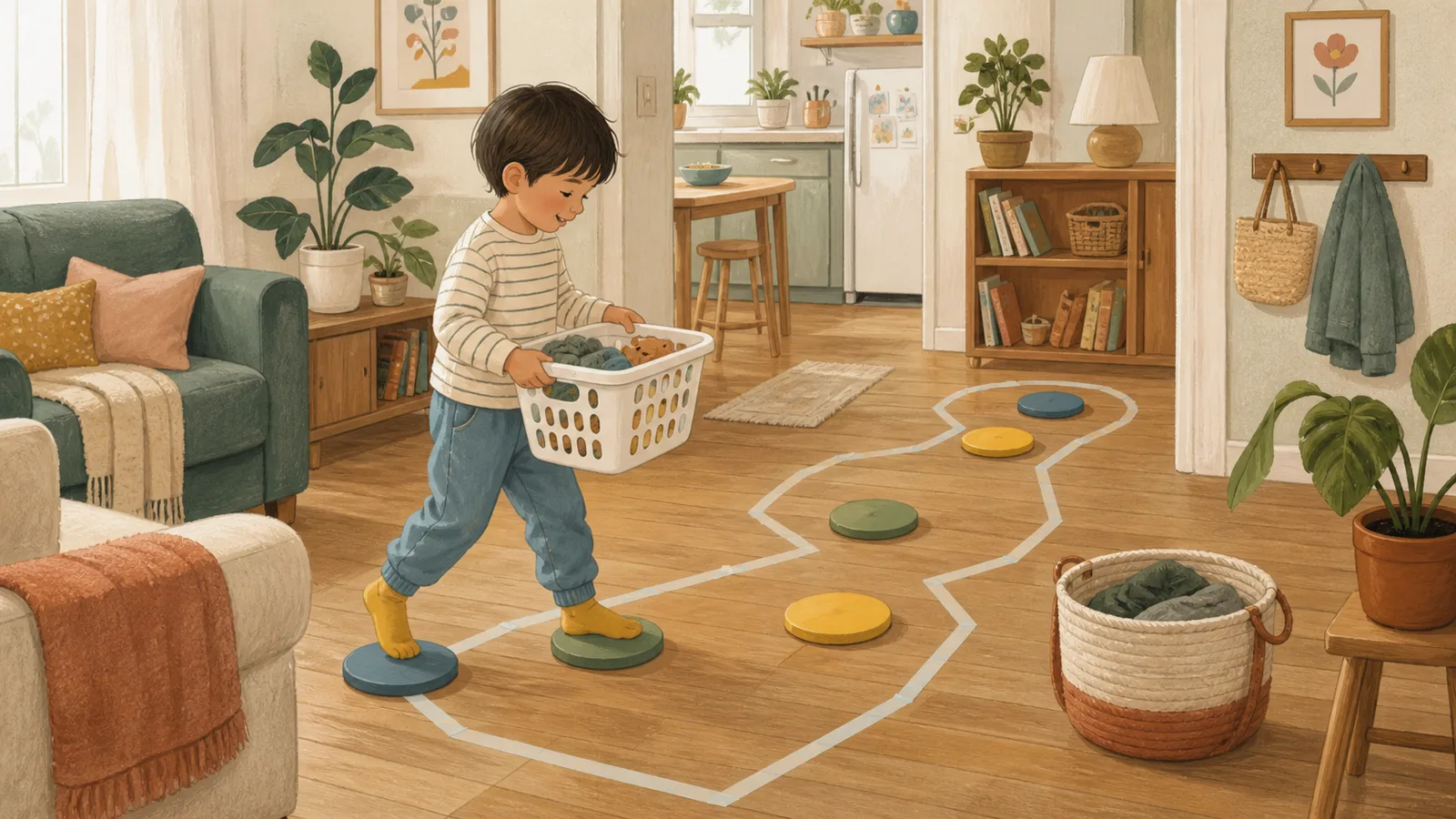
Indoor Active Play for Preschoolers in a Small Space
Create apartment-friendly preschool movement games using one clear lane, carries, balance, stop-start cues, and low-impact adaptations for floors and neighbors.
Make room for wonder
These are invitations, not scripts. Start with familiar materials, protect a little time, and let children decide what the idea becomes.
20 editorial stories
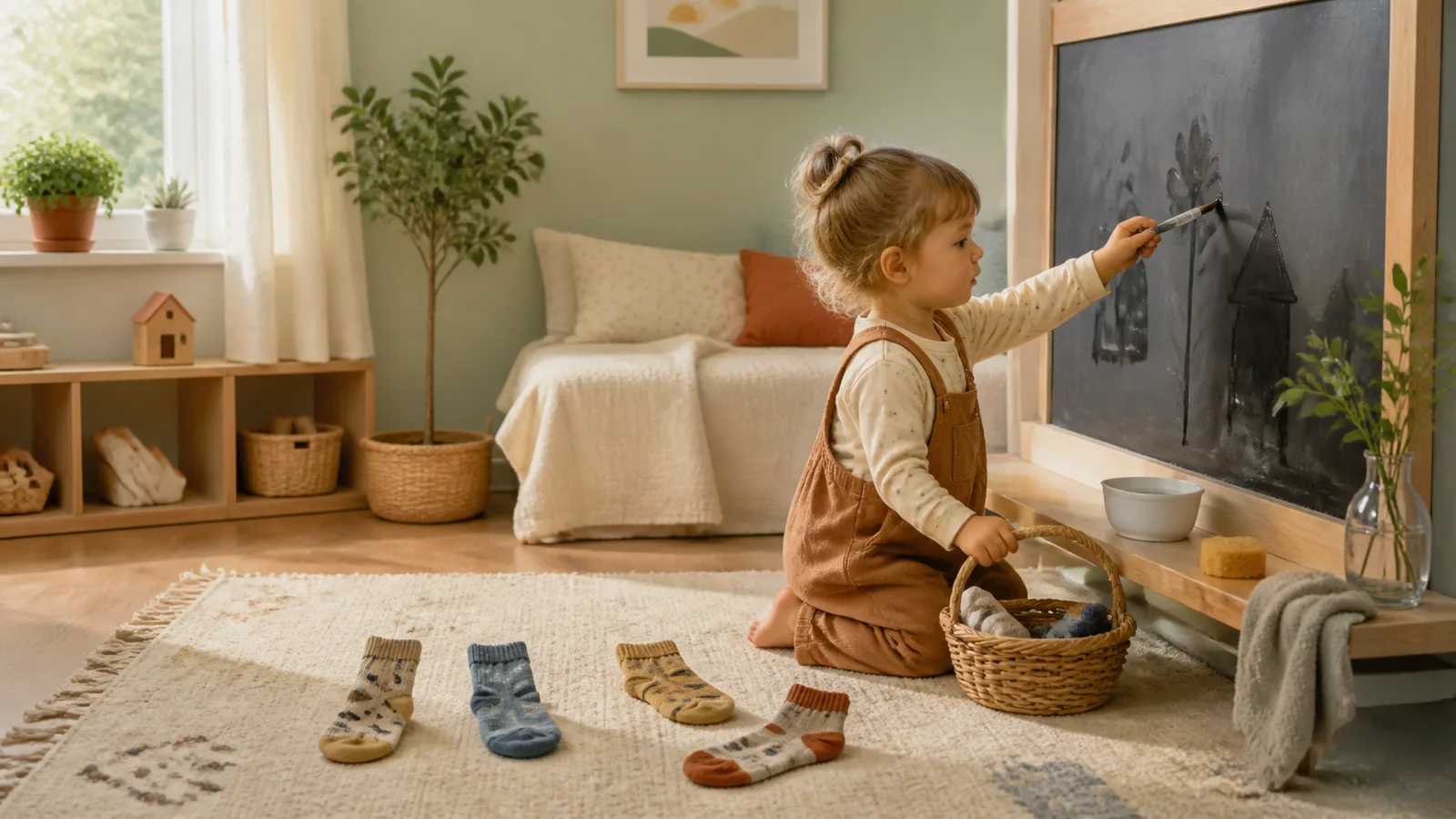
Find low-prep toddler play rated by setup, spread, sound, supervision, and reset—with contained household activities and no fake zero-cleanup promise.
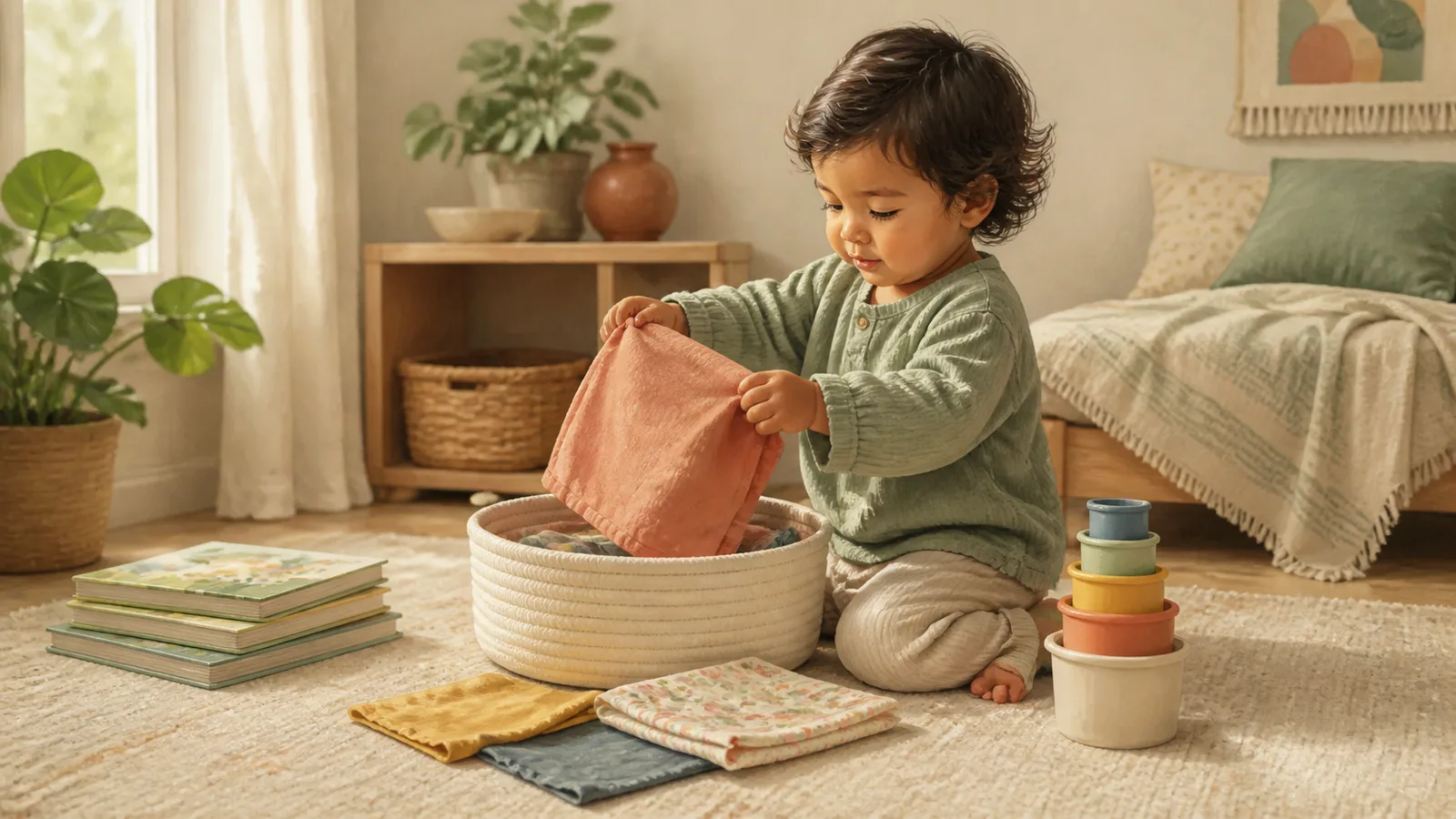
Try low-noise play for a one-year-old using books, large posting objects, cloth, nesting, matching, and helper routines—with realistic supervision and reset needs.
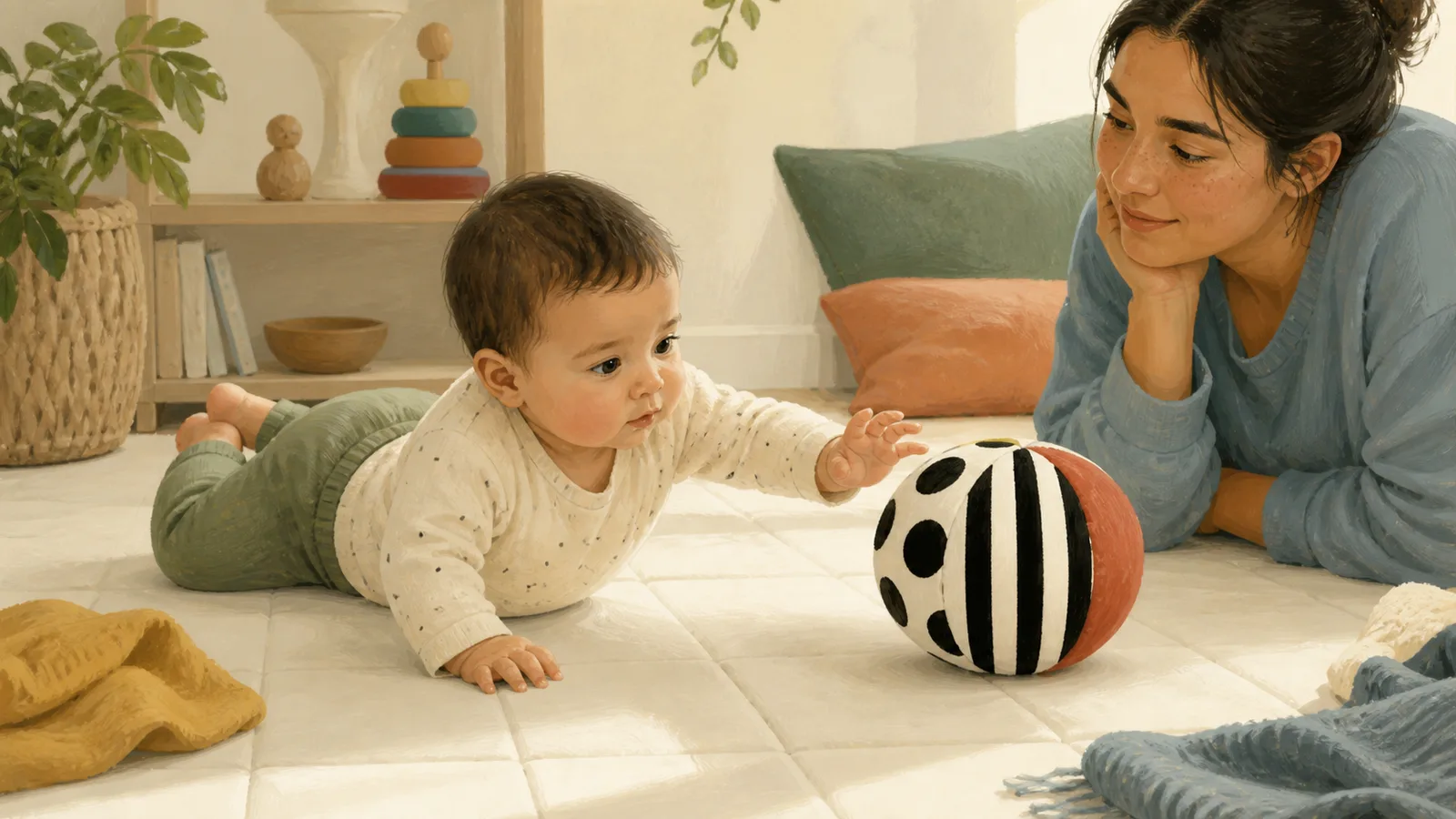
Use a clear, firm floor for awake supervised baby play with back, side, tummy, reaching, rolling, and pivoting ideas—without turning milestones into a race.

Run a preschool nature hunt with observation prompts, movement, sound, accessibility adaptations, and leave-what-you-find boundaries.
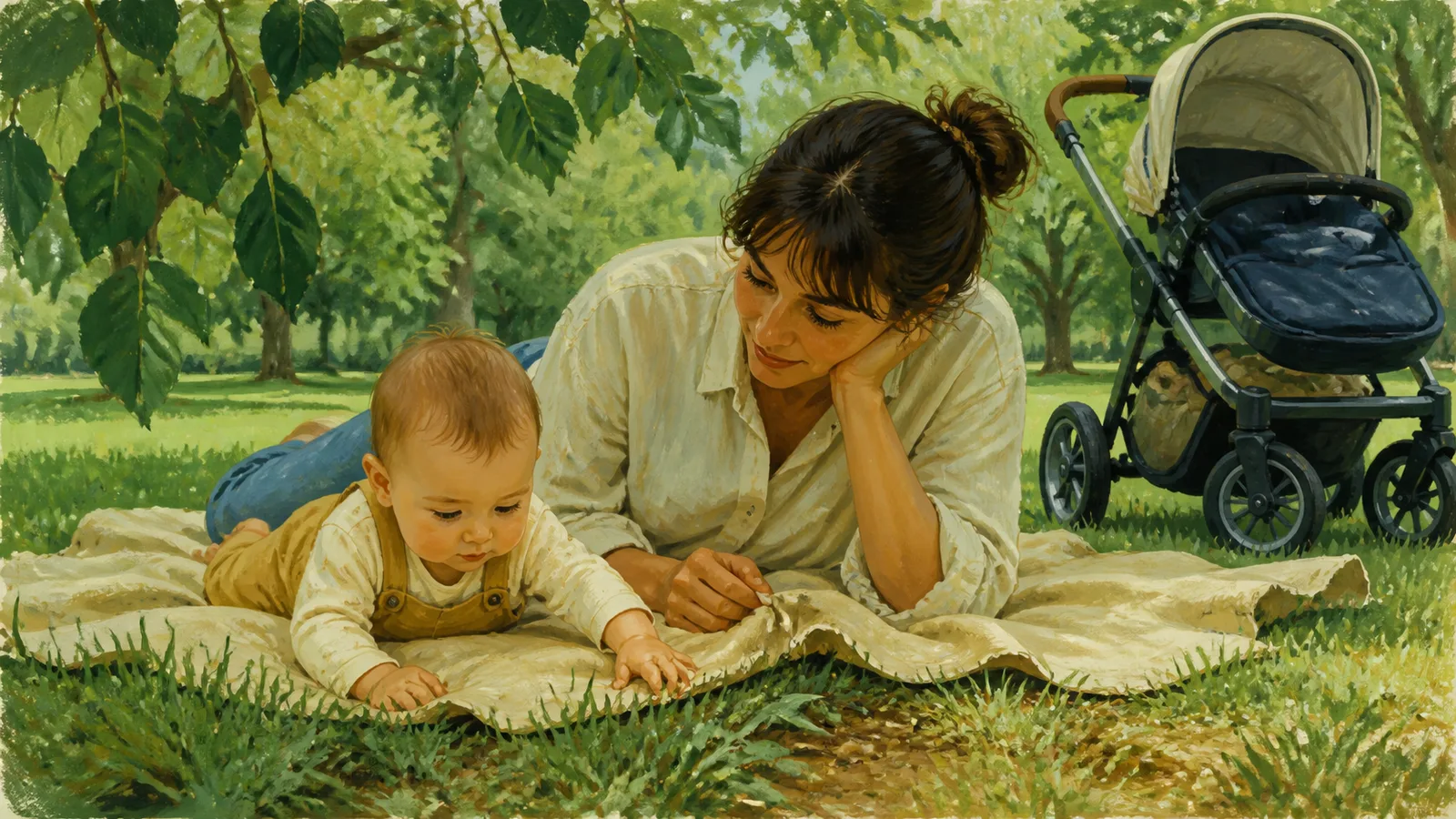
Plan outdoor floor time for babies with a five-point site check, position-specific ideas, sun and heat limits, ground inspection, and realistic stopping cues.
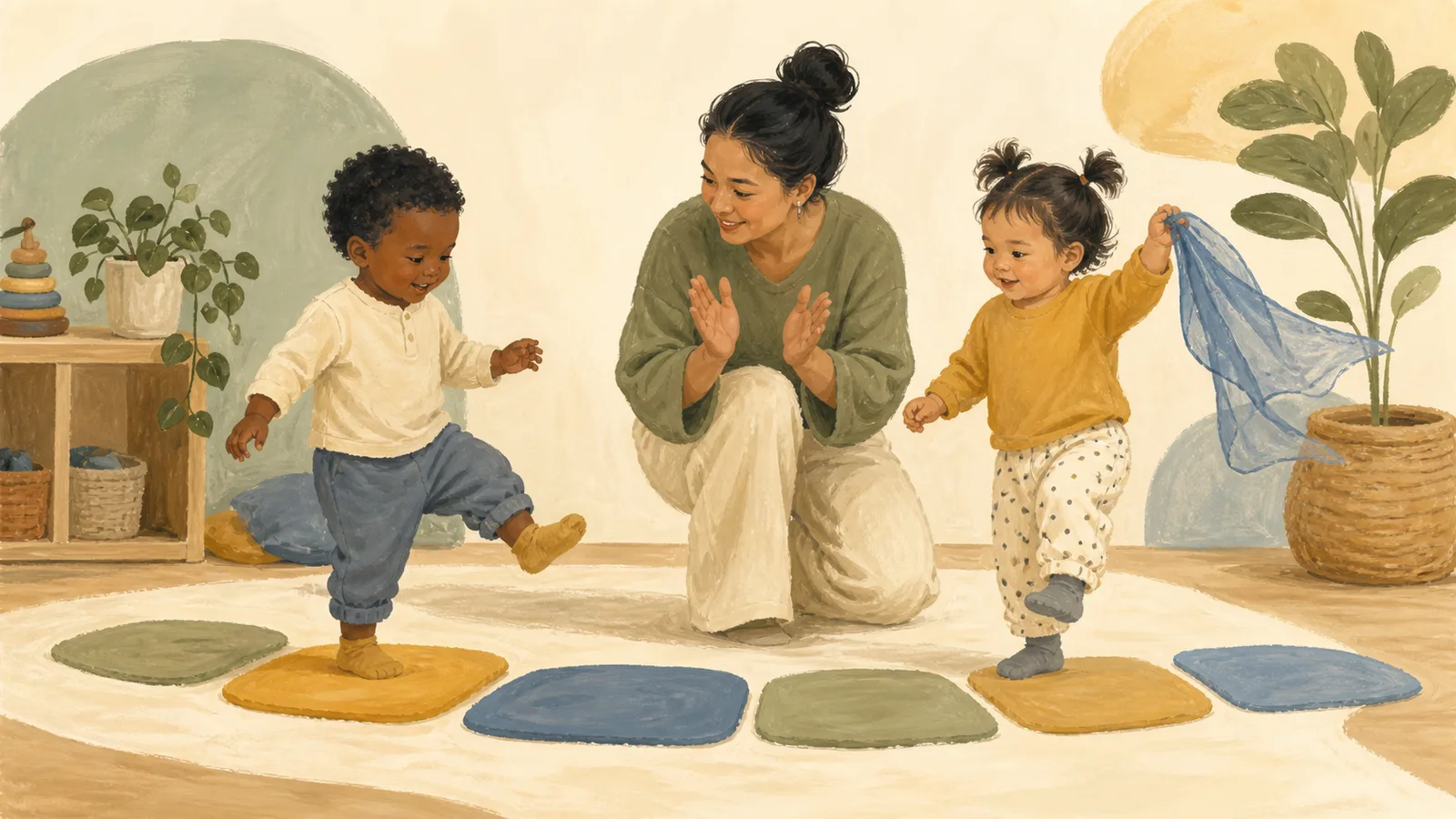
Try six short rhythm-and-movement games for ages 2–3 with seated, small-space, mixed-age, and sound-sensitive adaptations.

Use live singing, gentle rhythm, movement, and responsive pauses with babies from birth to 12 months—without special musical talent or equipment.
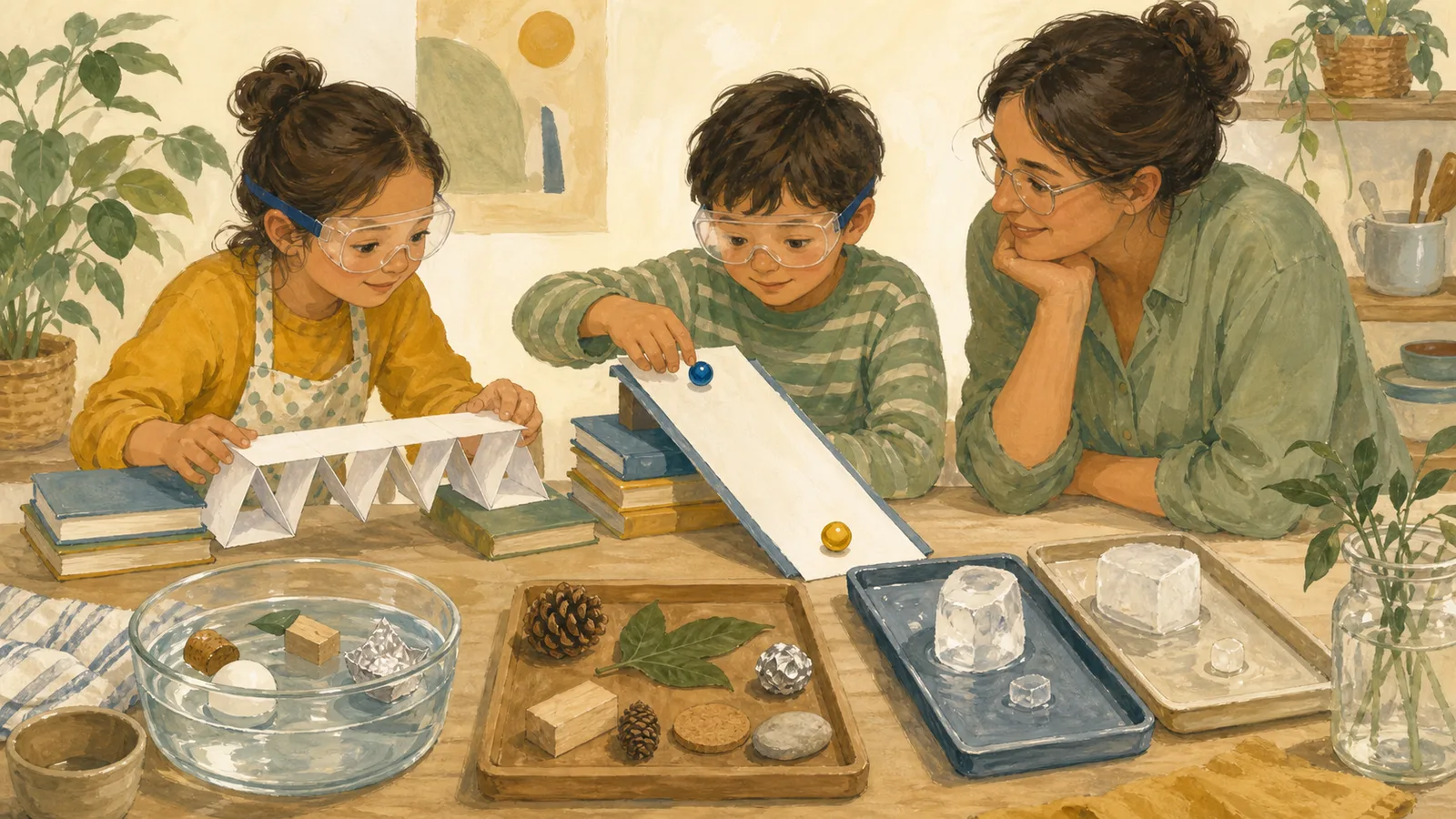
Try safer household investigations with ramps, paper, ice, shadows, floating objects, and sound—each built around one variable and observable evidence.

Offer age-respectful missions, roles, resources, and worlds for children 8+—including solo, quiet, mixed-age, and low-prop options.

Set up a flexible toy clinic with animal patients, several meaningful roles, honest medical language, and clear boundaries around real supplies.
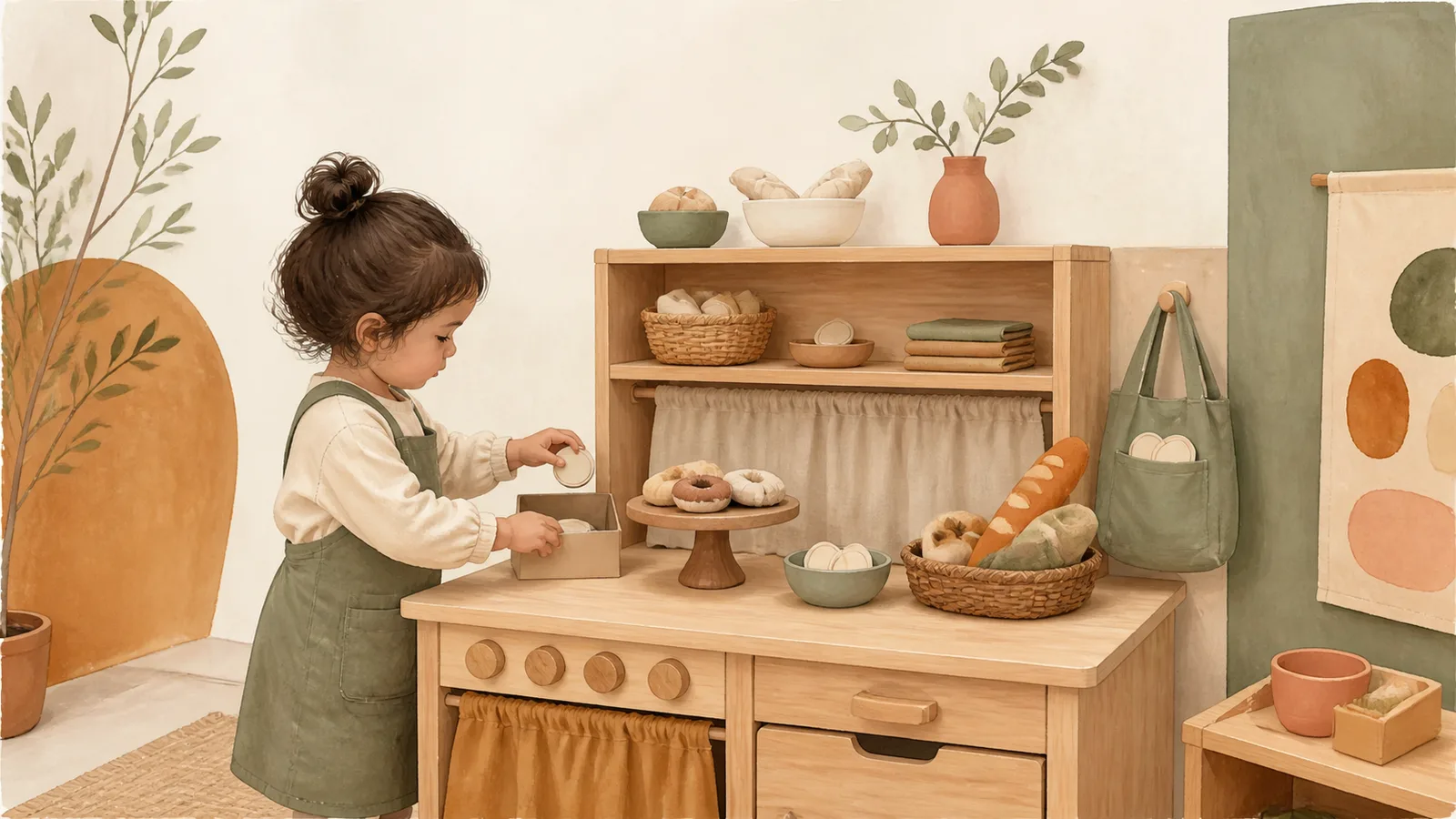
Refresh a play kitchen with low-prep jobs, small problems, and adaptable stories—without buying another bin of pretend food.
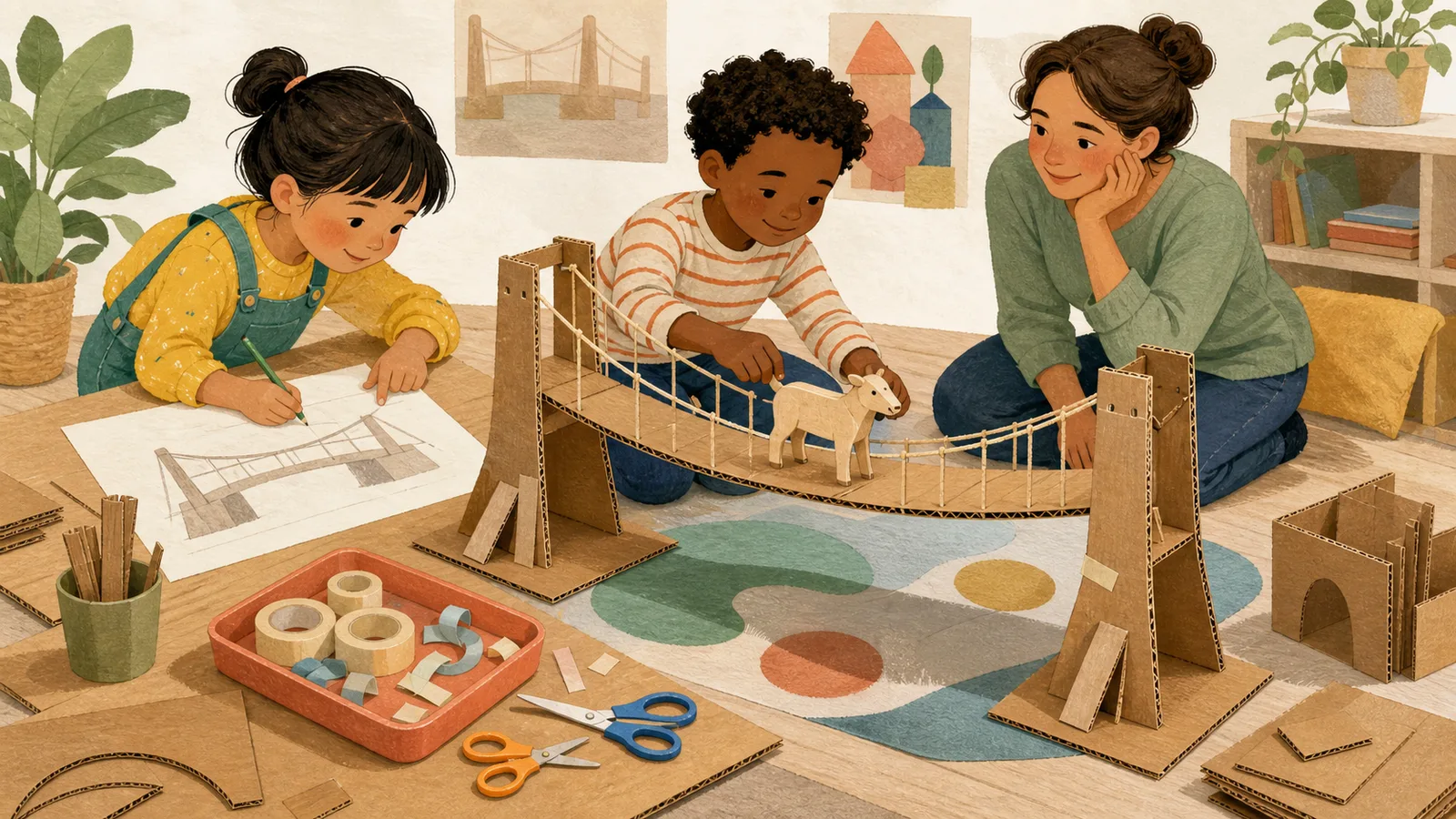
Six cardboard design problems for ages five to seven, with safer tool roles, useful constraints, simple tests, and room to rebuild.
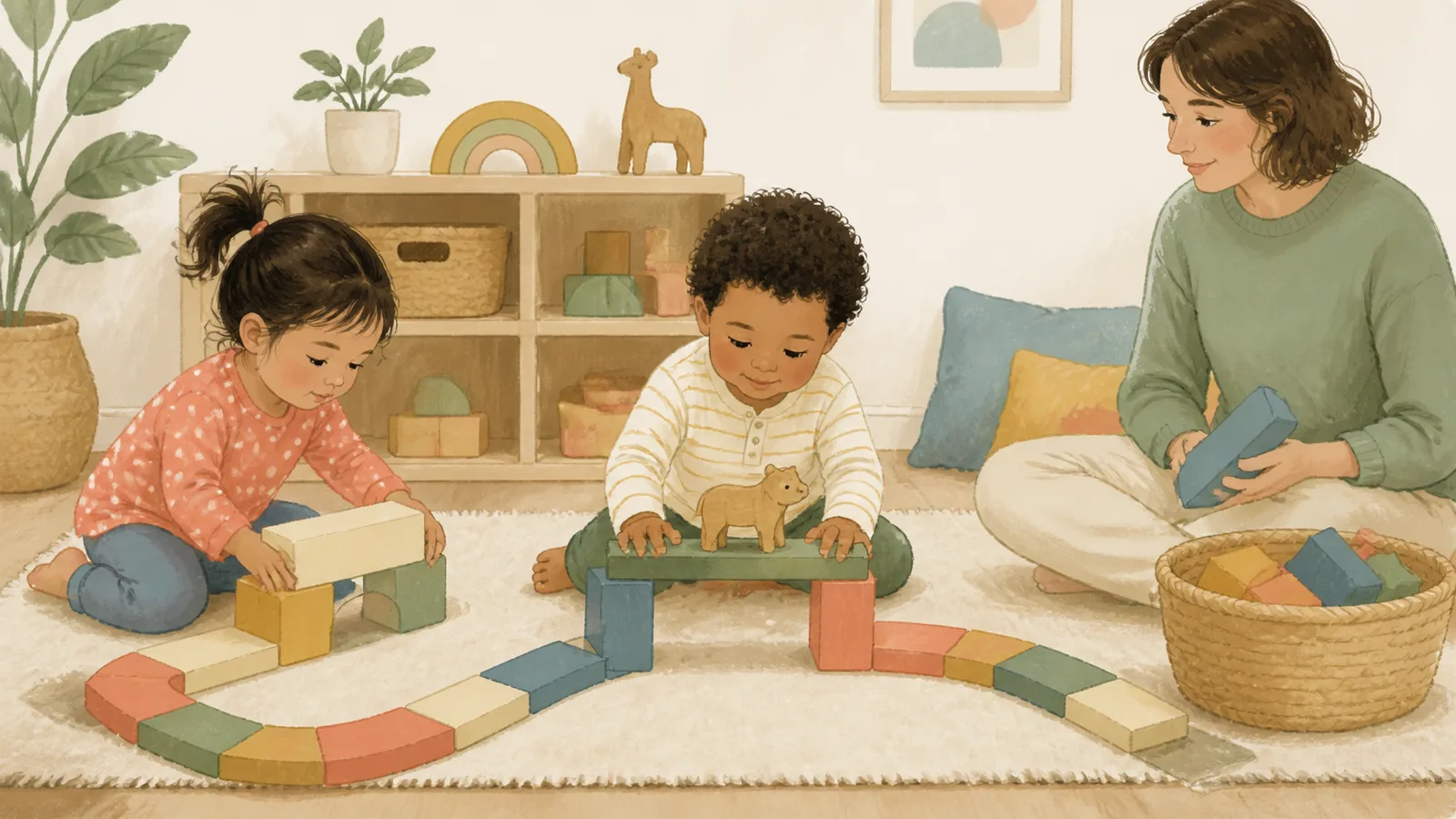
Use action-based prompts for carrying, lining, balancing, bridging, enclosing, and storytelling without asking a toddler to copy an adult model.
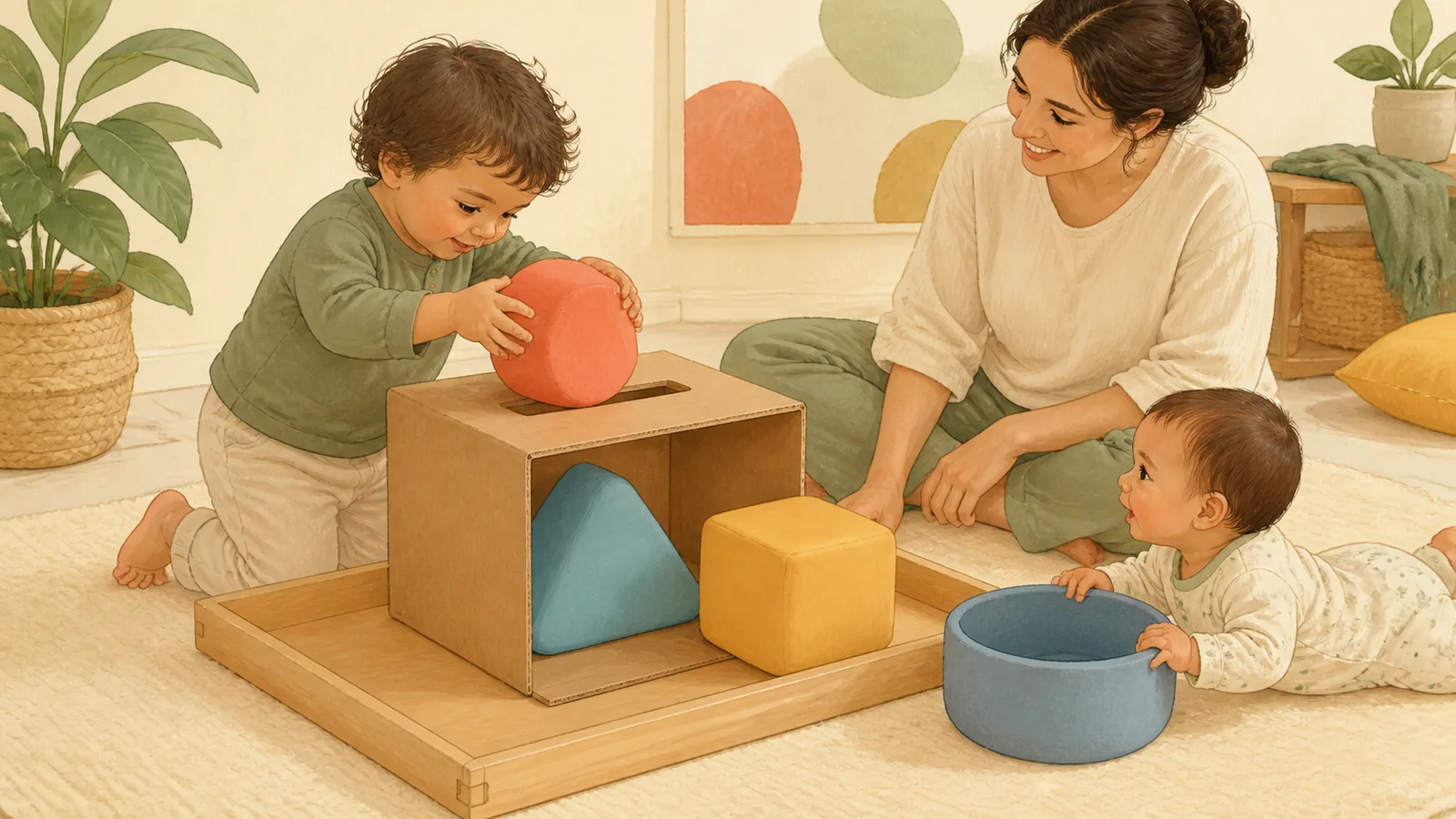
Start with filling and dumping, then adjust openings, objects, and visibility as a child becomes ready for more precise posting play.
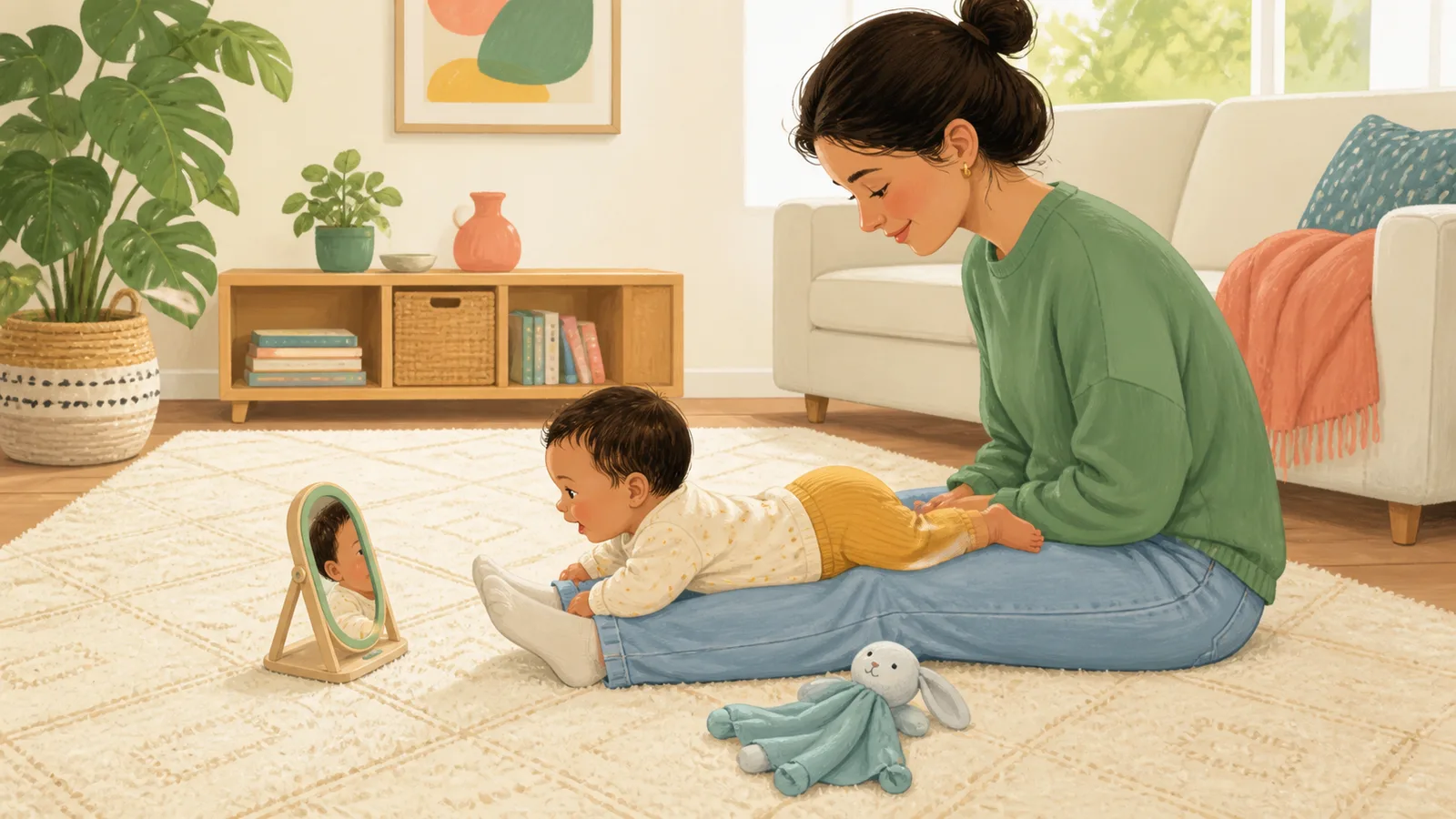
Make awake tummy time more workable with a gradual position ladder, simple play ideas, and practical changes for crying, fatigue, or frequent spit-up.
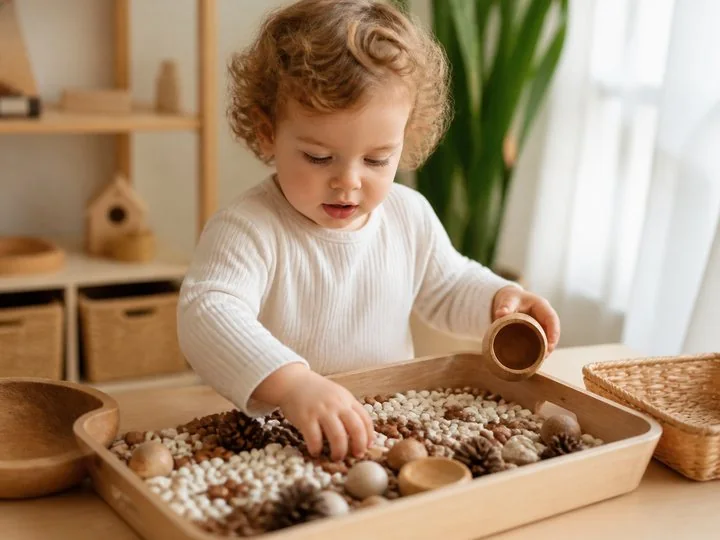
Twelve low-prep sensory play ideas, with an age-aware safety screen for mouthing, water, allergies, small parts, and mixed-age siblings.
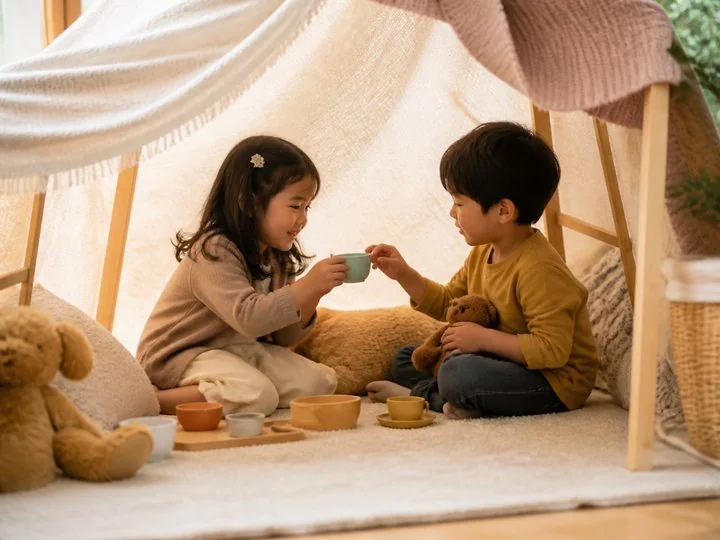
Flexible indoor pretend play ideas for toddlers through early school age, with simple setups, age adaptations, reluctant-player help, and realistic evidence notes.
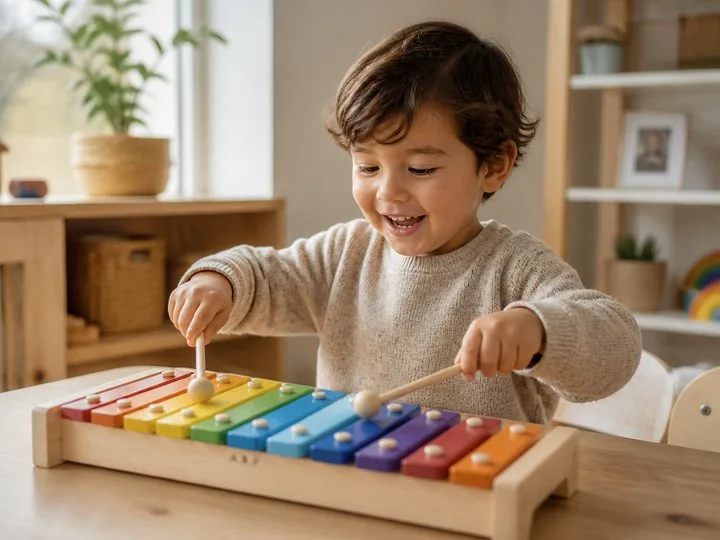
Playful preschool music activities for rhythm, listening, movement, and making, with low-noise adaptations and evidence-aware hearing guidance.

Practical outdoor play ideas for heat, rain, cold, and ordinary days, with a simple weather check, urban alternatives, and evidence-aware safety guidance.