
A secondhand toy can be a sensible way to save money, reuse materials, or find something no longer sold. Before it enters play, however, keep it away from children long enough to identify it, inspect it, and check for recalls.
The quick rule is simple: skip a toy with broken plastic, sharp areas, splinters, rust, loose pieces, exposed filling, corrosion, accessible batteries, or magnets coming out of their housing. Also pause if you cannot tell what the toy is or whether safety-critical parts are missing. A low price does not make that uncertainty worthwhile.
A careful visual check cannot prove that a toy complies with current standards or has no hidden damage. It can help you spot clear reasons to decline it and decide what needs further checking.
Start with a quick keep-or-skip screen
Do the first check before handing the toy to a child. At a yard sale or resale shop, use good light and turn the item over. For an online purchase, inspect it again when it arrives rather than relying on listing photographs.
Skip or set aside the toy if you see:
- cracked, brittle, warped, or broken plastic
- sharp points, rough broken edges, splinters, or protruding wire
- rust, battery leakage, or corrosion
- torn fabric, failed seams, or filling coming out
- loose eyes, noses, wheels, caps, buttons, beads, or other detachable pieces
- a battery cover that is absent, cracked, taped shut, or missing its fastener
- a magnet that is loose, exposed, or missing from an apparent housing
- a joint, wheel, axle, cord, or connector that looks altered or incomplete
- an improvised repair whose strength and materials you cannot verify
Some flaws are cosmetic. Faded color or a removable layer of surface dust may not affect how a toy works. Structural cracks, loose components, and failed enclosures are different: cleaning does not correct them.
If the seller will not let you inspect a battery compartment, identification label, or underside, you can leave the toy behind. You do not need to solve every uncertainty because an item is inexpensive or otherwise appealing.
Identify the toy and what should be included
Before deciding that a used toy is complete, find out exactly what it is. A seller’s description—“magnetic blocks,” “baby activity toy,” or “wooden train”—usually is not specific enough for a reliable recall or instructions search.
Look on the bottom, back, battery compartment, sewn-in tag, packaging, or instruction sheet for:
- manufacturer or brand name
- product or model name
- model, item, or style number
- manufacturing date, date code, lot, or batch marking
- age grade and warning labels
- voltage and battery information, if relevant
- manufacturer contact details
Photograph these markings while they are readable. If official instructions are available for the exact model, use them to check the intended contents, assembly, fasteners, warnings, and cleaning directions. Seattle Children’s recommends reading and retaining toy instructions; with a used toy, those instructions can also reveal that a cover, restraint, connector, or other important component is absent.
Do not infer a parts list or age grade from a similar-looking model, a retailer’s age filter, or labels such as “educational.” Products can look nearly identical while using different components or carrying different warnings.
If there is no label or model number
An unidentified toy is not automatically hazardous, but the missing identity limits what you can establish. You may be unable to:
- match it confidently to a recall notice
- verify its official age grade and warnings
- determine whether every essential part is present
- locate the correct cleaning or assembly instructions
- distinguish it from a revised version of the same design
That uncertainty matters most for powered toys, products with magnets, toys assembled from many components, infant products, and anything showing wear. If identity is necessary to confirm that the toy is complete and suitable, declining it is a reasonable choice.
Inspect every surface, seam, joint, and piece
After the quick screen, use a slower sequence. Remove loose accessories and inspect them separately. Then work around the main toy from top to bottom, including the underside and interior areas intended to open.
Hard surfaces and moving parts
Check plastic for cracks, whitening around stressed joints, chipped edges, and sections that are separating. On wooden items, look for splinters, splits, exposed fasteners, and loose glued sections. Check metal components for sharp areas and rust.
Move only parts designed to move. Wheels should remain attached to their axles; hinges, connectors, lids, and handles should not reveal a new pinch point or detach during ordinary movement. Do not force a stuck mechanism to see whether it will work.
Look closely around screws and other fasteners. An empty screw hole, mismatched replacement, enlarged opening, or taped cover may indicate a missing part or earlier failure. Without exact manufacturer guidance, do not assume a household screw or adhesive will restore the intended security.
Fabric and stuffed toys
Run your attention along every seam, especially around limbs, handles, pockets, and attached decorations. Filling should not be accessible. Check whether eyes, noses, buttons, ribbons, bells, or other features are loosening.
A small opening may grow when the toy is squeezed or carried. If filling or an internal component can escape, keep the toy out of play unless authoritative instructions establish an appropriate repair.
Accessories and newly detachable pieces
Count pieces against the exact instructions when possible. Missing decorative accessories may affect play without creating a hazard, but missing covers, caps, fasteners, guards, or structural connectors can affect safe use.
Also look for parts that were not originally meant to detach but now do. A wheel that pulls off, a plastic fragment breaking from a stressed joint, or a stuffed-toy eye working loose deserves more attention than an intentionally removable block.
For children age three or younger, Seattle Children’s suggests using an empty toilet-paper tube as a simple household screen: a toy or part that fits inside may be small enough to swallow. This is not the official regulatory small-parts test, and a part that does not fit is not thereby proven safe. Shape, compressibility, breakage, and the toy’s actual age grade and warnings still matter.
Check magnets and battery compartments separately
Magnets and batteries should not be treated like ordinary missing accessories. Stop the inspection and keep the toy unavailable to children if either can be accessed when it should be enclosed.
Magnets
Look for gaps, cracks, stress marks, or previous repairs around every apparent magnet housing. Compare matching pieces: a vacant recess or unexpectedly light component may indicate that a magnet is missing.
The U.S. Consumer Product Safety Commission explains that if more than one high-powered magnet is swallowed—or a magnet is swallowed with a metal object—the items can attract through body tissue and cause severe internal injury. A magnet becoming loose is therefore a reason to stop using the toy, not an invitation to glue it back in place without exact manufacturer instructions.
Batteries
Open a battery compartment only as its instructions intend. Check:
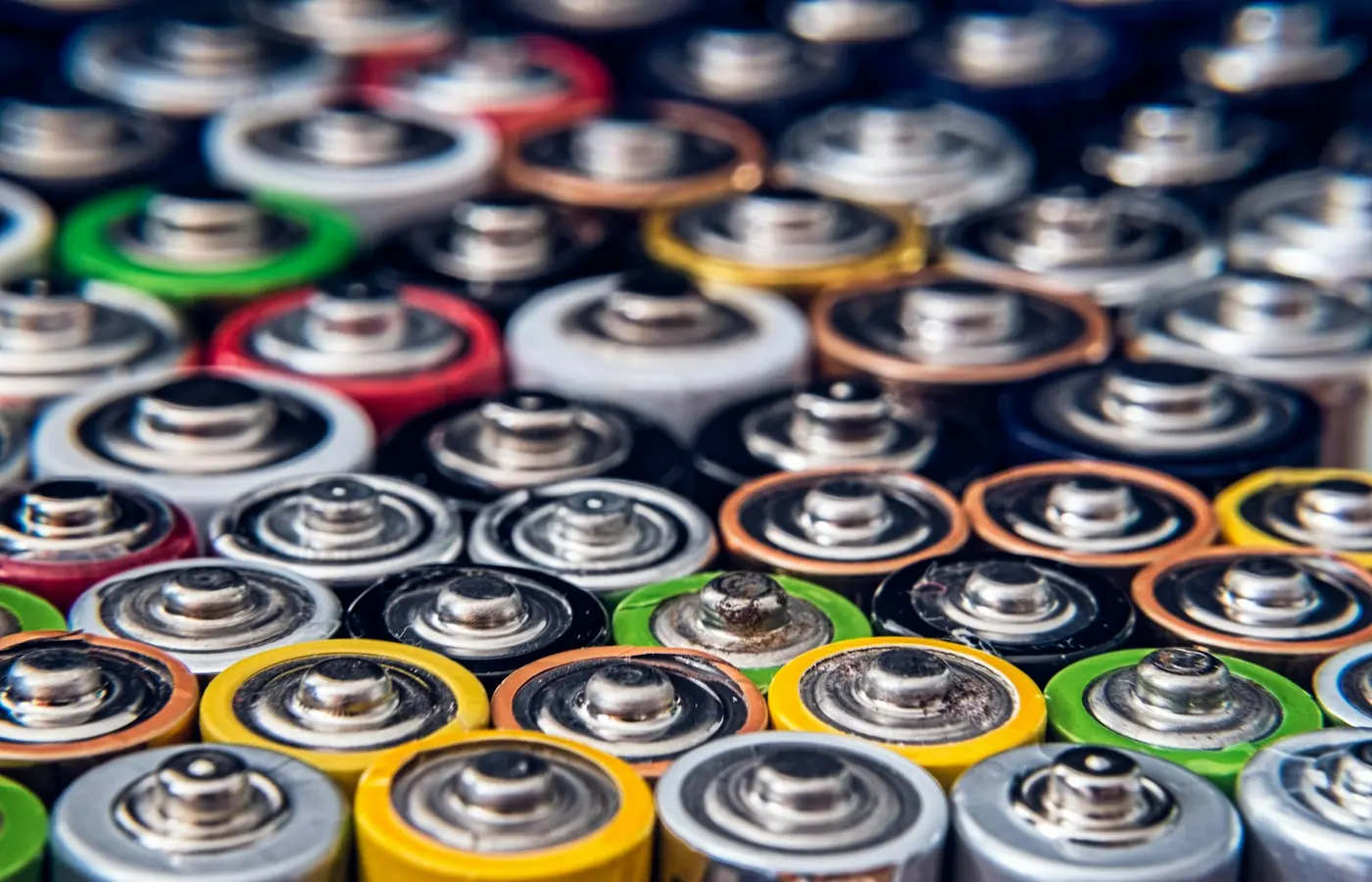
- whether the correct cover is present
- whether its screw or latch closes securely
- whether the surrounding plastic is cracked or distorted
- whether batteries are loose or missing
- whether contacts show residue, rust, or corrosion
- whether tape, glue, cardboard, or a mismatched fastener has been used
Accessible button or coin batteries are a reason to keep the toy out of use. Do not rely on placing the toy on a high shelf between play sessions; the failed enclosure itself needs an authoritative remedy.
If you find battery leakage or corrosion, do not insert new batteries merely to test whether the toy works. The Research Package for this guide does not include model-specific handling, cleaning, or repair instructions for affected electronics.
Check recalls using the exact product identity
For a toy in the United States, search the U.S. Consumer Product Safety Commission recall database. Use the manufacturer, product name, model or item number, and relevant date or batch code. Compare the official notice with the toy’s labels, components, and distinguishing photographs.
A shared color, generic product name, or similar shape is not enough to establish a match. Conversely, do not dismiss a possible recall just because the pictured color differs if the official notice includes your model or date code.
When you find a likely match, read the full notice and confirm:
- Affected products: Check model numbers, manufacturing dates, batches, included components, and other identifiers.
- Hazard: Find out what can fail and under what conditions.
- Remedy: Follow the official direction, which may involve stopping use, contacting the company, returning the item, or another specified action.
- Jurisdiction: A recall or remedy published for one country may not describe the process elsewhere.
Do not donate or resell a recalled toy. Do not improvise a repair unless the official recall notice or exact manufacturer instructions authorize that repair. A recalled toy can look undamaged because the identified problem has not occurred yet.
Recall systems are jurisdiction-specific. The UK Child Safety Team directs UK families to official product safety alerts, reports, and recalls. If you live elsewhere, consult the product-safety authority for your jurisdiction; no additional country-specific database was supplied for this article.
Decide whether cleaning or repair is realistic
Separate dirt from damage before investing time in cleaning. Surface dust on an intact, identifiable toy is a different problem from inaccessible grime inside electronics, escaped filling, corrosion, or a structural crack.
Use cleaning instructions for the exact model whenever they are available. Avoid soaking or applying unverified cleaners to electronics, battery areas, porous filling, painted finishes, labels, or glued assemblies. A method that is appropriate for one material or model may damage another or make identification markings unreadable.
Consider declining the toy when:
- you cannot reach soiled areas that children can contact
- an odor, residue, or stain has an unknown source
- moisture may have entered electronics or a battery compartment
- paint is deteriorating and its history is unknown
- seams are releasing filling or internal pieces
- rust or corrosion affects fasteners, contacts, or structural areas
- a crack or failed joint would require an improvised repair
- safe cleaning would depend on instructions you cannot identify
Seattle Children’s notes that old paint may contain lead. That does not mean every old or painted toy contains lead, but uncertain, deteriorating paint is not something to resolve through guesswork. Product history, exact testing questions, and local requirements would need further authoritative guidance.
Repairs also need limits. Tape, glue, replacement screws, and home stitching can change how a component fails or create new detachable pieces. In particular, do not improvise repairs to magnet housings, battery compartments, or recalled products.
A practical final decision
Before bringing the toy into play, ask:
- Can I identify the exact product well enough to check its instructions and recalls?
- Does its official age grade and warning information fit the child, setting, and supervision available?
- Are all safety-critical covers, fasteners, and components present?
- Are surfaces, seams, joints, cords, wheels, and accessories intact?
- Are magnets enclosed and battery compartments secure?
- Can the toy be cleaned according to reliable instructions?
- Am I relying on an improvised repair or unexplained seller reassurance?
Age guidance is one part of this decision, not the whole decision. Also consider whether the child still mouths objects, pulls apart components, plays near younger siblings, or needs closer supervision with a particular mechanism. Children vary, and a label cannot account for every play setting.
If the answers remain uncertain after a calm inspection, you can skip the toy. The most useful next move is to choose the item whose identity, condition, parts, warnings, and recall status you can actually establish—not simply the least expensive one.
Sources and research note
- U.S. Consumer Product Safety Commission: Recalls & Product Safety Warnings — United States recall database; accessed September 8, 2026.
- UK Child Safety Team: Toy safety — UK guidance on damage, small parts, batteries, magnets, and recall checks; accessed September 8, 2026.
- Seattle Children’s: Toy Safety — pediatric safety guidance on instructions, recurring inspection, small pieces, stuffed-toy parts, batteries, magnets, rust, and damaged toys; accessed September 8, 2026.
This guide is based on official recall information and pediatric or child-safety inspection guidance, not hands-on testing of a particular toy. A visual inspection cannot establish compliance with a safety standard, reveal every hidden defect, or guarantee safety. Confirm age labels, contents, instructions, cleaning directions, recall status, and remedies for the exact product and jurisdiction.