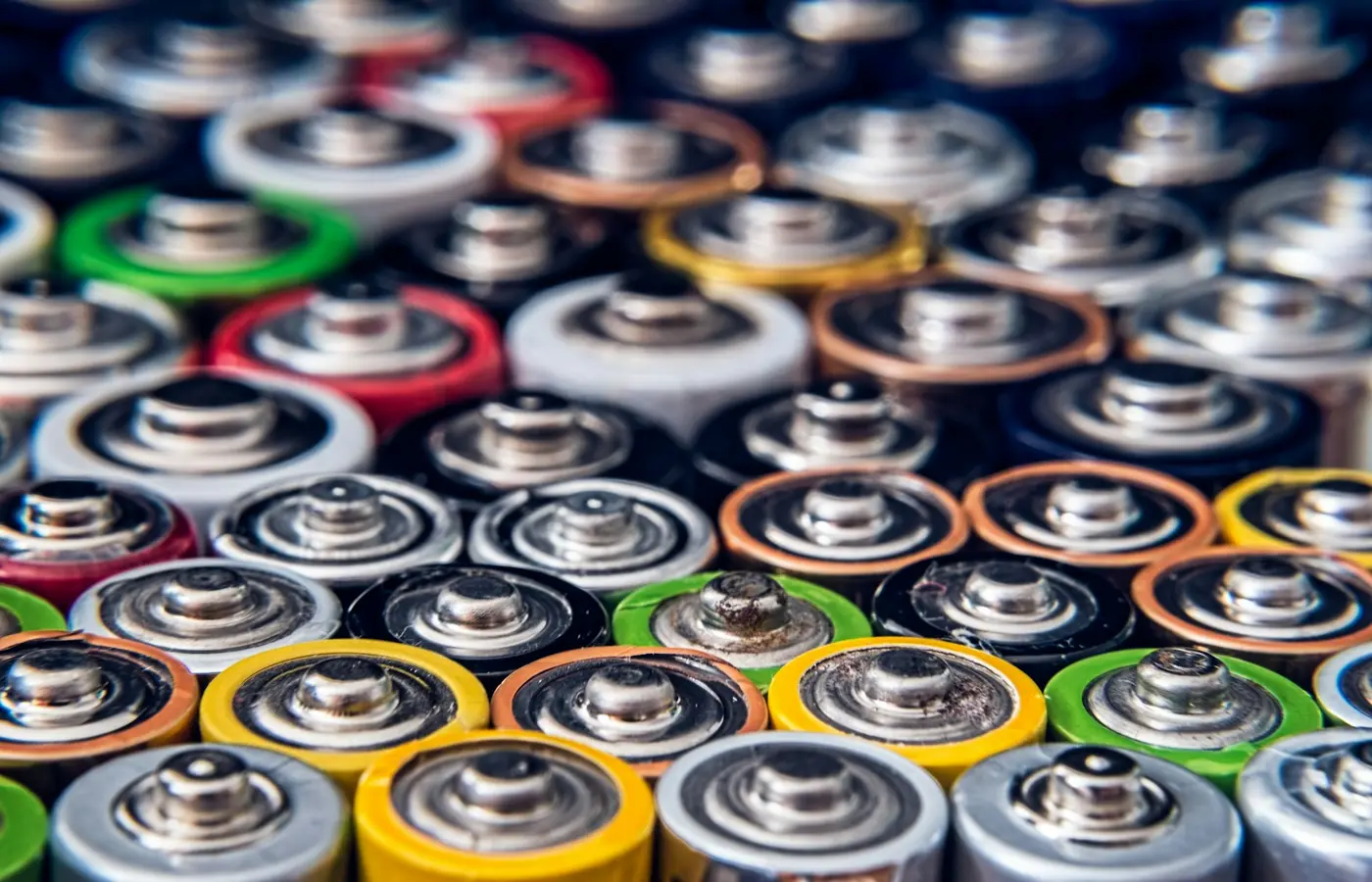

A toy does not need to look badly broken to create a problem. A battery door may have a missing fastener, a magnetic piece may have fallen off during play, or a crack may leave a button battery easier to reach than it was before.
A quick check is especially worthwhile for battery-operated toys, magnetic construction toys, and toys that have been dropped, chewed, pulled apart, or found with a missing piece. Babies and toddlers are at particular risk from small loose magnets and button or coin batteries because they can put small objects in their mouths.
This is not a guide to repairing toys. A home inspection cannot confirm that a toy is compliant or free of hidden damage. It can, however, help you identify an item that should be removed from play while you check its instructions, recall information, or manufacturer support.
Start with the toys most likely to need a check
You do not need to empty every toy bin at once. Begin with a small group of toys where magnets or batteries may be present, then make the check part of your usual reset after play.
Prioritize:
- Battery-operated toys, including toys with lights, sounds, timers, remote controls, or moving parts.
- Toys that use button or coin cell batteries.
- Magnetic building sets, magnetic dress-up toys, magnetic books, and toys with small magnetic pieces.
- Toys that have been dropped, stepped on, chewed, pulled apart, or used roughly.
- Toys with cracked plastic, lifting seams, loose covers, missing parts, or screws you cannot account for.
- Secondhand toys or older toys that arrived without instructions or a clear model name.
Seattle Children’s advises families to check toys often for damage. Its toy-safety guidance also warns that detached magnets can be seriously dangerous if two or more are swallowed, because they can attract to each other inside the body. The Canadian Child Safety Network’s toy-safety guidance similarly advises avoiding small or loose magnets around babies and small children and keeping magnetic toys out of reach of babies and toddlers.
You may not always know that a toy contains a button or coin battery. A U.S. Consumer Product Safety Commission rulemaking notice explains that caregivers may only notice a missing battery after a child has already accessed it. That is one reason it helps to identify battery toys before something goes missing.
A five-minute home inspection for magnets and battery compartments
Choose a time when children are not actively using the toy. Put the toy on a clear table or floor so you can see anything that falls away from it. If you have the instructions, keep them nearby, but do not take apart the toy beyond its intended battery-access method.
The goal is simple: look for signs that a small magnet or battery could be loose, missing, or accessible.
1. Look over the outside before opening anything
Turn the toy slowly in your hands and check its seams, corners, doors, and moving sections. Look for:
- Cracks, splits, holes, or gaps in the housing.
- Seams that are separating or lifting.
- A battery cover that sits unevenly or moves when it should be closed.
- Missing, bent, stripped, or loose fasteners.
- Plastic that looks warped, broken, or chewed.
- Corrosion, leaking material, or residue near a battery compartment.
- A magnet that looks raised, partly detached, or no longer seated in its original place.
Do not rely on a toy still switching on or making sound as evidence that it is safe to use. A toy can function while its battery door or housing is damaged.
2. Check for parts that should not be loose
Gently handle the toy as it is designed to be handled. Listen for unexpected rattling or movement inside. Look around the play area, storage bin, and under nearby furniture for parts that may have come off.
For magnetic toys, compare similar pieces where possible. A magnetic tile, animal figure, train piece, or puzzle component may have a magnet embedded inside rather than visibly attached. If a piece has a hole, an empty recess, or a broken edge where a magnet appears to have been, treat the magnet as missing until you find it.
If the toy came with a known set of small magnetic accessories, count them if that is practical. You do not need perfect inventory systems for every toy. But if you cannot tell whether all magnets are present after a piece breaks, that uncertainty is a reason to stop use and search carefully.
3. Inspect the battery compartment only as intended
If the toy’s existing design and instructions allow a caregiver to open the battery compartment, inspect it during a routine battery check. Do not pry at glued seams, force a cover, or dismantle the toy to investigate.
Check whether:
- The battery door closes fully and remains closed.
- The intended locking feature or fastener is present and working as designed.
- The cover is cracked, warped, or detached from its hinge or housing.
- A button or coin battery can be seen or reached when the compartment should be closed.
- The battery type and number match what the toy’s instructions indicate, if those details are available.
- There are signs of corrosion or battery leakage.
The U.S. Federal Register notice on toy requirements for button cell and coin cell batteries specifically identifies a lost or permanently removed fastener securing a battery-compartment cover as a route by which a child may gain access to a battery.
That does not mean every toy uses the same closure design or that every battery door must be opened with a screwdriver. Requirements can depend on the product, market, date, and applicable standard. What matters at home is whether the compartment is still intact and securely closed according to the toy’s design and instructions.
4. Re-secure the toy after a routine battery change
When you replace batteries, follow the toy’s instructions and check that the intended locking system is fully re-engaged before the toy returns to play. The Toy Association’s battery statement advises adults changing batteries to re-engage the locking system and carefully discard used batteries.
Keep new and used button or coin batteries away from children during the task. Do not leave them on a counter, in an open drawer, or beside the toy while you look for the right replacement.
Warning signs that mean stop using the toy
Some wear can be a cue to watch a toy more closely. Other signs call for a clearer response: remove the toy from children’s reach while you work out what happened.
Stop using the toy if:
- A magnet is loose, detached, or missing.
- A button or coin battery is visible, reachable, or missing.
- The battery cover does not stay securely closed.
- A required cover fastener or locking component is missing, damaged, or no longer works as intended.
- The toy housing is cracked or broken near a battery or embedded magnet.
- You find corrosion or leaking battery material.
- You cannot account for a magnet or battery after a toy breaks or is opened.
- You learn that the exact toy has been recalled.
Place the toy somewhere children cannot access while you check the situation. This can be a high shelf, a locked cabinet, or another secure area away from ordinary toy storage. A damaged toy set aside temporarily in an open garage, on a low counter, or in a “fix later” basket may still be accessible to a child or visitor.
If you can identify the manufacturer, model, and market where the toy was sold, consult the product instructions and the manufacturer’s support information. Check official recall information for the exact toy rather than assuming that a recall for a similar-looking item applies. The Canadian Child Safety Network advises caregivers to check whether a toy has been recalled or remove it from use.
What not to do: avoid DIY fixes and loose-part workarounds
A loose battery door or missing magnet can feel like a small household repair. It is better not to treat it that way.
Avoid returning a toy to play with:
- Tape holding a battery compartment shut.
- Glue over a crack, loose magnet, or battery cover.
- An improvised screw, clip, rubber band, or other substitute closure.
- A battery door held in place only because the toy is stored in a particular position.
- A loose magnet removed from the toy but left in a household drawer or repair pile.
These workarounds do not establish that the toy is safe to return to play. They may fail, be removed, or leave hidden damage unresolved. They can also make it harder to tell later whether the toy’s original locking system is intact.
If the instructions provide a manufacturer-approved path for a replacement part or service, use that documentation to decide what to do. If the compartment or magnet retention remains uncertain, removing the toy from use is a reasonable choice. You do not need to prove that an item is dangerous before deciding it is no longer worth the uncertainty.
If a magnet or button battery may be missing or swallowed
Treat a suspected swallowed button battery or magnet as urgent. Do not wait for symptoms, and do not assume a child did not swallow an item simply because you did not see it happen.
For a suspected button or coin battery ingestion in the United States, Seattle Children’s advises calling the 24-hour National Battery Ingestion Hotline at 800-498-8666 right away or going to an emergency department immediately. Its toy-safety guidance also explains that if two or more magnets are swallowed, they can attract inside the body and cause serious injury or death.
Emergency guidance varies by country. The Canadian Child Safety Network toy-safety page gives UK-oriented advice to call 999 or go to A&E immediately if a child swallows a battery.
If you are elsewhere, contact your local emergency service or emergency department immediately for suspected ingestion. Bring the toy, packaging, or an identical battery only if doing so does not delay urgent care. This article cannot assess whether an ingestion occurred or offer home treatment.
Make the check easy to repeat
A short routine is more useful than an occasional all-day inspection. Consider checking magnetic and battery-powered toys after:
- A hard drop or a toy being stepped on.
- Rough use, chewing, or pulling apart.
- A battery change.
- A missing piece turning up in a strange place.
- A child saying a toy “broke” or no longer works.
- Bringing home a secondhand toy or accepting one from a relative.
Keep instructions, packaging labels, or a photo of the model information when you can. Those details make it easier to check the right recall notice or find the appropriate instructions later.
It also helps to keep spare and used button batteries inaccessible to children and to dispose of used batteries carefully. If a toy cannot be confidently checked because its battery door is damaged, its magnet is missing, or its history is unclear, the simplest next move is to remove it from play rather than trying to make it work for one more day.
Sources and research note
This guide is based on current guidance and rulemaking materials supplied for this article. Product instructions, warnings, age grades, and recall status should always be checked for the exact toy and market where it was sold.
- Canadian Child Safety Network: Toy safety — guidance on loose magnets, accessible batteries, supervision, recalls, and its UK-oriented 999/A&E emergency direction.
- U.S. Federal Register: Safety Standard for Toys: Requirements for Toys Containing Button Cell or Coin Cell Batteries — U.S. rulemaking context on battery-compartment access and lost or removed fasteners.
- Seattle Children’s: Toy safety — guidance on checking toys for damage, magnet hazards, and U.S. battery-ingestion emergency action.
- The Toy Association: Statement on button and coin cell batteries — industry guidance to re-engage battery locking systems and keep new and used batteries inaccessible to children.