Learn · Play Ideas
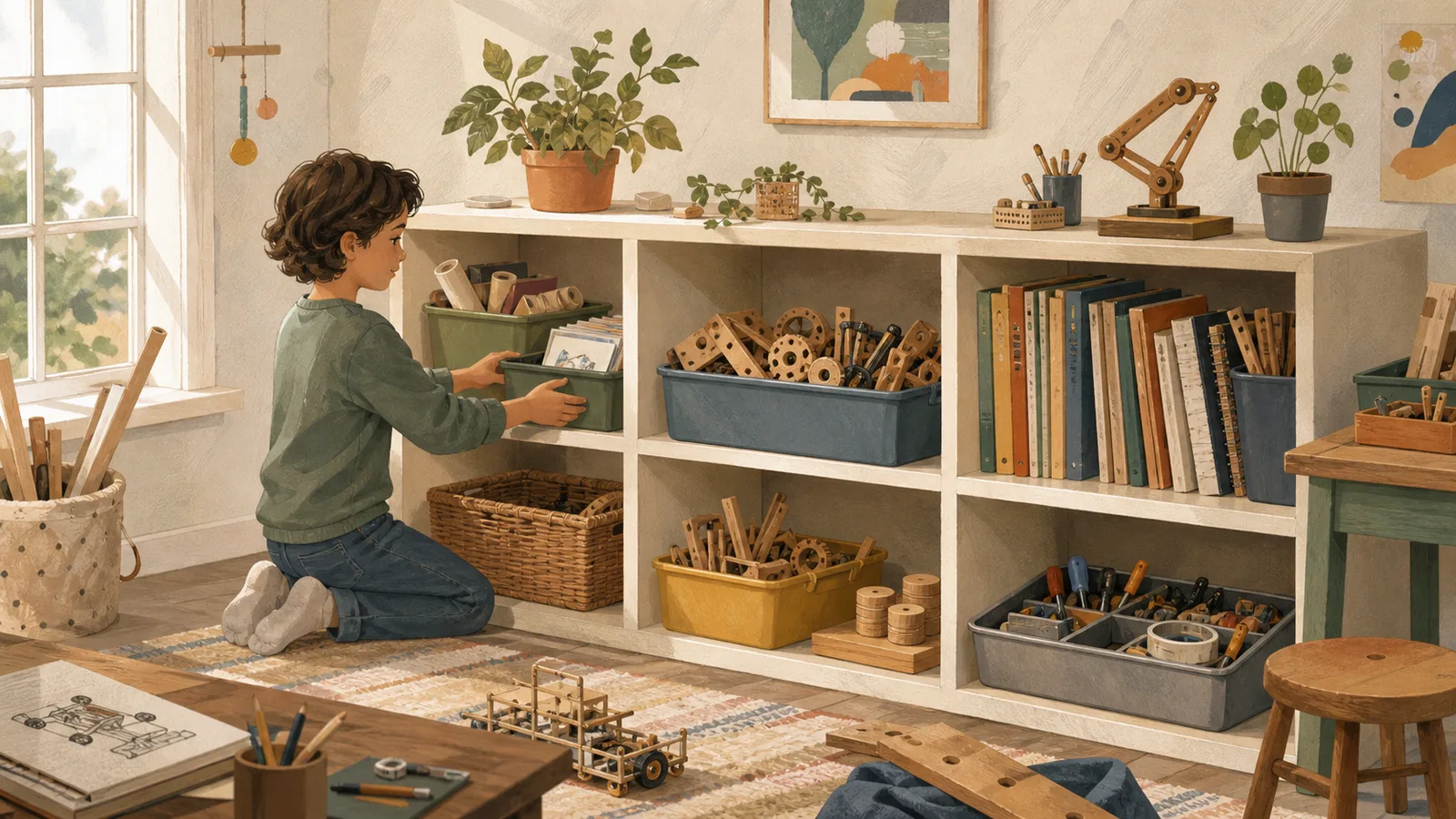
What to Do When an Older Child Says Every Toy Is Boring
Diagnose “toy boredom” by changing play form, social context, challenge, choice load, energy, or access before buying more—and know when broader concerns matter.
By Topic
Low-prep, high-interest ways to make everyday play more meaningful.
Good play ideas do not need elaborate supplies or a perfect setup. They create an inviting starting point and leave the important decisions to the child. Explore indoor, outdoor, sensory, creative, musical, and imaginative invitations designed for real family life.
Start here
Diagnose “toy boredom” by changing play form, social context, challenge, choice load, energy, or access before buying more—and know when broader concerns matter.
Try something today
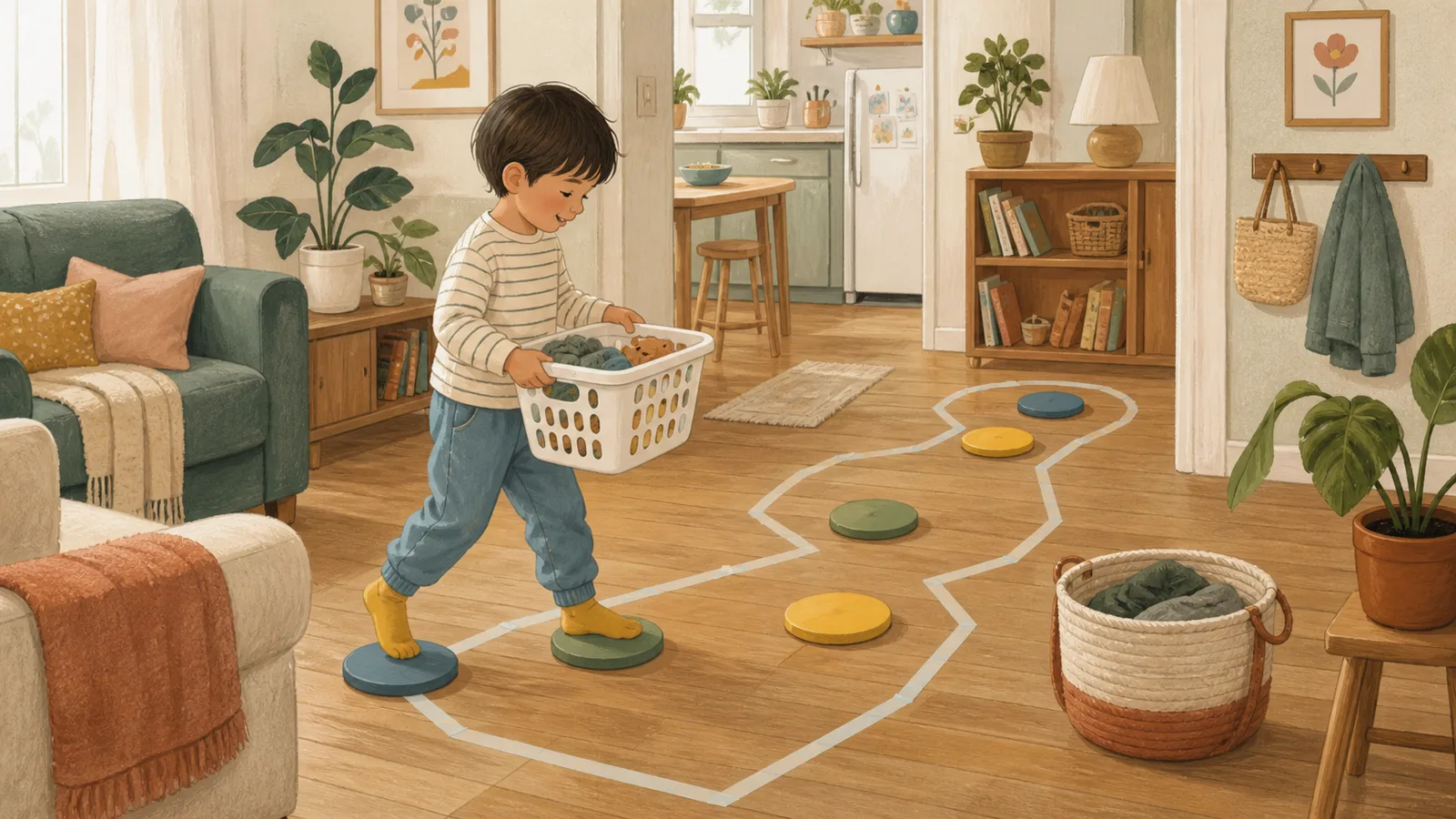
Create apartment-friendly preschool movement games using one clear lane, carries, balance, stop-start cues, and low-impact adaptations for floors and neighbors.
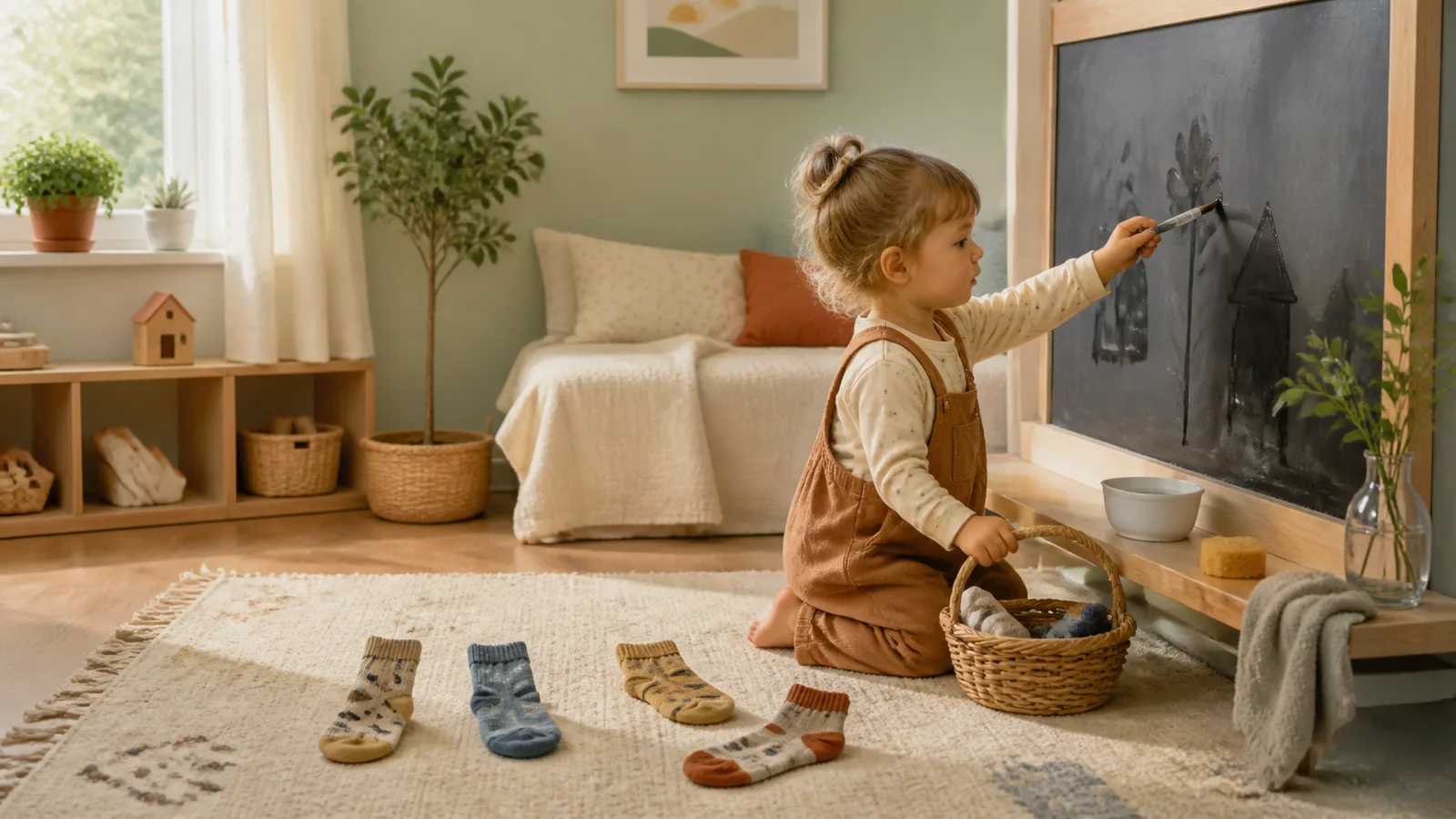
Find low-prep toddler play rated by setup, spread, sound, supervision, and reset—with contained household activities and no fake zero-cleanup promise.
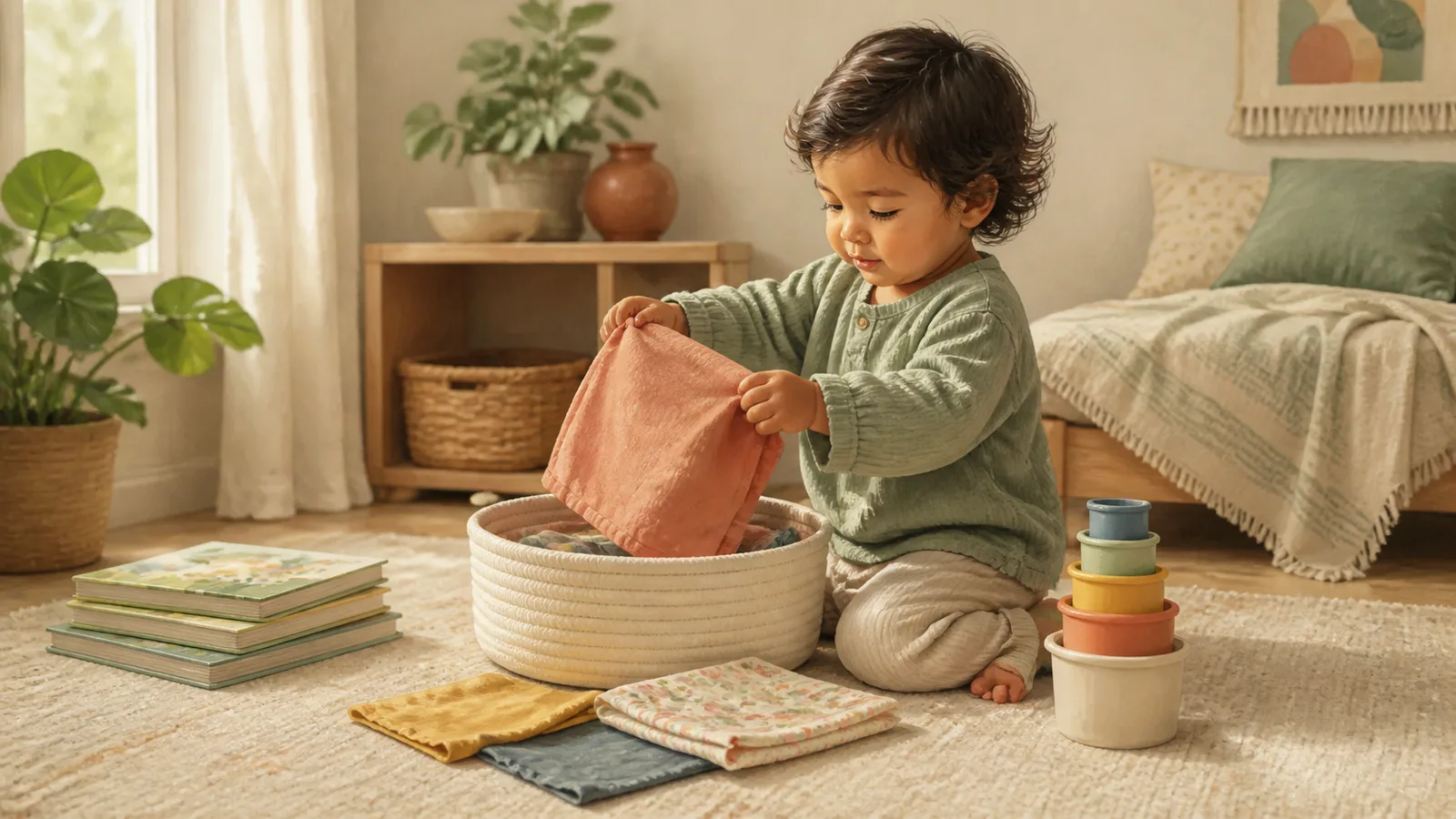
Try low-noise play for a one-year-old using books, large posting objects, cloth, nesting, matching, and helper routines—with realistic supervision and reset needs.
Growing through play

Build an after-school transition around food, movement, quiet, connection, or making—without diagnosing ordinary behavior or forcing immediate conversation.

Understand risky play without romanticizing danger: distinguish visible challenge from hidden hazard, tune consequences, and know when adults should intervene.

Decide between private lessons, group music, and more informal exploration by checking interest, communication, physical fit, repetition, logistics, and teacher fit.
Keep exploring
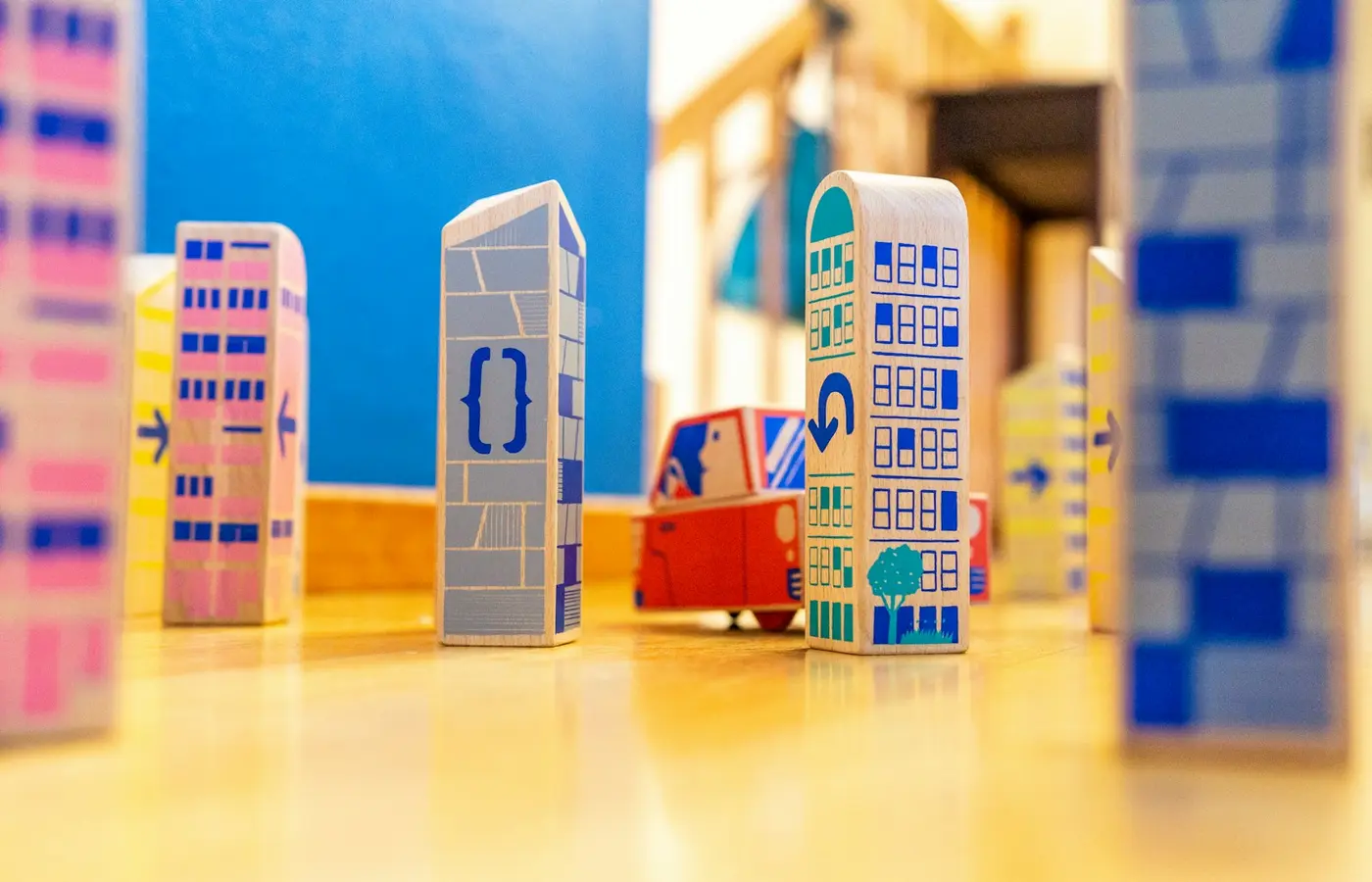
Choose flexible imaginative play props for ages 5–7 that leave room for changing roles, shared stories, and real-life limits.
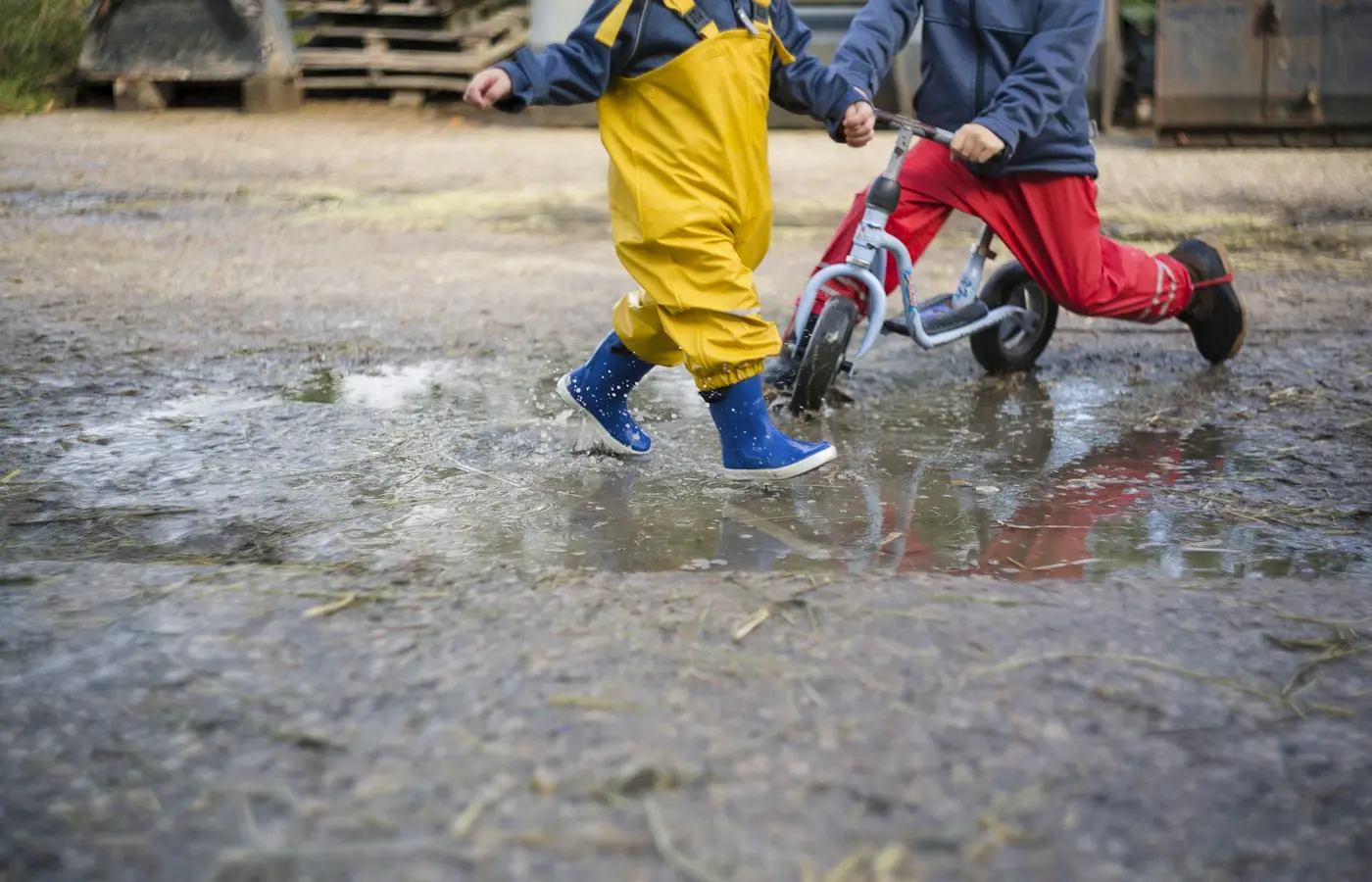
A practical guide to adapting outdoor play for rain, wind, heat, cold, muddy ground, changing supervision needs, and easier cleanup.
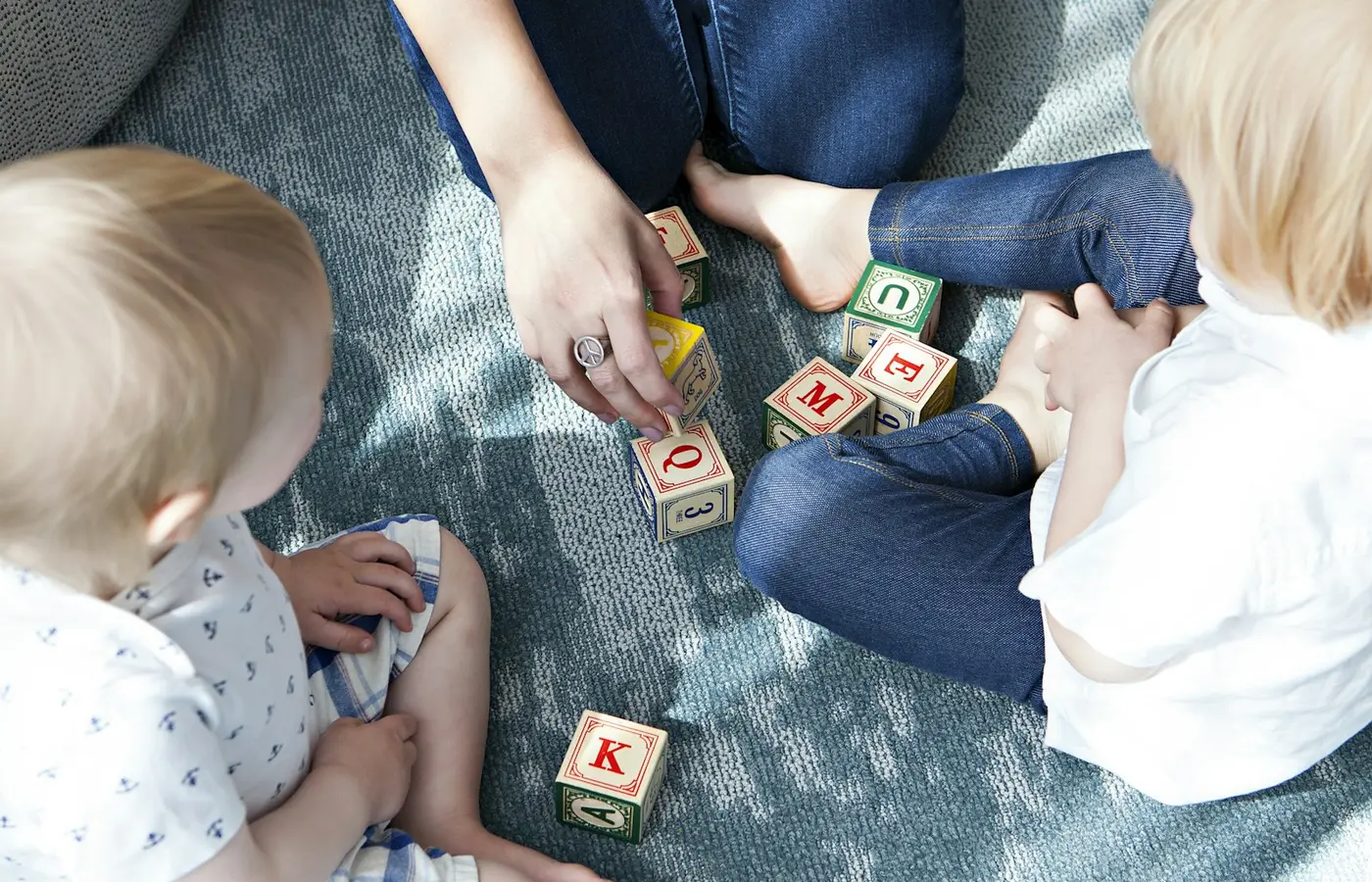
Wooden toys can work well for toddler groups, but design, duplicate pieces, age fit, supervision, cleanup, and storage matter more than material alone.

Choose a basket, bag, cart, wagon, or delivery-play setup that fits your child’s usual cargo, route, age, and your home’s practical limits.

Choose young children’s art supplies by current interests, mouthing risk, supervision, workspace, mess tolerance, storage, and cleanup.
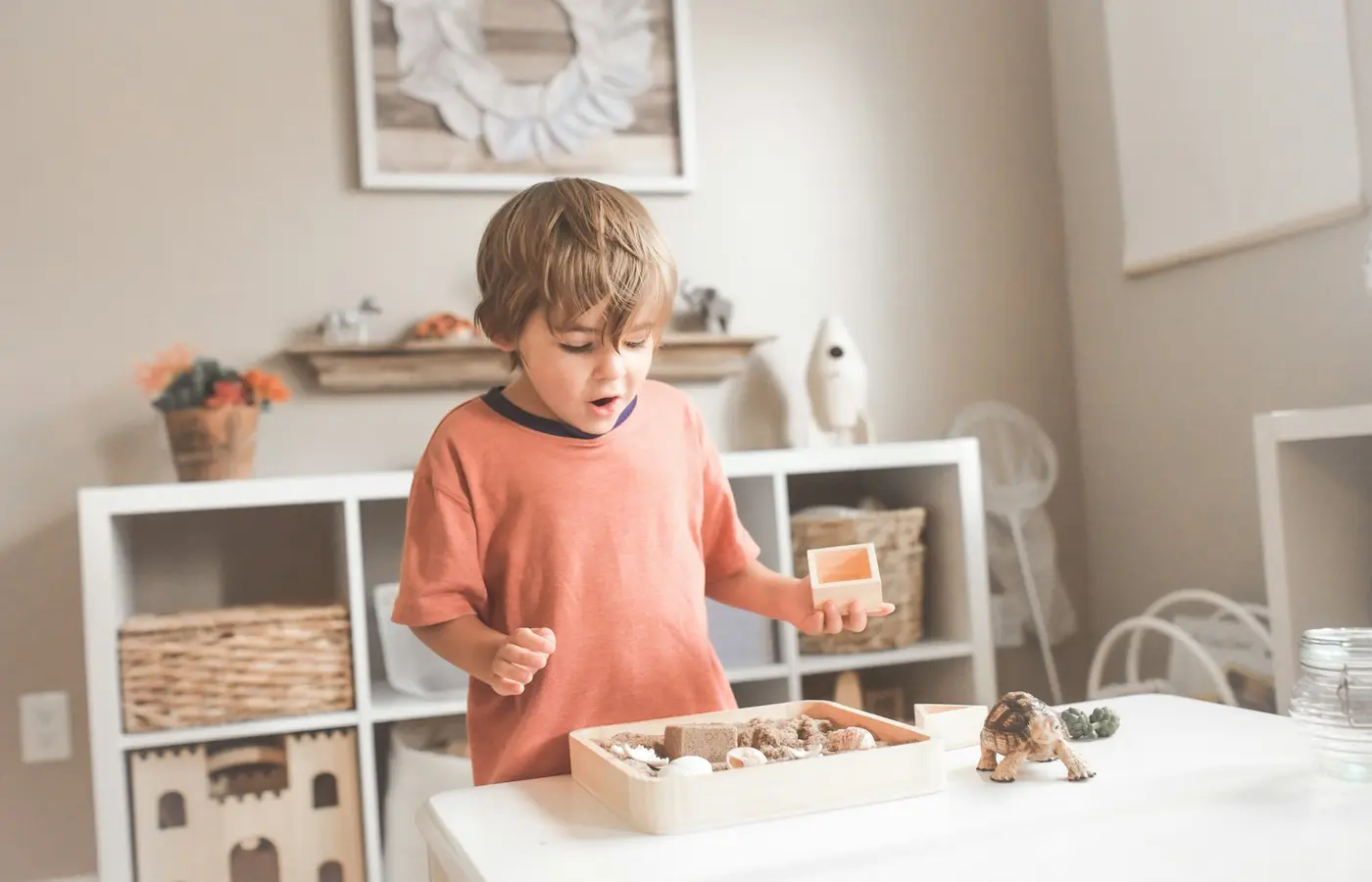
Choose toy storage that limits overwhelming piles, keeps useful materials visible, and makes access and cleanup manageable for your family.
The complete collection
56 research-informed guides and play ideas
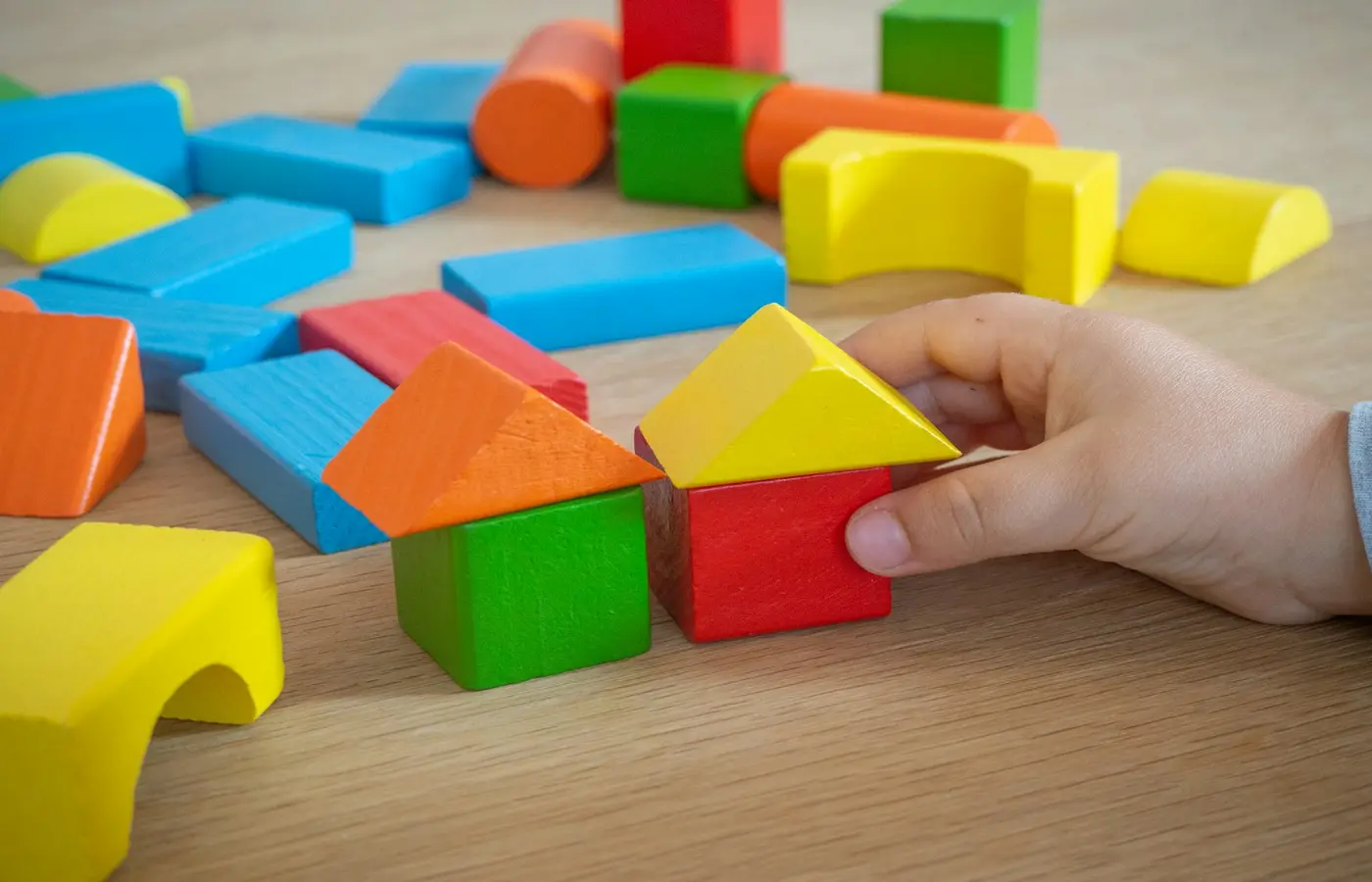
Choose containers, blocks, fabric, figures, and loose parts for hiding play while considering age grades, small parts, space, supervision, and cleanup.
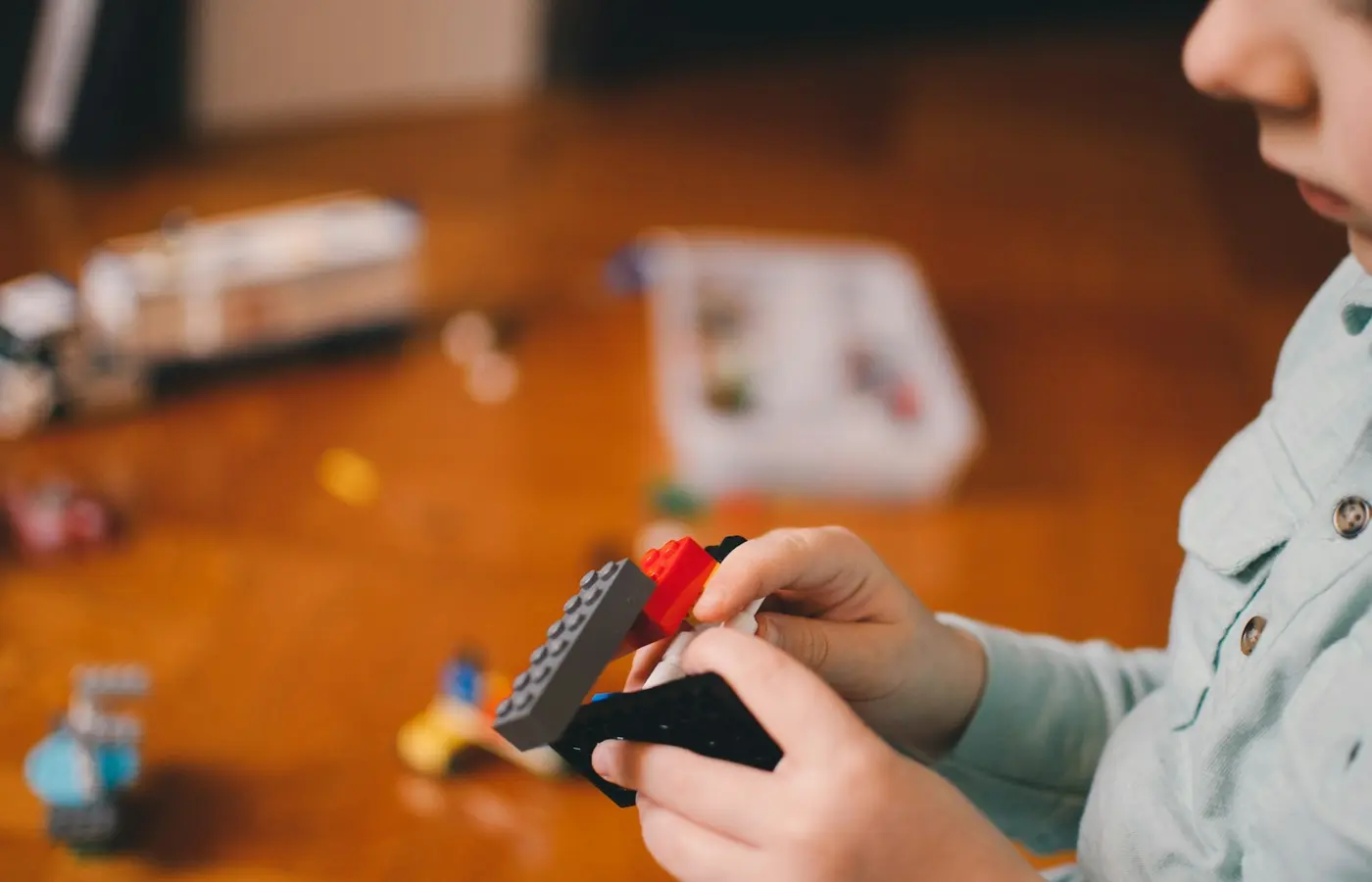
A practical guide to checking offline play, privacy, subscriptions, device support, charging, and repeat value before choosing a connected toy.
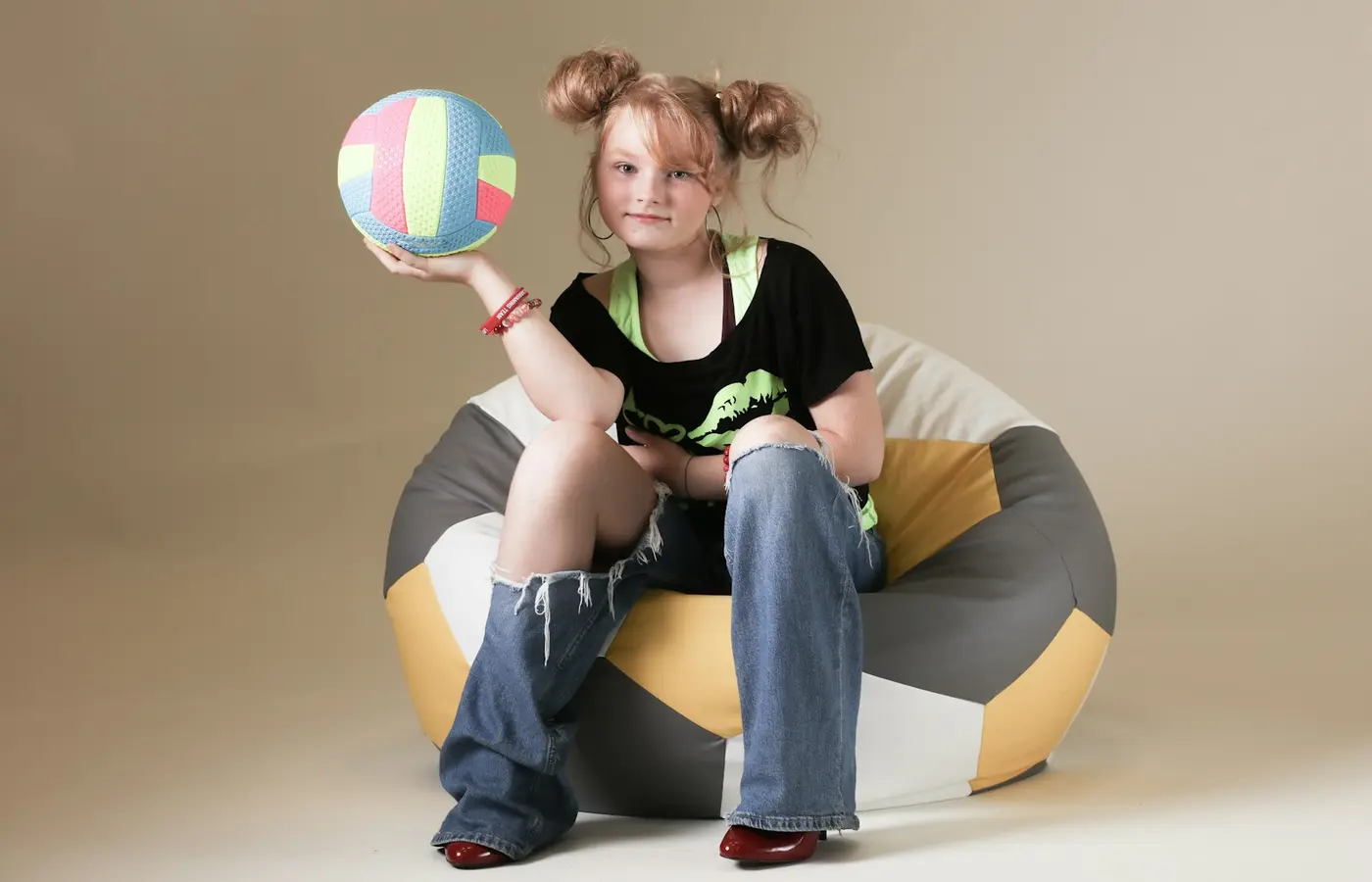
Choose age-appropriate throwing toys by comparing softness, weight, space, bystanders, retrieval, supervision, noise, and storage.

Choose quieter toys by considering floor impact, repeated sounds, controls, storage, supervision, and how play fits your home.
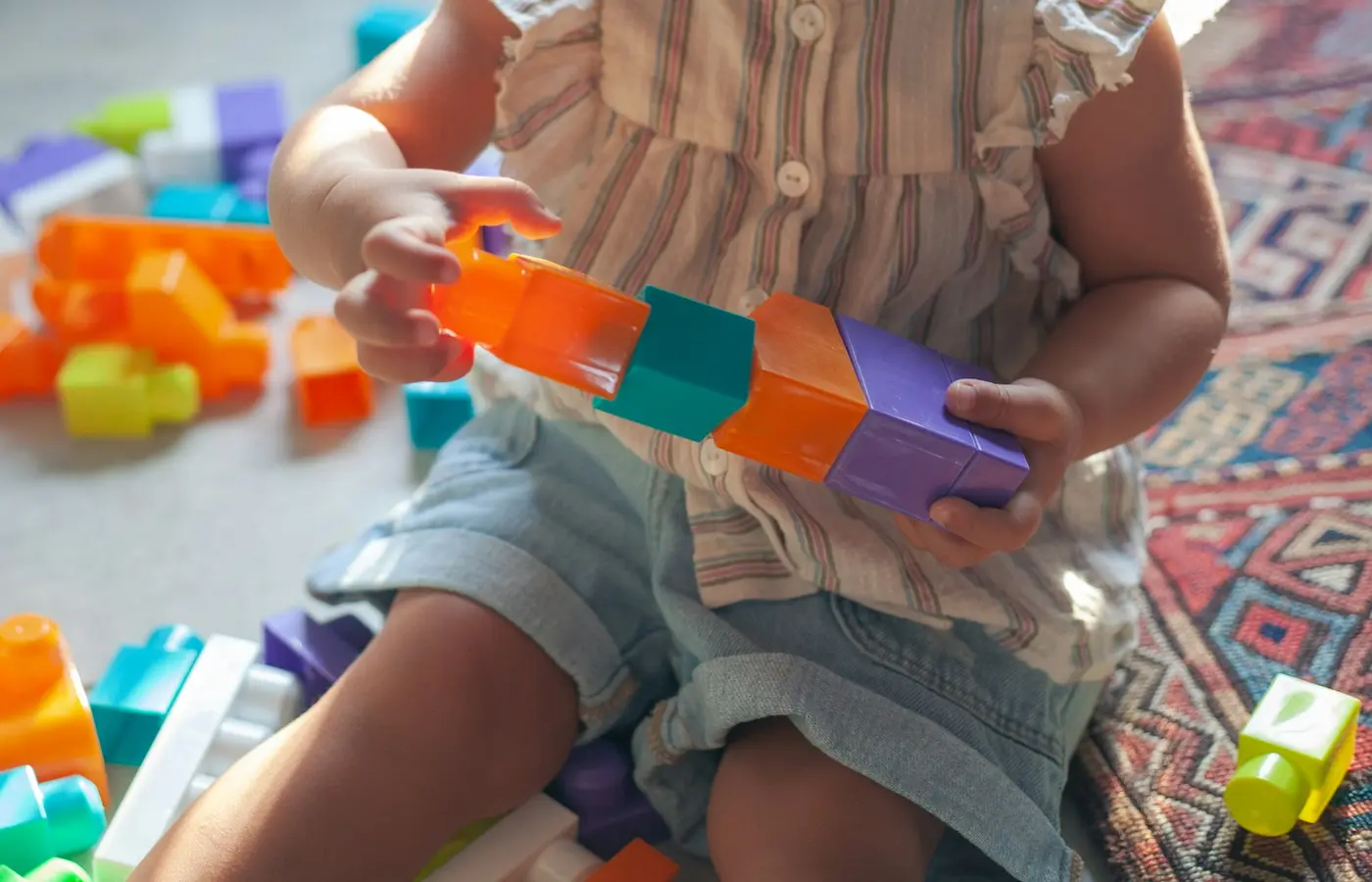
Choose manageable, age-appropriate toys for lining up, sorting, and arranging, with practical guidance on safety, storage, and extending play.

Choose a small, practical art setup around your child’s actions, supervision needs, mess tolerance, drying space, cleanup, and storage.
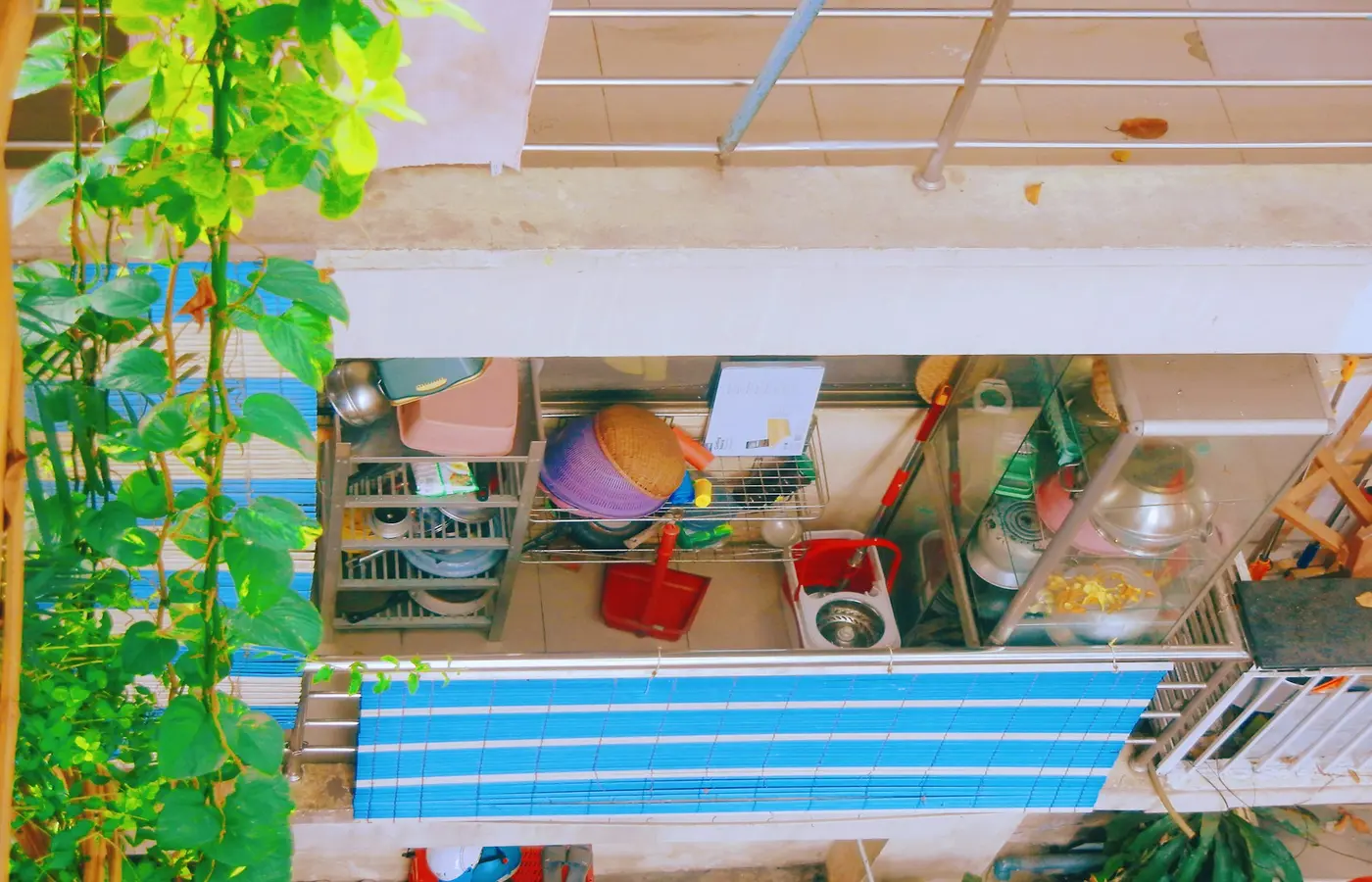
Plan accessible toy storage around your child’s reach, each toy’s shape, shared-room safety, visual clutter, and a realistic cleanup routine.
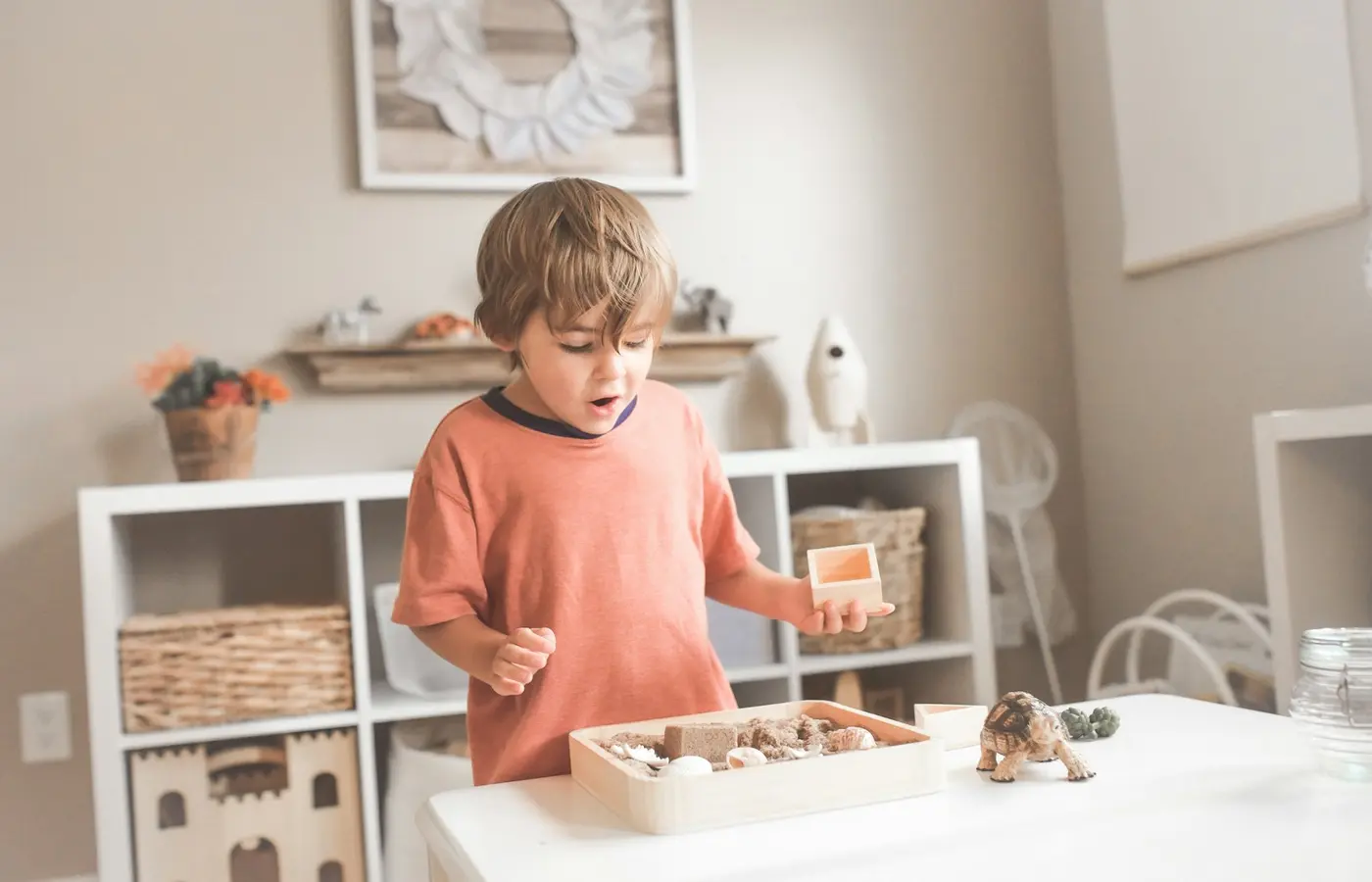
Choose a manageable setup for carrying, filling, loading, and dumping while accounting for age, small pieces, weight, noise, storage, and cleanup.
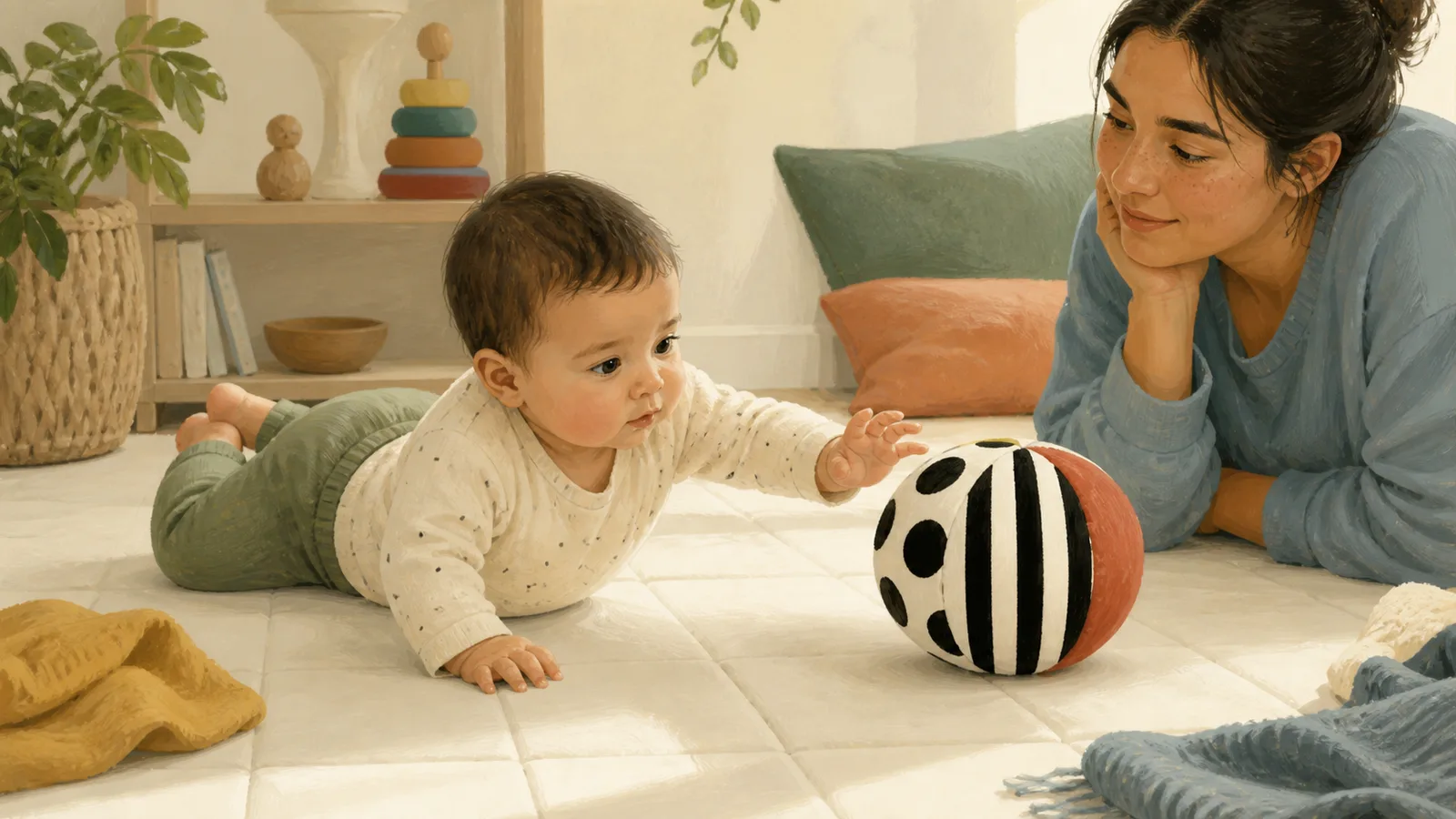
Use a clear, firm floor for awake supervised baby play with back, side, tummy, reaching, rolling, and pivoting ideas—without turning milestones into a race.
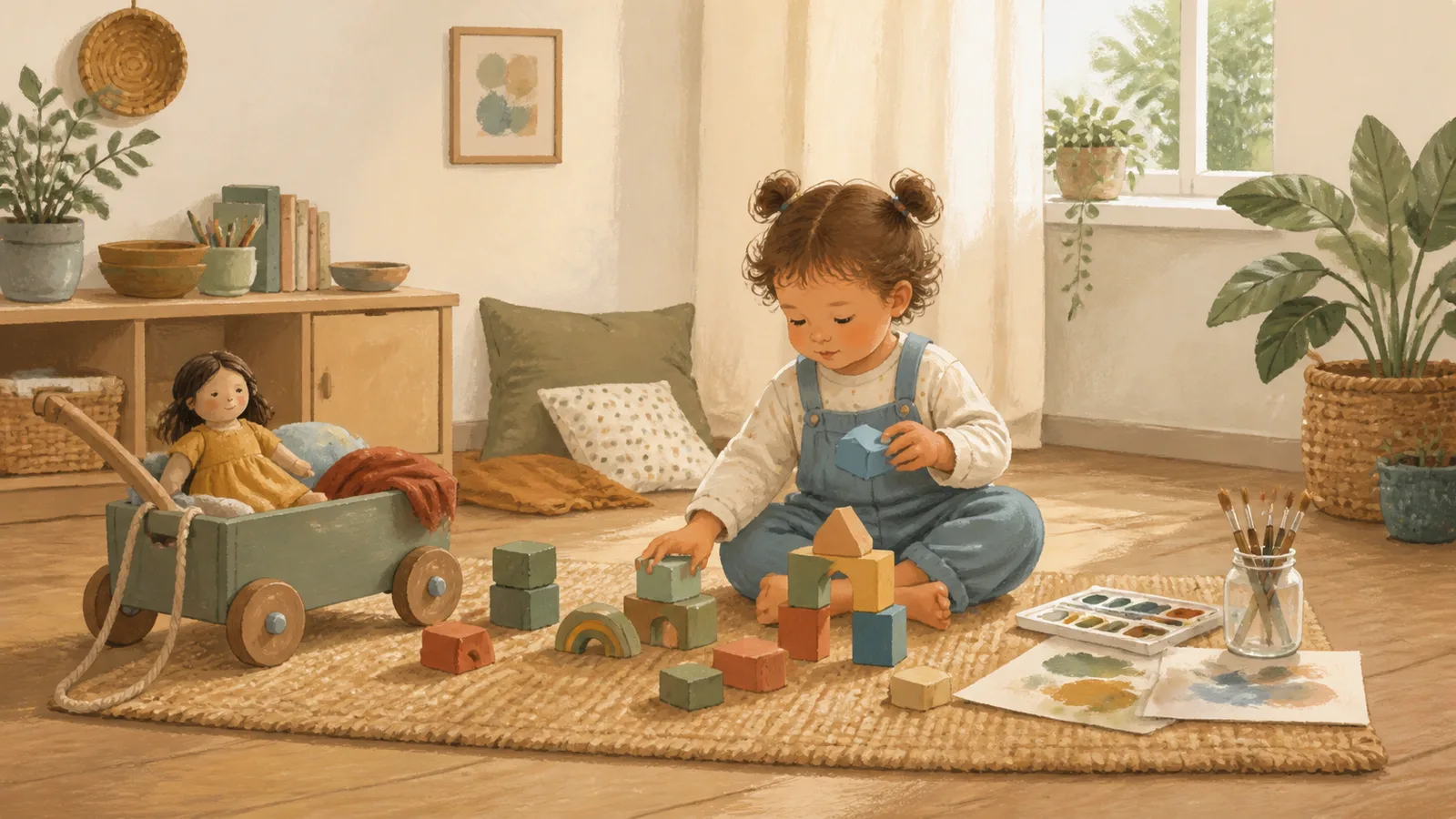
Choose gifts for a two-year-old by repeated play actions, challenge, space, sound, storage, adult help, and safety—with useful categories instead of a shopping dump.
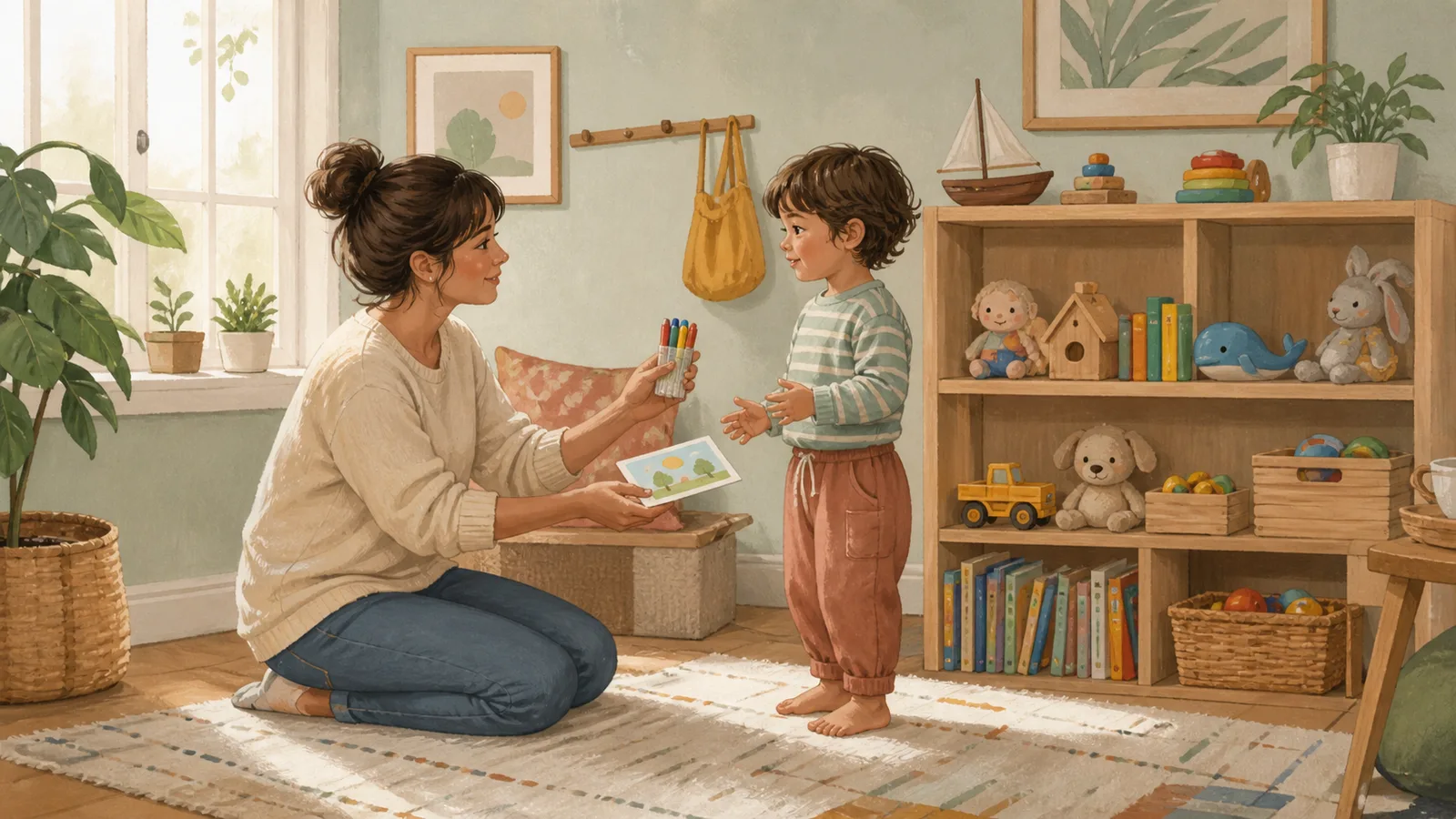
Choose low-clutter preschool gifts that actually fit: consumables, experiences, upgrades, contribution, and time, with checks for expiry, access, fees, and adult capacity.
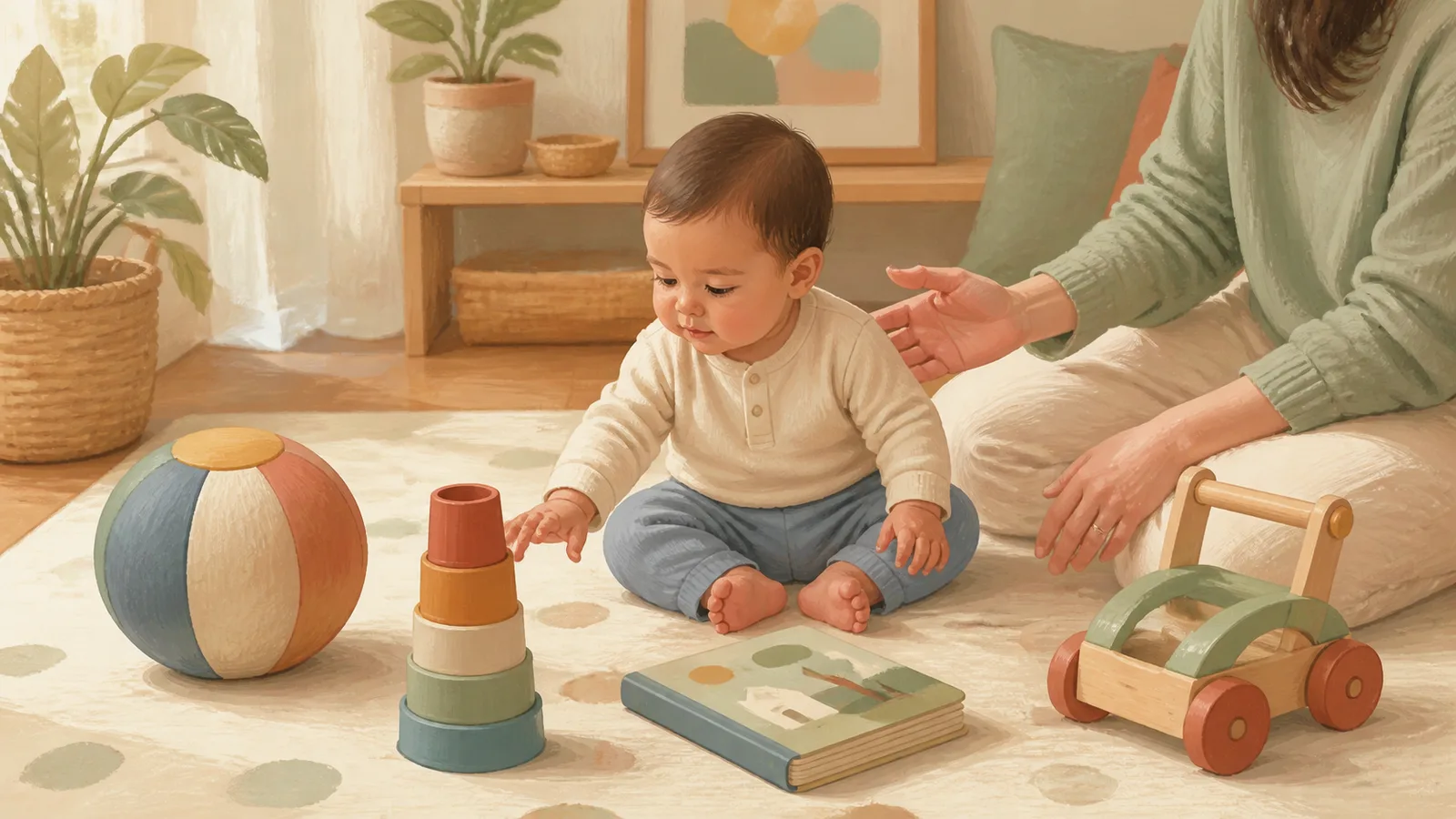
Choose a first-birthday gift by the child's current movement, exploration, household space, supervision, and safety—not milestone marketing.

Choose a new-big-sibling gift that respects the older child's interests, creates realistic connection, and does not demand caregiving play or cheerful feelings.

Decide when a child can play outside or travel a familiar route with less supervision using route, judgment, communication, law, rehearsal, and conditions.

Run a preschool nature hunt with observation prompts, movement, sound, accessibility adaptations, and leave-what-you-find boundaries.
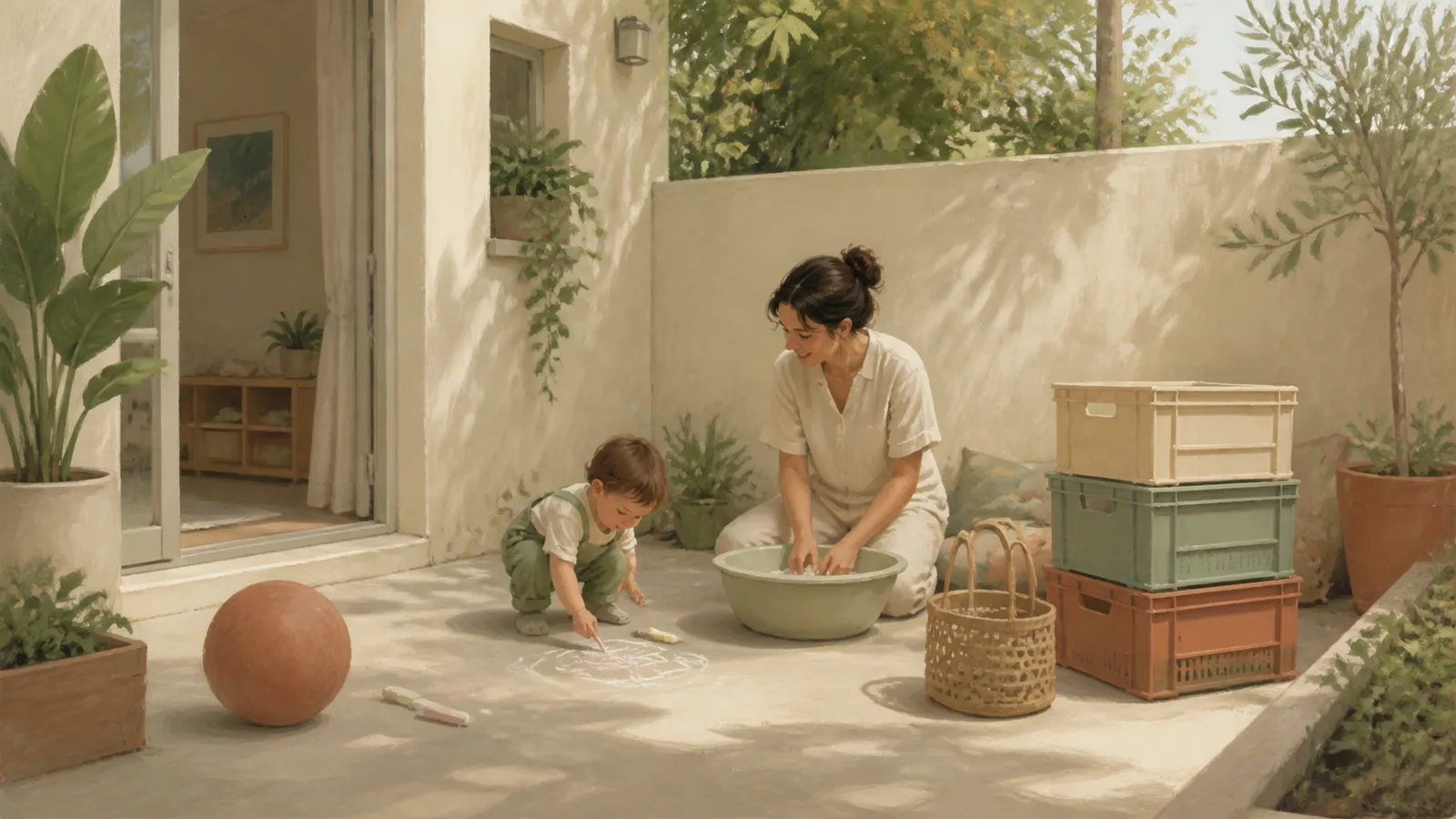
Choose outdoor toys for a balcony, patio, courtyard, or shared space by checking the full play zone, rails, drainage, noise, storage, and supervision.

Plan outdoor floor time for babies with a five-point site check, position-specific ideas, sun and heat limits, ground inspection, and realistic stopping cues.
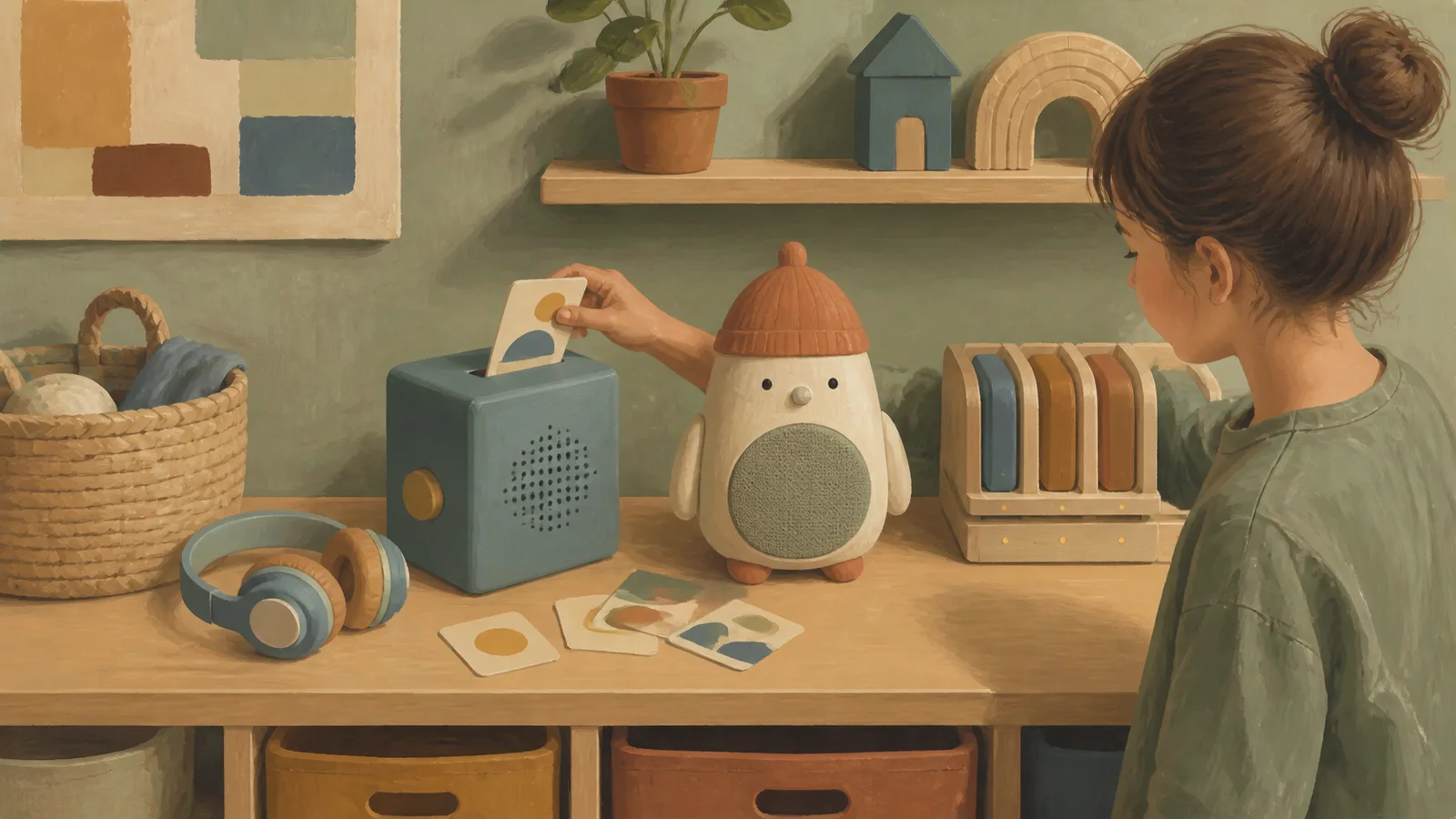
Compare card, figurine, library, Bluetooth, and DIY audio systems by age longevity, offline use, accounts, content cost, storage, charging, recall history, and hearing safety.
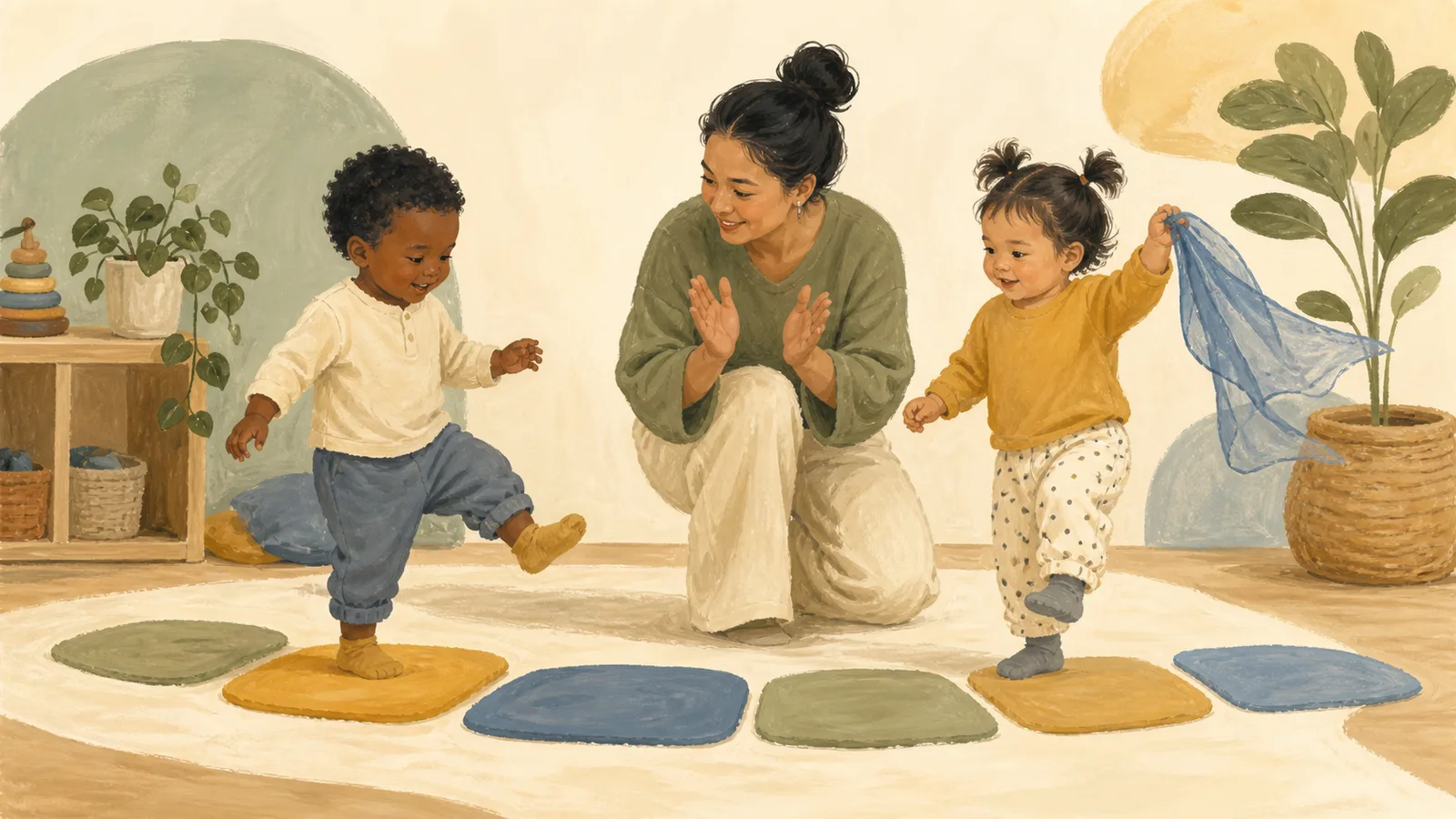
Try six short rhythm-and-movement games for ages 2–3 with seated, small-space, mixed-age, and sound-sensitive adaptations.

Use live singing, gentle rhythm, movement, and responsive pauses with babies from birth to 12 months—without special musical talent or equipment.

Compare drums, enclosed shakers, bells, tapping tools, and simple pitched instruments by motor demand, volume, construction, storage, and longevity.

Try safer household investigations with ramps, paper, ice, shadows, floating objects, and sound—each built around one variable and observable evidence.
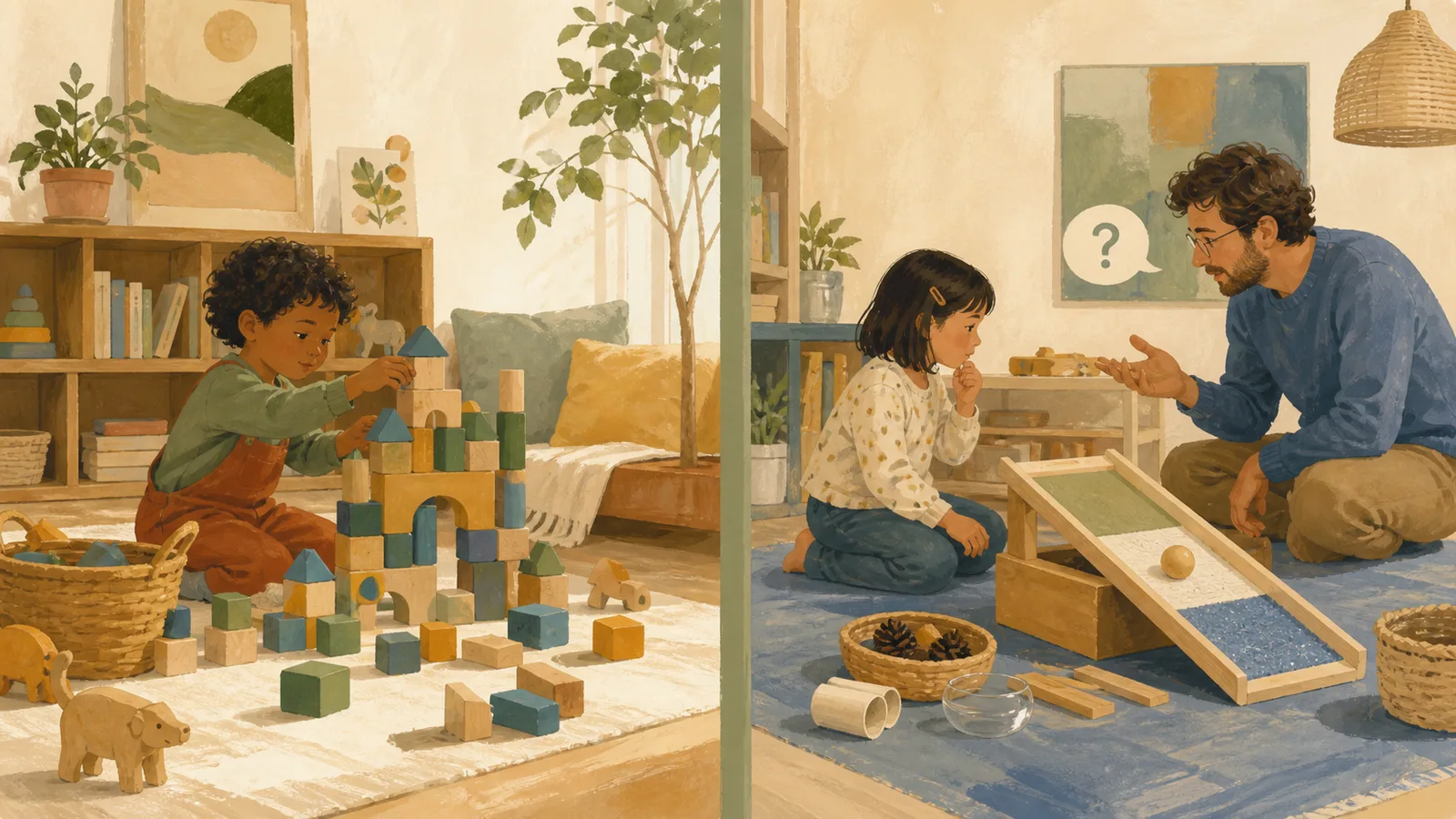
Compare child-led free play, guided play, and direct instruction with practical examples, decision points, and an honest reading of the evidence.
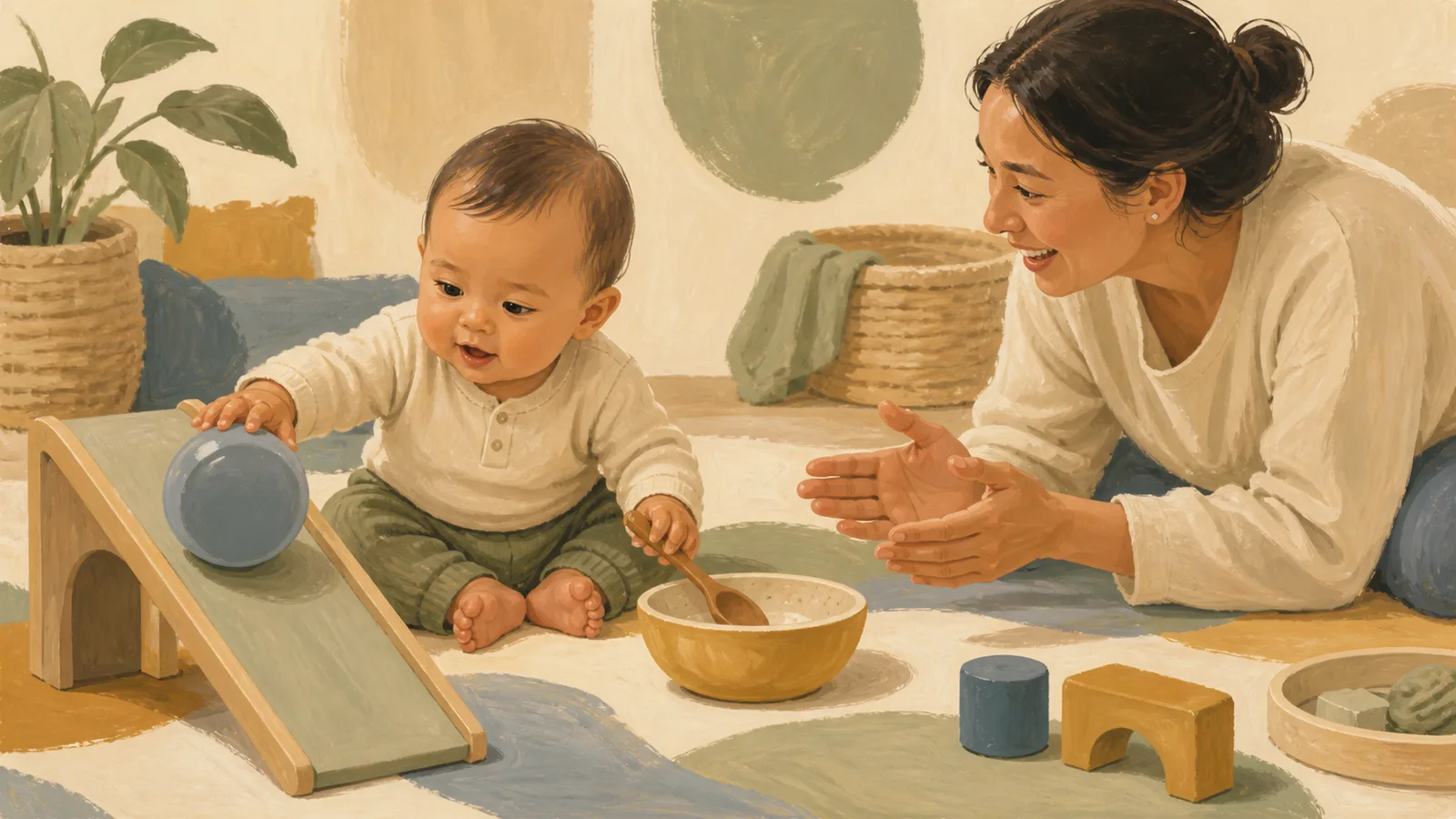
See how babies discover action and response through people, movement, sound, dropping, rolling, and simple toys—without needing a bank of flashing buttons.
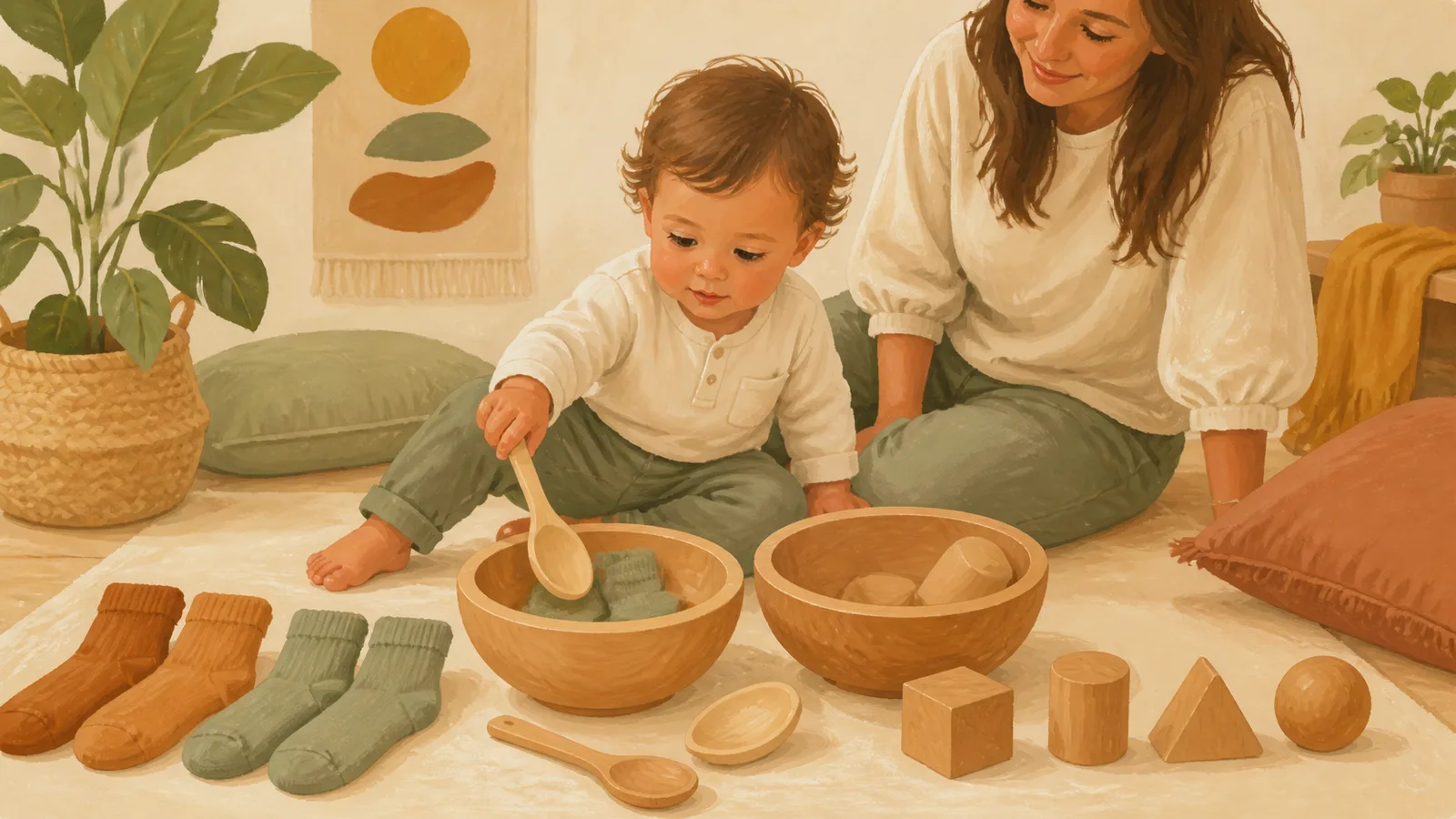
Make matching and sorting manageable from 12–24 months by separating visual, language, memory, and motor demands—and starting with obvious real objects.

Offer age-respectful missions, roles, resources, and worlds for children 8+—including solo, quiet, mixed-age, and low-prop options.

Set up a flexible toy clinic with animal patients, several meaningful roles, honest medical language, and clear boundaries around real supplies.
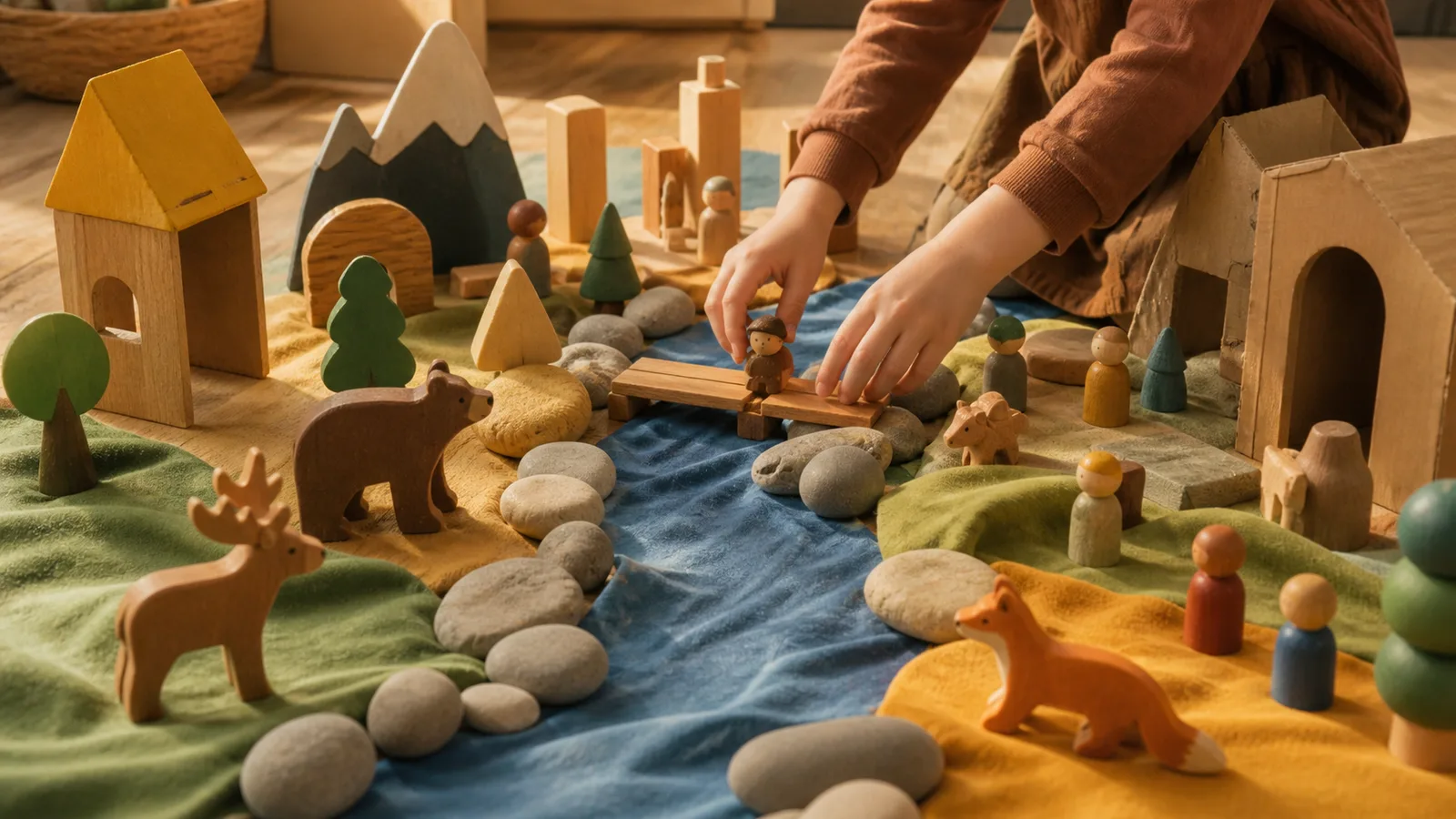
Build small worlds from a manageable cast, flexible terrain, and one story problem—with practical guidance on scale, storage, fillers, and safety.
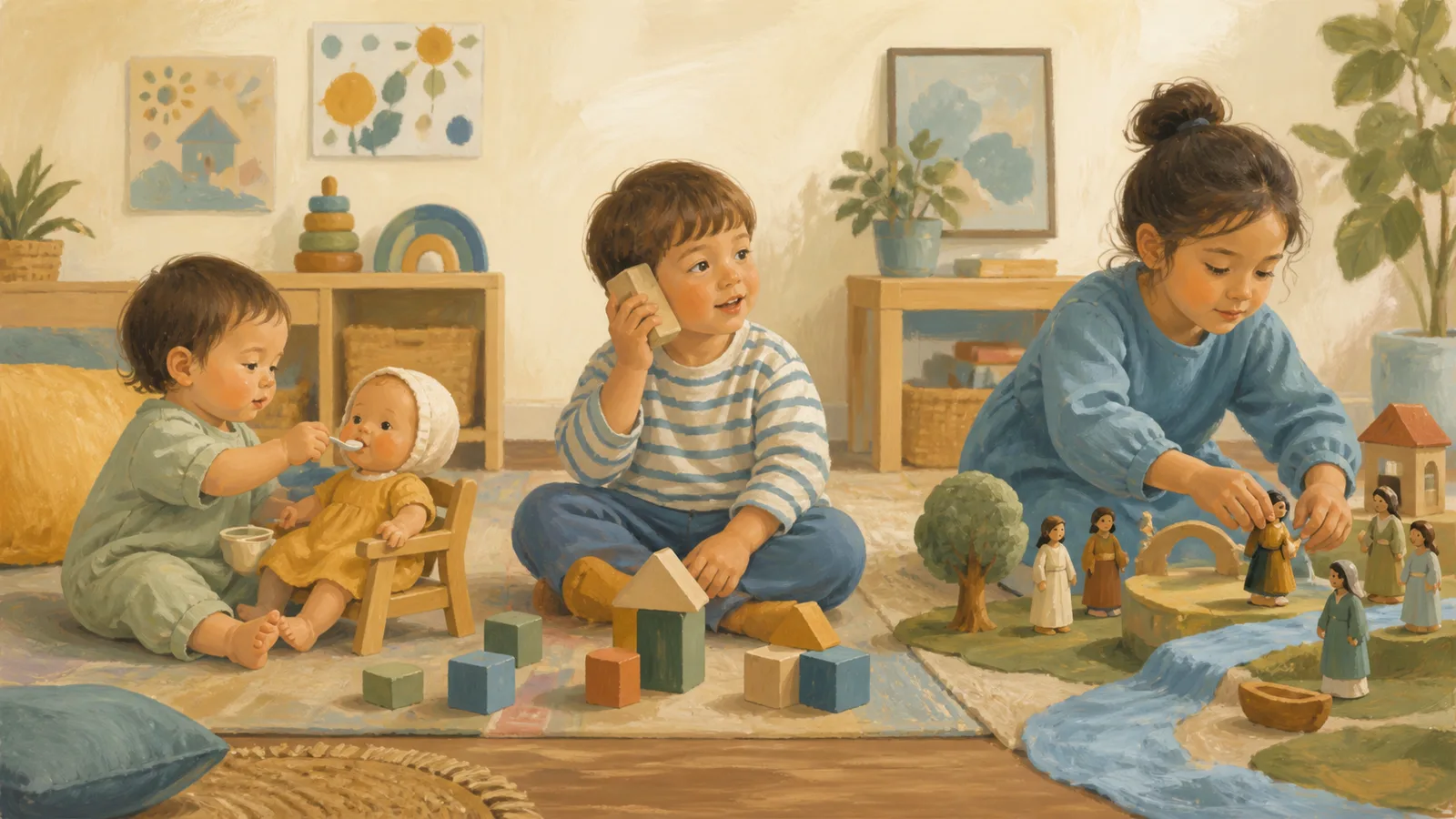
Recognize how pretend play changes through actions, object substitution, sequences, roles, planning, and shared stories—without a rigid age checklist.
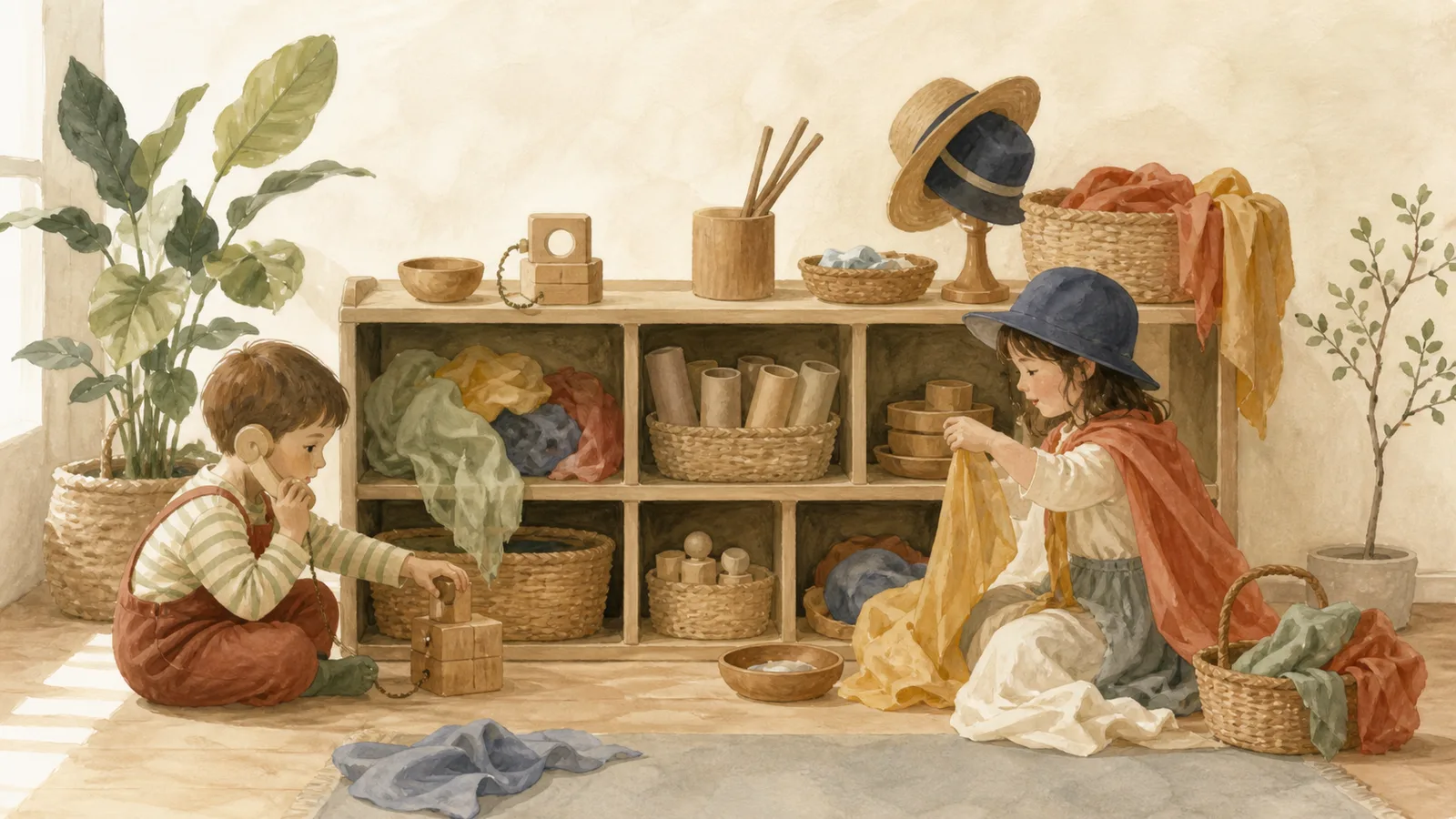
Build a compact, safer pretend-play collection with fabrics, containers, role markers, and simple objects that can change jobs as stories change.
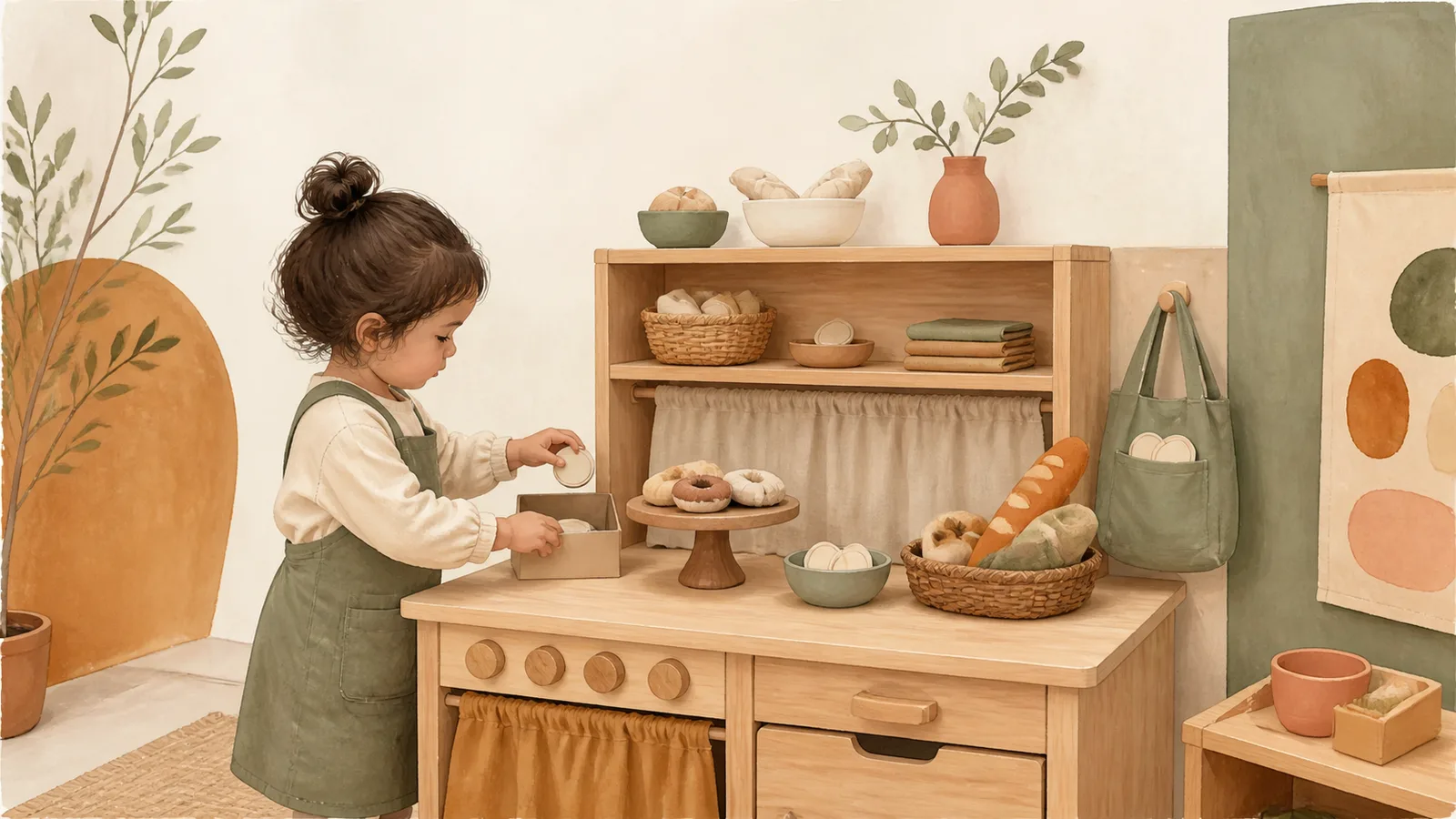
Refresh a play kitchen with low-prep jobs, small problems, and adaptable stories—without buying another bin of pretend food.
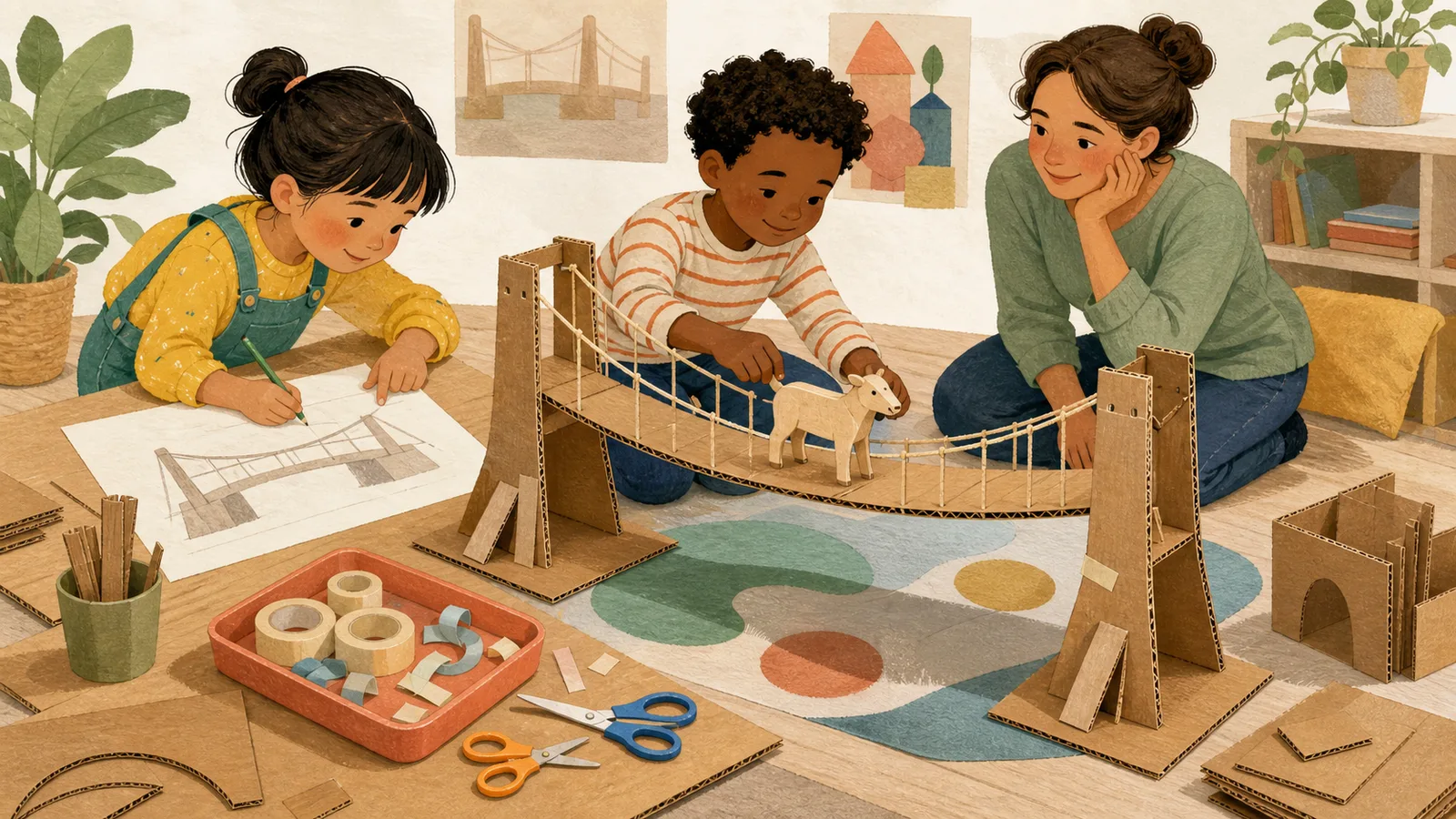
Six cardboard design problems for ages five to seven, with safer tool roles, useful constraints, simple tests, and room to rebuild.
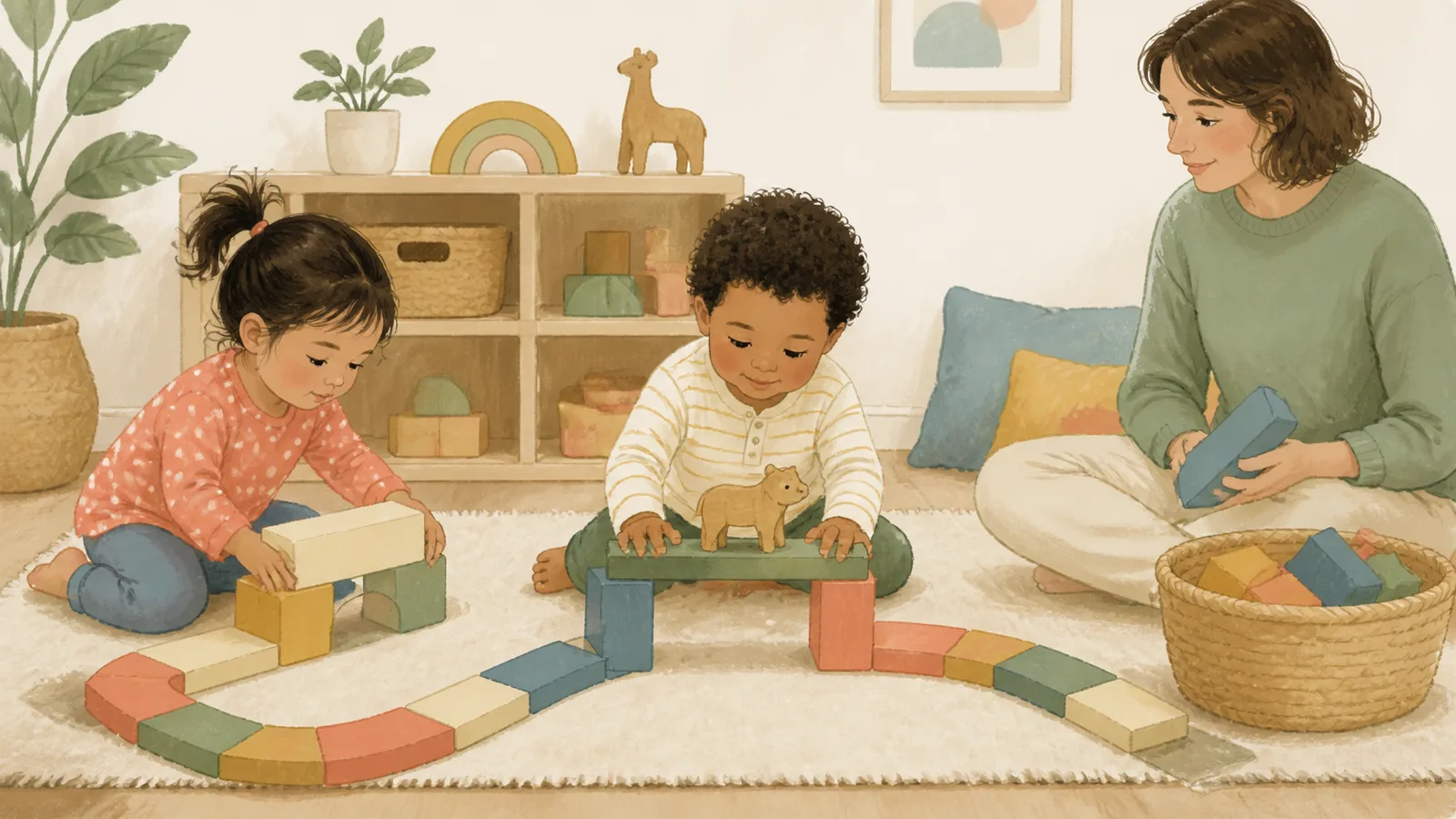
Use action-based prompts for carrying, lining, balancing, bridging, enclosing, and storytelling without asking a toddler to copy an adult model.
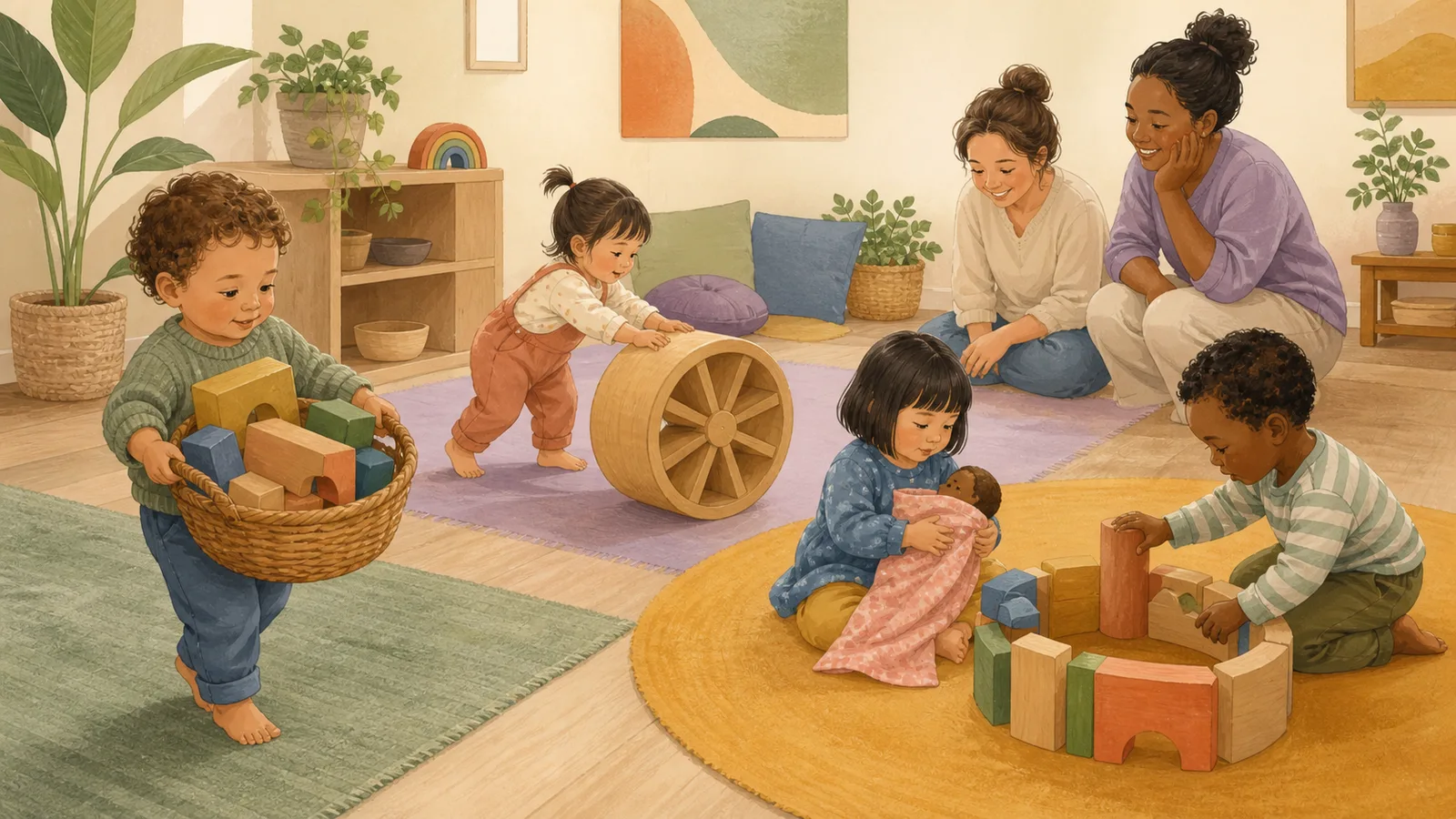
A plain-language guide to transporting, trajectory, rotation, enclosing, and other repeated play patterns—with safer ways to support the action.
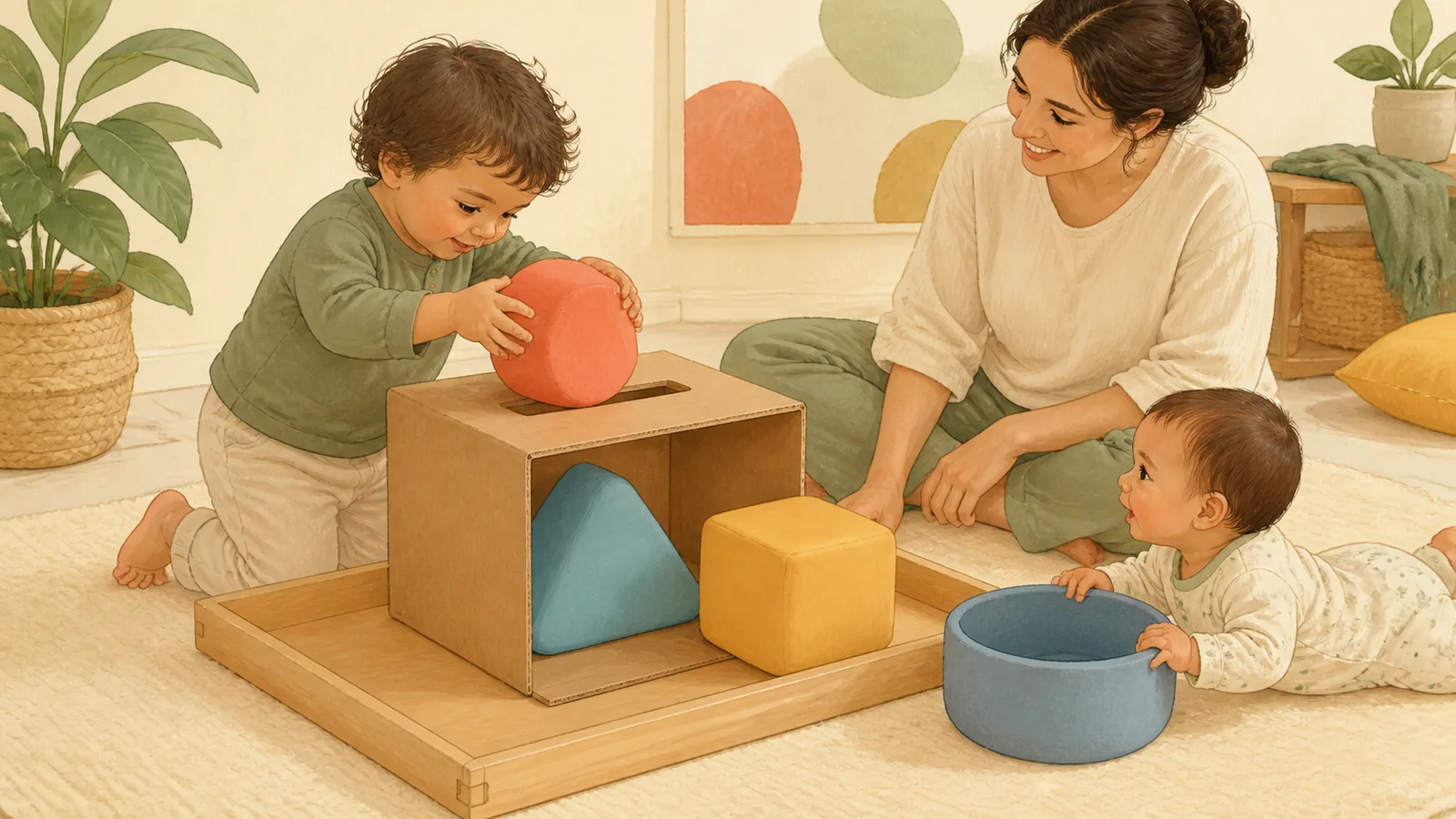
Start with filling and dumping, then adjust openings, objects, and visibility as a child becomes ready for more precise posting play.
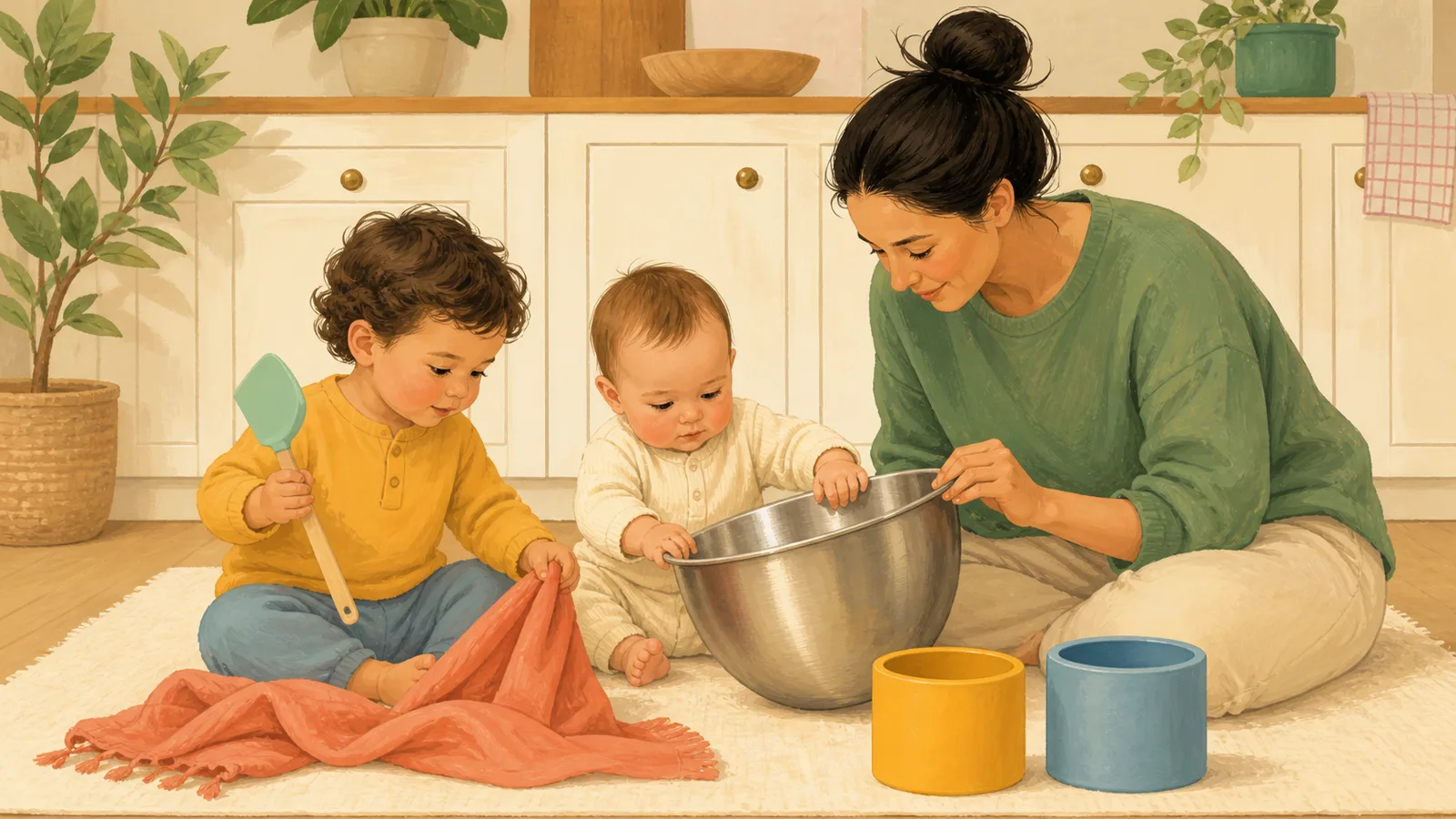
Use a six-question safety screen before turning bowls, cloths, containers, and kitchen tools into play materials for babies or toddlers.
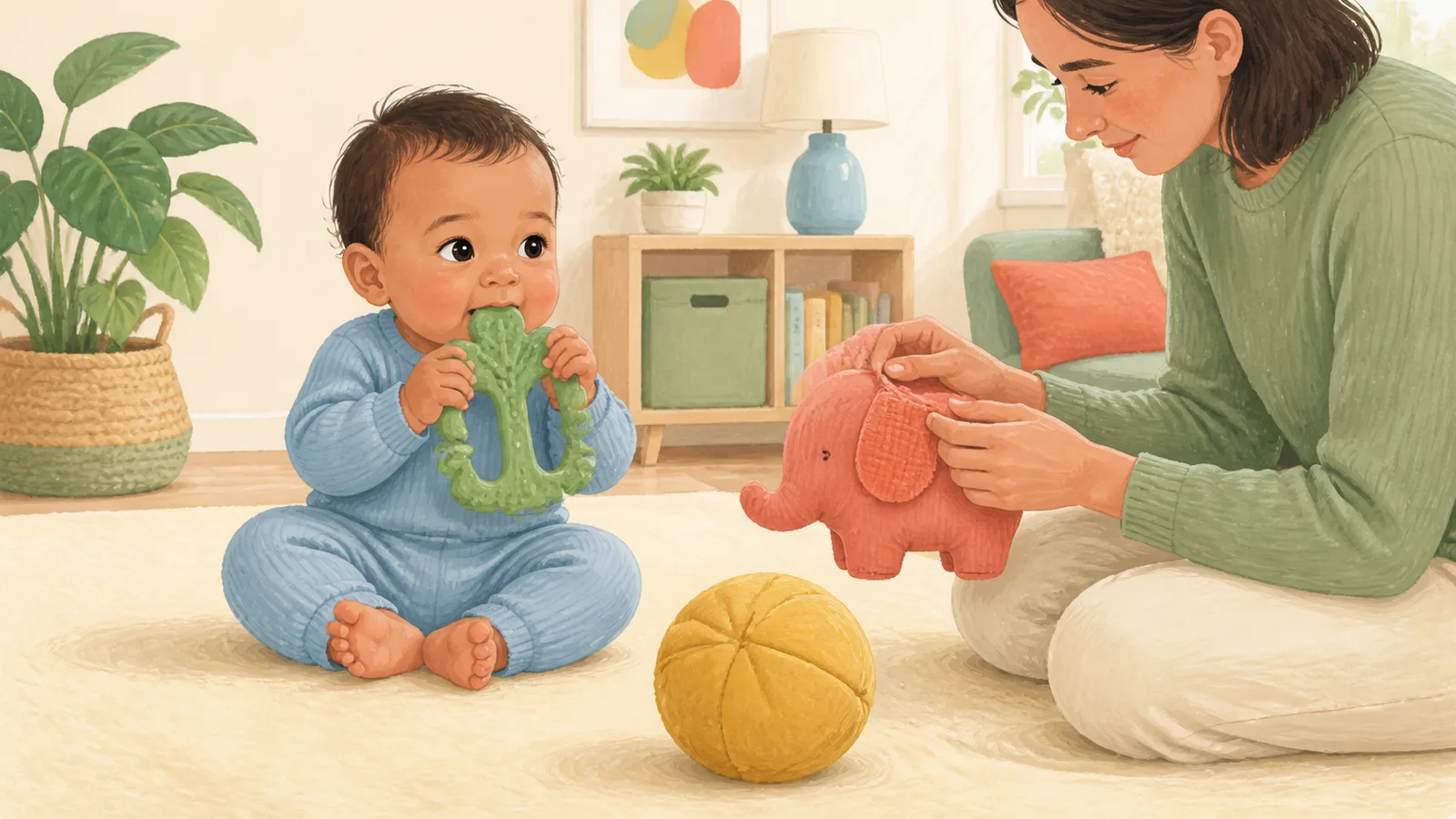
Mouthing is a normal part of infant object exploration, not always a teething signal. Learn what babies may be doing and how to create a safer set of things they can explore.
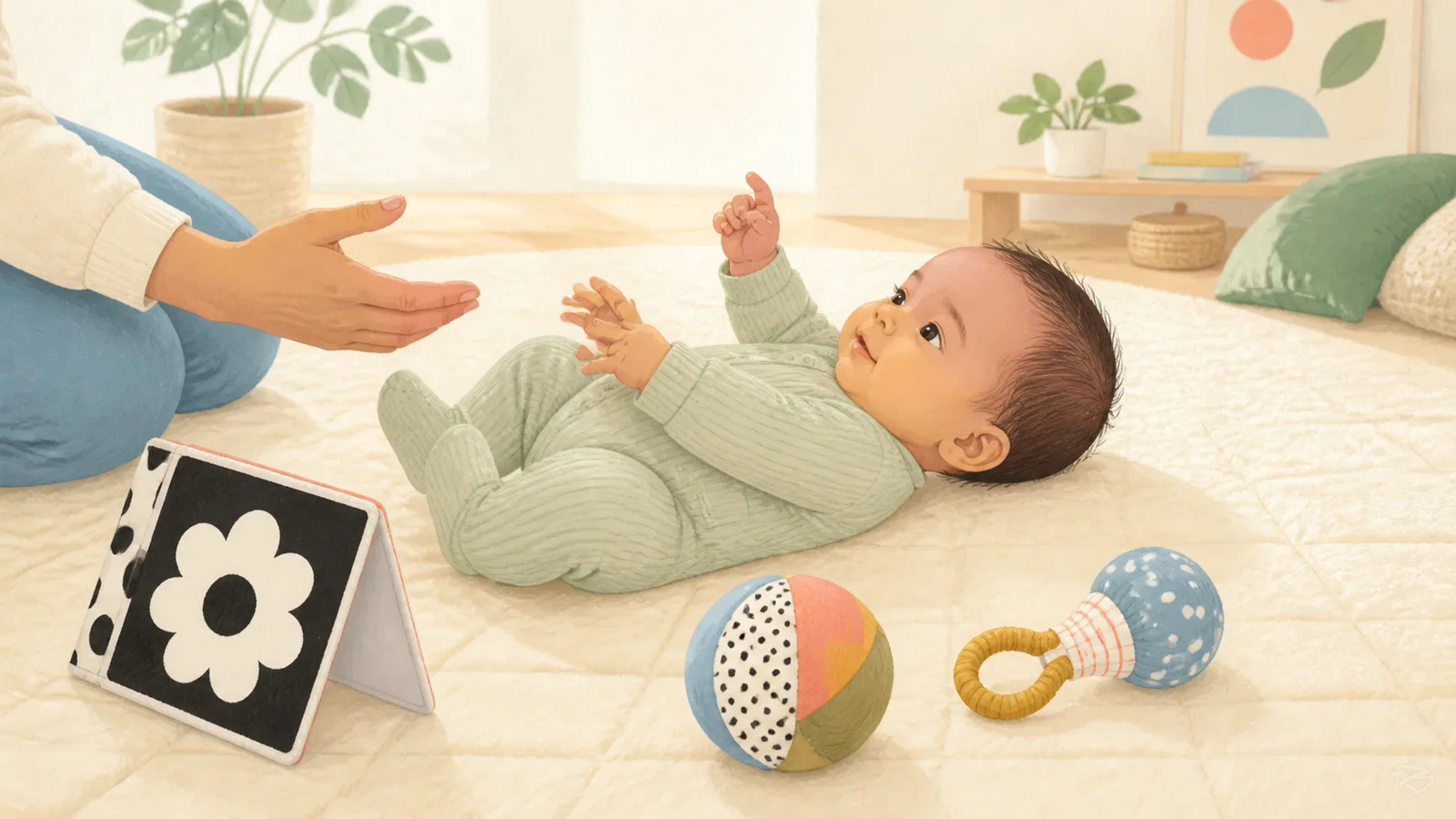
Choose useful first toys without milestone pressure. This guide explains what babies may enjoy from birth to six months, what to skip, and how to inspect every toy safely.
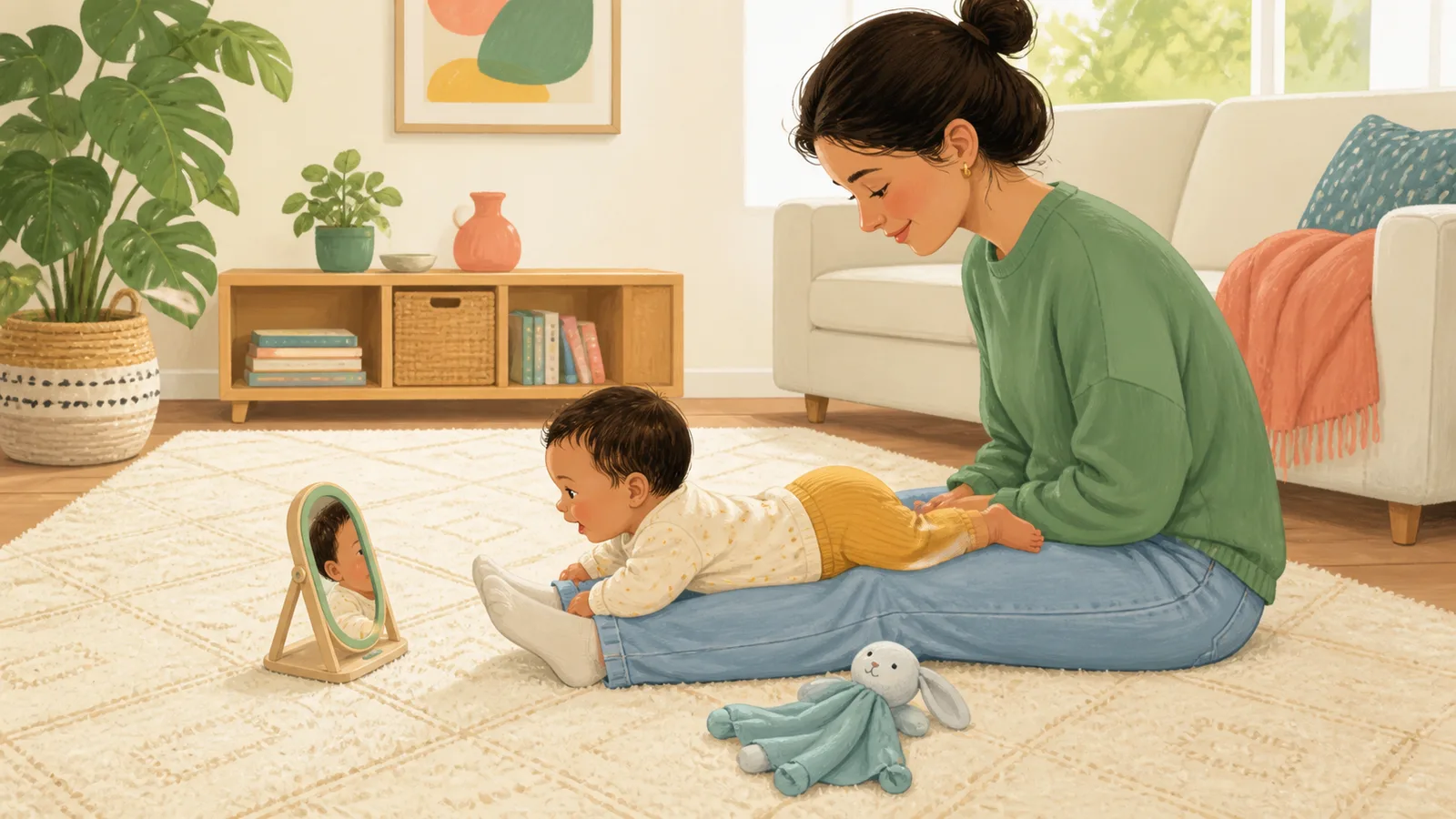
Make awake tummy time more workable with a gradual position ladder, simple play ideas, and practical changes for crying, fatigue, or frequent spit-up.
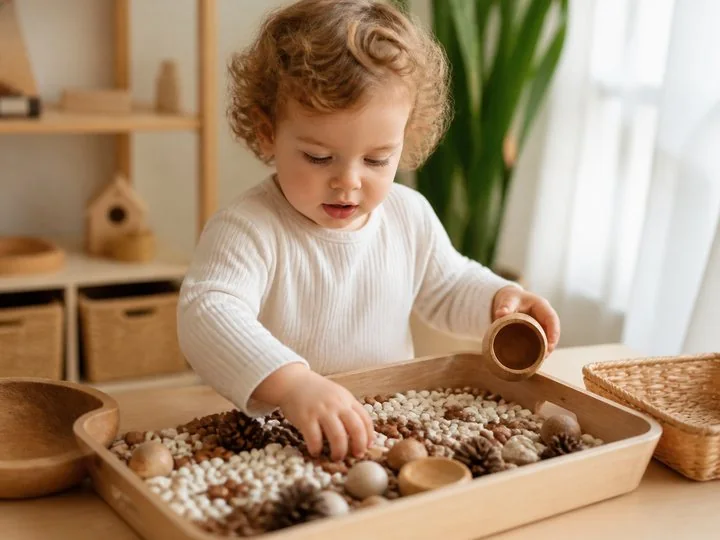
Twelve low-prep sensory play ideas, with an age-aware safety screen for mouthing, water, allergies, small parts, and mixed-age siblings.
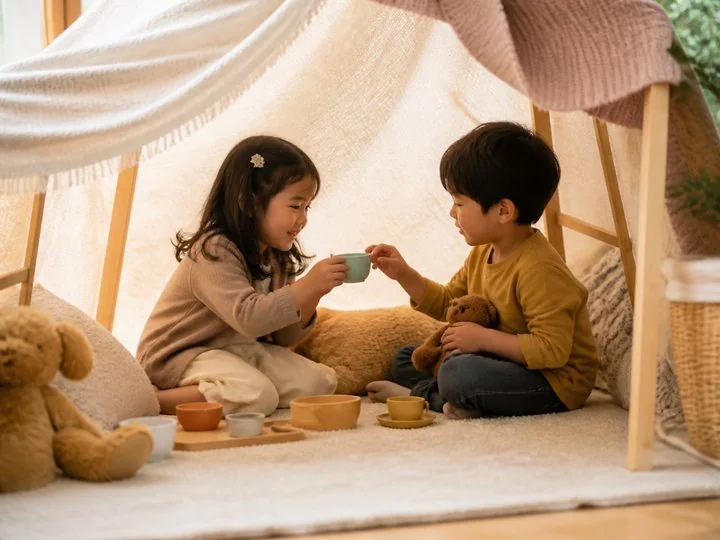
Flexible indoor pretend play ideas for toddlers through early school age, with simple setups, age adaptations, reluctant-player help, and realistic evidence notes.
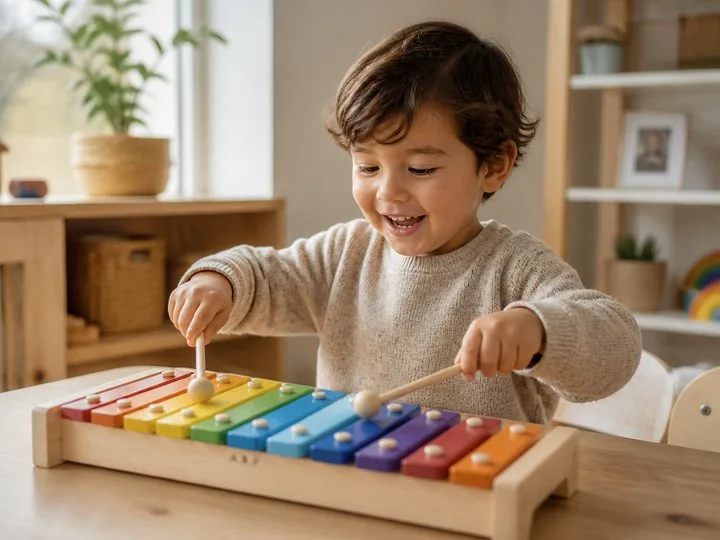
Playful preschool music activities for rhythm, listening, movement, and making, with low-noise adaptations and evidence-aware hearing guidance.

Practical outdoor play ideas for heat, rain, cold, and ordinary days, with a simple weather check, urban alternatives, and evidence-aware safety guidance.
Helpful context
It can unfold in more than one way and lets the child decide what to make, imagine, or try next.