Guides · Gift Guides
Gift Ideas for Ages 5–7: Choose by Interest and Challenge
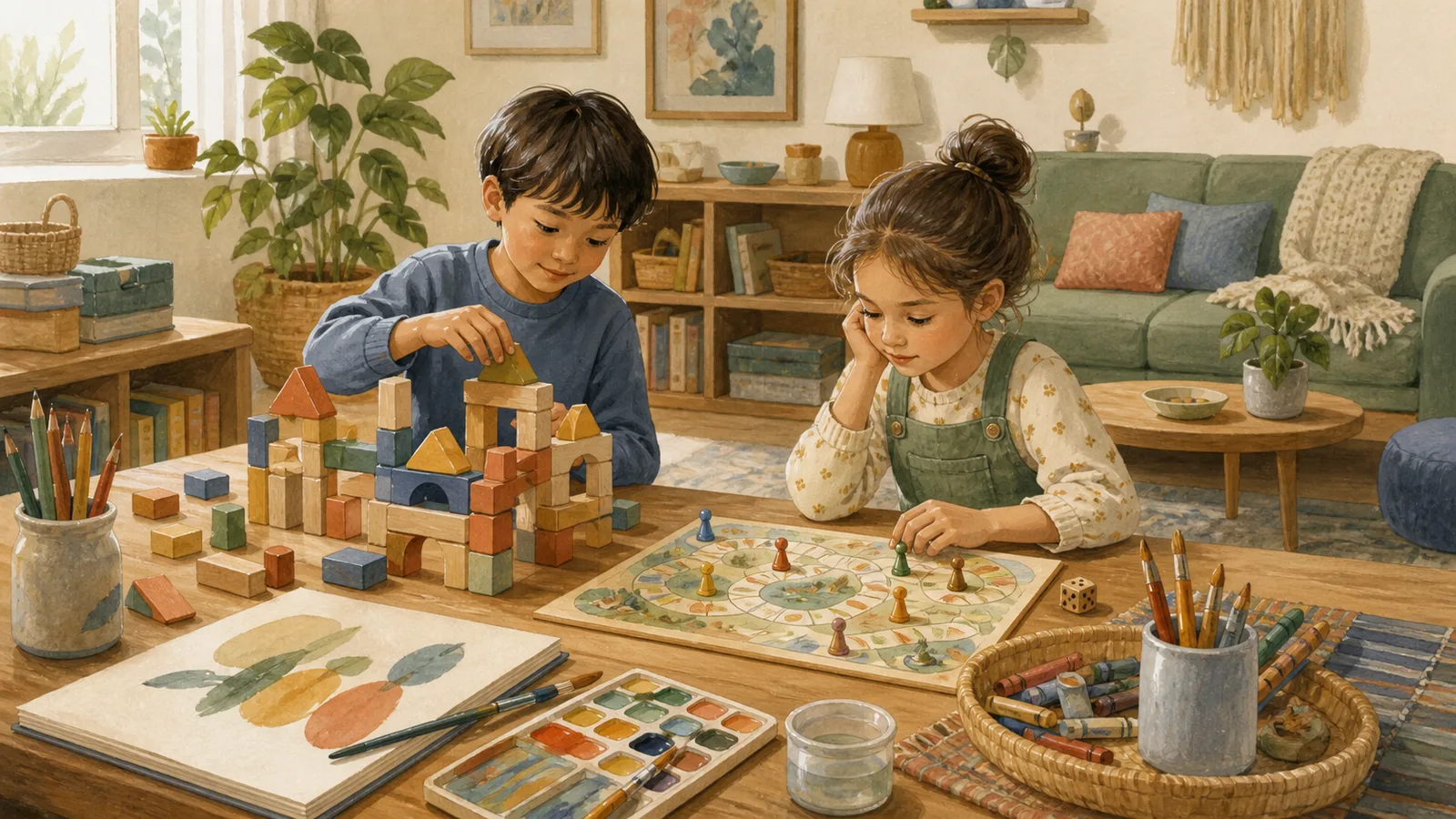
Select gifts for ages five to seven by interest, challenge, independent start, partner needs, reset time, storage, and safety rather than grade or gender stereotypes.
By Topic
Ideas that turn stacking, balancing, and making into lasting learning.
Construction play brings together spatial thinking, persistence, storytelling, and fine-motor control. From first blocks to complex maker projects, these guides help families choose flexible materials and ask questions that extend thinking without taking over.
Start here
Select gifts for ages five to seven by interest, challenge, independent start, partner needs, reset time, storage, and safety rather than grade or gender stereotypes.
Try something today
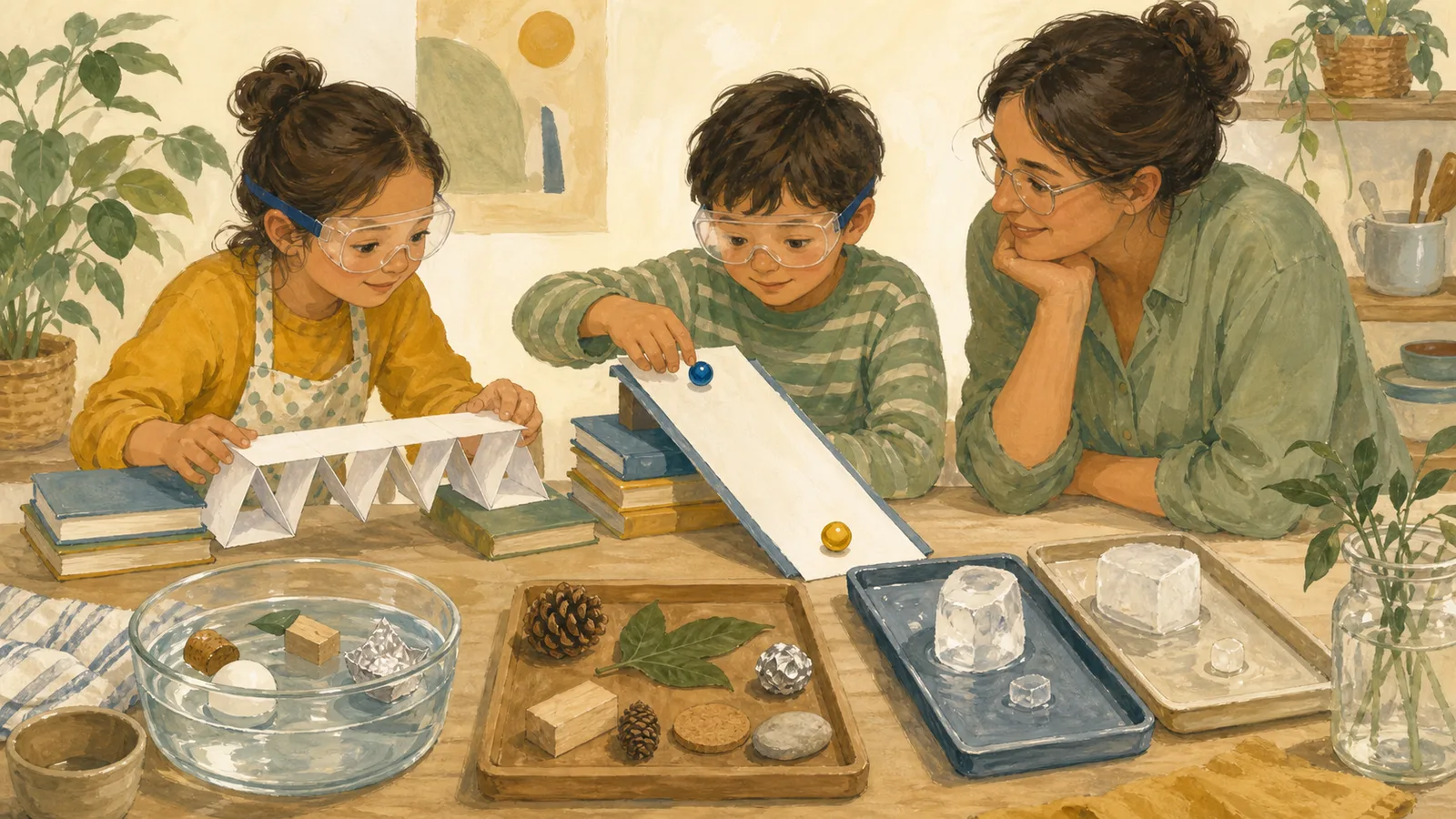
Try safer household investigations with ramps, paper, ice, shadows, floating objects, and sound—each built around one variable and observable evidence.
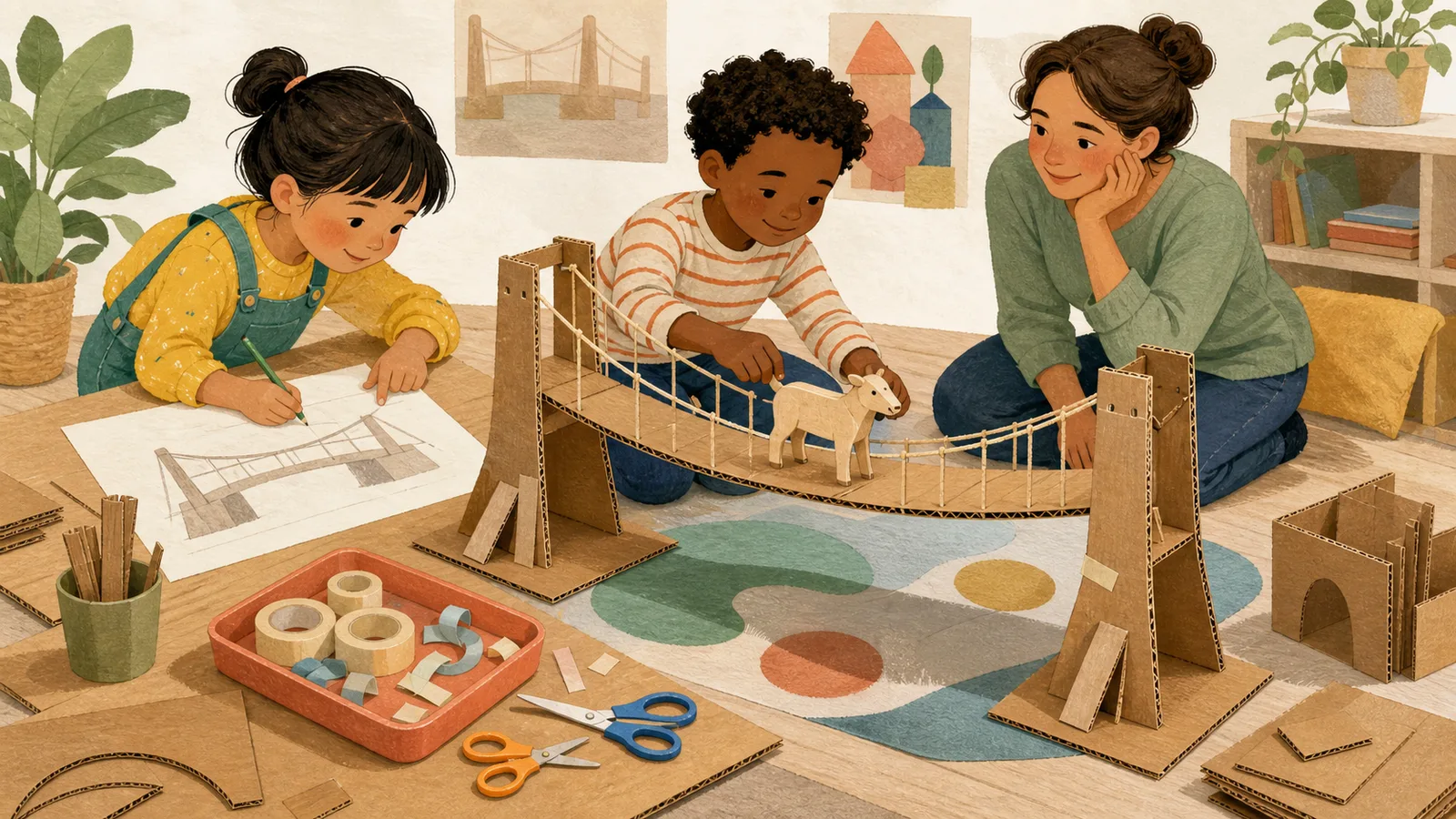
Six cardboard design problems for ages five to seven, with safer tool roles, useful constraints, simple tests, and room to rebuild.
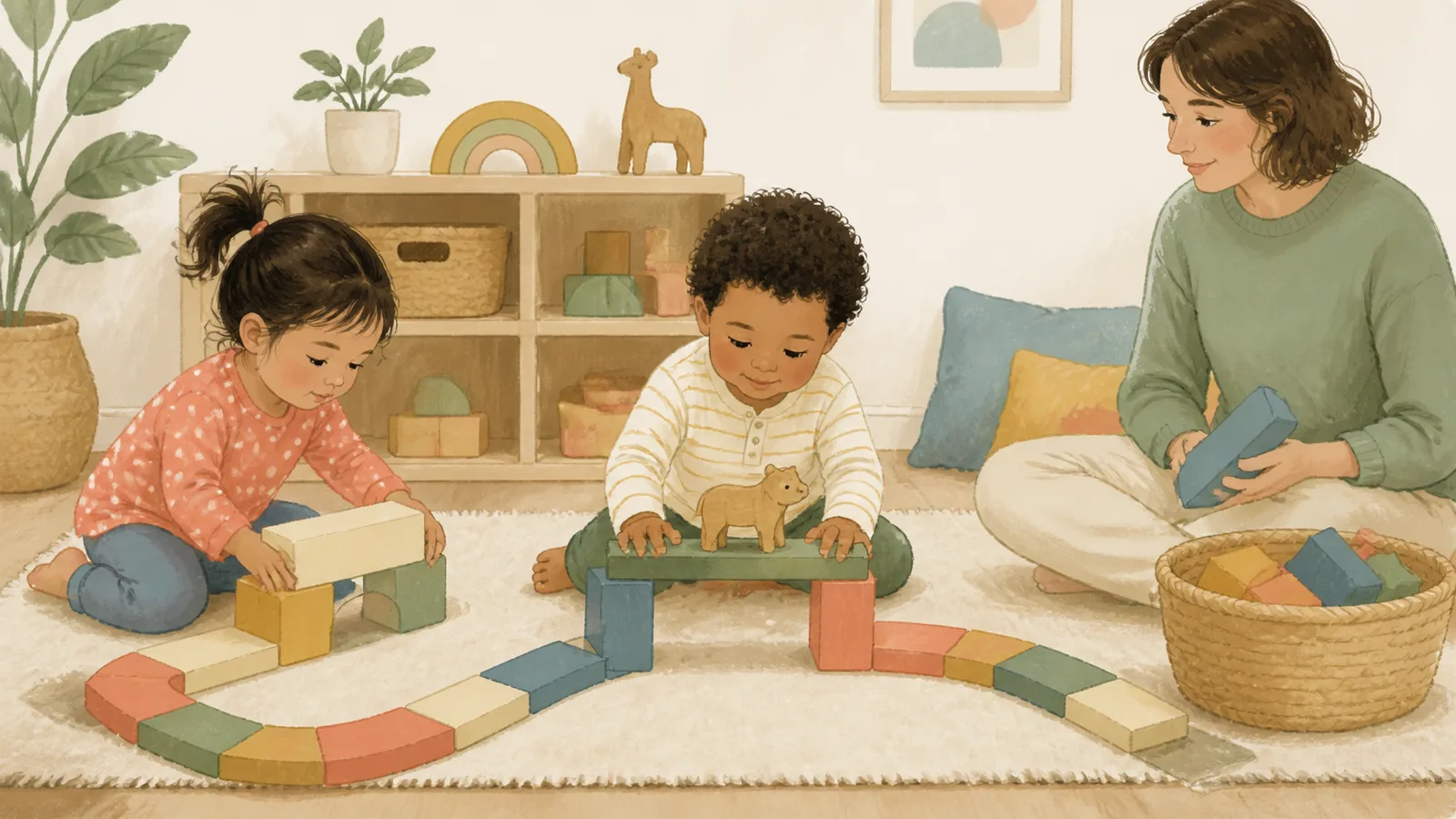
Use action-based prompts for carrying, lining, balancing, bridging, enclosing, and storytelling without asking a toddler to copy an adult model.
Growing through play
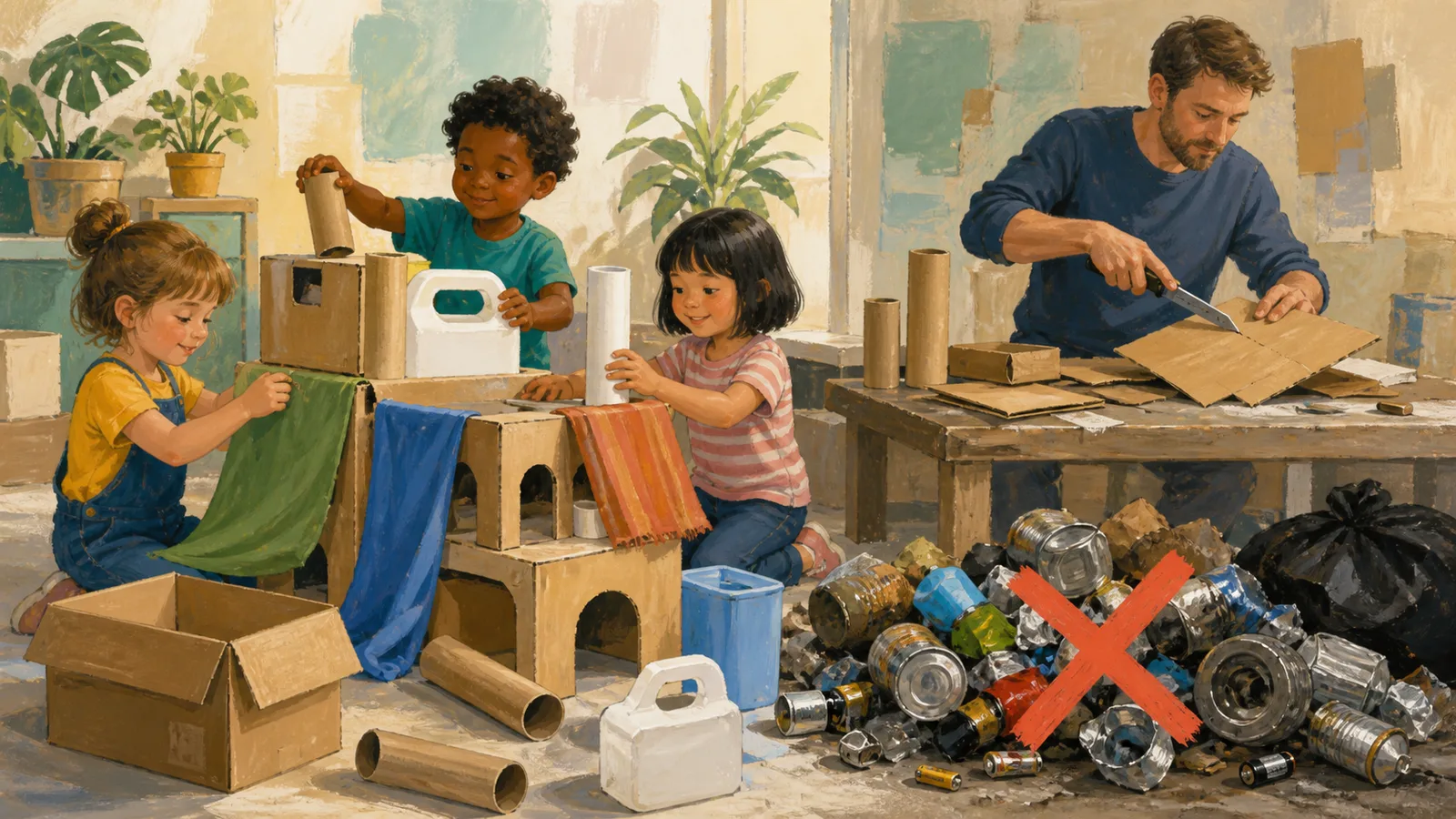
Build a safer recycled-material maker bin by screening packaging for residue, staples, sharp edges, coatings, cords, small parts, batteries, and magnets.
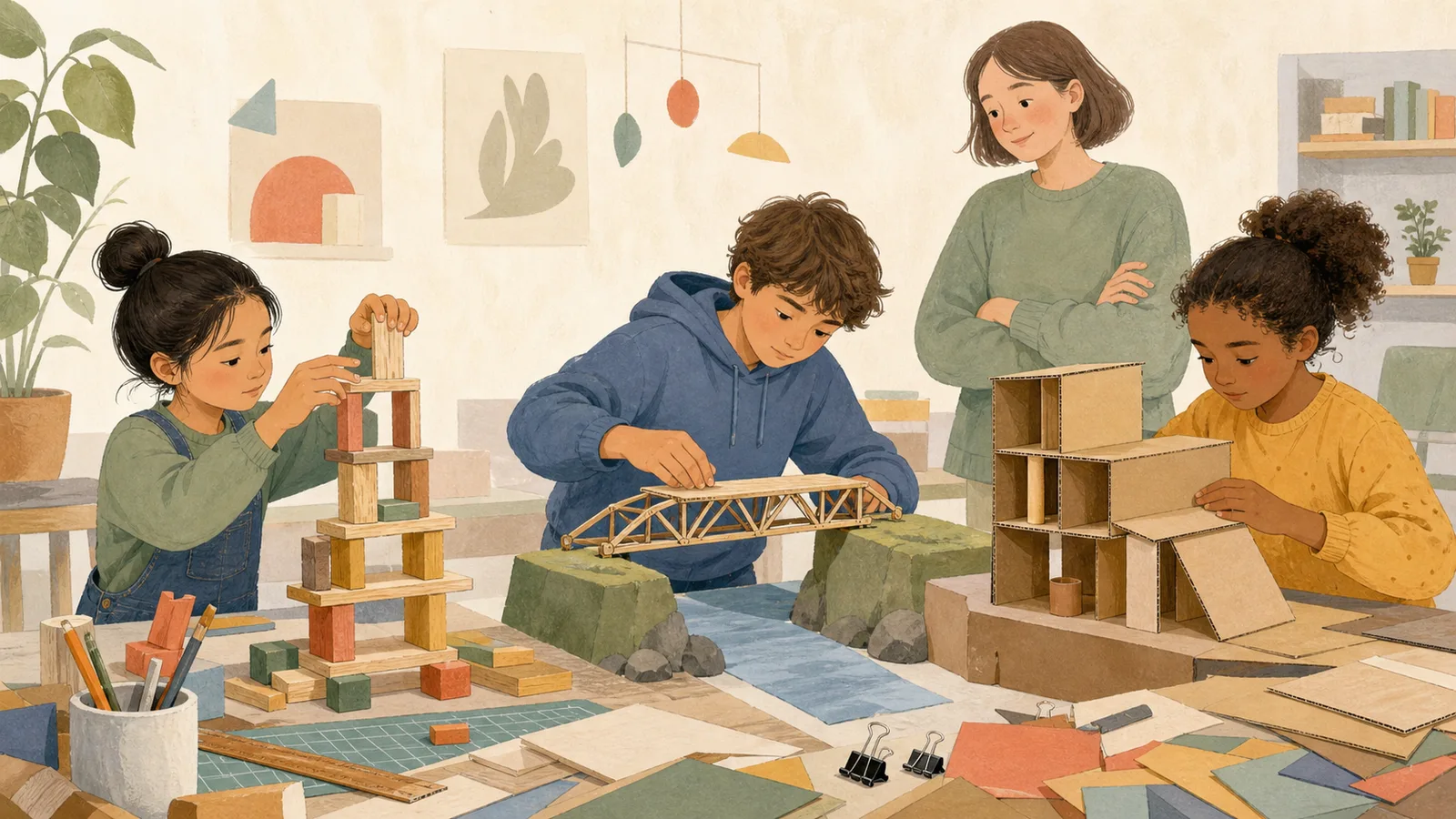
Scale construction play by changing materials, constraints, tests, and independence—from toddler stacking to older children’s structural design.
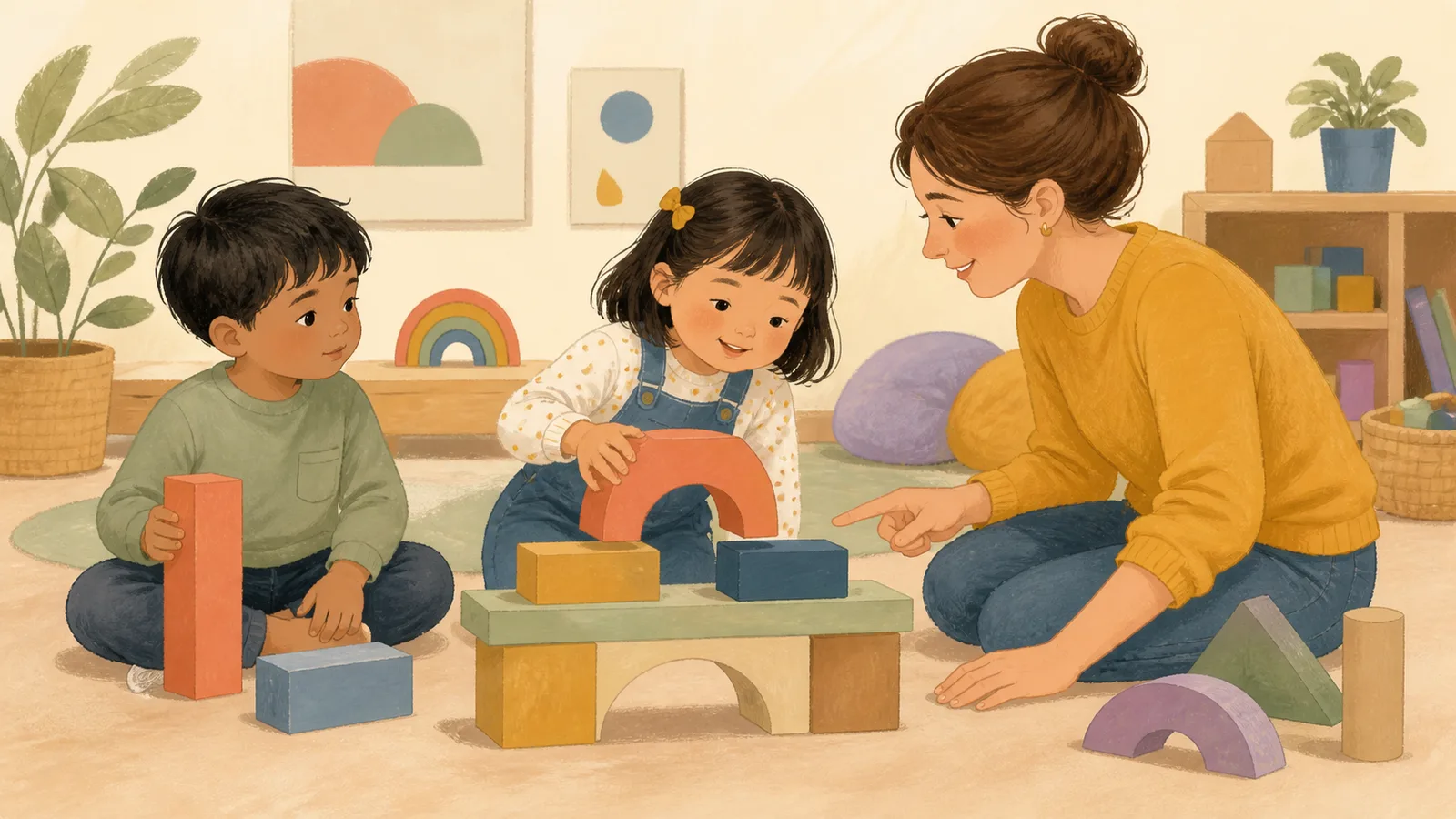
Use words such as under, beside, tall, curved, turn, and fit when they clarify what a child is already building—without testing every shape.
Keep exploring
Build a safer recycled-material maker bin by screening packaging for residue, staples, sharp edges, coatings, cords, small parts, batteries, and magnets.
Try safer household investigations with ramps, paper, ice, shadows, floating objects, and sound—each built around one variable and observable evidence.
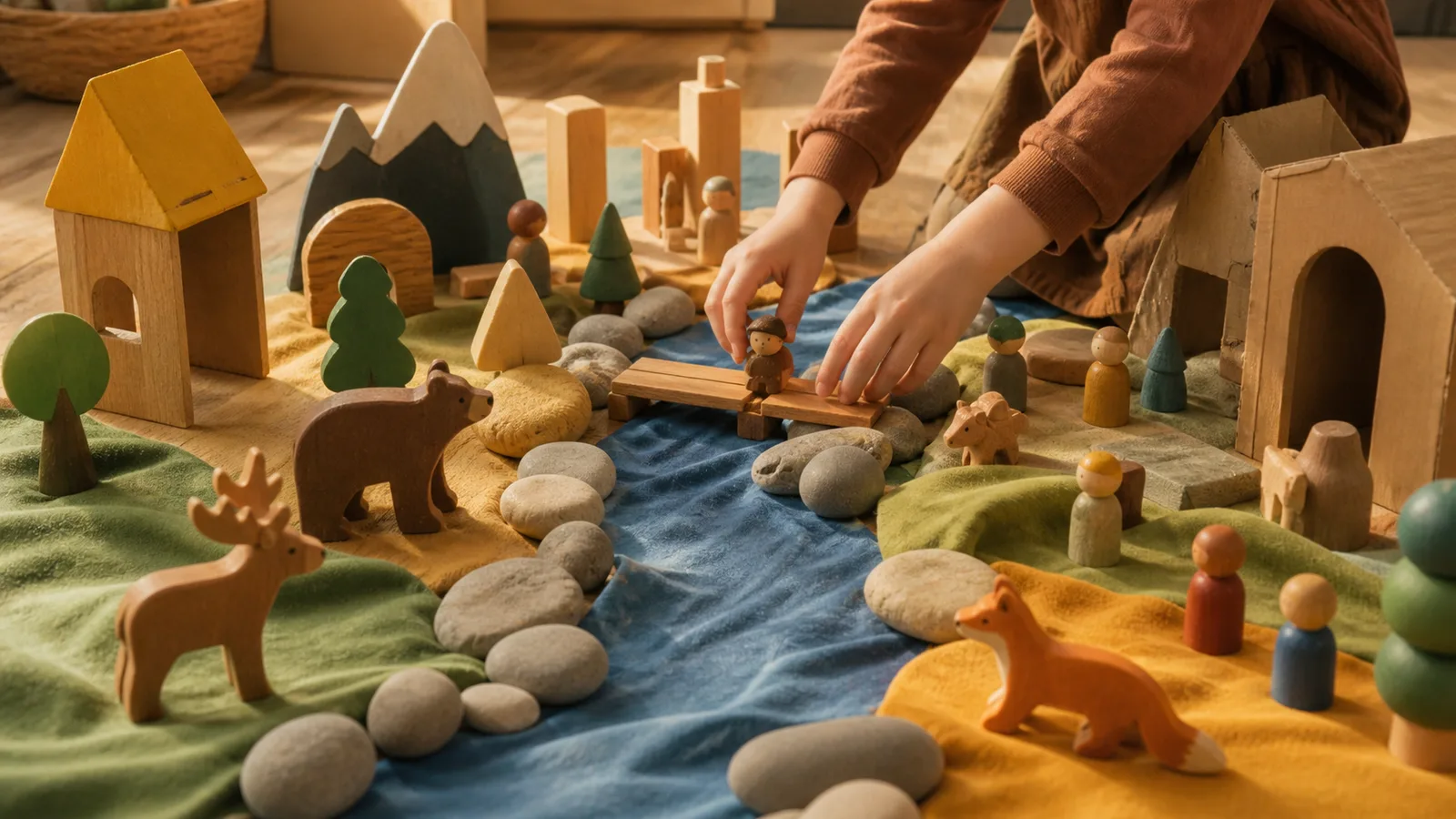
Build small worlds from a manageable cast, flexible terrain, and one story problem—with practical guidance on scale, storage, fillers, and safety.
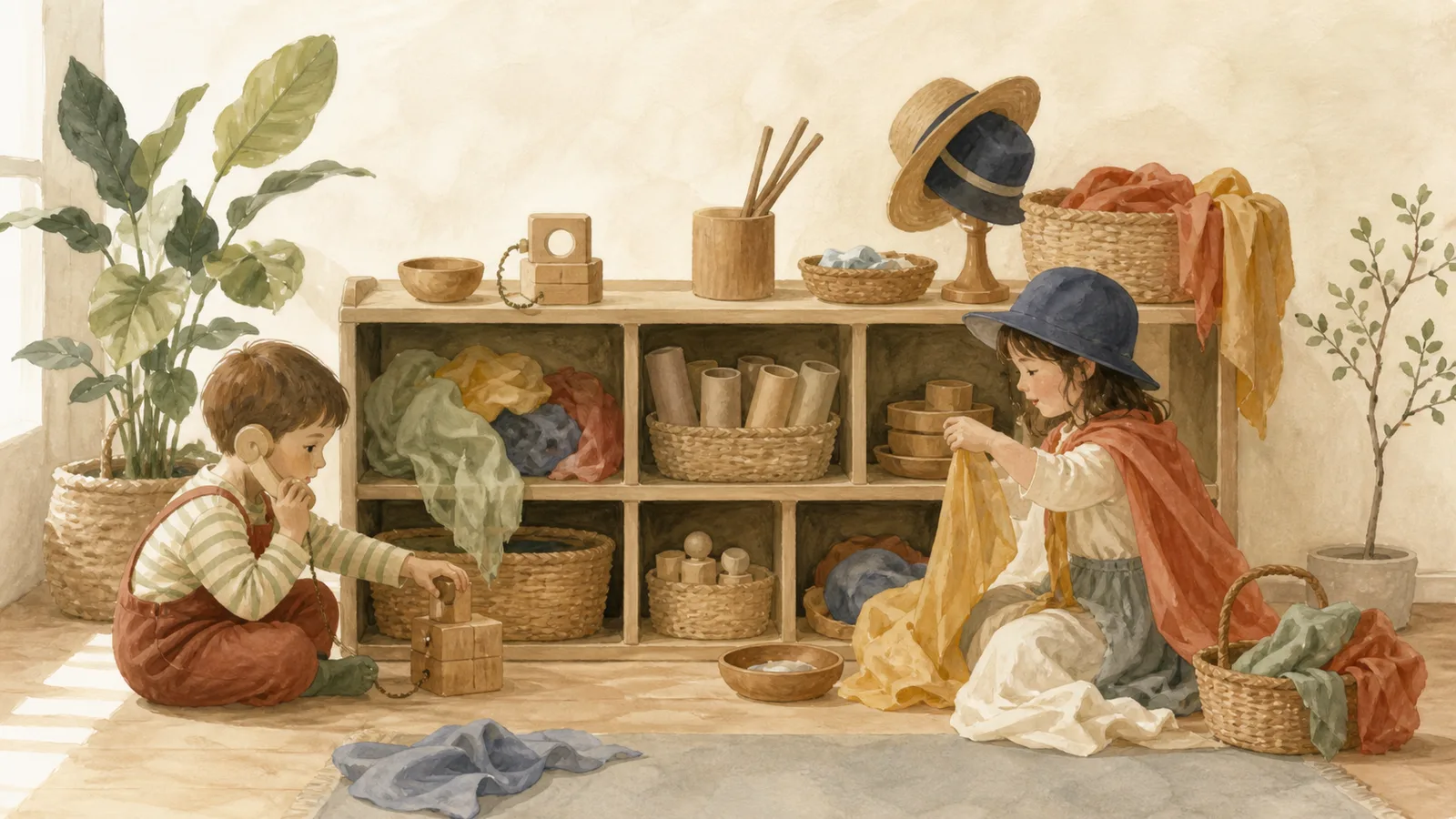
Build a compact, safer pretend-play collection with fabrics, containers, role markers, and simple objects that can change jobs as stories change.
Scale construction play by changing materials, constraints, tests, and independence—from toddler stacking to older children’s structural design.
Six cardboard design problems for ages five to seven, with safer tool roles, useful constraints, simple tests, and room to rebuild.
The complete collection
17 research-informed guides and play ideas
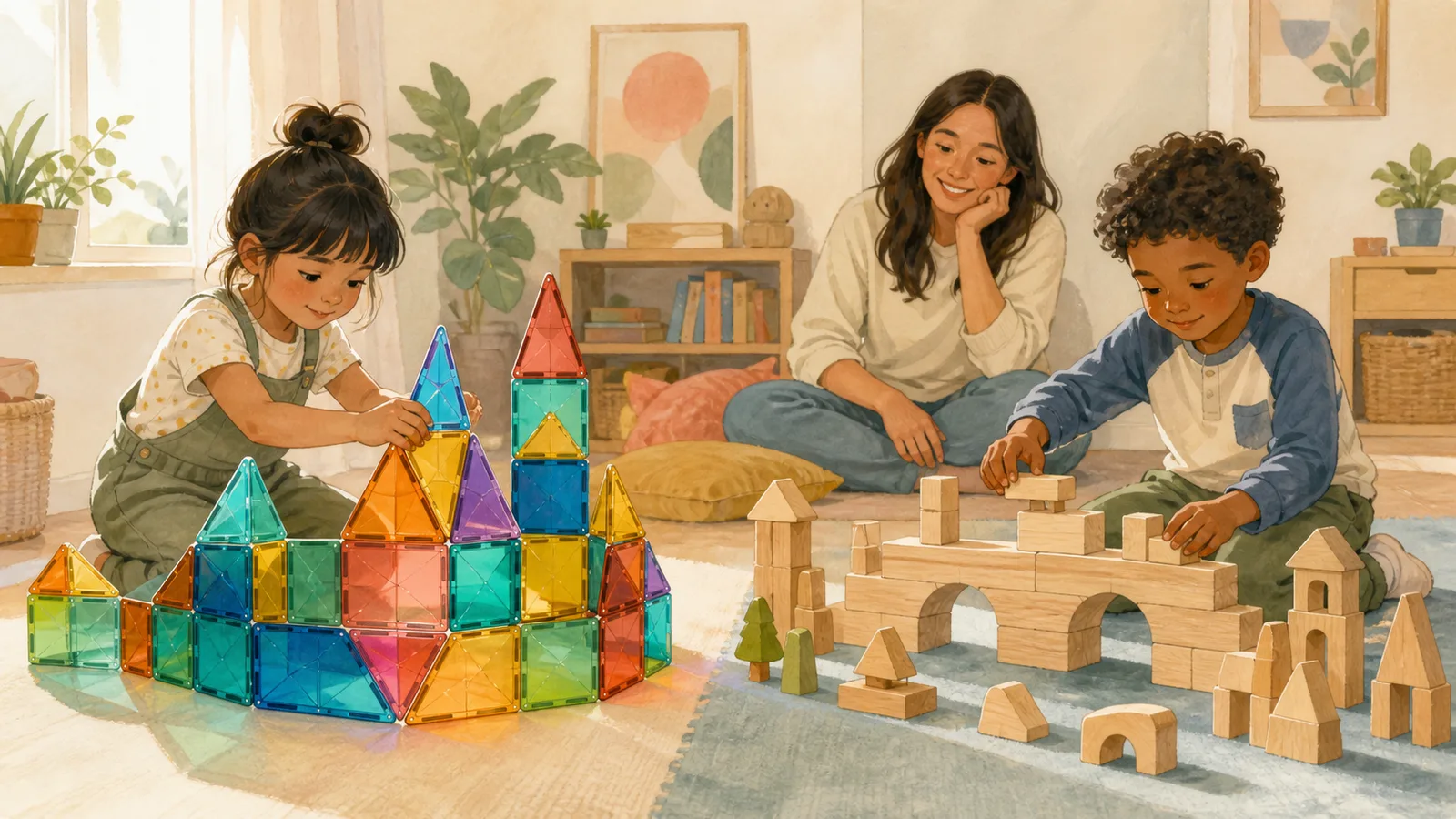
Compare magnetic tiles and wooden blocks by building behavior, safety, noise, space, storage, longevity, and the kind of frustration each creates.
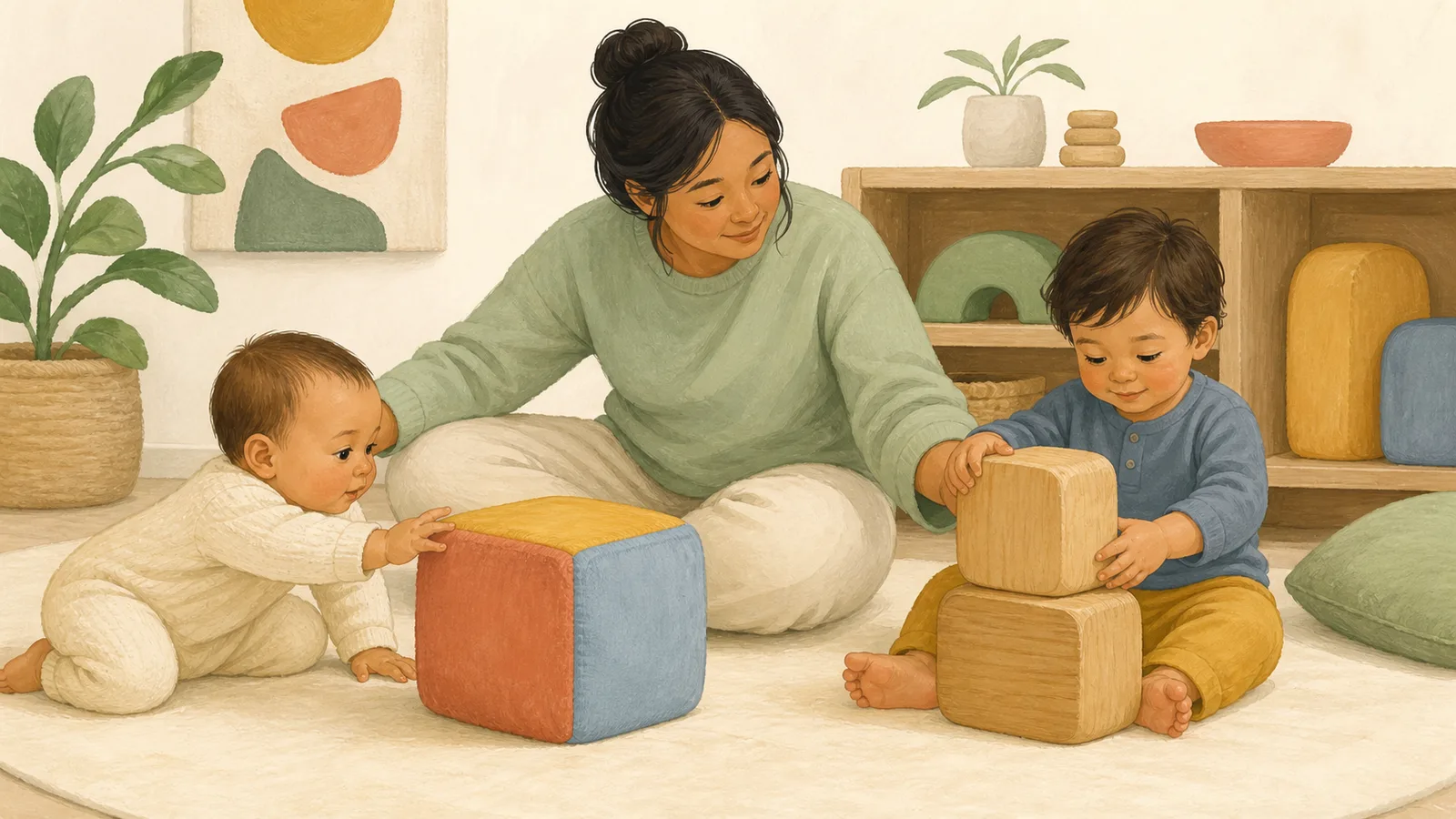
Compare soft, lightweight, hollow, interlocking, and wooden blocks by grip, weight, sound, cleaning, storage, and how children actually use them.
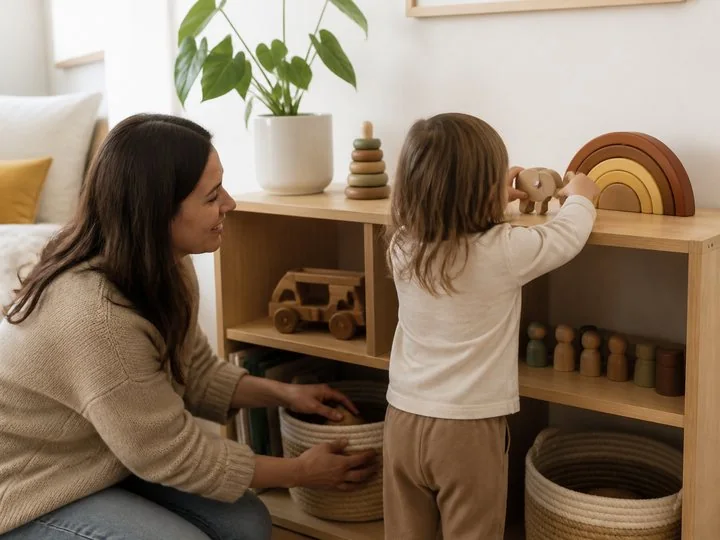
A practical toy rotation system for toddlers and preschoolers, including how many toys to offer, what to keep out, and what the research really shows.
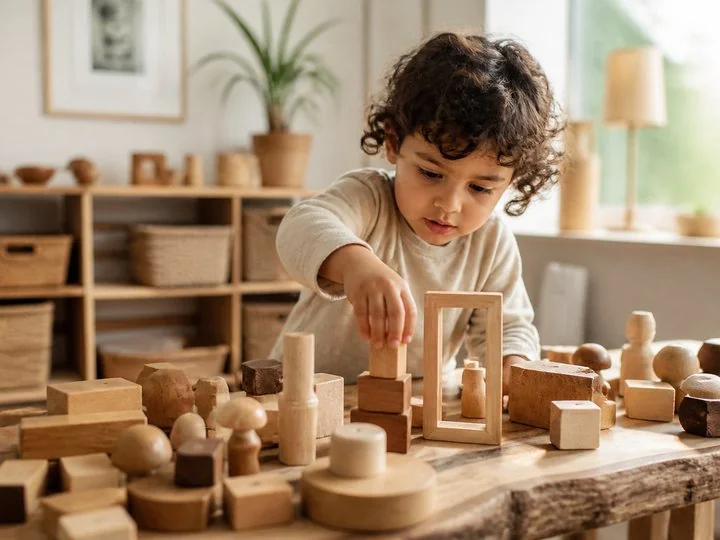
A research-aware guide to open-ended toys, with age-by-age examples, comparisons, evidence limits, and practical ways to support flexible play.
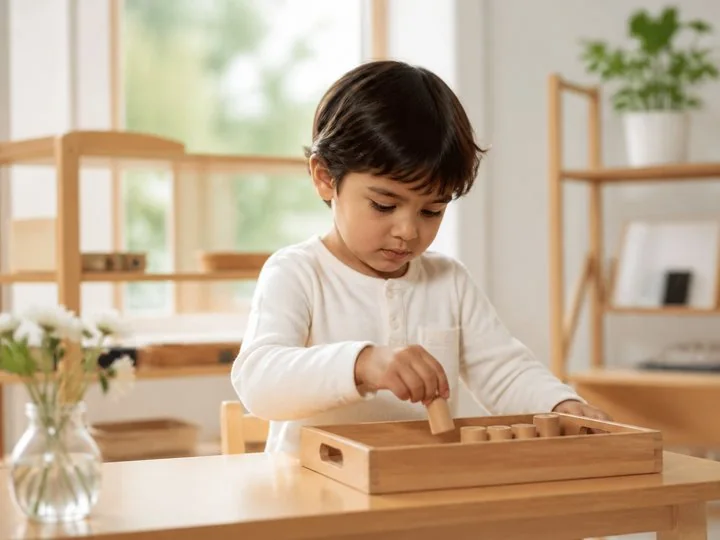
A practical, research-aware guide to helping toddlers and preschoolers begin and sustain play while keeping connection and realistic expectations at the center.
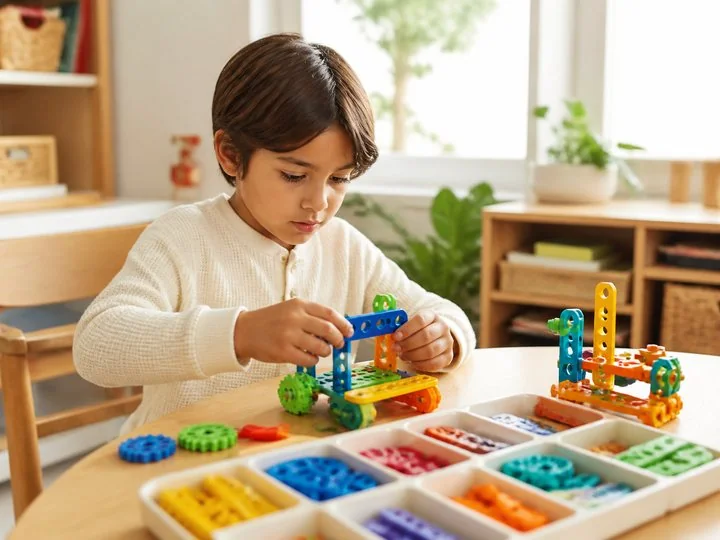
Low-prep STEAM challenges for preschoolers and school-age children, with age adaptations, useful questions, safety notes, and a simple design cycle.

Flexible indoor pretend play ideas for toddlers through early school age, with simple setups, age adaptations, reluctant-player help, and realistic evidence notes.
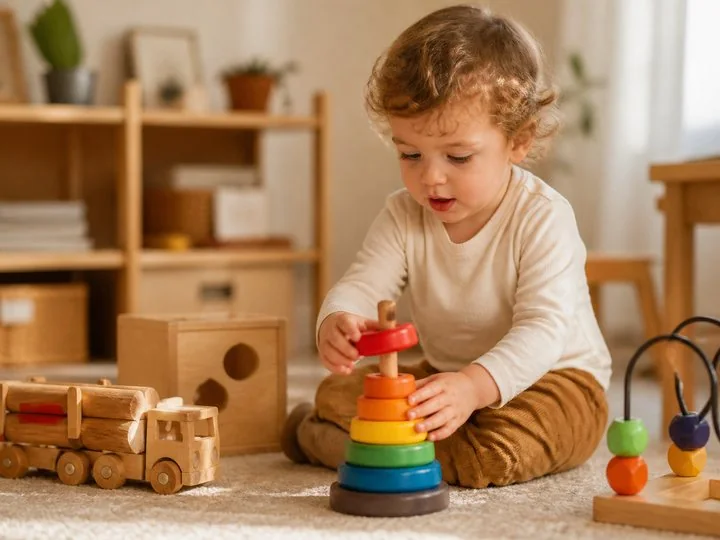
Six current wooden toys compared by age, play style, pieces, storage, materials, versatility, safety, and honest trade-offs.
Helpful context
They explore balance, pattern, measurement, planning, cause and effect, and collaborative problem-solving.