Guides · Gift Guides
Gift Ideas for Ages 5–7: Choose by Interest and Challenge
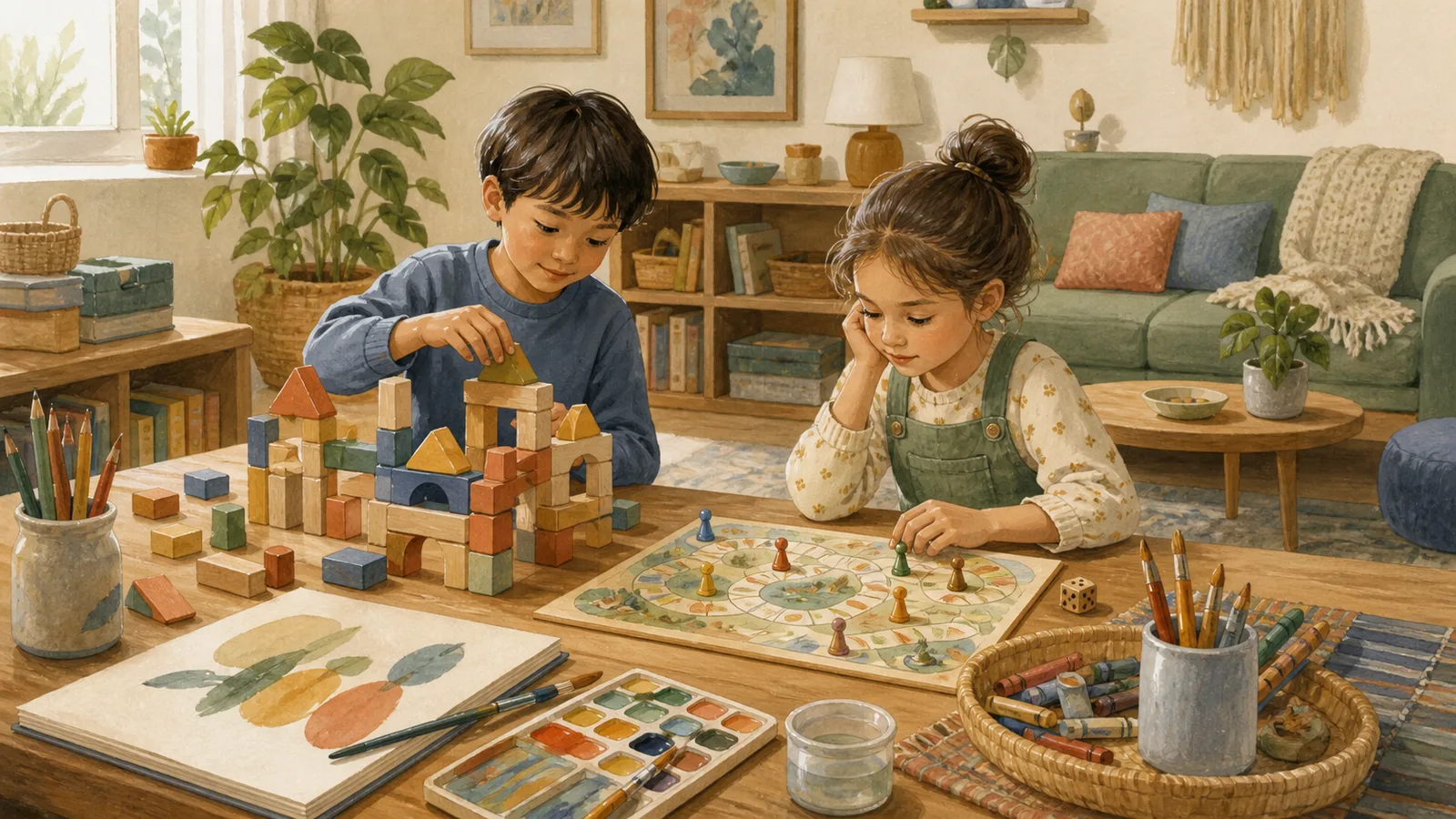
Select gifts for ages five to seven by interest, challenge, independent start, partner needs, reset time, storage, and safety rather than grade or gender stereotypes.
By Topic
Research-aware ideas for STEAM, language, focus, and everyday discovery.
Children learn deeply when they can touch, test, move, repeat, and connect an idea to something they care about. Our learning coverage translates useful research into playful, pressure-free practices for home.
Start here
Select gifts for ages five to seven by interest, challenge, independent start, partner needs, reset time, storage, and safety rather than grade or gender stereotypes.
Try something today
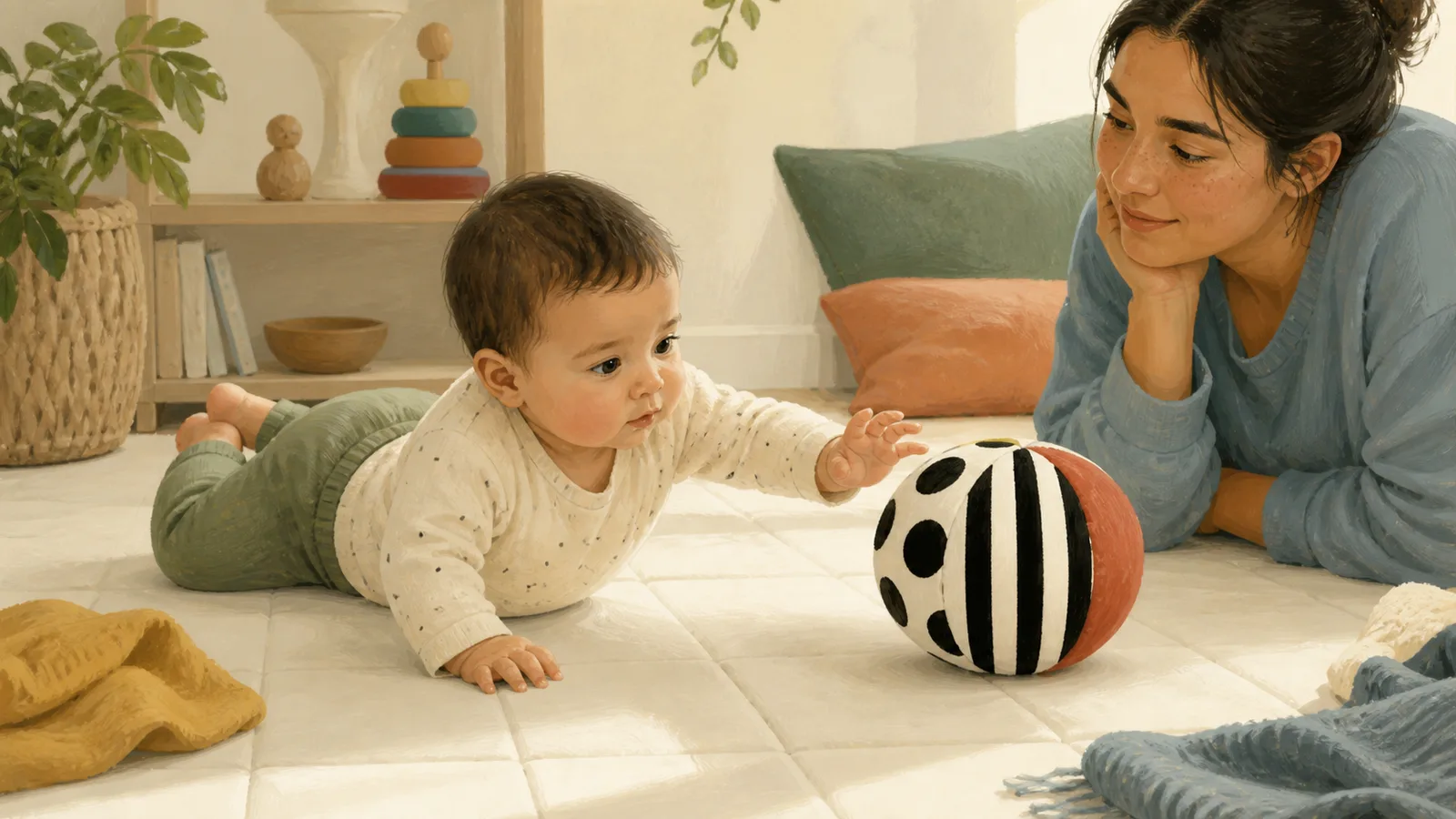
Use a clear, firm floor for awake supervised baby play with back, side, tummy, reaching, rolling, and pivoting ideas—without turning milestones into a race.
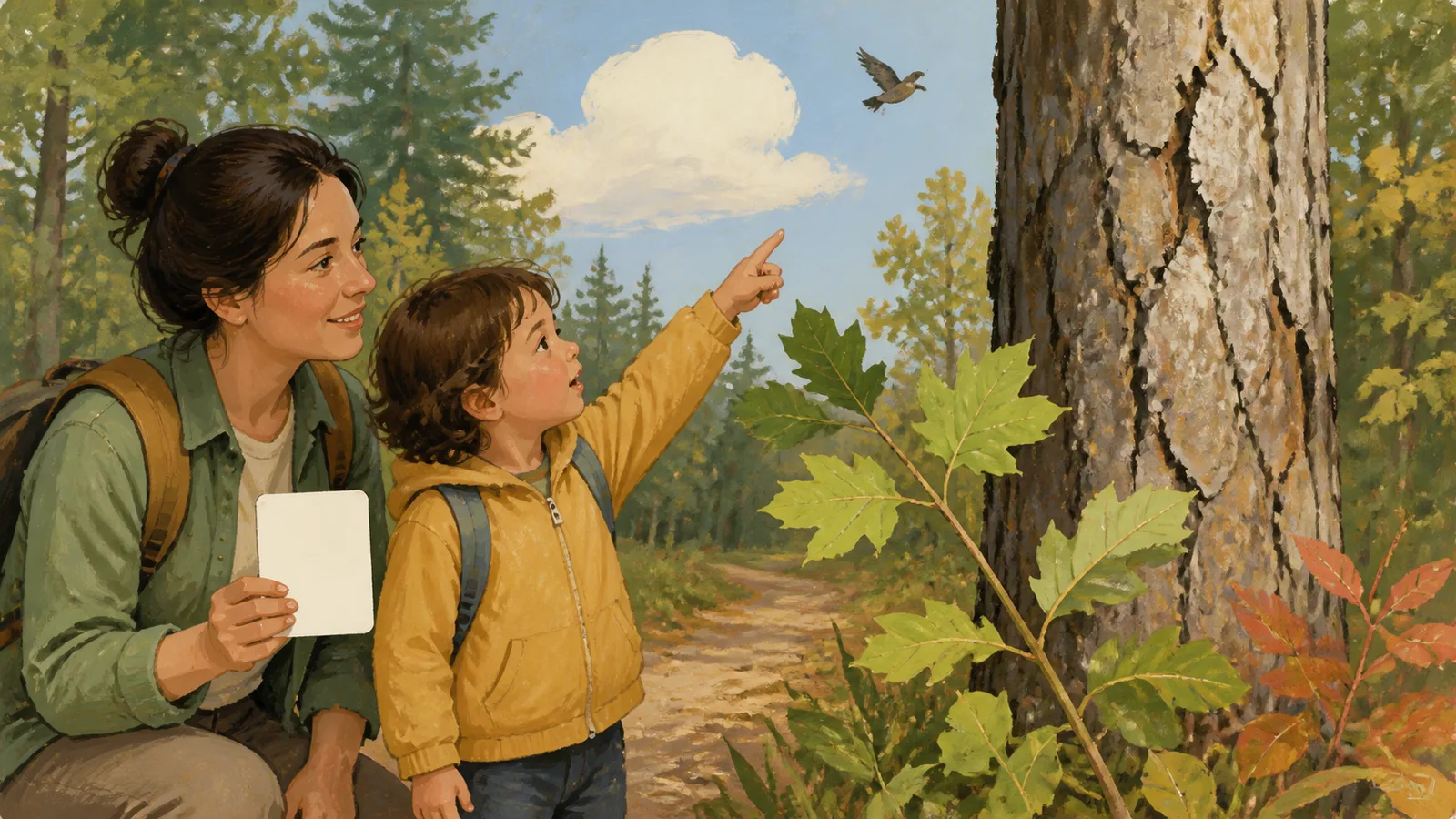
Run a preschool nature hunt with observation prompts, movement, sound, accessibility adaptations, and leave-what-you-find boundaries.
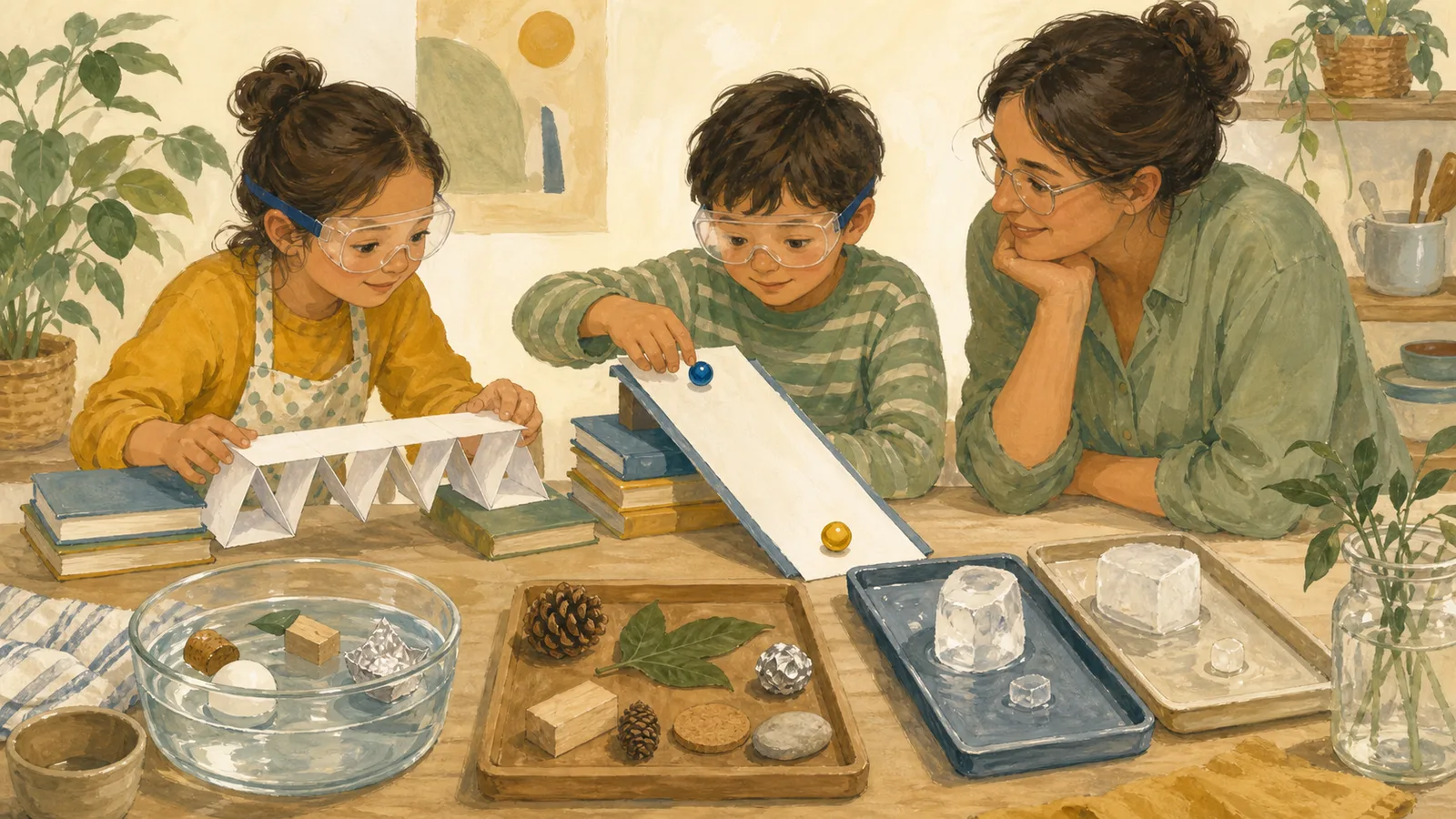
Try safer household investigations with ramps, paper, ice, shadows, floating objects, and sound—each built around one variable and observable evidence.
Growing through play

Water beads expand after contact with liquid and can cause serious harm if swallowed, inhaled, or inserted. Here is how to make a practical household decision.
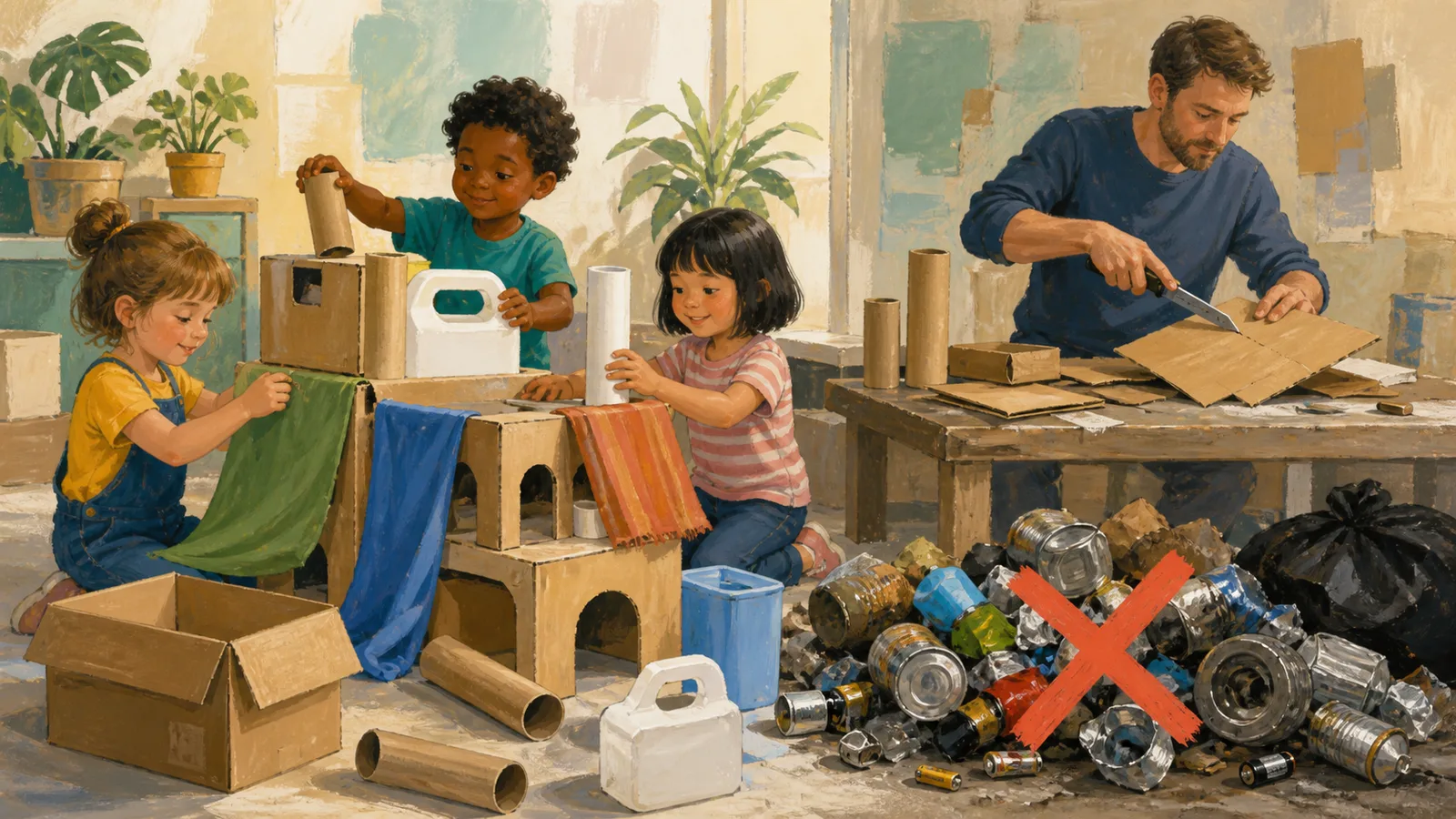
Build a safer recycled-material maker bin by screening packaging for residue, staples, sharp edges, coatings, cords, small parts, batteries, and magnets.
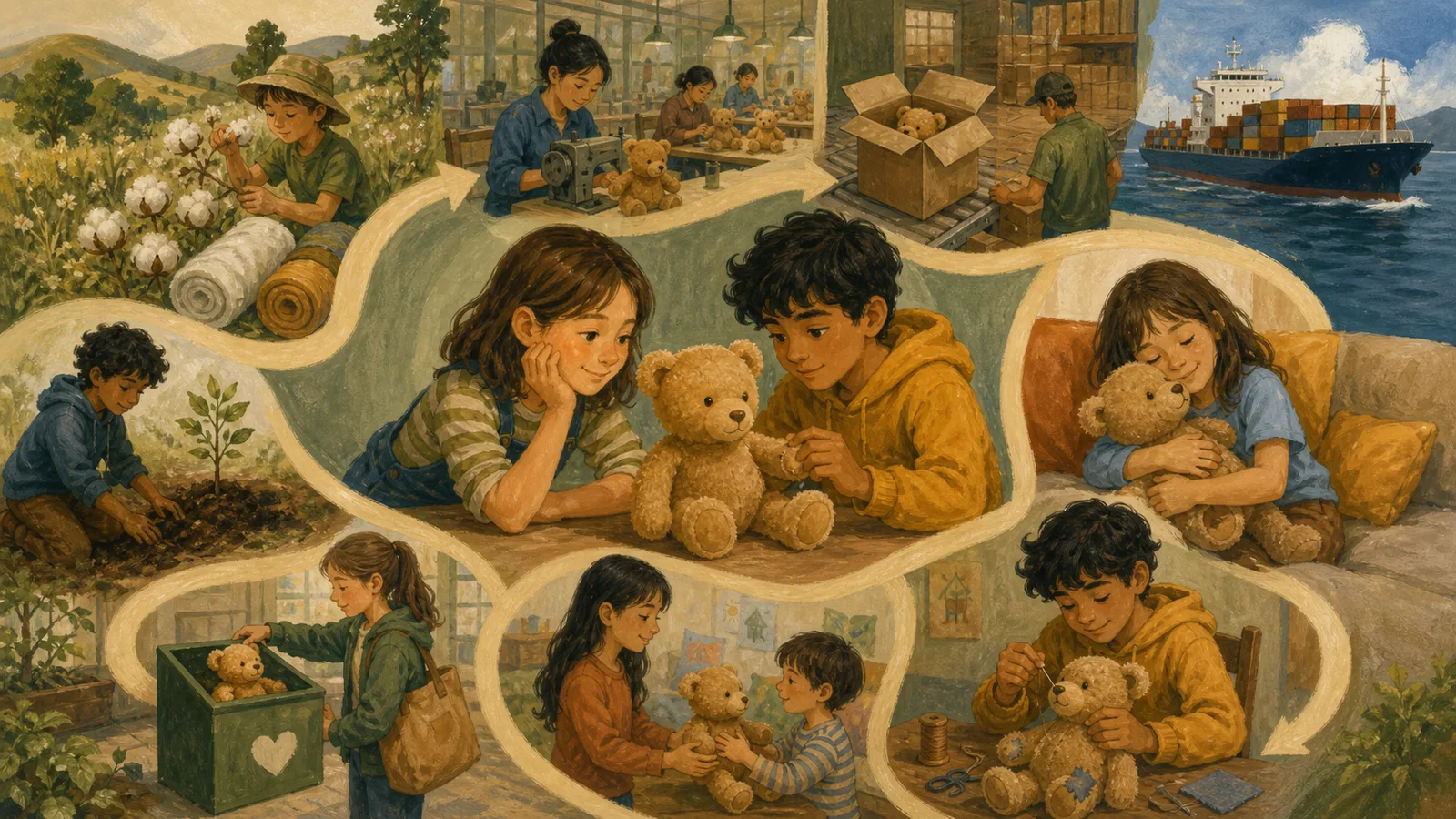
Trace a toy through materials, manufacturing, packaging, transport, play, repair, reuse, and end of life while learning which sustainability questions need evidence.
Keep exploring
Water beads expand after contact with liquid and can cause serious harm if swallowed, inhaled, or inserted. Here is how to make a practical household decision.
Use a clear, firm floor for awake supervised baby play with back, side, tummy, reaching, rolling, and pivoting ideas—without turning milestones into a race.
Build a safer recycled-material maker bin by screening packaging for residue, staples, sharp edges, coatings, cords, small parts, batteries, and magnets.
Trace a toy through materials, manufacturing, packaging, transport, play, repair, reuse, and end of life while learning which sustainability questions need evidence.
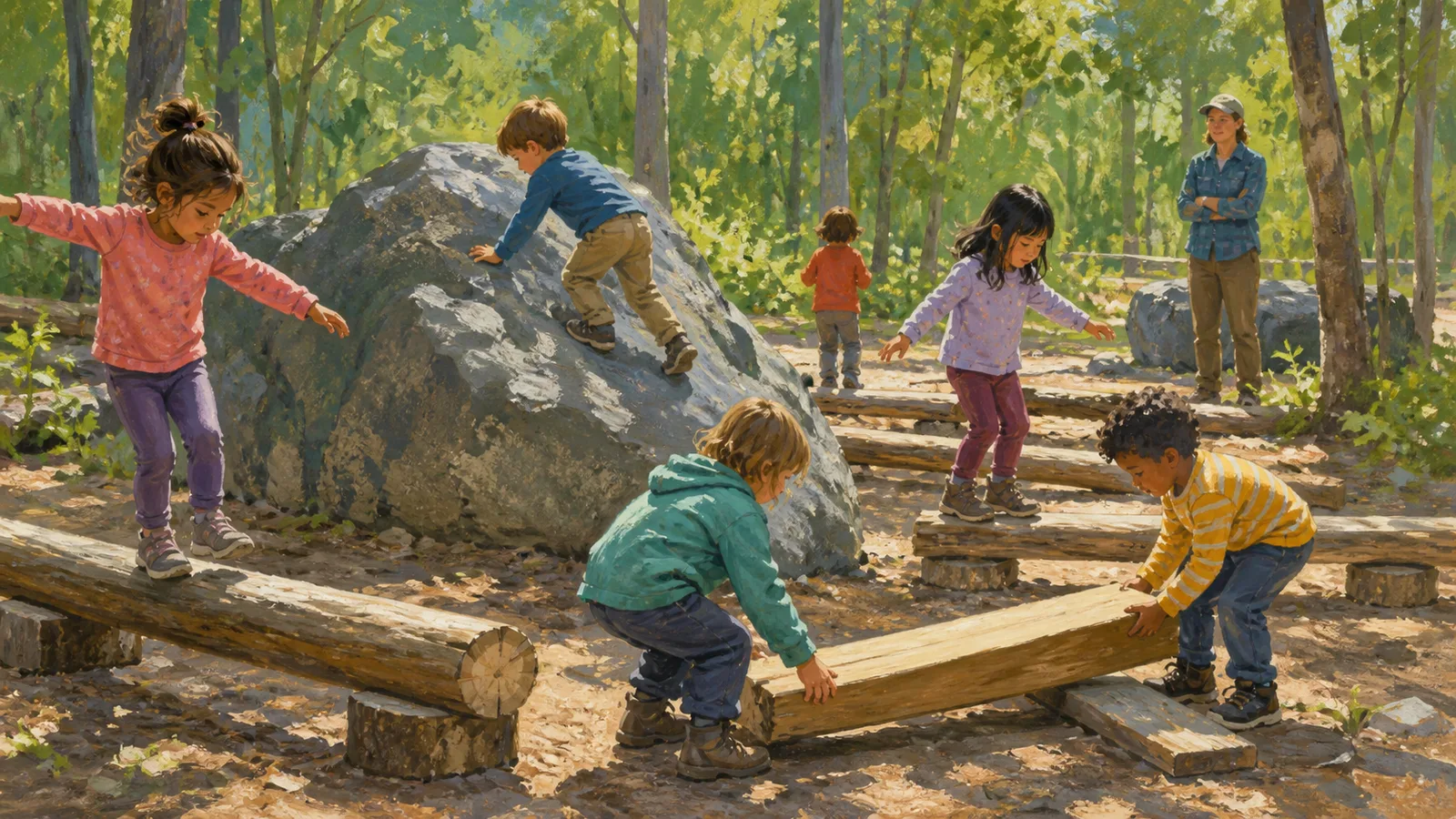
Understand risky play without romanticizing danger: distinguish visible challenge from hidden hazard, tune consequences, and know when adults should intervene.
Run a preschool nature hunt with observation prompts, movement, sound, accessibility adaptations, and leave-what-you-find boundaries.
The complete collection
27 research-informed guides and play ideas
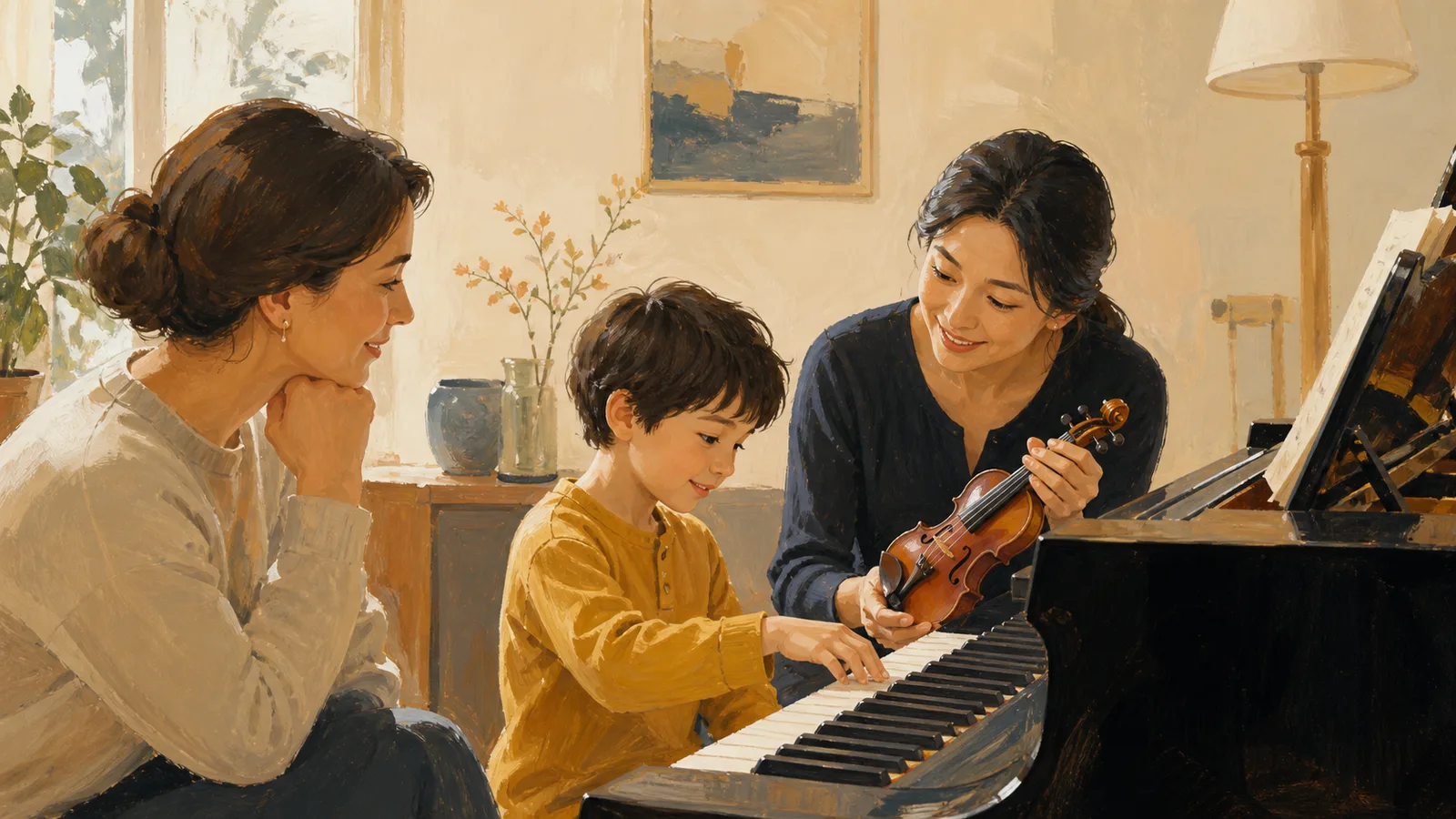
Decide between private lessons, group music, and more informal exploration by checking interest, communication, physical fit, repetition, logistics, and teacher fit.
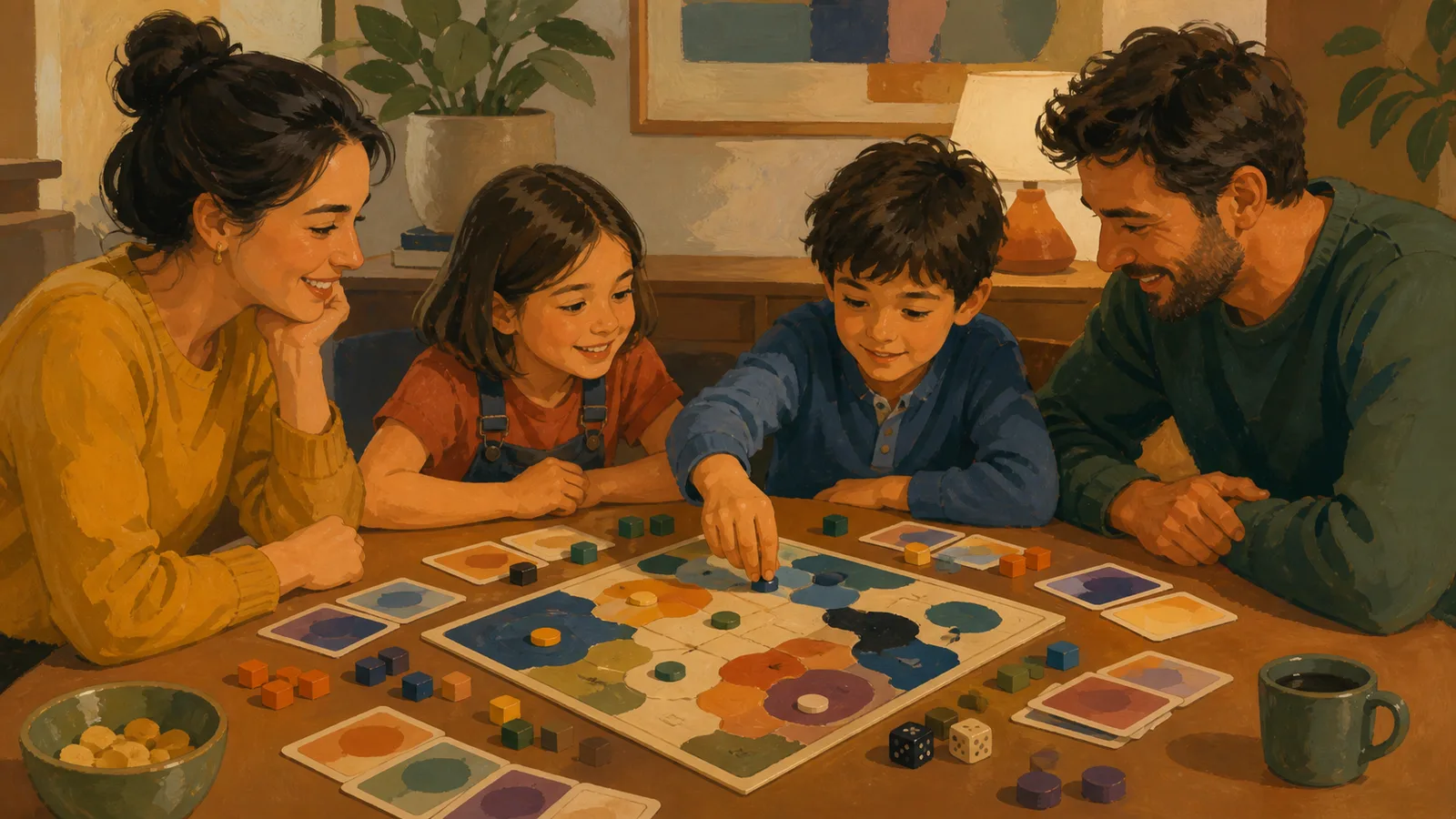
Understand what board games actually let children practice, how to choose a playable game for ages 8+, and where learning claims exceed the evidence.
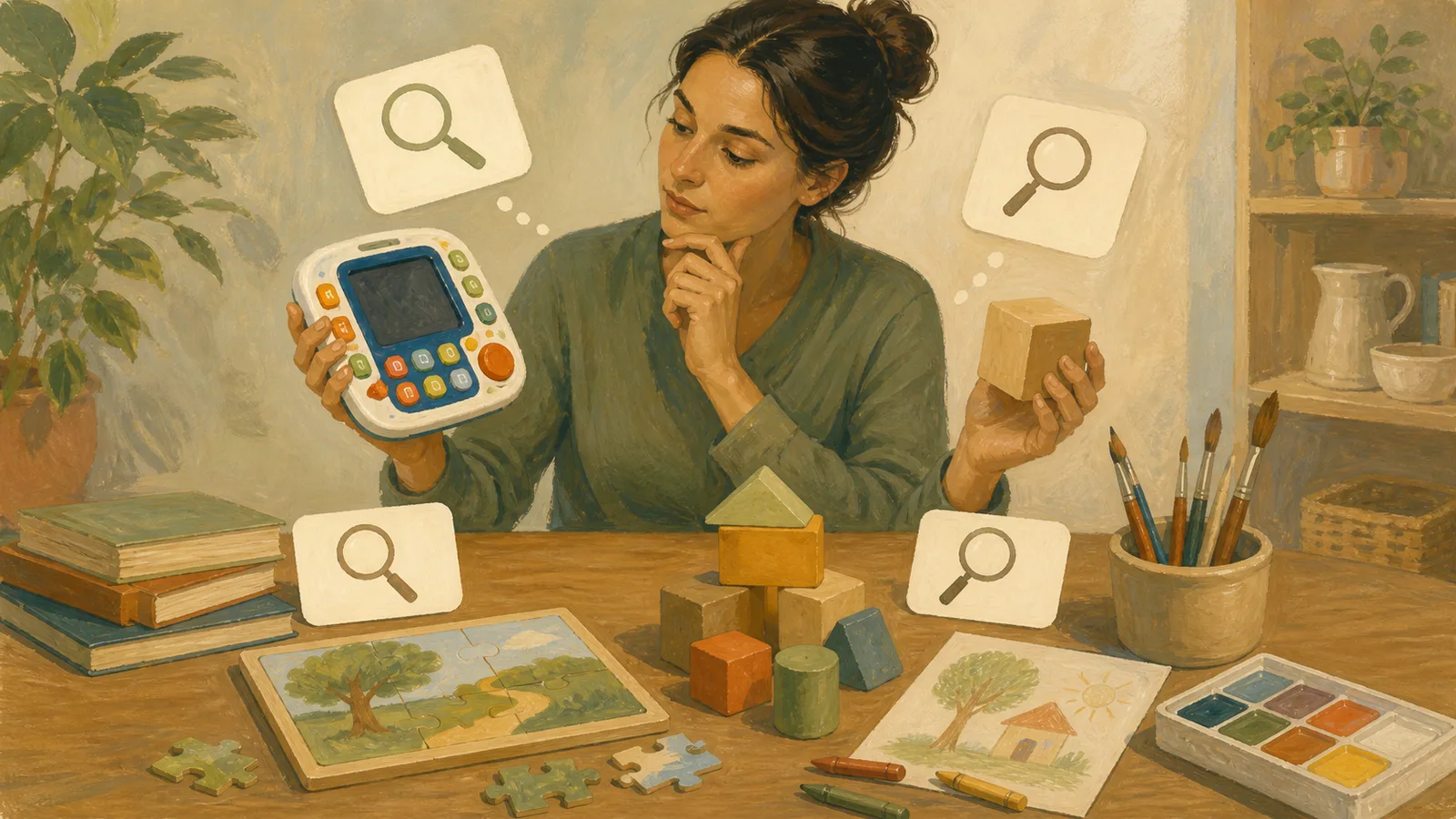
Evaluate educational, STEM, Montessori, brain, language, and app-connected toy claims by matching each promise to evidence and real play actions.
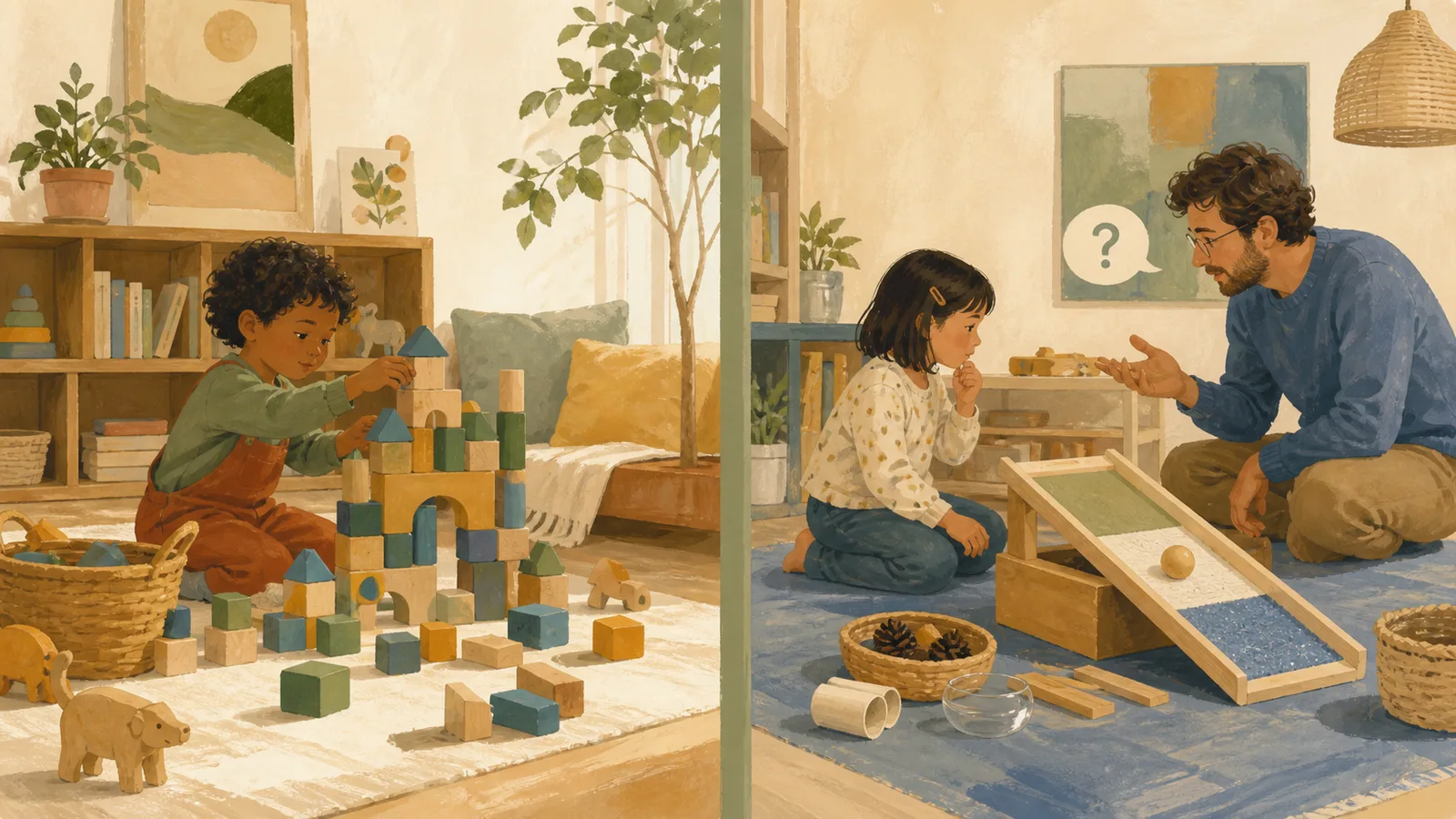
Compare child-led free play, guided play, and direct instruction with practical examples, decision points, and an honest reading of the evidence.
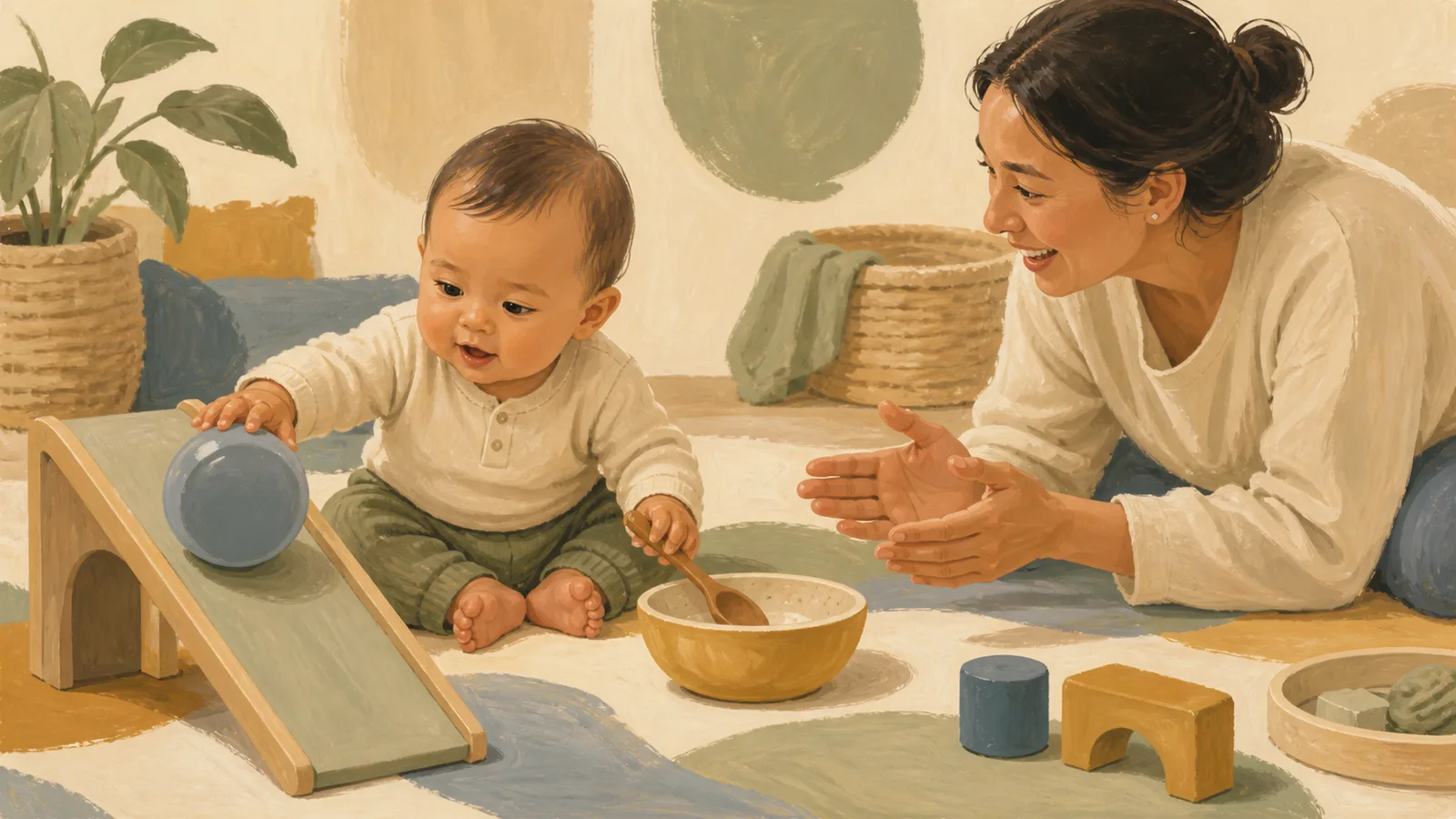
See how babies discover action and response through people, movement, sound, dropping, rolling, and simple toys—without needing a bank of flashing buttons.
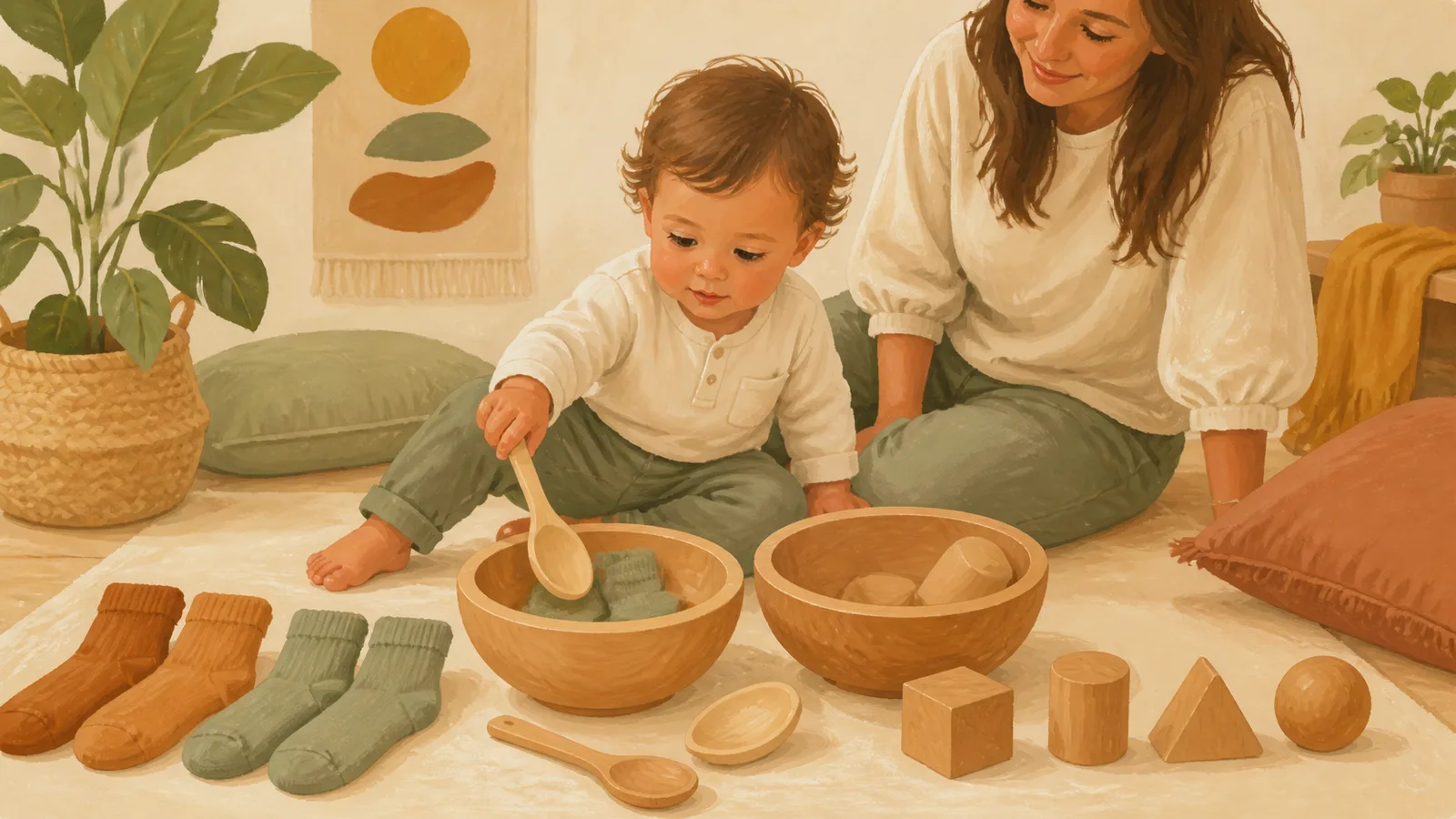
Make matching and sorting manageable from 12–24 months by separating visual, language, memory, and motor demands—and starting with obvious real objects.
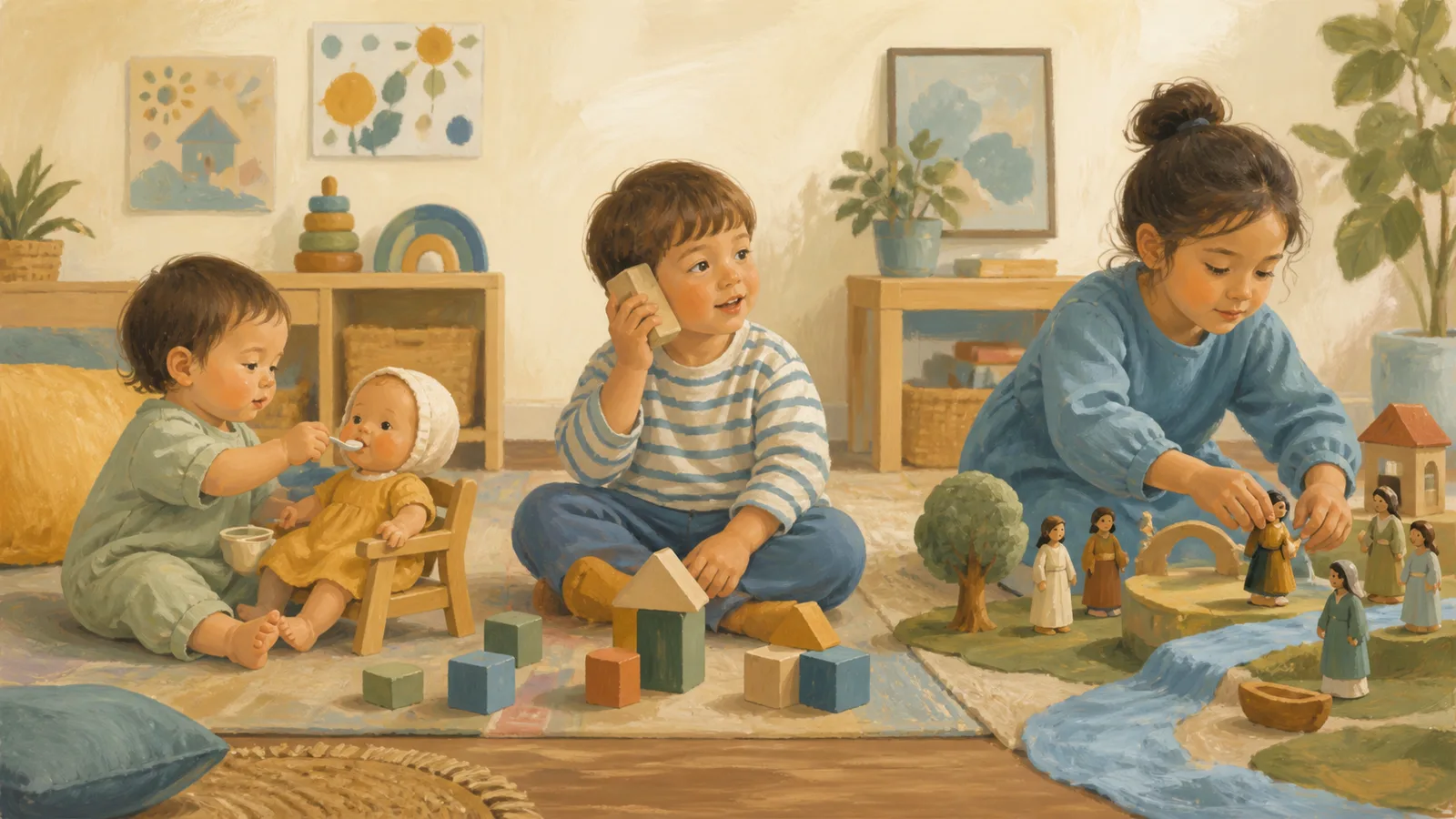
Recognize how pretend play changes through actions, object substitution, sequences, roles, planning, and shared stories—without a rigid age checklist.
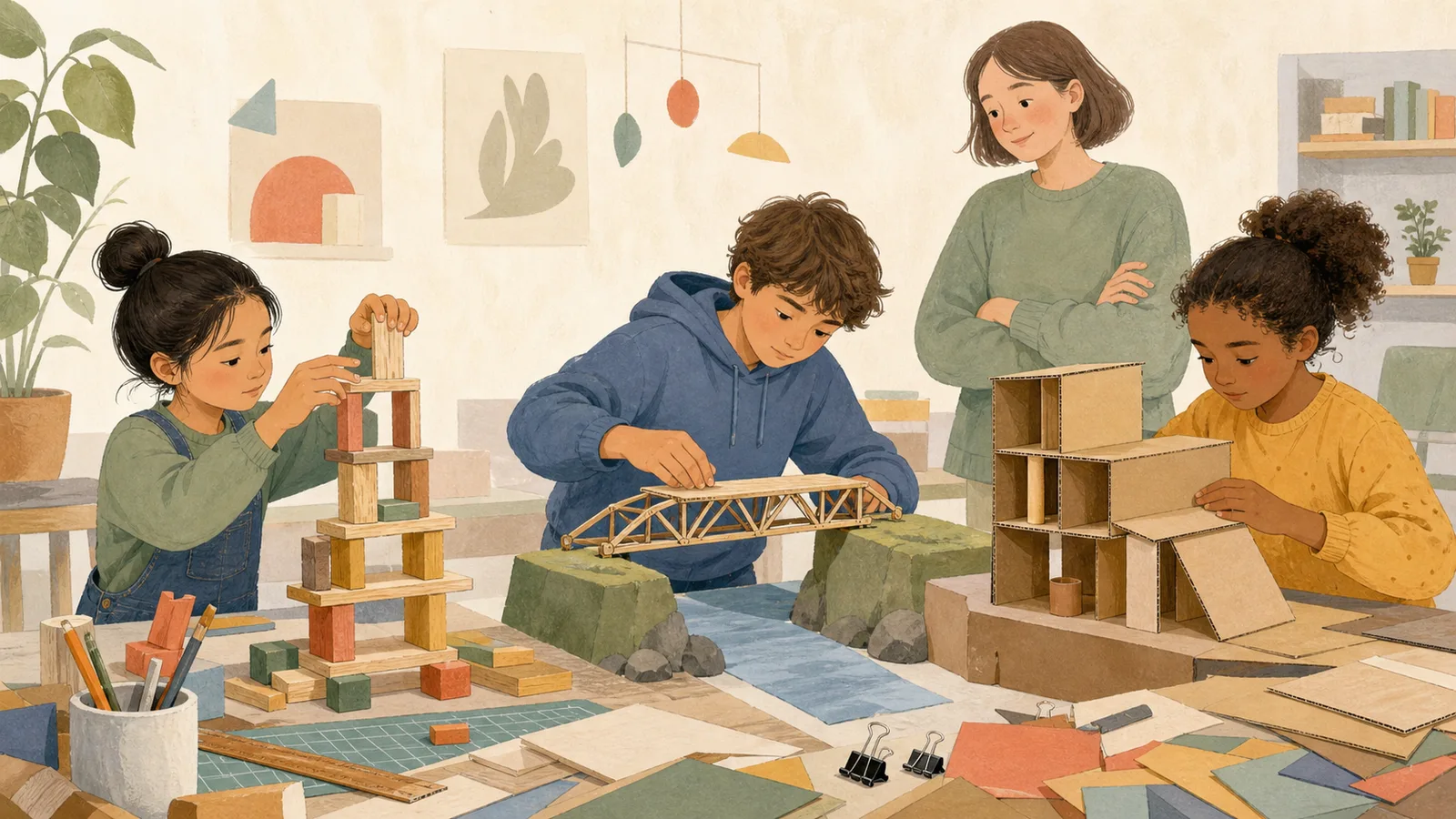
Scale construction play by changing materials, constraints, tests, and independence—from toddler stacking to older children’s structural design.
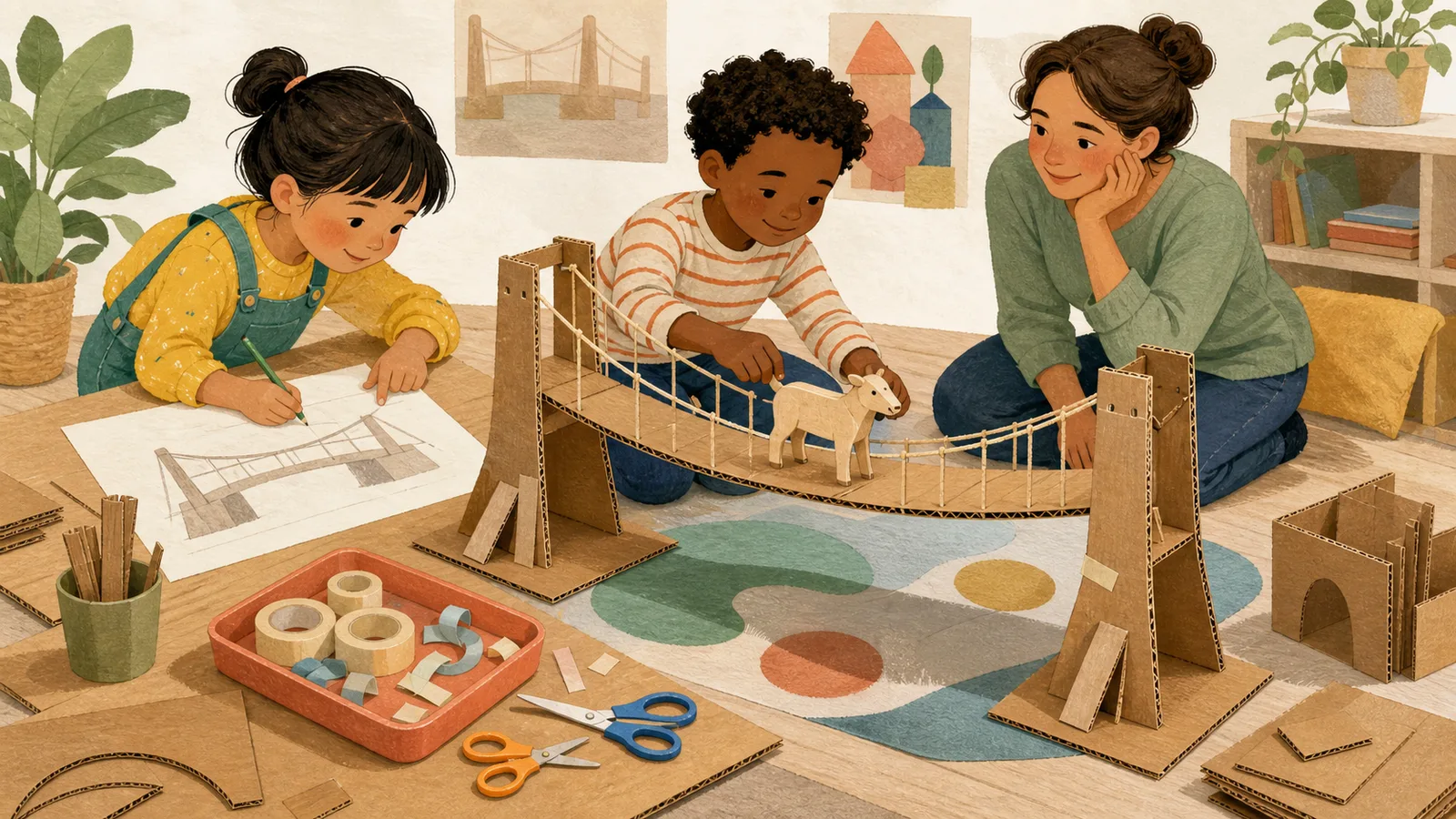
Six cardboard design problems for ages five to seven, with safer tool roles, useful constraints, simple tests, and room to rebuild.
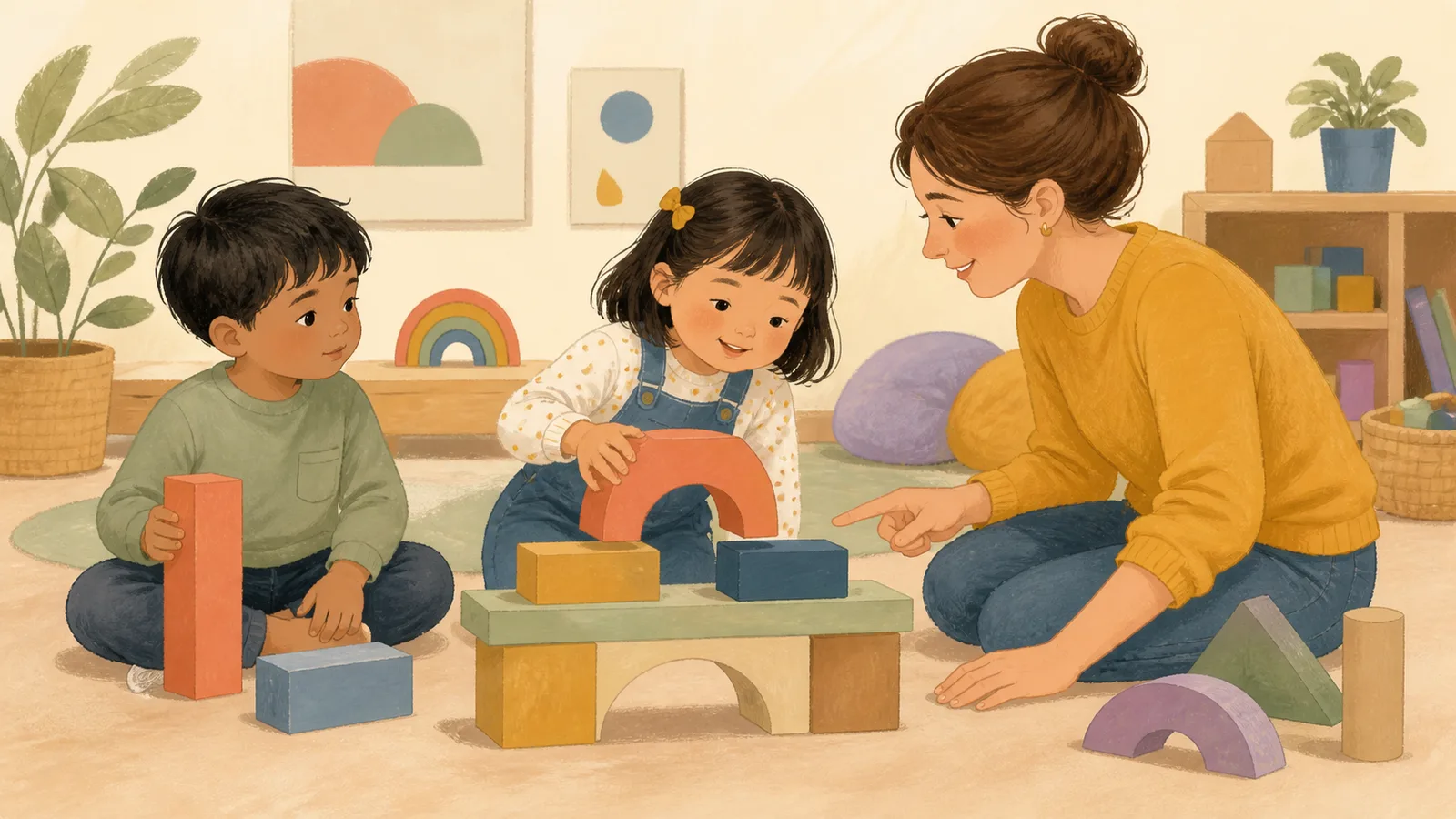
Use words such as under, beside, tall, curved, turn, and fit when they clarify what a child is already building—without testing every shape.
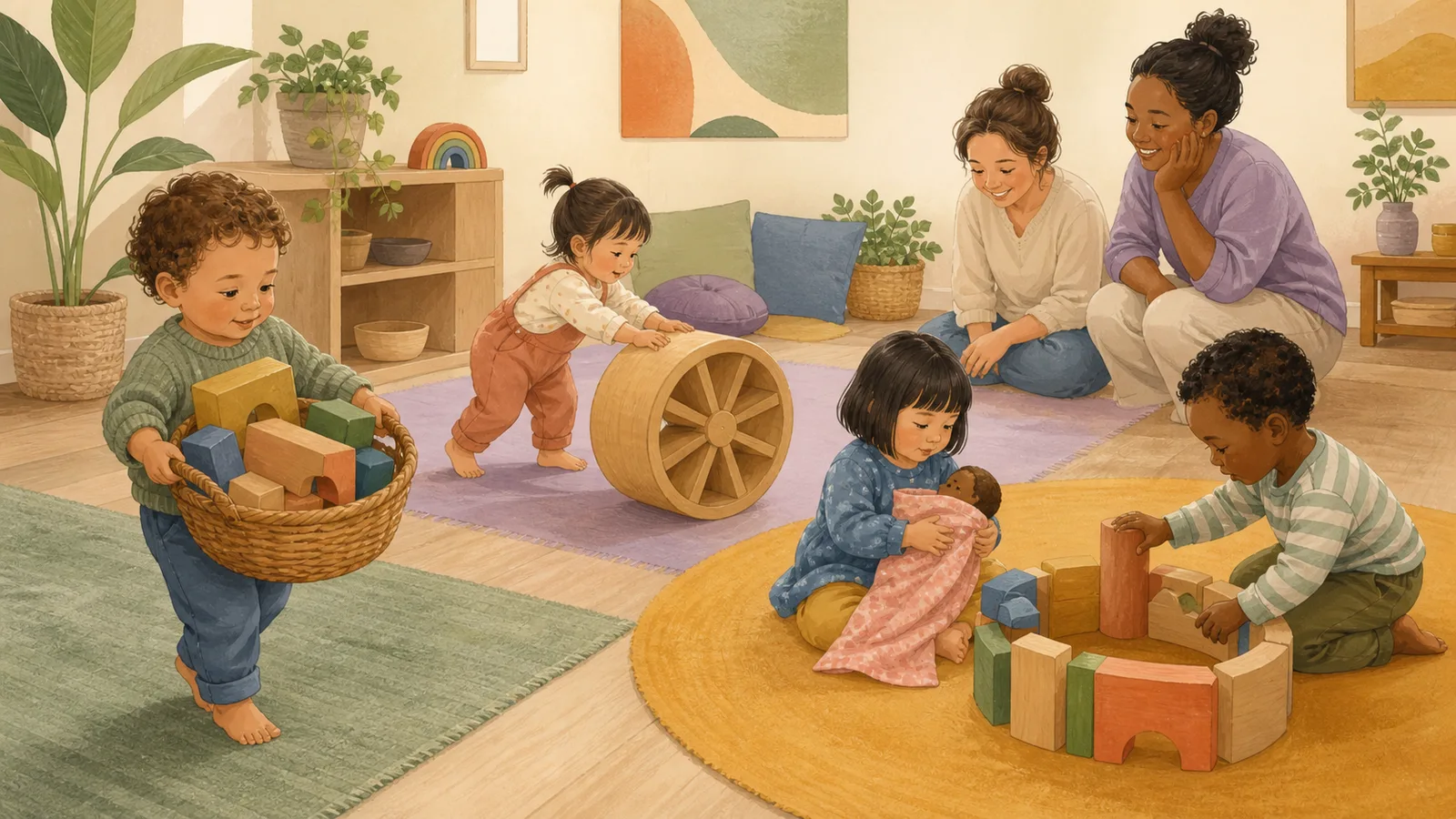
A plain-language guide to transporting, trajectory, rotation, enclosing, and other repeated play patterns—with safer ways to support the action.
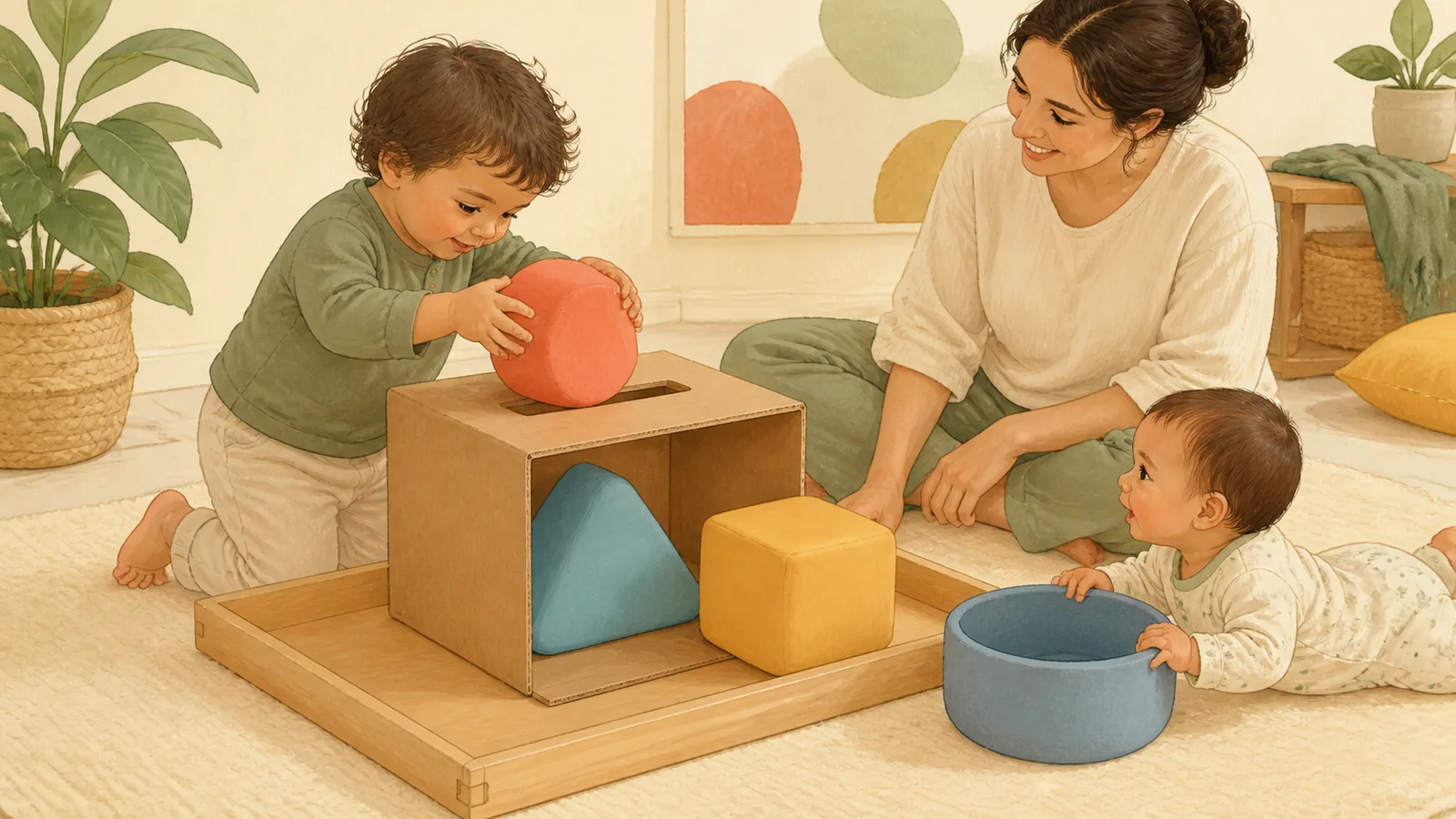
Start with filling and dumping, then adjust openings, objects, and visibility as a child becomes ready for more precise posting play.
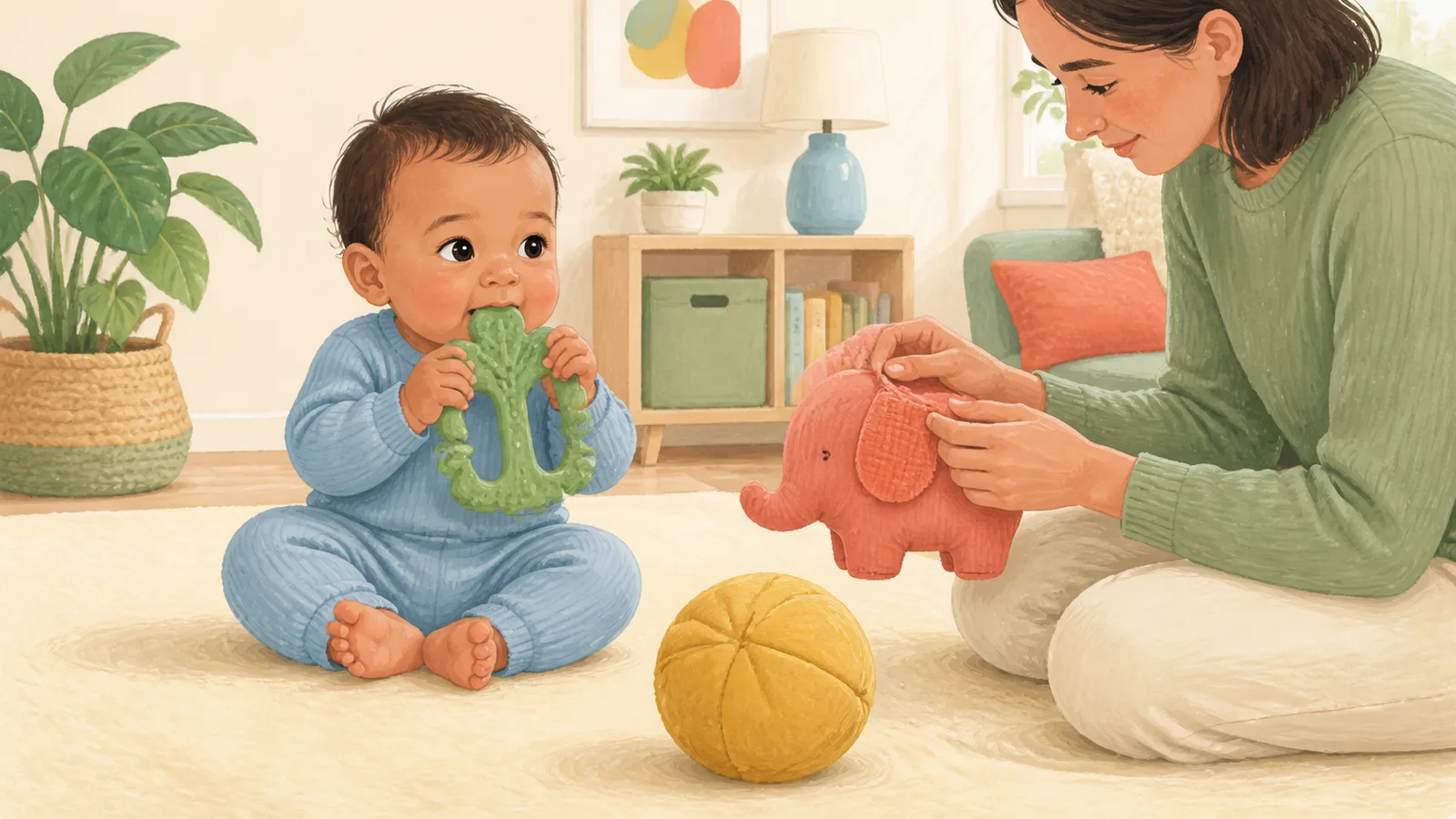
Mouthing is a normal part of infant object exploration, not always a teething signal. Learn what babies may be doing and how to create a safer set of things they can explore.
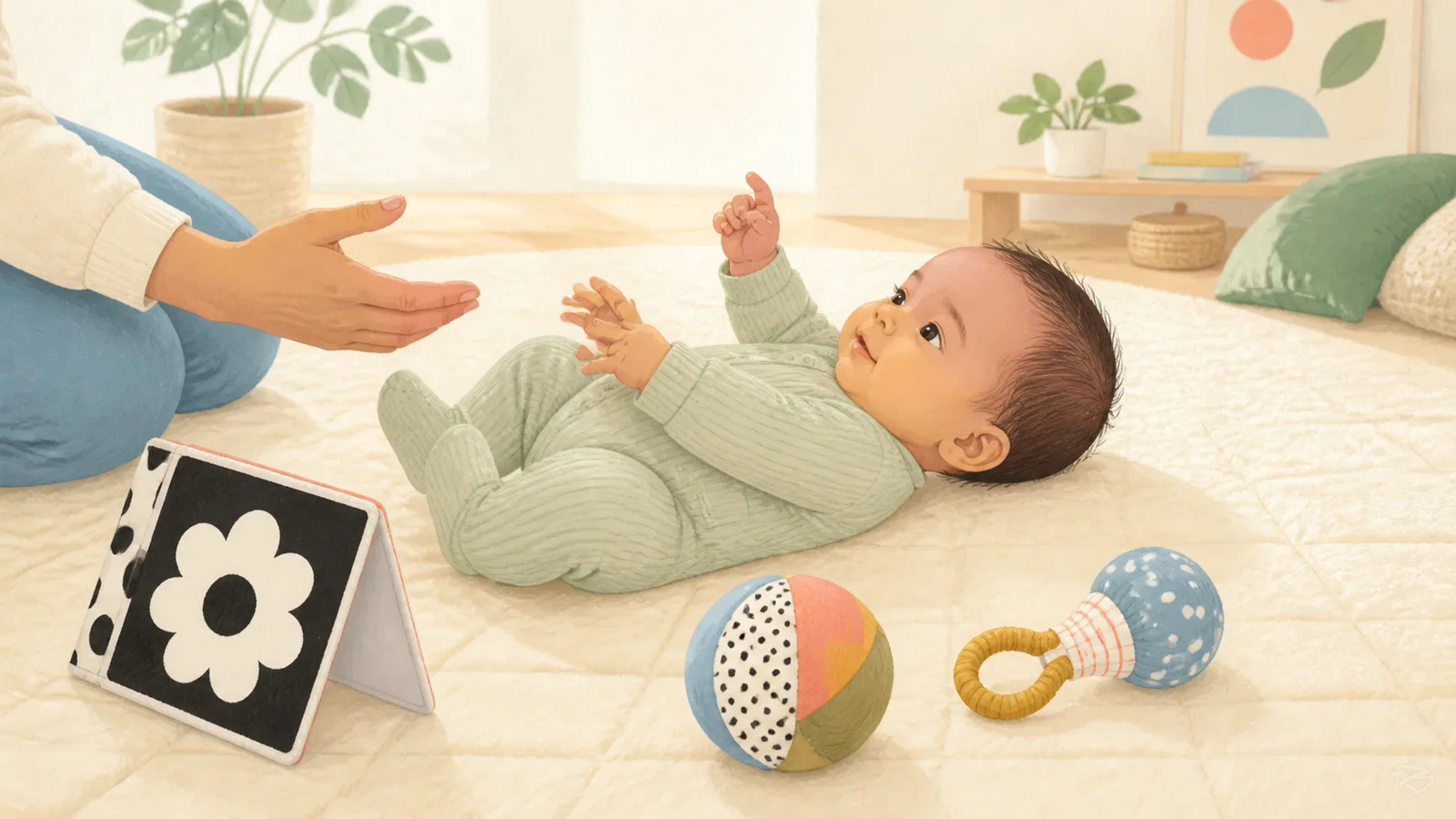
Choose useful first toys without milestone pressure. This guide explains what babies may enjoy from birth to six months, what to skip, and how to inspect every toy safely.
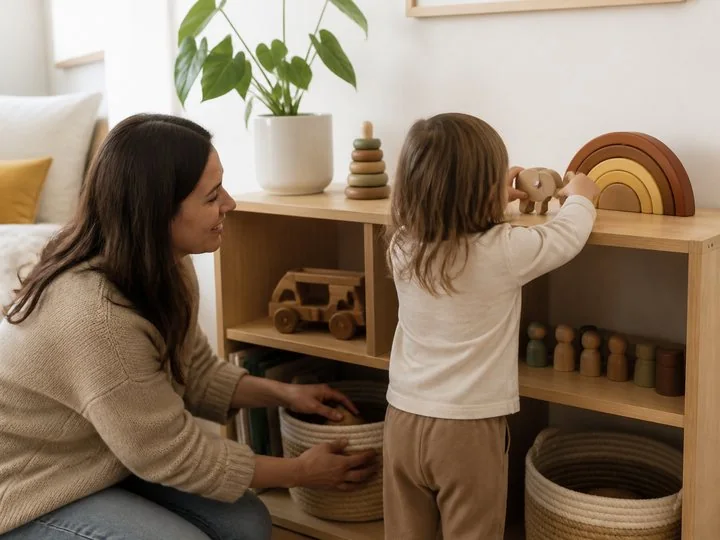
A practical toy rotation system for toddlers and preschoolers, including how many toys to offer, what to keep out, and what the research really shows.
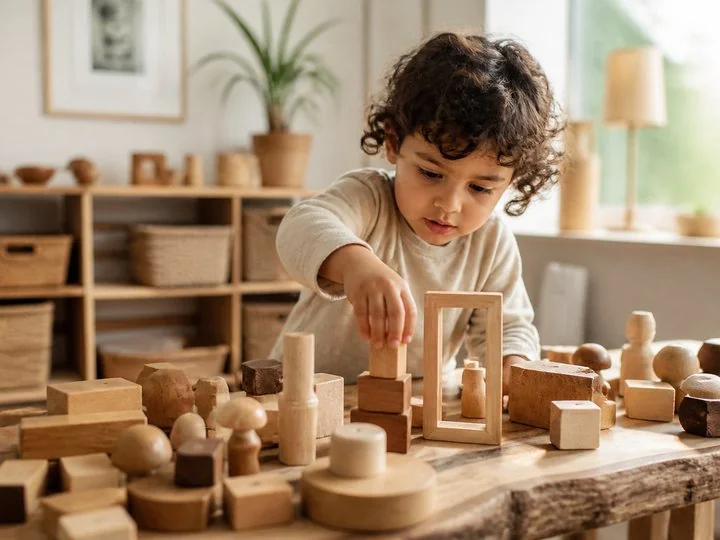
A research-aware guide to open-ended toys, with age-by-age examples, comparisons, evidence limits, and practical ways to support flexible play.
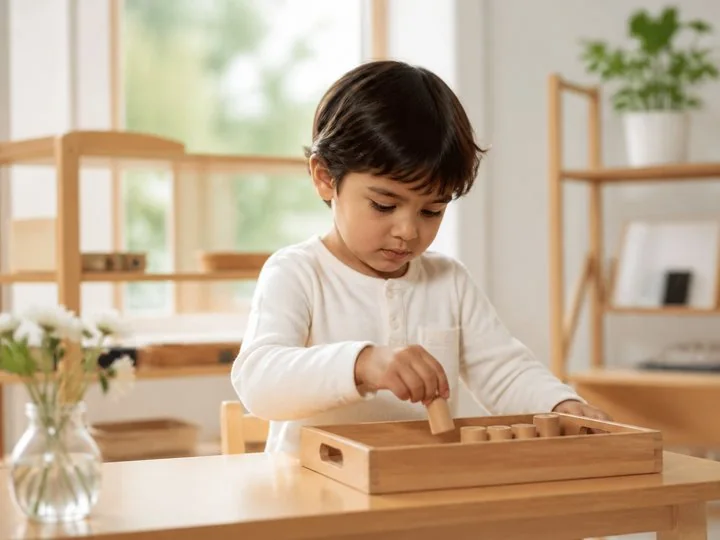
A practical, research-aware guide to helping toddlers and preschoolers begin and sustain play while keeping connection and realistic expectations at the center.
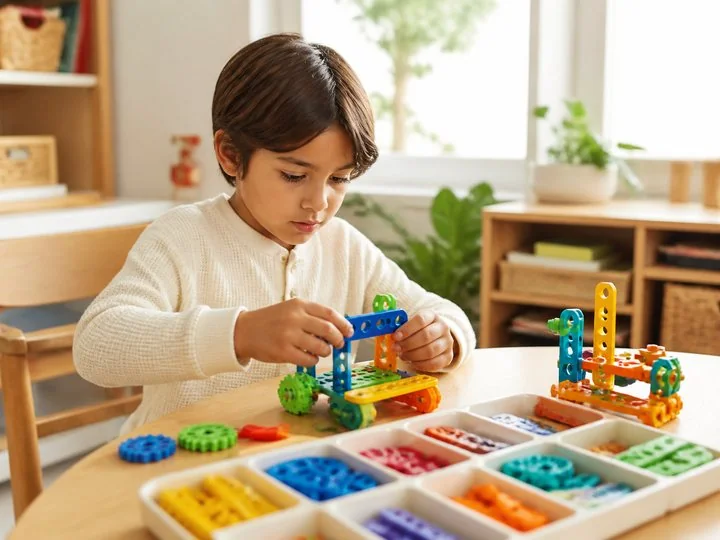
Low-prep STEAM challenges for preschoolers and school-age children, with age adaptations, useful questions, safety notes, and a simple design cycle.
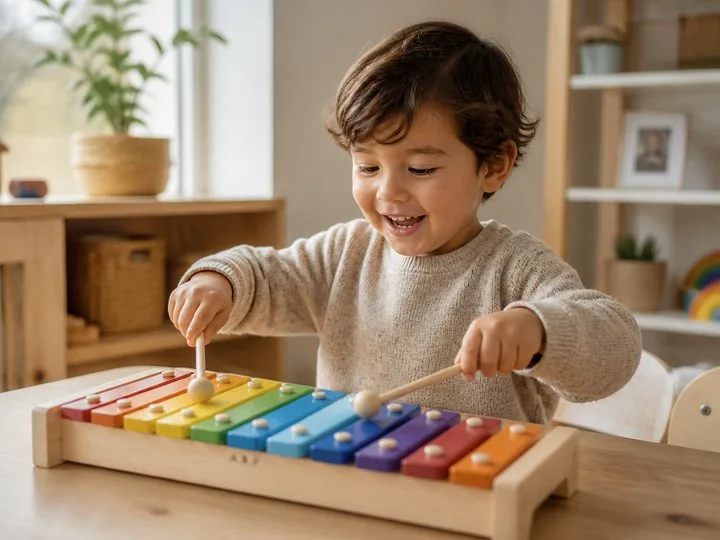
Playful preschool music activities for rhythm, listening, movement, and making, with low-noise adaptations and evidence-aware hearing guidance.
Helpful context
No. Conversation, movement, nature, blocks, paper, and household objects can support rich learning.