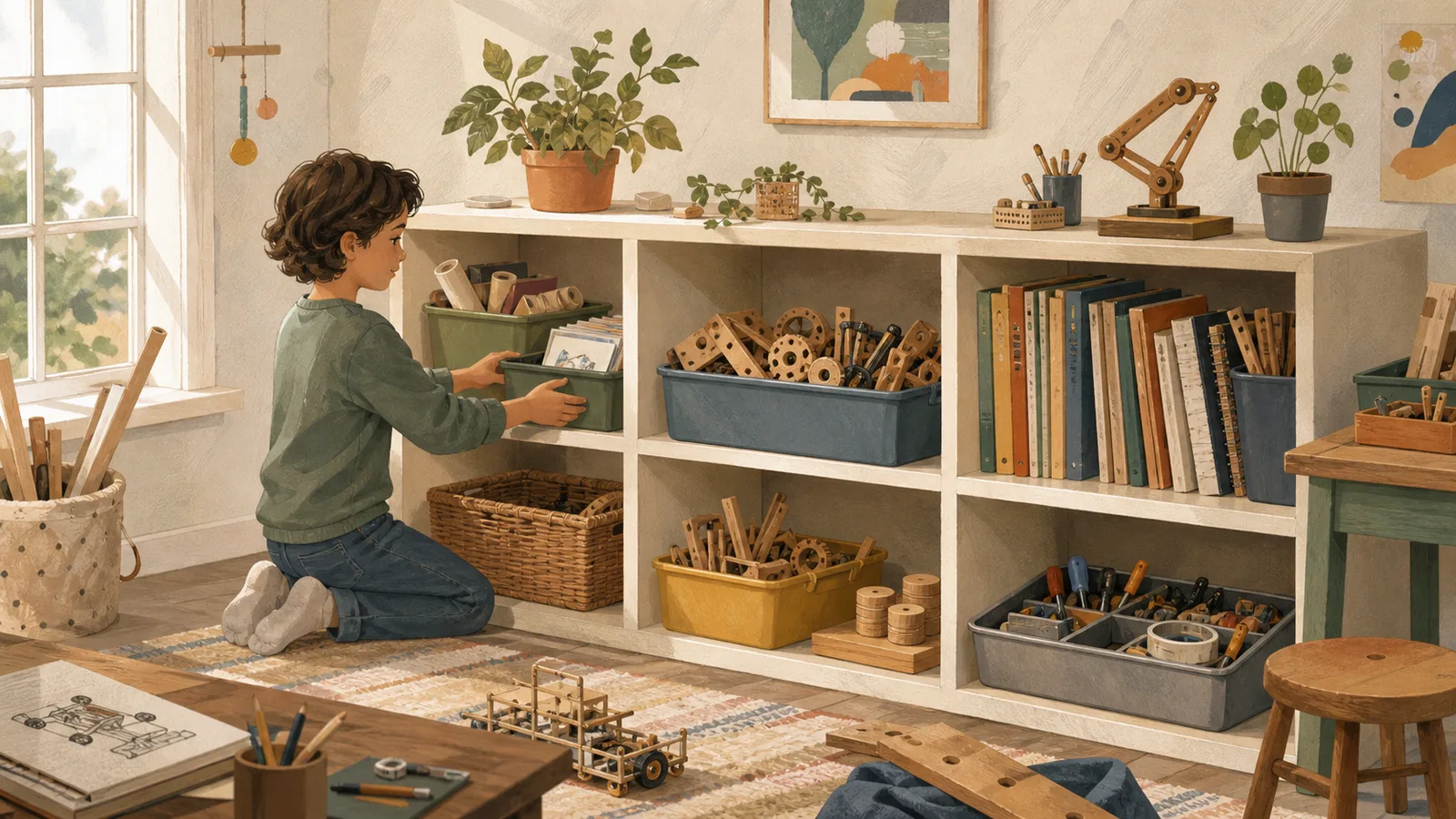
Learn · Play Ideas
What to Do When an Older Child Says Every Toy Is Boring
Diagnose “toy boredom” by changing play form, social context, challenge, choice load, energy, or access before buying more—and know when broader concerns matter.
By Age
Deeper projects, maker skills, strategy, outdoor independence, and creativity beyond the toy box.
Older children still need play, even when it looks more like making, collecting, performing, designing, or mastering a new skill. This hub highlights projects and guides that respect growing competence without turning every interest into a lesson. Expect thoughtful tools, longer-form challenges, social play, outdoor ideas, and ways to keep imagination present as tastes become more individual.
Start here
Diagnose “toy boredom” by changing play form, social context, challenge, choice load, energy, or access before buying more—and know when broader concerns matter.
Try something today

Try safer household investigations with ramps, paper, ice, shadows, floating objects, and sound—each built around one variable and observable evidence.
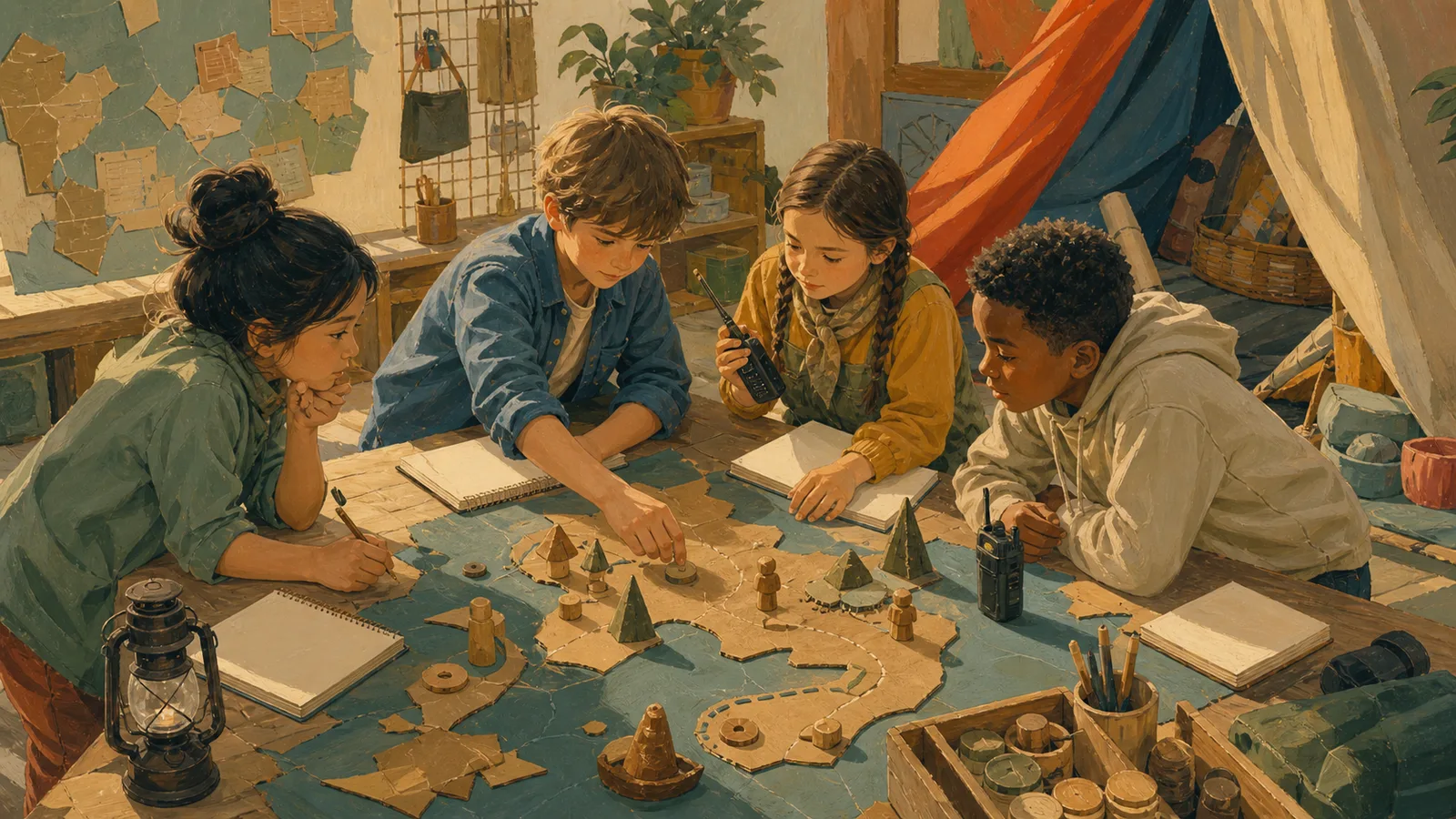
Offer age-respectful missions, roles, resources, and worlds for children 8+—including solo, quiet, mixed-age, and low-prop options.
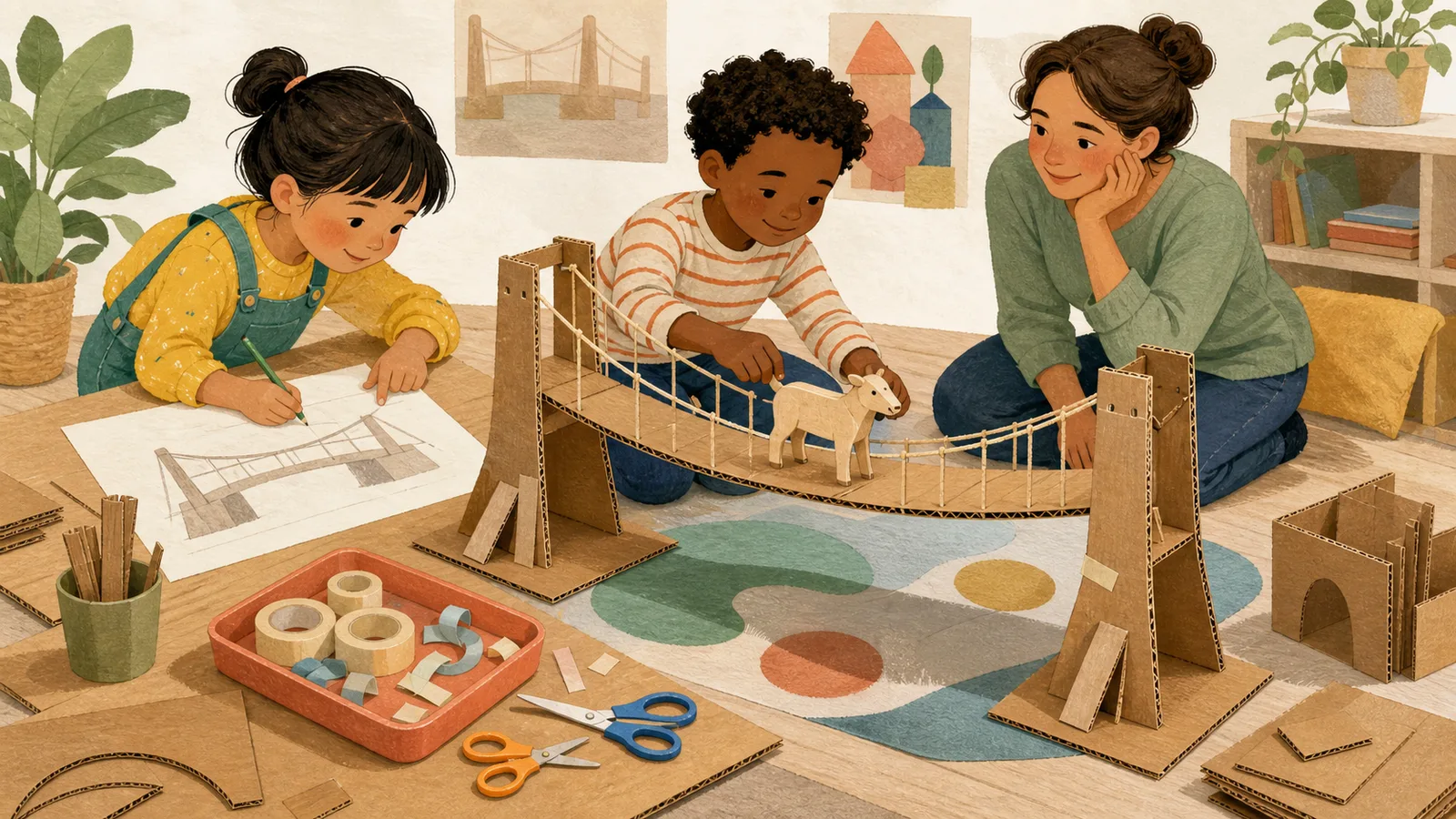
Six cardboard design problems for ages five to seven, with safer tool roles, useful constraints, simple tests, and room to rebuild.
Growing through play

Build an after-school transition around food, movement, quiet, connection, or making—without diagnosing ordinary behavior or forcing immediate conversation.
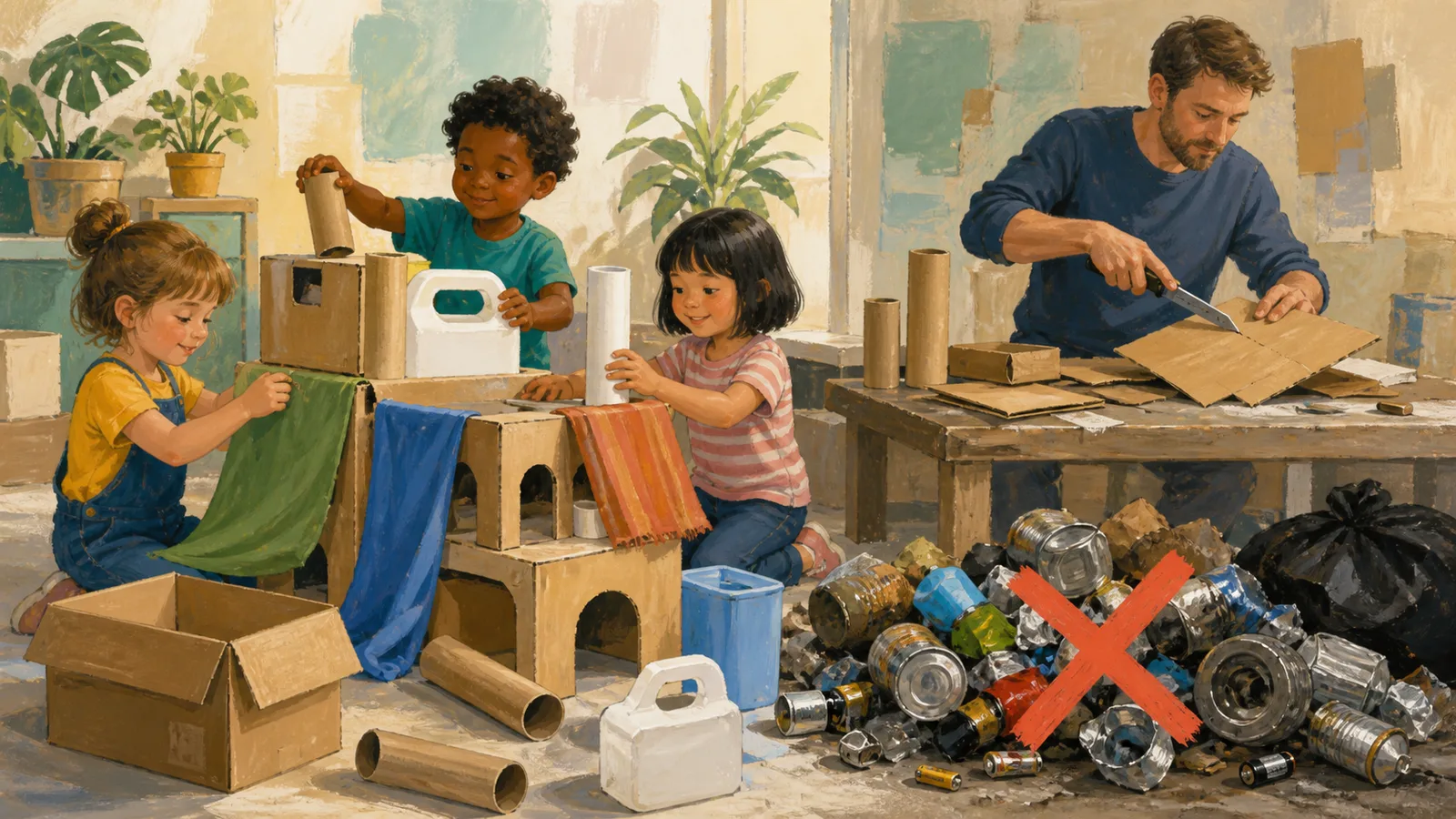
Build a safer recycled-material maker bin by screening packaging for residue, staples, sharp edges, coatings, cords, small parts, batteries, and magnets.
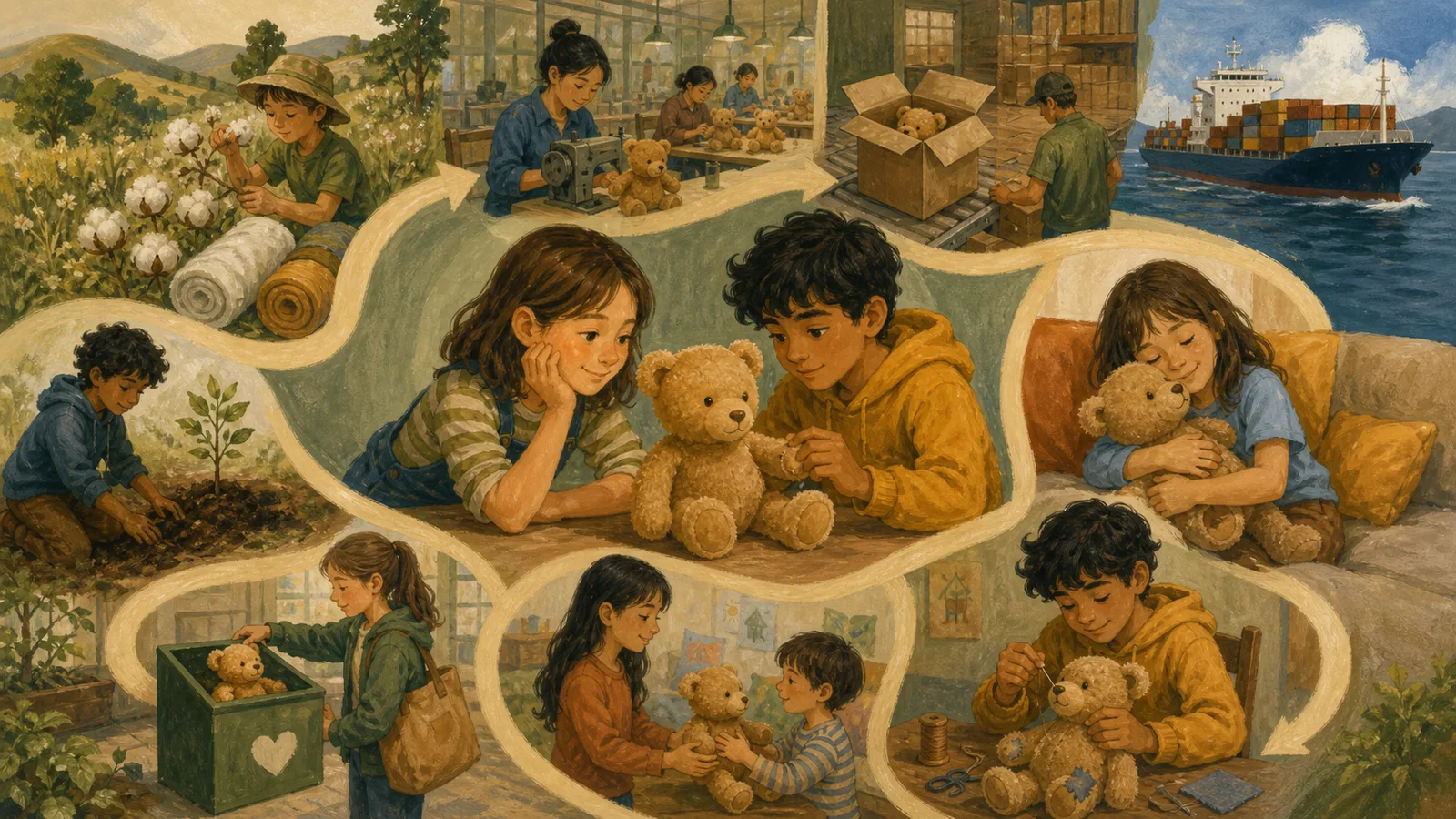
Trace a toy through materials, manufacturing, packaging, transport, play, repair, reuse, and end of life while learning which sustainability questions need evidence.
Keep exploring
A practical way to check whether modular roads, tracks, buildings, landscapes, and figures can form a stable, usable shared play scene.
A practical mixed-age plan for using, checking, cleaning up, and storing magnetic toys while reducing younger siblings’ access.

How to decide whether lights, sounds, and moving features extend construction play or add noise, maintenance, and distraction.
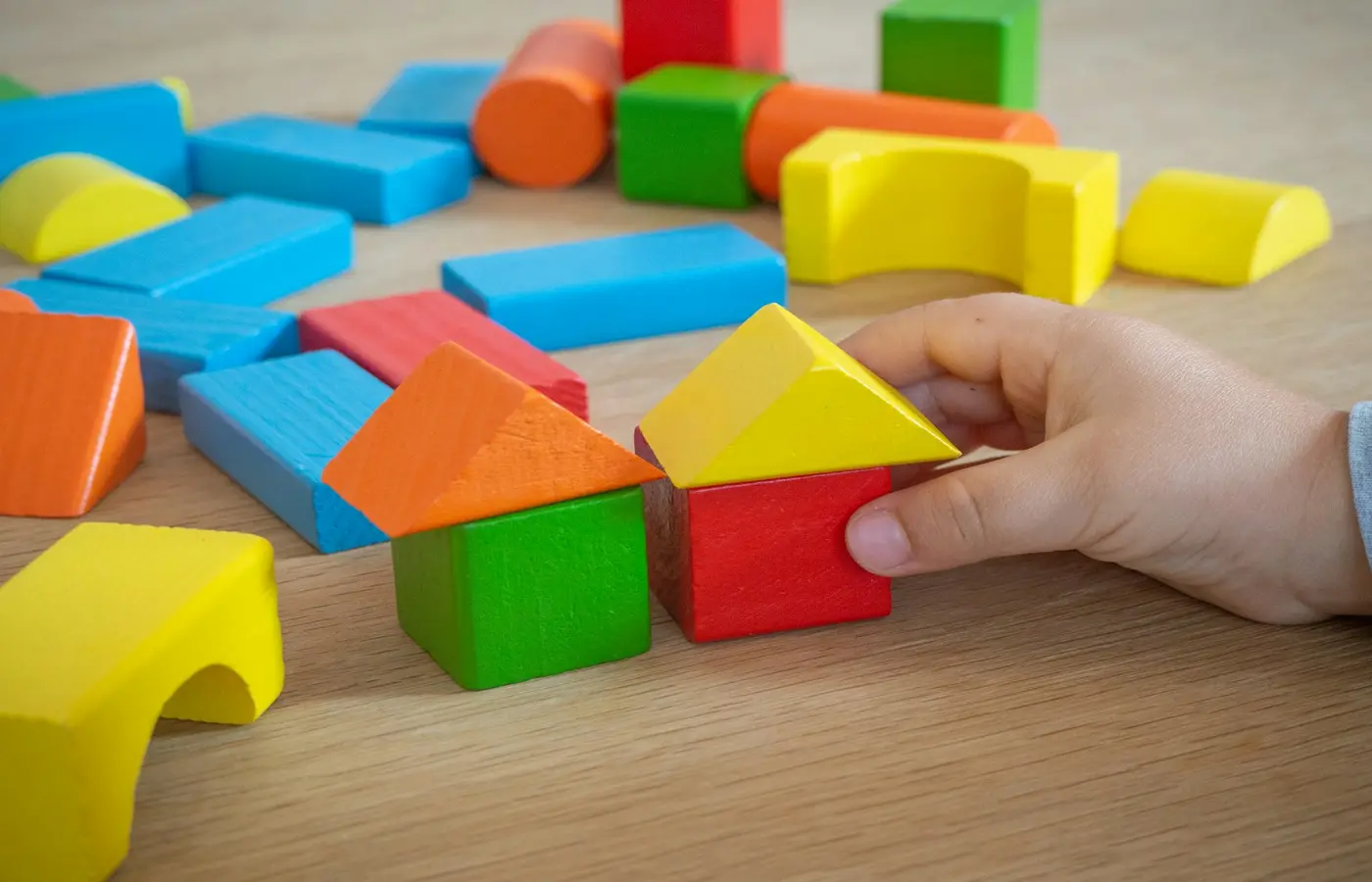
Learn how to tell whether a familiar toy still invites new play, needs a different setup, or is ready to be passed on safely.
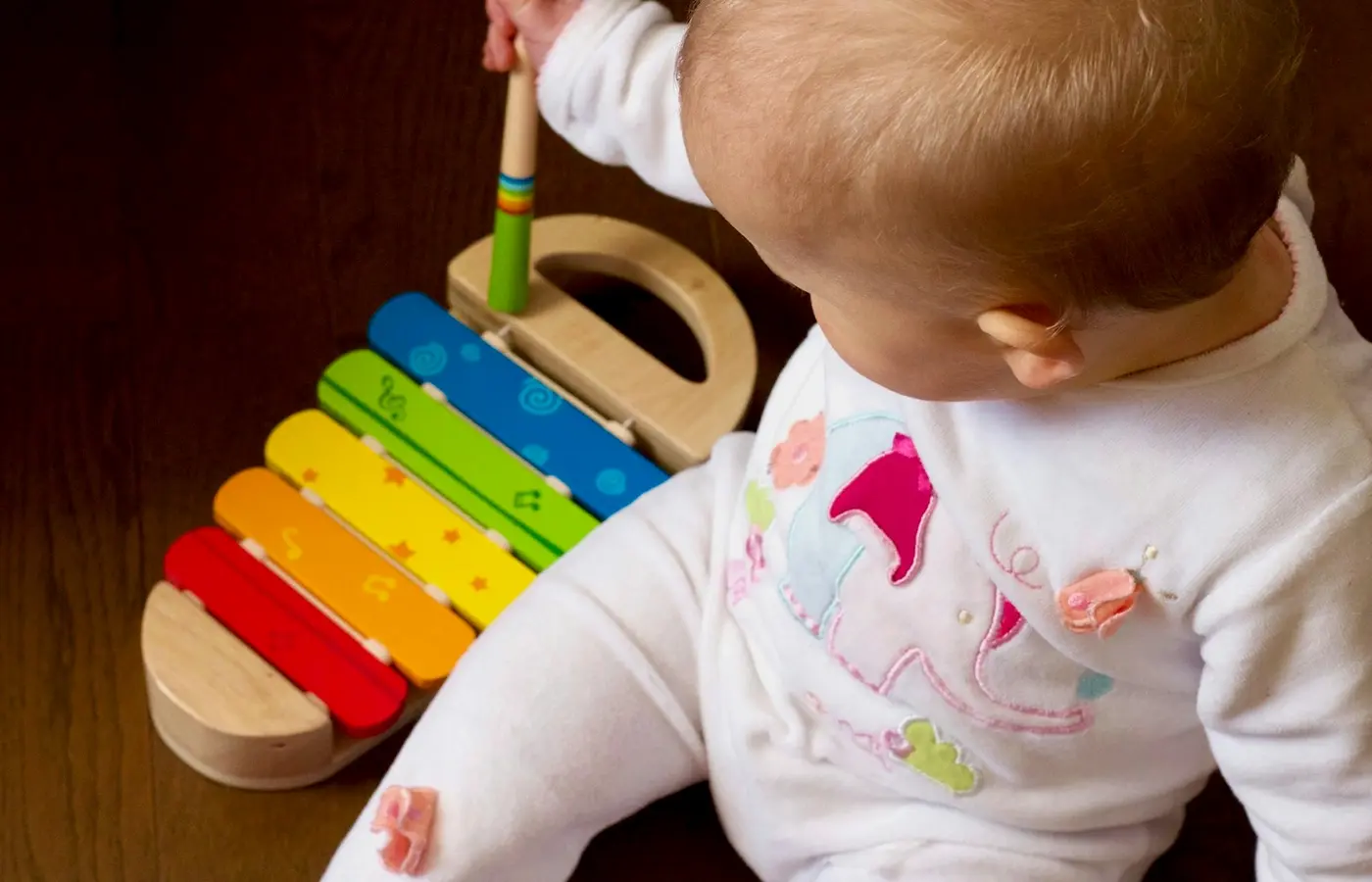
A practical comparison of app-connected and offline toys, including setup, Wi-Fi, privacy, subscriptions, charging, and everyday use.
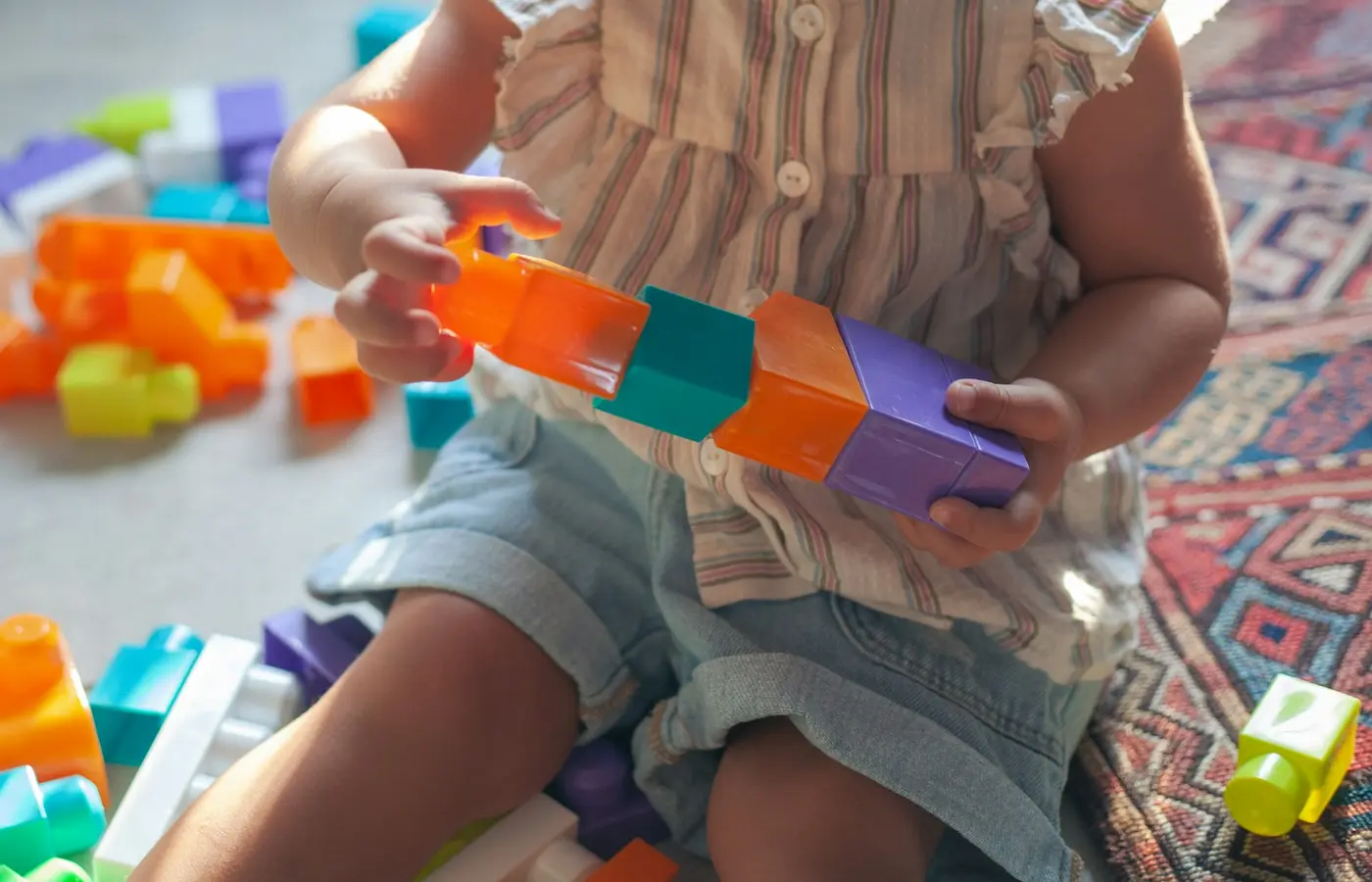
Choose building sets for two children by checking piece access, build format, age warnings, workspace, storage, and likely sources of friction.
The complete collection
33 research-informed guides and play ideas
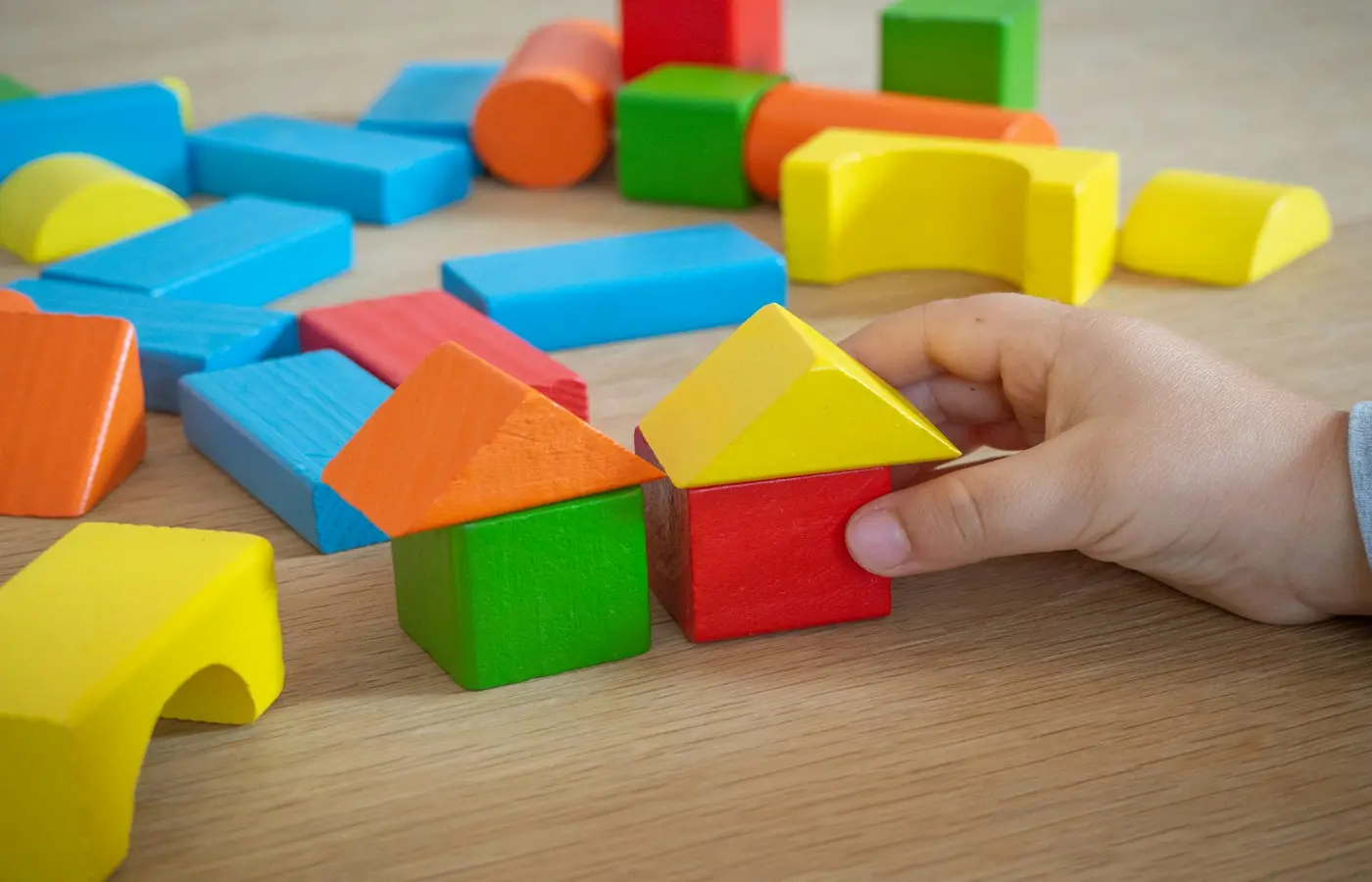
Choose big building sets for kids by age fit, piece usability, rebuildability, storage, compatibility, frustration, and supervision—not piece count.

A cautious, low-moisture routine for cleaning magnetic play pieces, drying them fully, and removing damaged pieces from play.

A safety-first guide to choosing, using, checking, and storing magnetic toys when babies, toddlers, or children who mouth objects share the home.

Use this practical inspection process to check a secondhand toy’s identity, age label, parts, damage, batteries, magnets, recalls, and cleaning limits.
A practical guide to checking offline play, privacy, subscriptions, device support, charging, and repeat value before choosing a connected toy.
Publication is on hold until official sources verify age grading, small-parts, magnet, battery, projectile, and recall guidance.
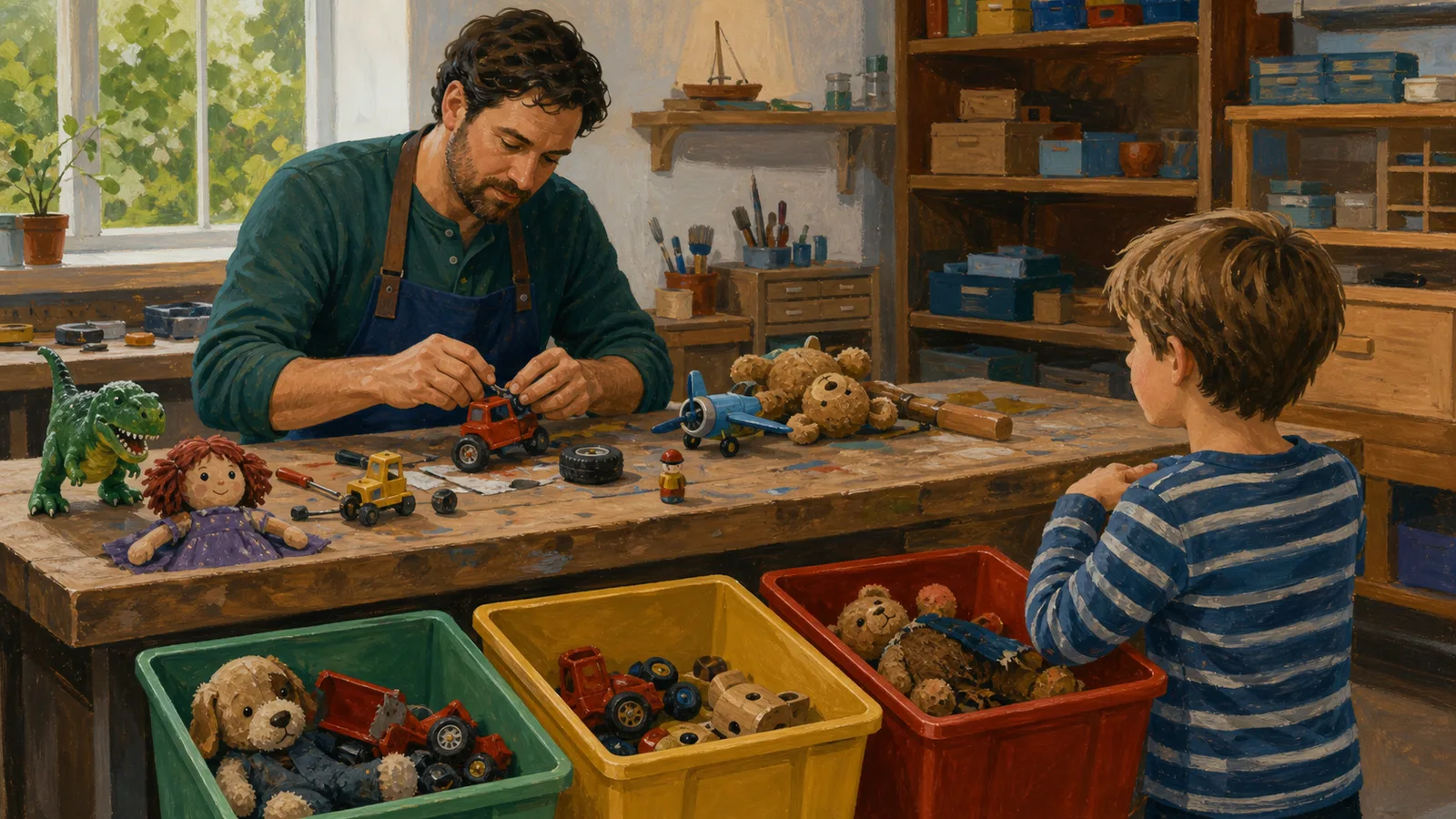
Decide whether a broken toy can return to play by triaging cosmetic, structural, battery, magnet, electrical, coating, hygiene, and recall failures.

Decide when a child can play outside or travel a familiar route with less supervision using route, judgment, communication, law, rehearsal, and conditions.

Understand risky play without romanticizing danger: distinguish visible challenge from hidden hazard, tune consequences, and know when adults should intervene.
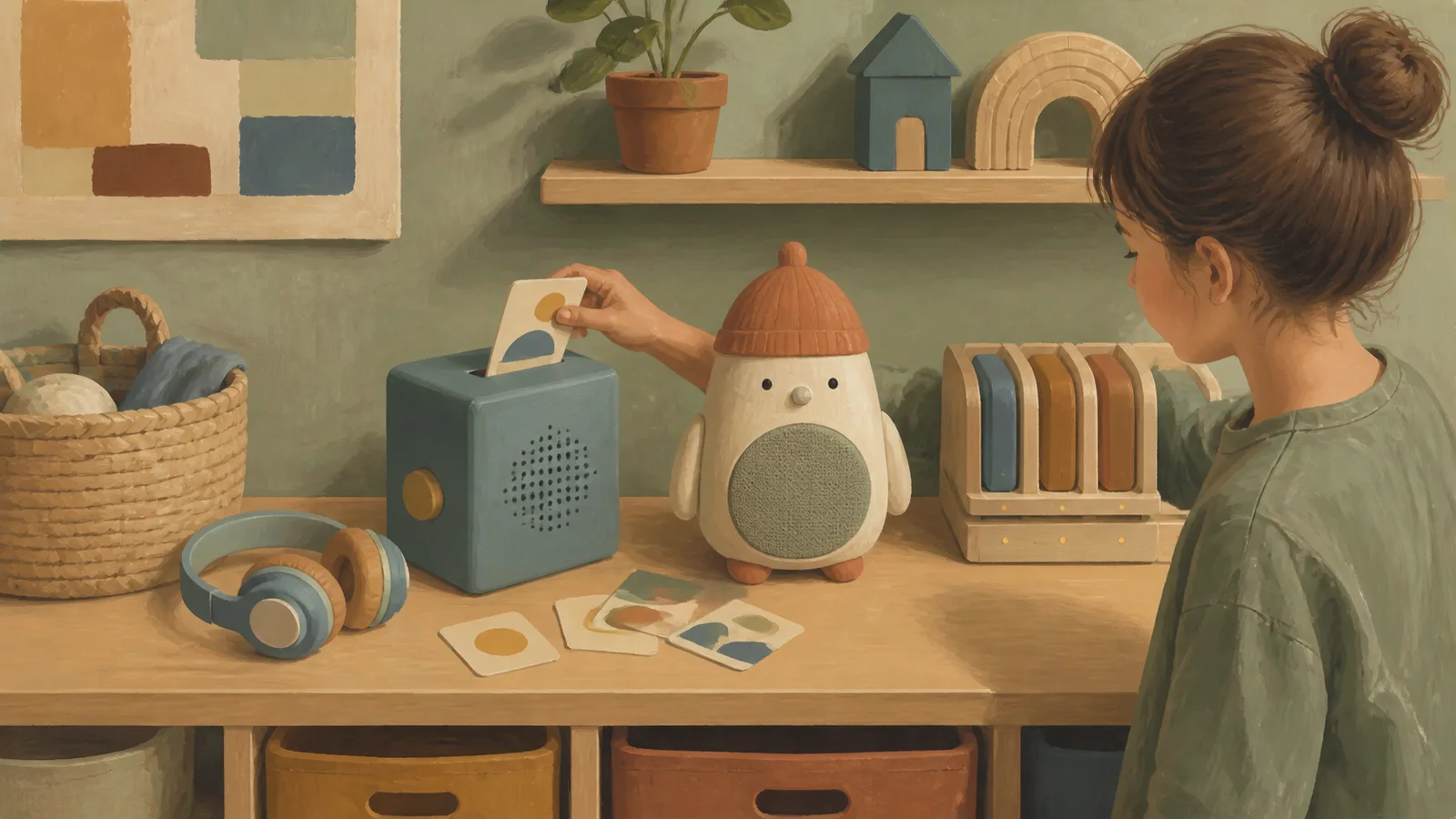
Compare card, figurine, library, Bluetooth, and DIY audio systems by age longevity, offline use, accounts, content cost, storage, charging, recall history, and hearing safety.

Decide between private lessons, group music, and more informal exploration by checking interest, communication, physical fit, repetition, logistics, and teacher fit.
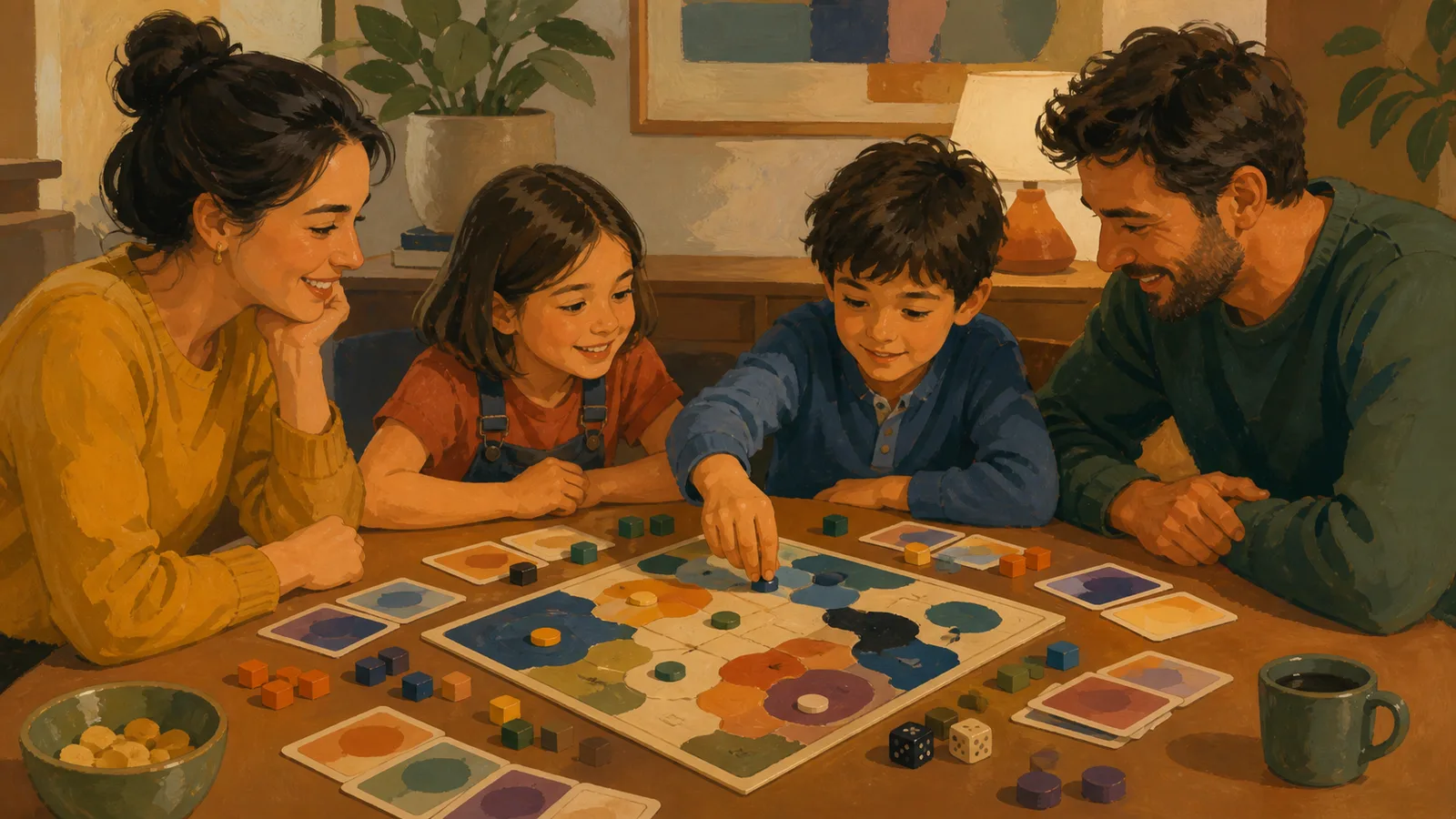
Understand what board games actually let children practice, how to choose a playable game for ages 8+, and where learning claims exceed the evidence.

Evaluate educational, STEM, Montessori, brain, language, and app-connected toy claims by matching each promise to evidence and real play actions.
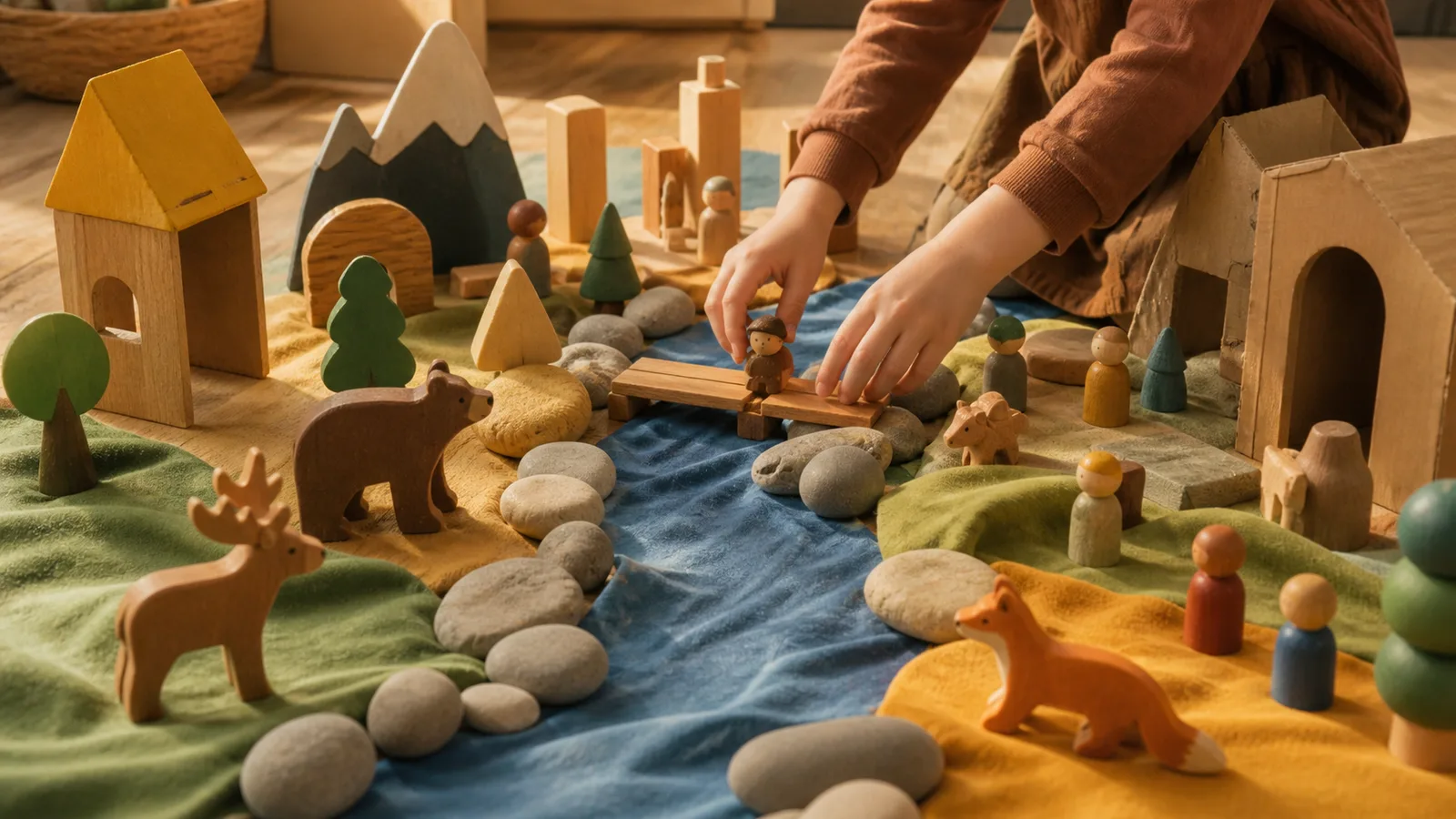
Build small worlds from a manageable cast, flexible terrain, and one story problem—with practical guidance on scale, storage, fillers, and safety.
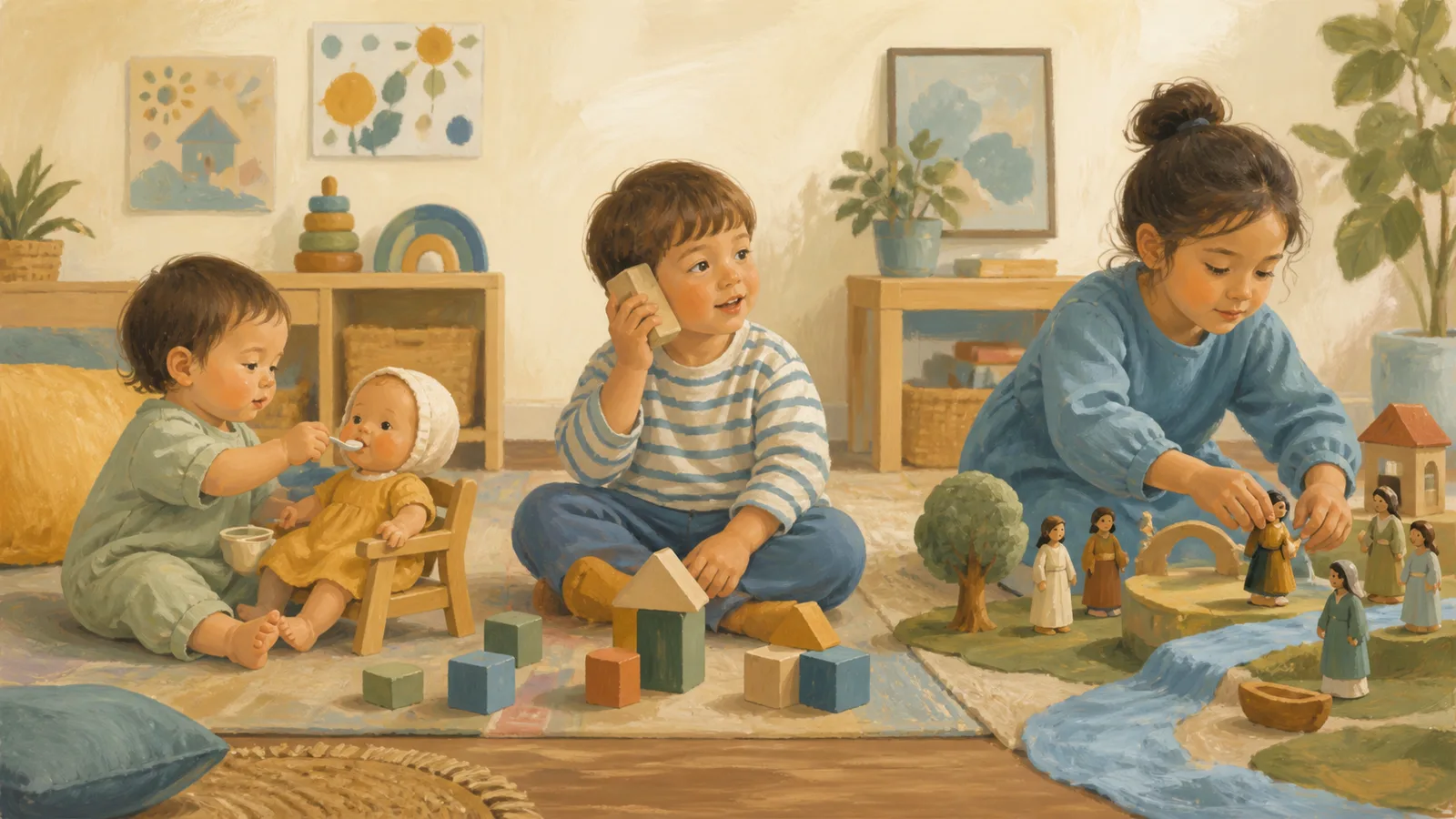
Recognize how pretend play changes through actions, object substitution, sequences, roles, planning, and shared stories—without a rigid age checklist.
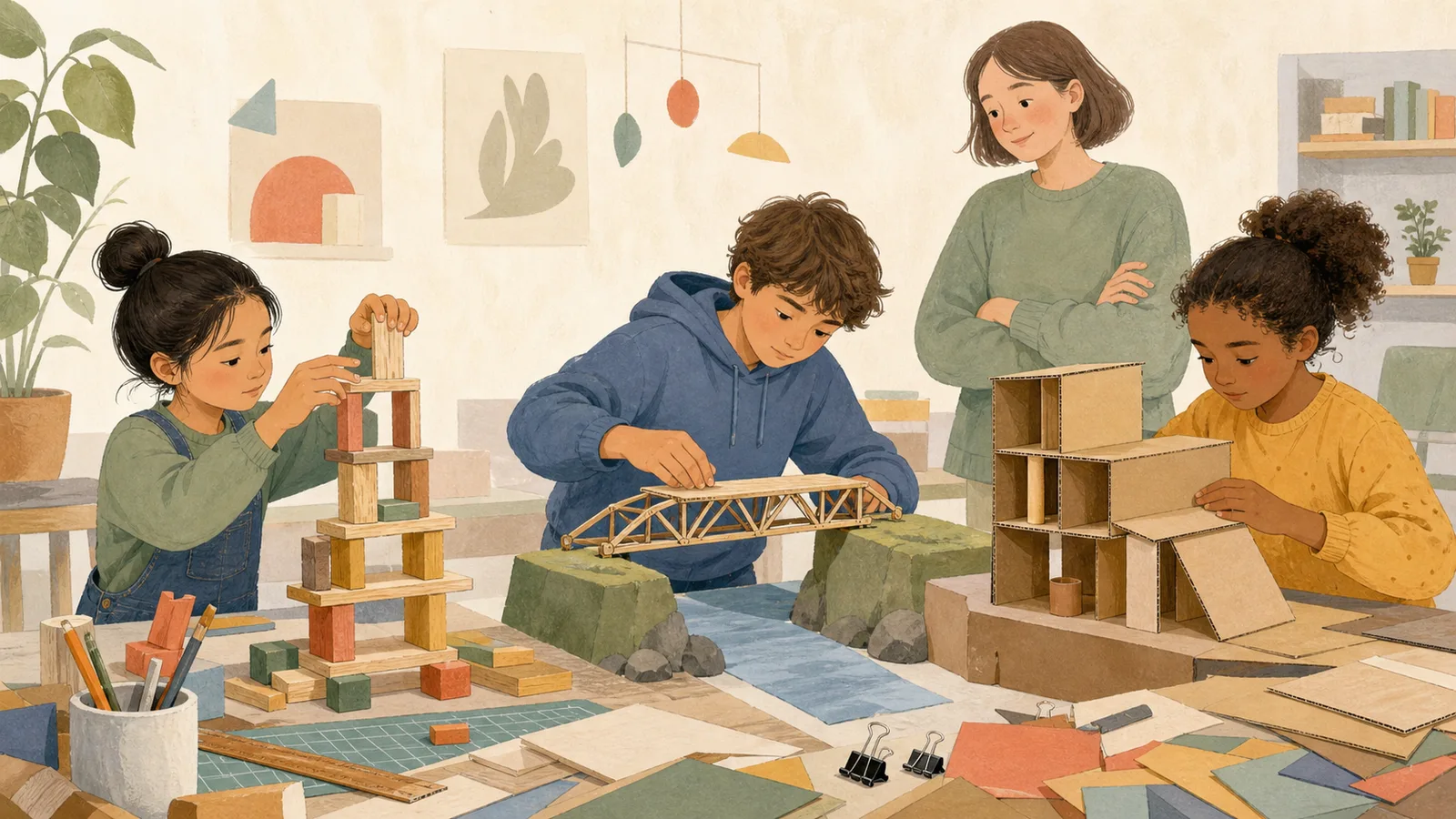
Scale construction play by changing materials, constraints, tests, and independence—from toddler stacking to older children’s structural design.
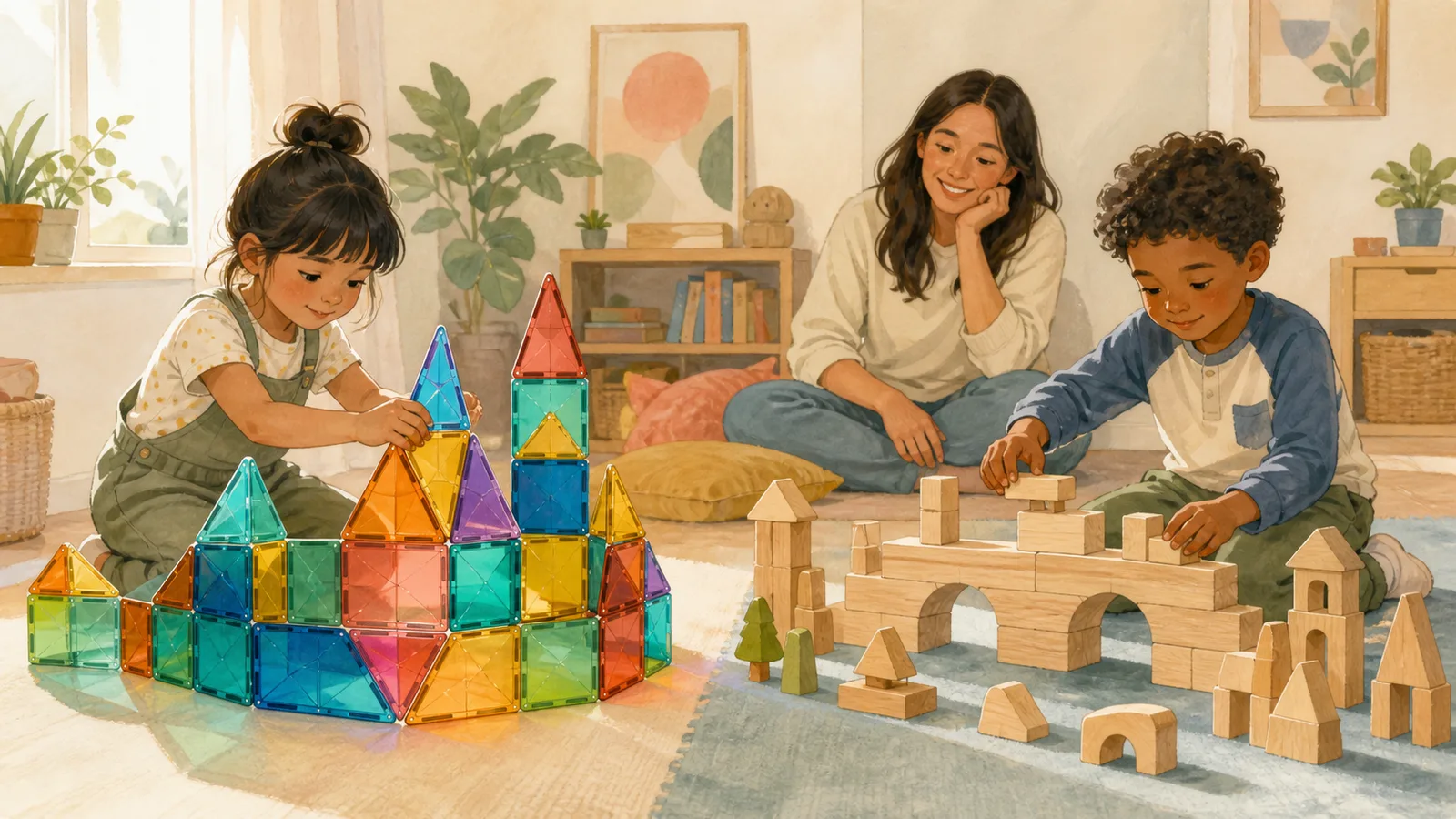
Compare magnetic tiles and wooden blocks by building behavior, safety, noise, space, storage, longevity, and the kind of frustration each creates.

A calm framework for choosing lower-impact toy gifts, checking environmental claims, buying secondhand safely, and prioritizing long useful life.
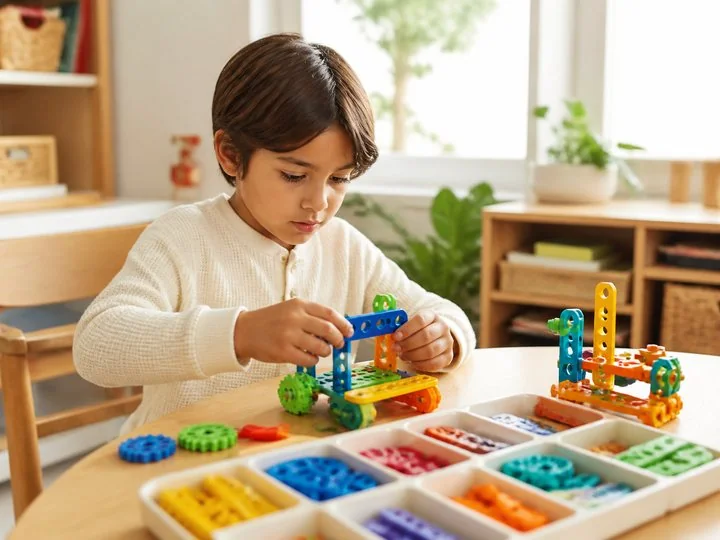
Low-prep STEAM challenges for preschoolers and school-age children, with age adaptations, useful questions, safety notes, and a simple design cycle.

Practical outdoor play ideas for heat, rain, cold, and ordinary days, with a simple weather check, urban alternatives, and evidence-aware safety guidance.
Helpful context
Absolutely. Making, building, role-play, strategy, and creative projects continue to support flexible thinking and self-expression.
Follow the child’s interests and look for authentic materials, adjustable challenge, and room for personal style.