Buying Secondhand Baby Toys: A Safety and Condition Checklist
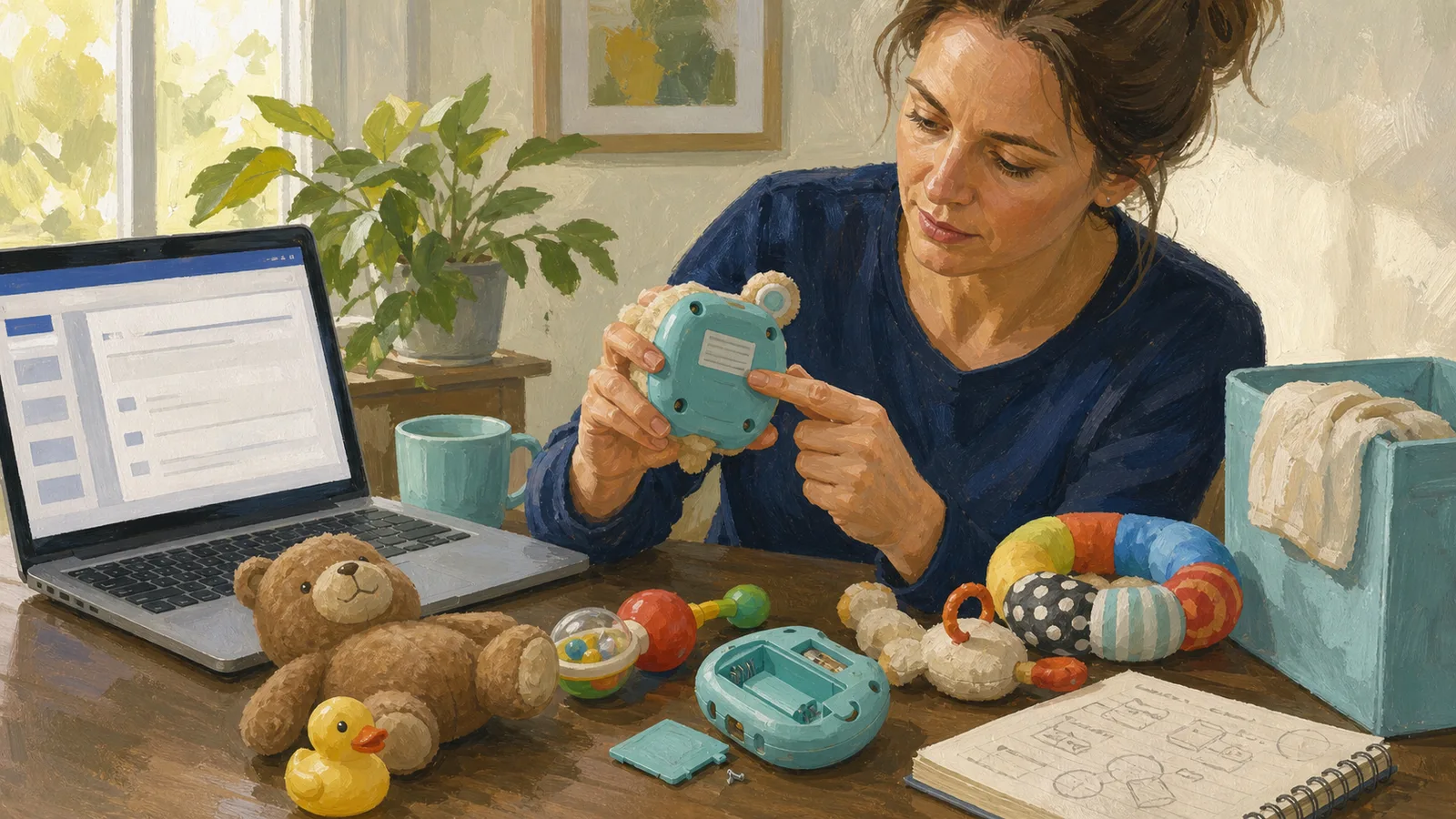
Screen used baby toys for identity, recalls, age grading, lead, batteries, magnets, damage, missing parts, and cleaning limits before buying or accepting them.
By Topic
Longer-lasting play, considered materials, repair, rotation, and less waste.
Sustainable play is not about buying a perfect toy. It is about choosing less, using things longer, sharing and repairing, and noticing which materials continue to invite play. We offer practical guidance without greenwashing or guilt.
Start here
Screen used baby toys for identity, recalls, age grading, lead, batteries, magnets, damage, missing parts, and cleaning limits before buying or accepting them.
Try something today
Growing through play
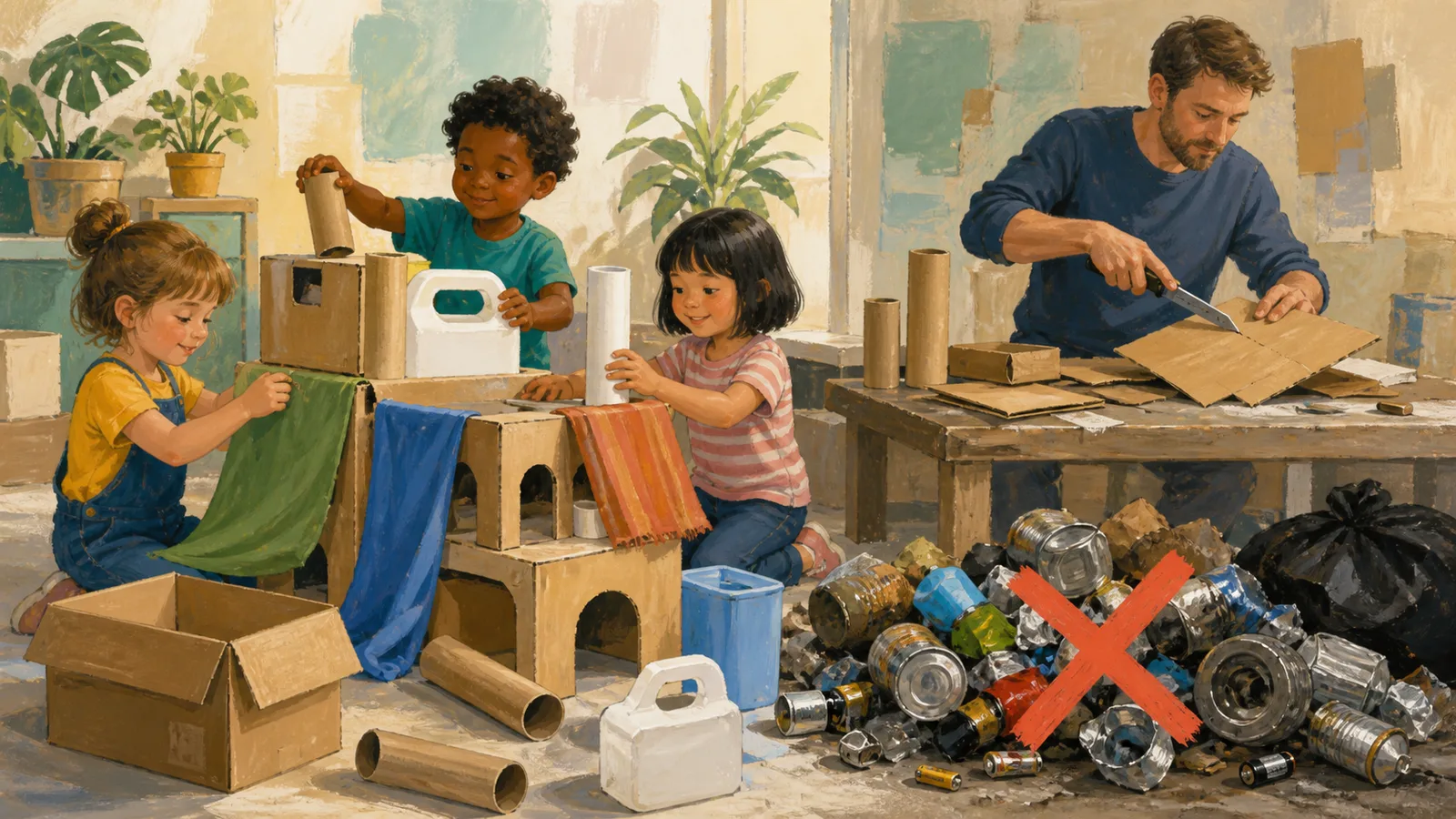
Build a safer recycled-material maker bin by screening packaging for residue, staples, sharp edges, coatings, cords, small parts, batteries, and magnets.
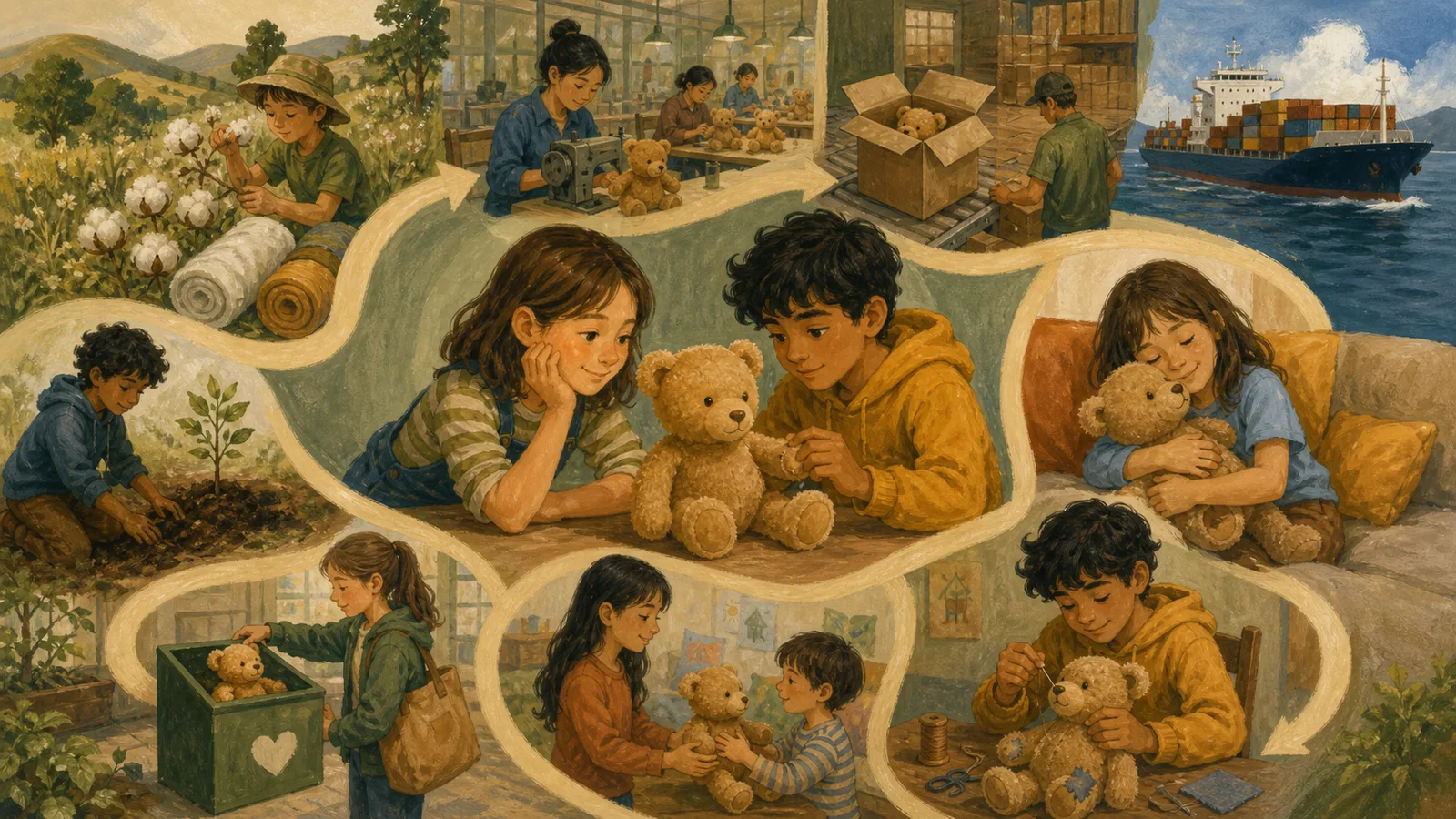
Trace a toy through materials, manufacturing, packaging, transport, play, repair, reuse, and end of life while learning which sustainability questions need evidence.
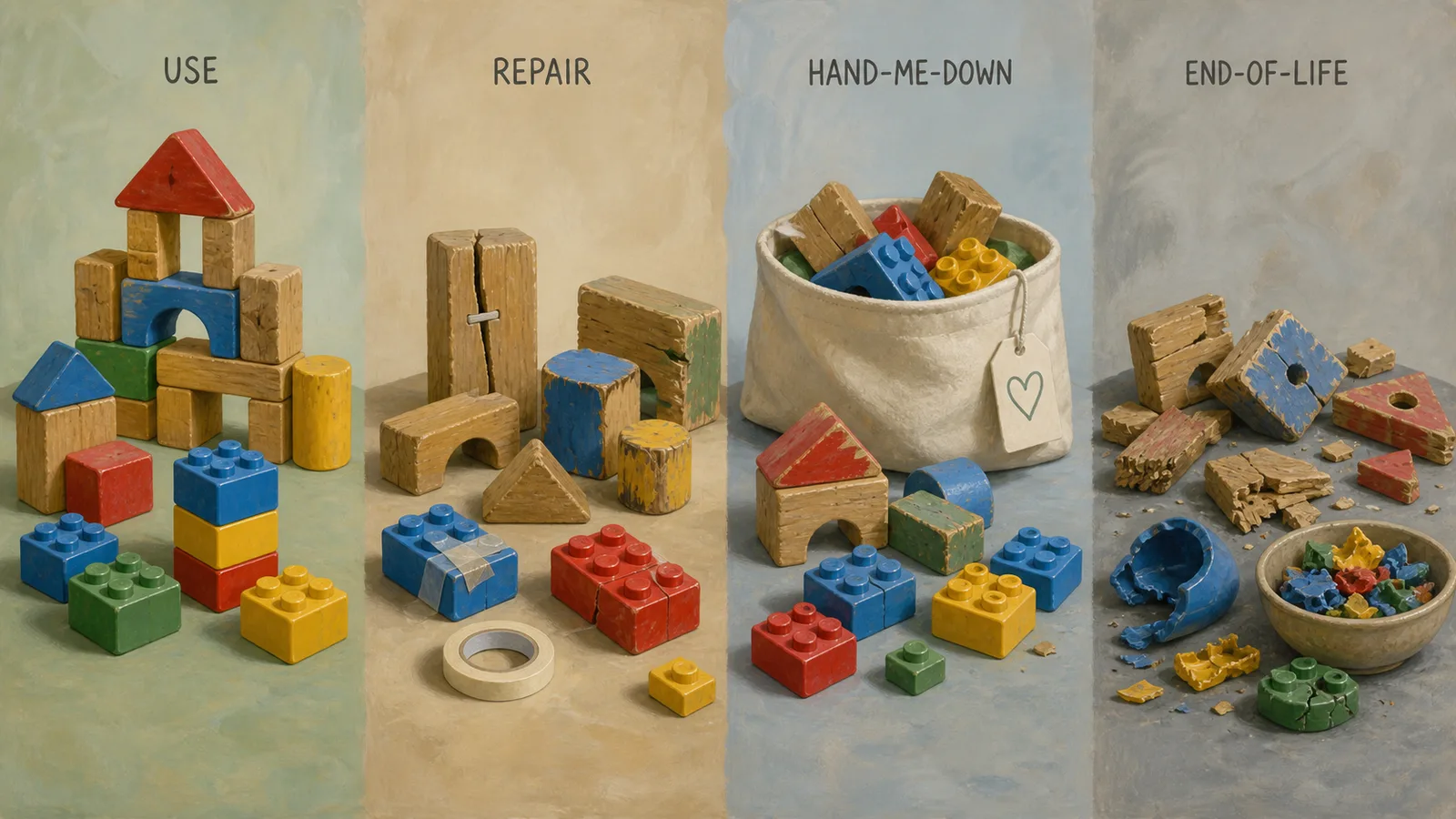
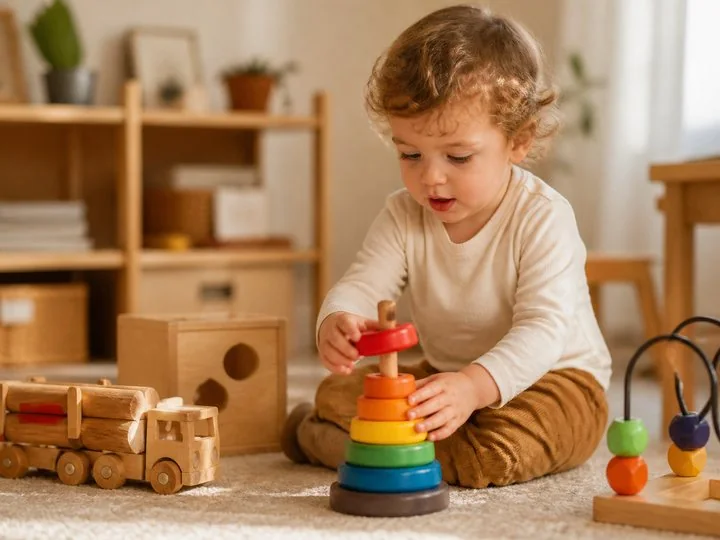
Compare wooden and plastic toys by design, weight, cleanability, coatings, durability, repair, transport, reuse, and end of life rather than material stereotypes.
Keep exploring
Choose low-clutter preschool gifts that actually fit: consumables, experiences, upgrades, contribution, and time, with checks for expiry, access, fees, and adult capacity.
Build a safer recycled-material maker bin by screening packaging for residue, staples, sharp edges, coatings, cords, small parts, batteries, and magnets.
Trace a toy through materials, manufacturing, packaging, transport, play, repair, reuse, and end of life while learning which sustainability questions need evidence.
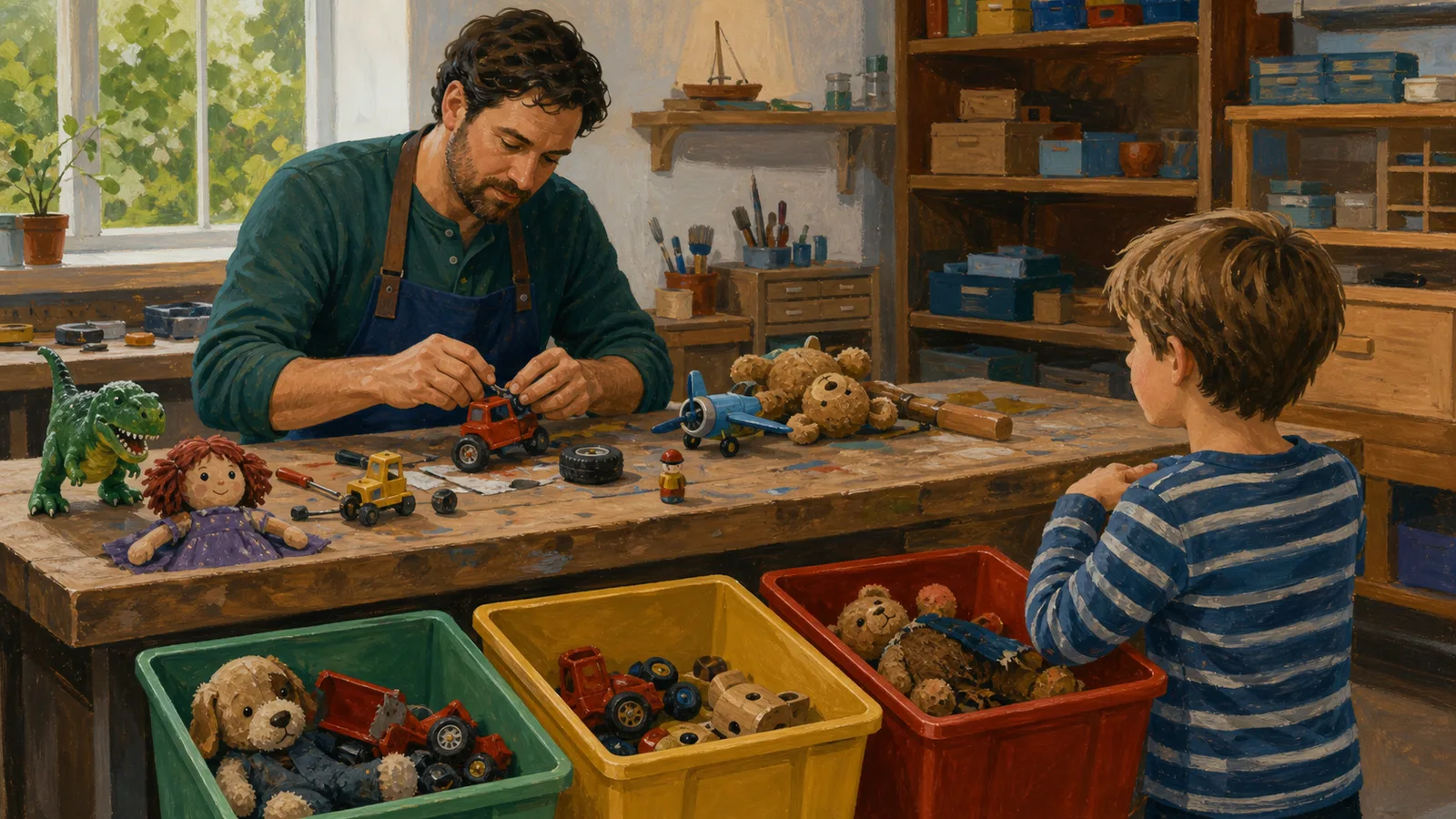
Decide whether a broken toy can return to play by triaging cosmetic, structural, battery, magnet, electrical, coating, hygiene, and recall failures.
Compare wooden and plastic toys by design, weight, cleanability, coatings, durability, repair, transport, reuse, and end of life rather than material stereotypes.
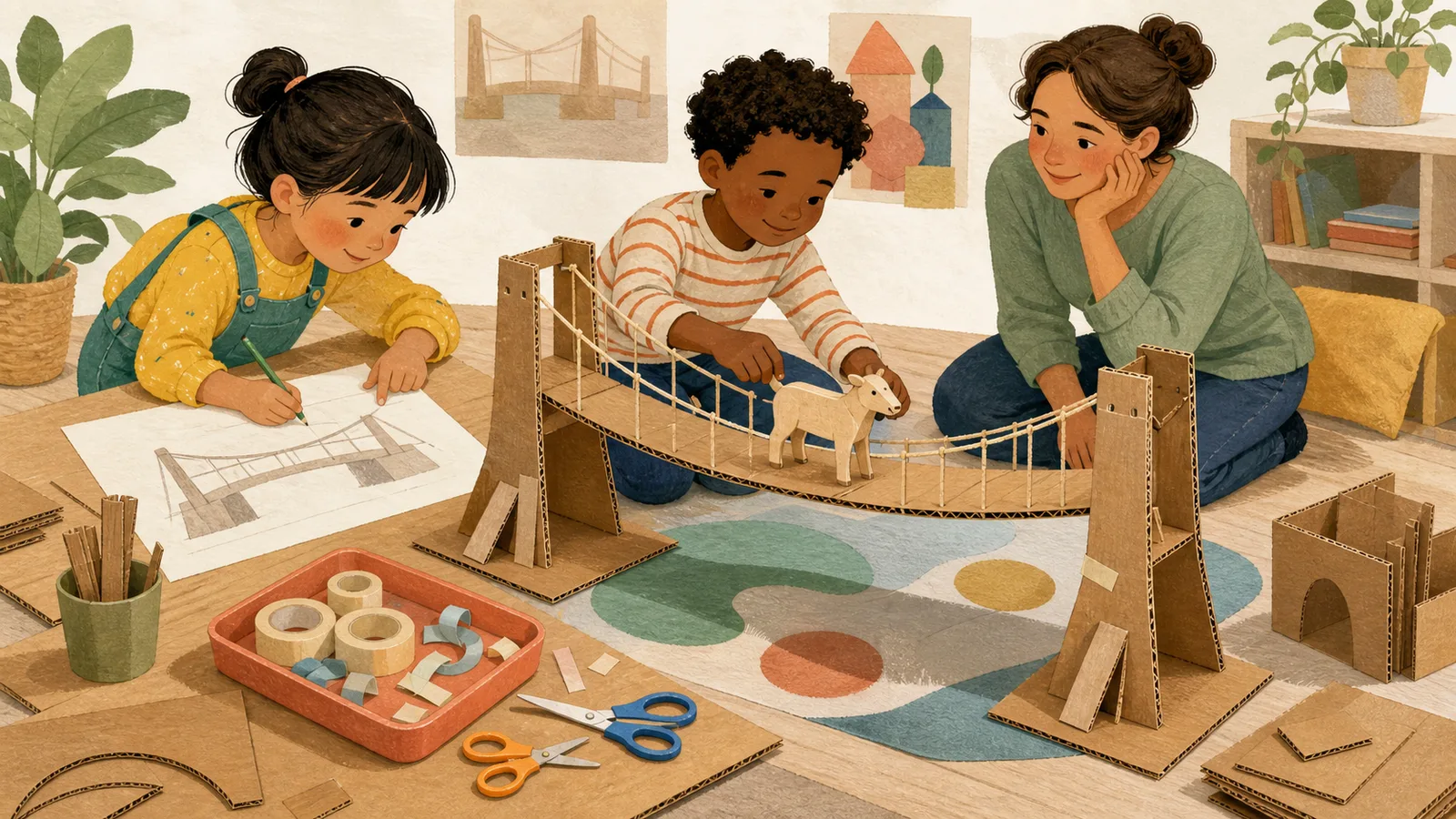
Six cardboard design problems for ages five to seven, with safer tool roles, useful constraints, simple tests, and room to rebuild.
The complete collection
11 research-informed guides and play ideas
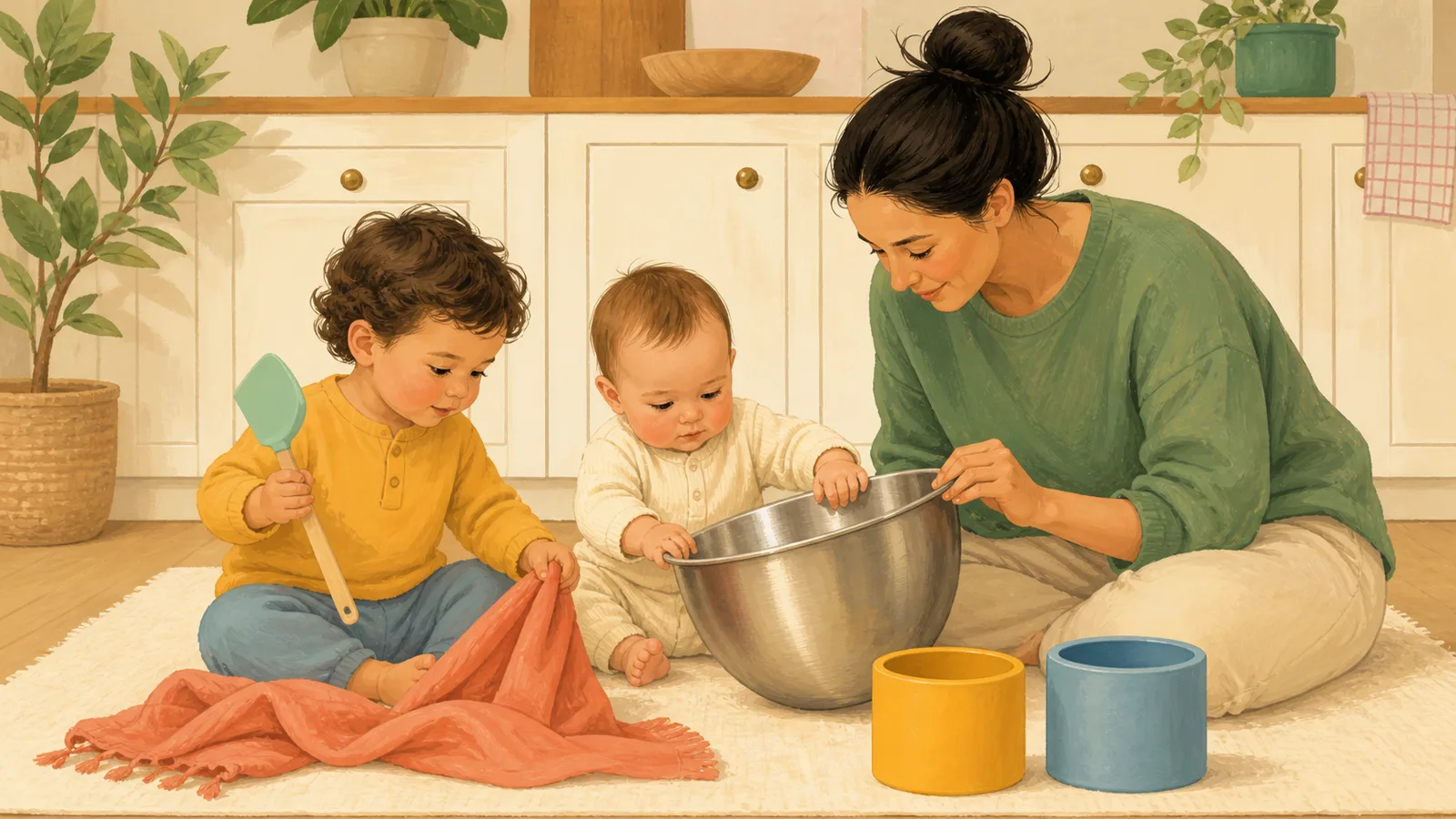
Use a six-question safety screen before turning bowls, cloths, containers, and kitchen tools into play materials for babies or toddlers.
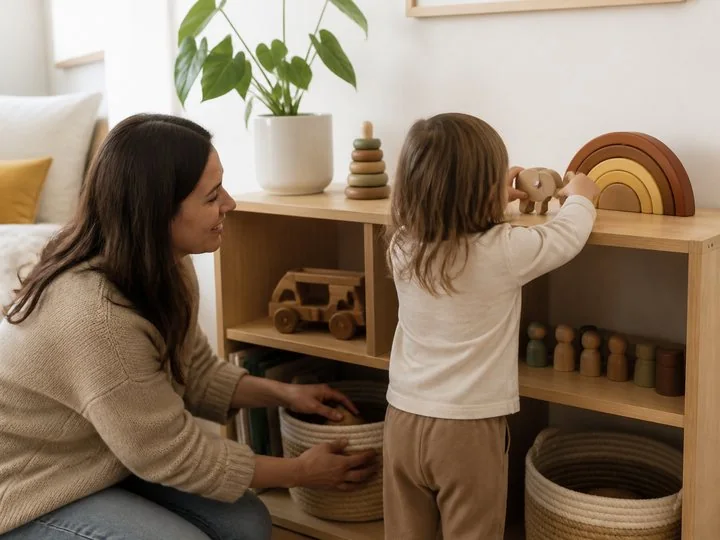
A practical toy rotation system for toddlers and preschoolers, including how many toys to offer, what to keep out, and what the research really shows.
A calm framework for choosing lower-impact toy gifts, checking environmental claims, buying secondhand safely, and prioritizing long useful life.
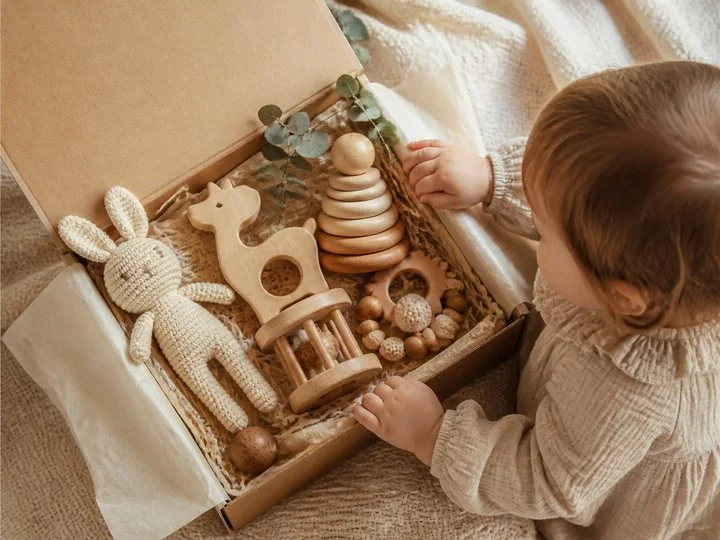
Six current wooden toys compared by age, play style, pieces, storage, materials, versatility, safety, and honest trade-offs.
Helpful context
Not automatically. Durability, sourcing, repairability, manufacturing, and how long an item is used all matter.