
Guides · Outdoor Play
Outdoor Independence: A Readiness Guide for Older Children
Decide when a child can play outside or travel a familiar route with less supervision using route, judgment, communication, law, rehearsal, and conditions.

By Topic
Movement, nature, balance, and adventures close to home.
Outdoor play gives children changing surfaces, open space, natural loose parts, and meaningful physical challenge. Our ideas range from five-minute backyard invitations to longer family adventures.
Start here
Decide when a child can play outside or travel a familiar route with less supervision using route, judgment, communication, law, rehearsal, and conditions.
Try something today
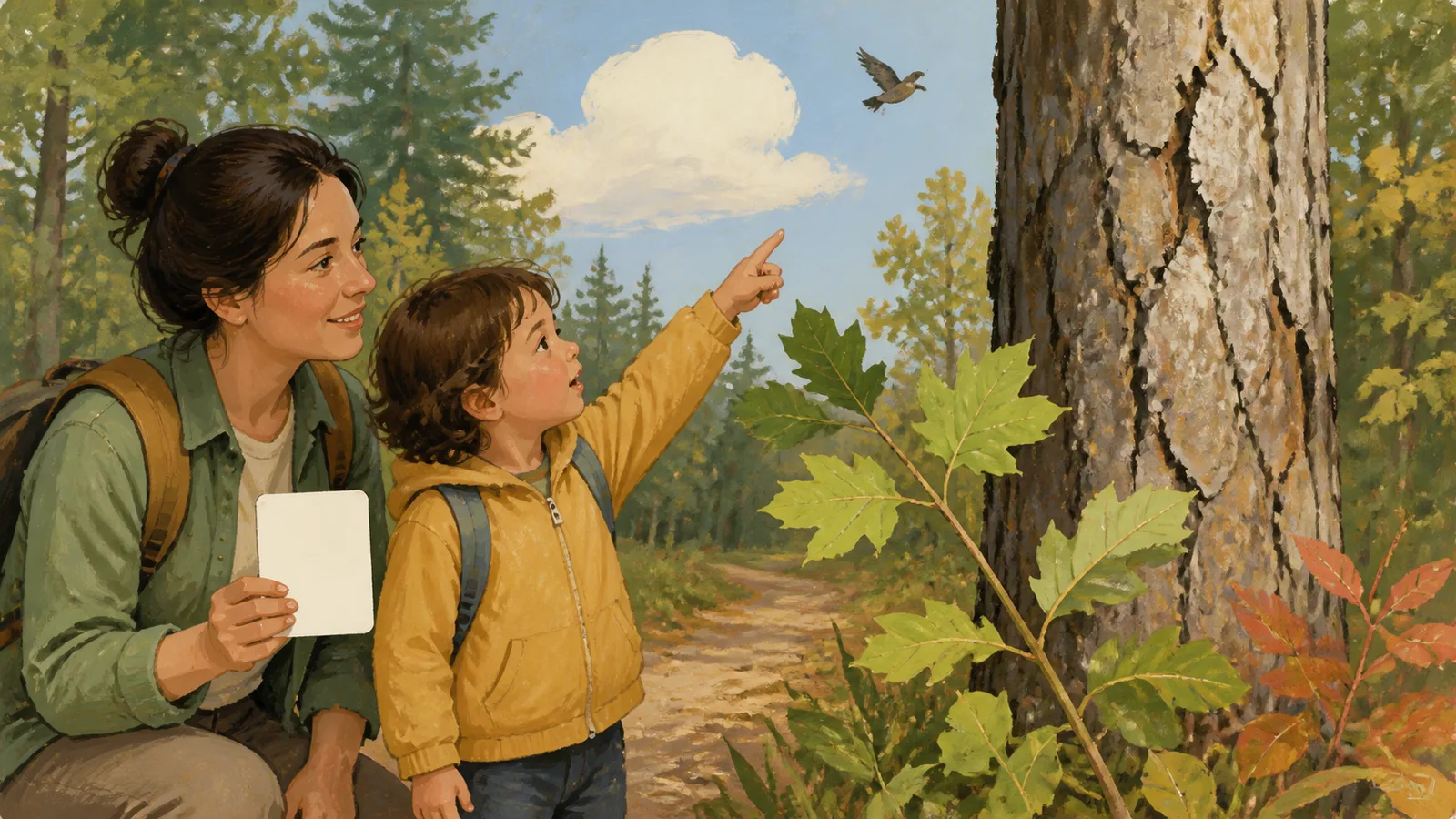
Run a preschool nature hunt with observation prompts, movement, sound, accessibility adaptations, and leave-what-you-find boundaries.
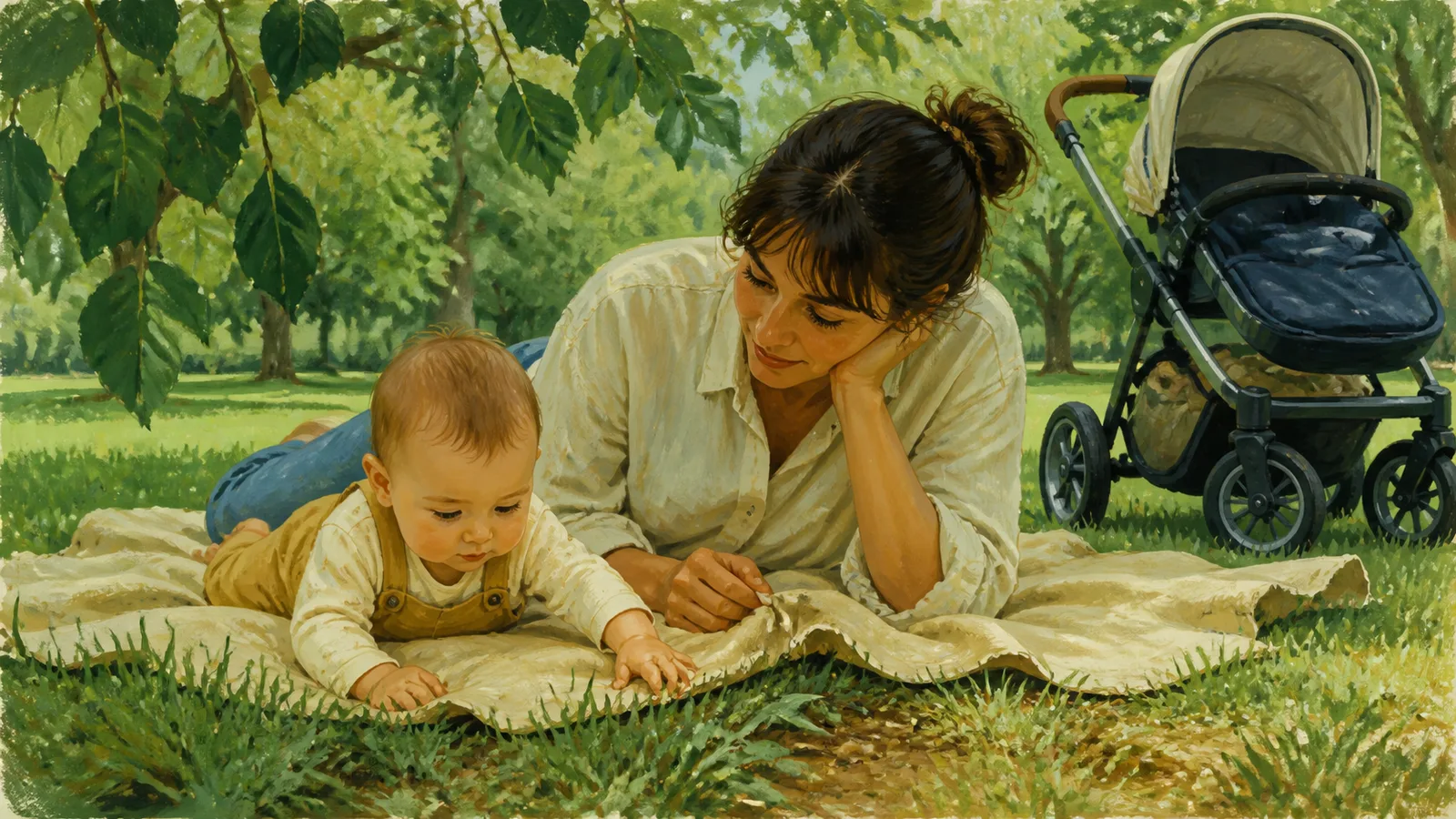
Plan outdoor floor time for babies with a five-point site check, position-specific ideas, sun and heat limits, ground inspection, and realistic stopping cues.

Practical outdoor play ideas for heat, rain, cold, and ordinary days, with a simple weather check, urban alternatives, and evidence-aware safety guidance.
Growing through play
Keep exploring
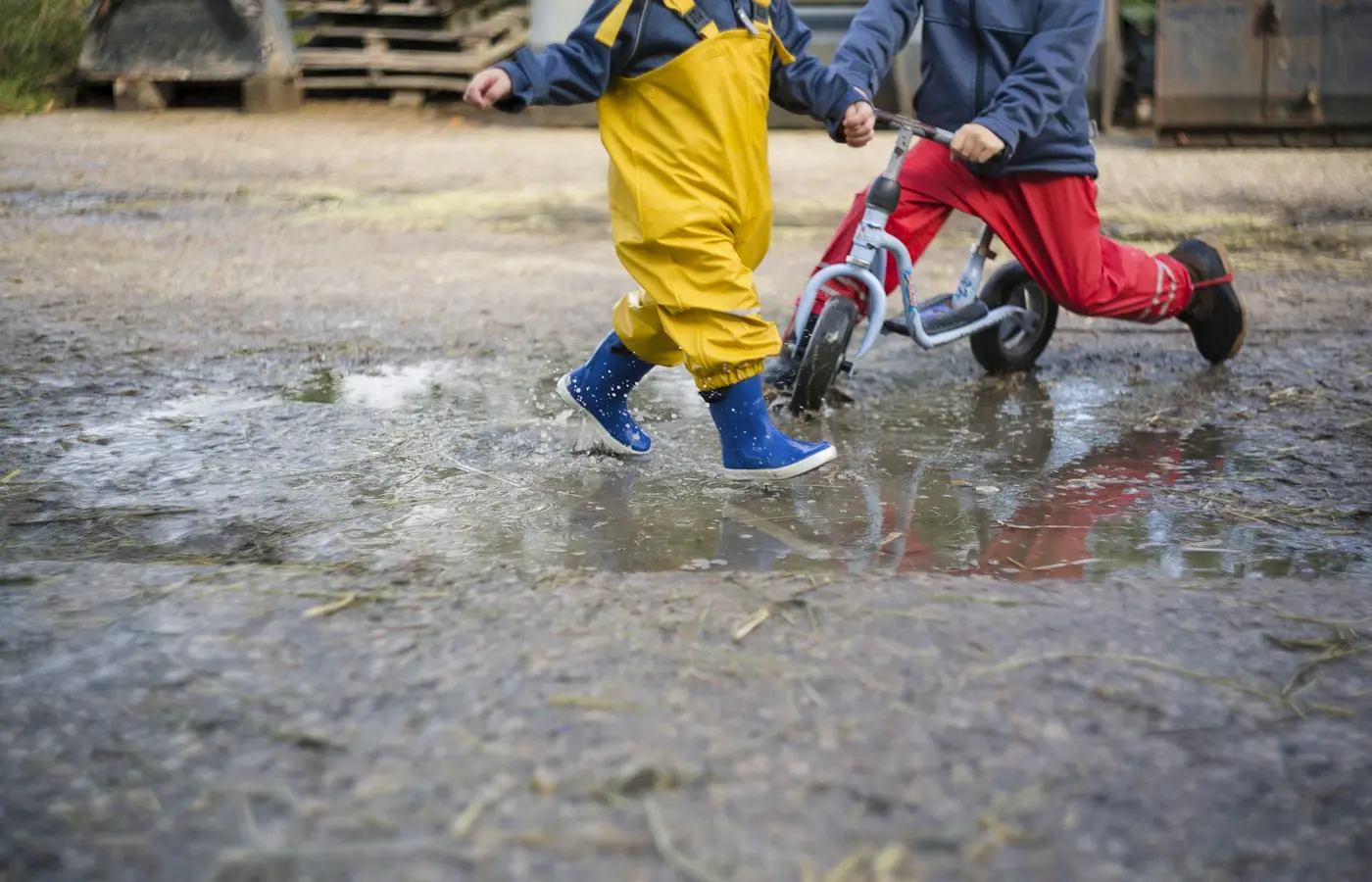
A practical guide to adapting outdoor play for rain, wind, heat, cold, muddy ground, changing supervision needs, and easier cleanup.
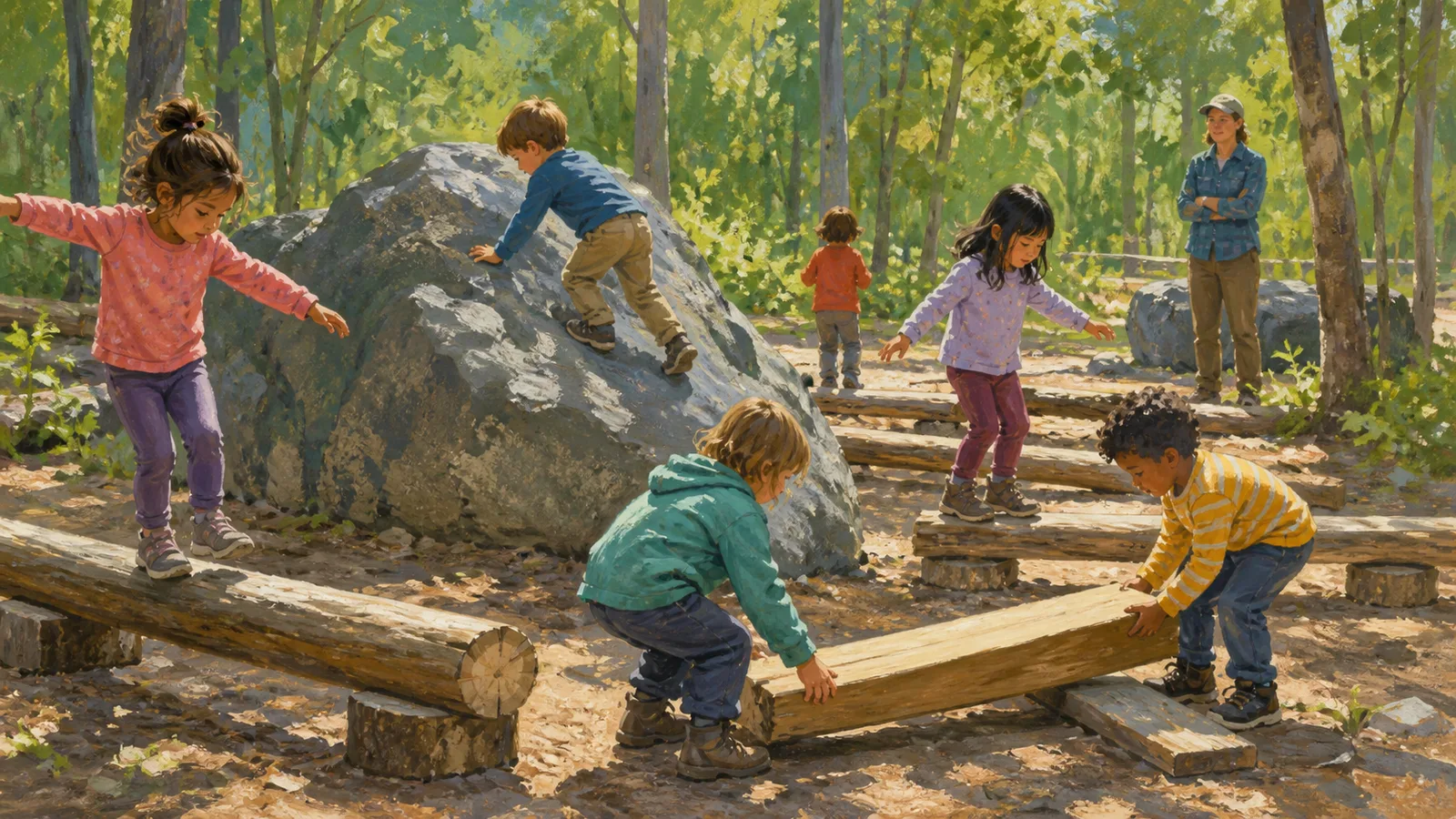
Understand risky play without romanticizing danger: distinguish visible challenge from hidden hazard, tune consequences, and know when adults should intervene.
Run a preschool nature hunt with observation prompts, movement, sound, accessibility adaptations, and leave-what-you-find boundaries.
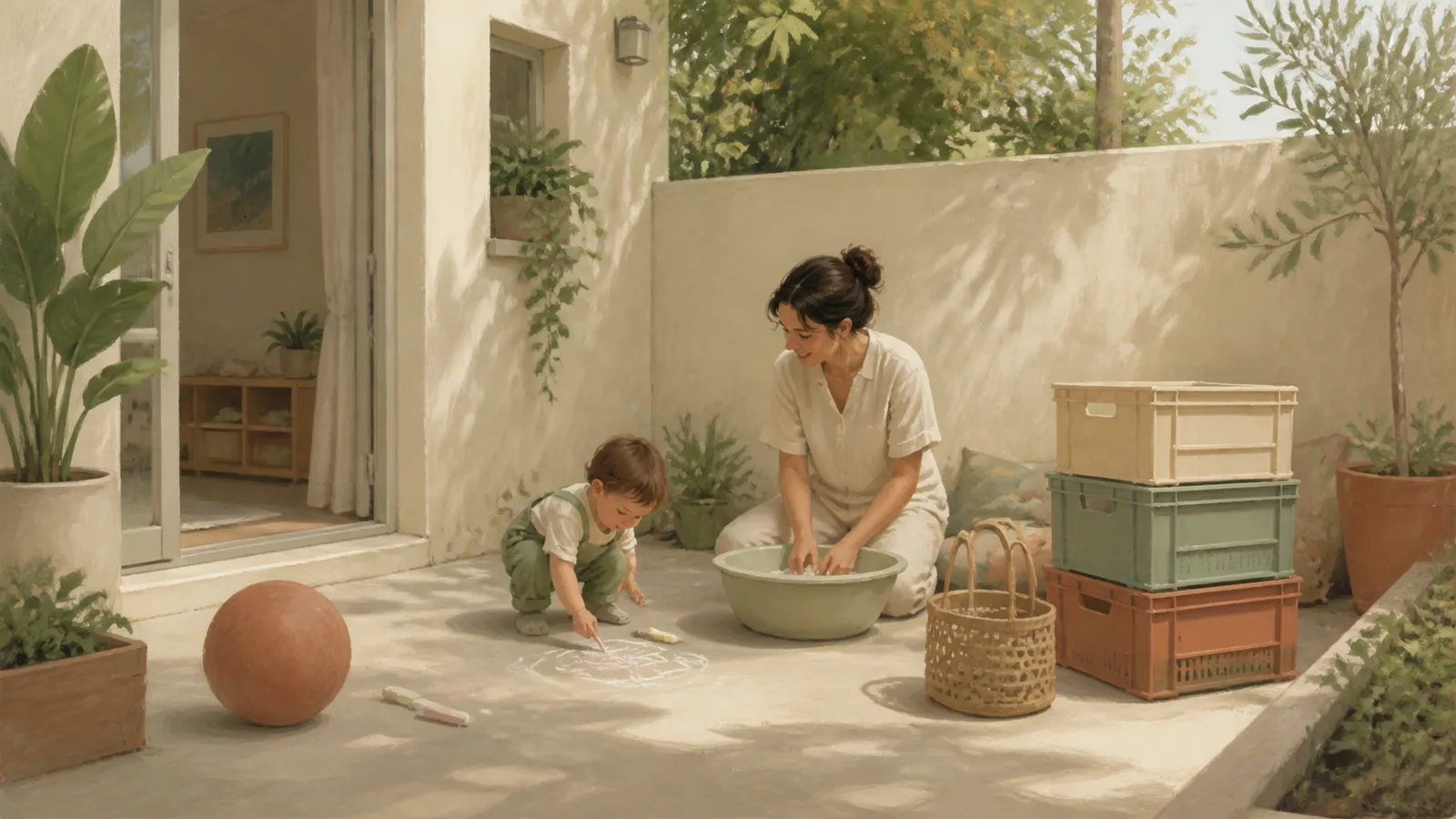
Choose outdoor toys for a balcony, patio, courtyard, or shared space by checking the full play zone, rails, drainage, noise, storage, and supervision.
Plan outdoor floor time for babies with a five-point site check, position-specific ideas, sun and heat limits, ground inspection, and realistic stopping cues.
Practical outdoor play ideas for heat, rain, cold, and ordinary days, with a simple weather check, urban alternatives, and evidence-aware safety guidance.
Helpful context
A walk, chalk on the pavement, digging, collecting leaves, riding, climbing, or simply watching weather all count.